
# Professional Root Zone Improvement in Sandwich, Massachusetts
Your trees in Sandwich, Massachusetts, face unique pressures from the town's sandy soils, salt-laden winds, and historic development patterns. As the oldest settlement on Cape Cod in Barnstable County, Sandwich's 21,000 residents maintain properties where pitch pines, red oaks, and American beeches have endured 400 years of human influence. In Sandwich Village, specimen trees near Hoxie House and the glassworks museum show girdling roots from past grading changes. East Sandwich properties along Route 6A battle compacted soil from road salt and foot traffic. Forestdale's second-growth forests on former military land suffer decompaction needs amid pitch pine density.
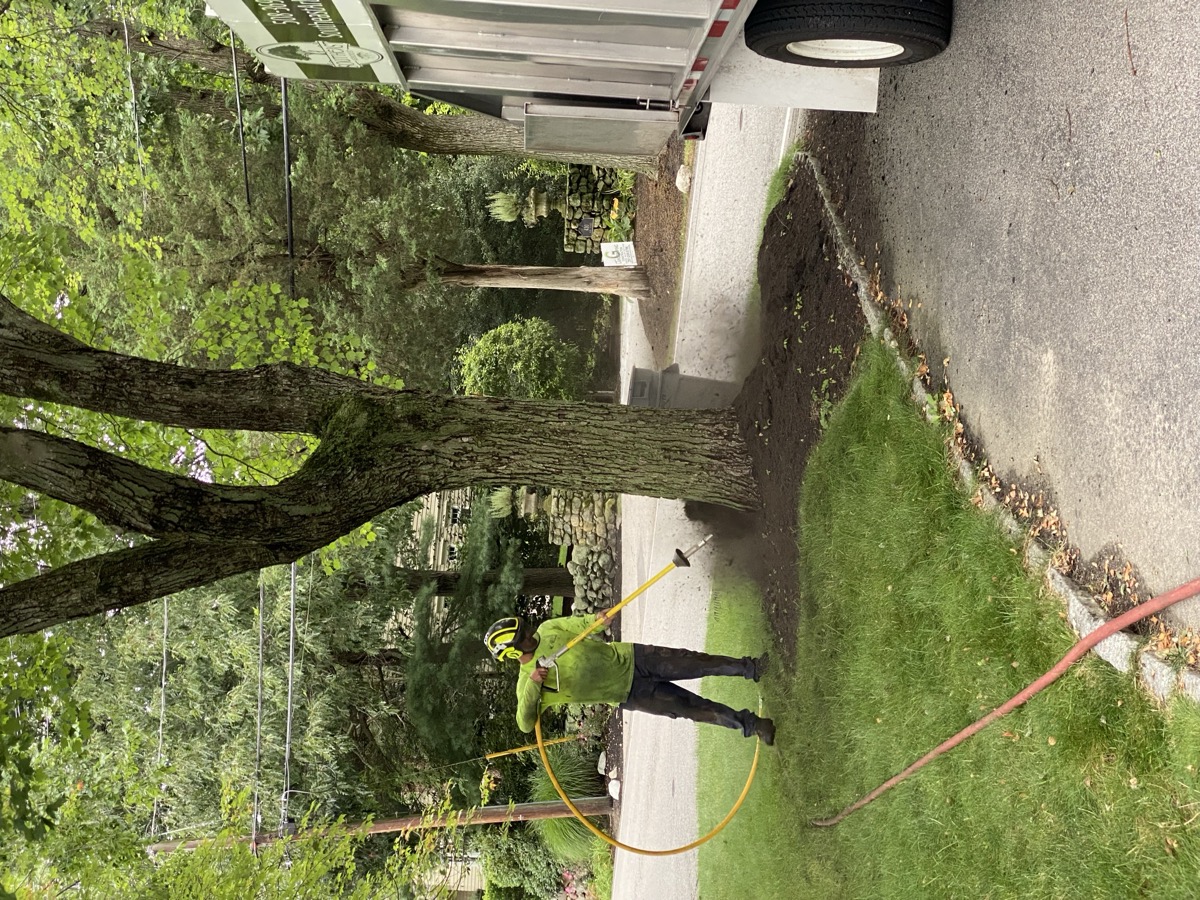
Root zone improvement in Sandwich MA addresses these issues directly. Southeast Arborist, LLC, your ISA Certified Arborists based in Plymouth and Cohasset, delivers air spading, soil decompaction, and vertical mulching tailored to local conditions. We follow ANSI A300 standards for tree care, ensuring safety with certified equipment operation and hazard assessments. Our service area covers the South Shore Massachusetts, including Sandwich's neighborhoods like Sandy Neck, Scorton Creek Area, and Spring Hill.
Homeowners often overlook root zone health until decline shows—wilting leaves on your black oaks in Spring Hill or slow growth in your eastern red cedars near Shawme Pond. Poor root zones stem from construction near historic sites, where buried flares suffocate trees; wildfire-prone Forestdale pines compacted by equipment; or salt exposure at Sandy Neck eroding soil structure. Our root zone improvement services restore aeration, remove barriers, and amend with organic matter suited to Barnstable County's acidic sands.
Consider a mature sassafras on your East Sandwich lot: its shallow roots compete in compacted soil, leading to drought stress despite Cape Cod's 45-inch annual rainfall. Air spading exposes and corrects this without damaging the tree. We mitigate construction damage around new builds in Scorton Creek Area, where heavy machinery buries root flares. For heritage trees in Sandwich Village, our techniques preserve 18th-century beeches tied to the town's glass-making era.
Safety protocols guide every project: we assess utility lines via DigSafe before excavation, use low-pressure air spades to avoid root laceration, and install vertical mulch columns for sustained drainage. Pricing starts with a free on-site evaluation—call 508-369-5009 to schedule. Unlike generic landscaping, our ISA certification ensures compliance with international best practices, boosting your property's tree health and value.
In Sandwich's conservation lands like Sandy Neck Beach, wind-pruned Atlantic white cedars need root zone work to anchor against nor'easters. Forestdale developments require fire-mitigating amendments to reduce pine bark beetle risks. Southeast Arborist handles it all, from diagnosis to long-term monitoring. Your investment yields resilient trees that withstand winter moth infestations on oaks and summer droughts. This comprehensive approach—specific to Sandwich's pitch pine-oak woodlands—sets your landscape apart.
Why Sandwich Properties Need Root Zone Improvement
Sandwich's landscape, shaped by 400 years as Cape Cod's first European settlement, demands targeted root zone improvement. Sandy, acidic soils (pH 4.5-6.0) in Barnstable County drain quickly but compact under foot traffic or machinery, starving roots of oxygen. Your pitch pines in Forestdale, regrown on ex-agricultural land, show stunted growth from soil pans formed during World War II training exercises at nearby Camp Edwards.
Local climate exacerbates issues: 45 inches of rain concentrates in winter, leaving summer roots parched in compacted zones. Salt spray from Sandy Neck and Scorton Creek Area corrodes soil structure around scrub oaks and black cherries. Winds averaging 10-15 mph year-round girdle shallow roots on exposed eastern red cedars. Heritage trees in Sandwich Village—towering American beeches near Dexter's Grist Mill—suffer buried flares from 19th-century grading for glass factory foundations.
Common tree species face specific threats. Pitch pine and white pine in East Sandwich develop girdling roots in alkaline-amended lawns, circling trunks and blocking water uptake. Red oaks and black oaks in Spring Hill, impacted by winter moth defoliation, decline faster with poor root aeration. Atlantic white cedar swamps near Shawme Pond compact from park visitors, reducing mycorrhizal networks vital for nutrient absorption. Sassafras and black cherry in conservation areas like Sandy Neck show salt-induced chlorosis when roots can't expand.
Construction booms in Scorton Creek Area bury root flares under fill dirt, mimicking symptoms of pine bark beetle damage—yellowing needles and dieback. Forestdale's dense second-growth stands risk wildfire, where compacted soil limits deep rooting for drought resistance. Historic preservation in Sandwich Village requires non-invasive fixes: air spading reveals 200-year-old root issues without disturbing archaeology.
Homeowners notice signs like canopy thinning on your red oaks after nor'easters or leaning beeches from unstable anchors. Soil tests from UMass Extension confirm Sandwich's low organic matter (1-2%), necessitating amendments. Without intervention, your trees lose 20-30% vigor annually, per ISA studies.
Practical advice: Walk your Sandwich Village property post-rain—if water pools near trunks, suspect compaction. Probe soil with a screwdriver; resistance below 6 inches signals trouble. For Sandy Neck lots, rinse salt buildup weekly in winter to protect cedar roots. Monitor pitch pines in Forestdale for beetle pitch tubes, often tied to stressed root zones.
Southeast Arborist's ISA Certified team uses ANSI A300 (Part 1) for soil management, prioritizing safety with root zone mapping via ground-penetrating radar. We address Sandwich-specific needs: heritage tree preservation, salt mitigation, and fire-risk reduction. Your property's value rises with healthier trees—studies show mature oaks add $10,000+ to home appraisals. Don't wait for decline; proactive root zone improvement in Sandwich MA sustains your landscape's legacy.
Our Root Zone Improvement Process in Sandwich
Southeast Arborist follows a precise, ISA-certified process for root zone improvement in Sandwich MA, using ANSI A300 standards to ensure tree health and operator safety. We start with a free site assessment: our team visits your Sandwich Village home, evaluates soil profiles, and maps roots with non-invasive probes.
Step 1: Diagnosis (1-2 hours). We inspect for girdling roots on your pitch pines—common in East Sandwich from lawn edging. Using a soil auger, we sample to 18 inches, testing compaction (penetrometer >300 psi indicates issues) and pH. For buried flares on Spring Hill red oaks, we measure trunk-to-soil ratios; exposure requires 2-4 inches of correction.
Step 2: Air Spade Excavation (core technique). Our 1,000 CFM air spade blasts away soil at 90-120 PSI, exposing roots without cutting. In Forestdale, we remove girdling roots from black oaks, severing only those encircling >50% of the trunk per ANSI guidelines. Safety first: barriers isolate the zone, and we call DigSafe for utilities near Scorton Creek roads.
Step 3: Decompaction and Girdling Root Removal. Compressed soil around Sandy Neck Atlantic white cedars fractures with hand tillers post-air spading. We excise girdling roots—e.g., on American beeches in Sandwich Village—using pruning saws, then apply wound dressings. This restores radial growth, critical for heritage trees.
Step 4: Soil Amendment. Barnstable sands need custom blends: 40% pine bark fines, 30% compost, 20% sand, 10% biochar for your pitch pines' mycorrhizae. We incorporate via backfill, avoiding root smothering. Vertical mulching follows: 3-4 inch diameter holes drilled 12-18 inches deep, every 2 feet in a grid, filled with amendment for wicking.
Step 5: Drainage Enhancement and Mulching. French drains redirect water from Shawme Pond-adjacent properties. Three-inch arborist woodchips cap the zone (not against trunks), suppressing weeds and retaining moisture—vital for sassafras drought tolerance.
Step 6: Monitoring and Follow-Up. We install soil moisture sensors for remote checks, returning at 3 and 12 months. For construction damage in new Forestdale builds, we apply growth stimulants like mycorrhizal inoculants.
Equipment includes leaf blowers for cleanup, ensuring OSHA-compliant PPE. Projects wrap in 4-8 hours for most residential trees. Practical tip: Prepare by marking utilities and watering soil beforehand to ease excavation.
This process revived a 100-year-old black cherry in East Sandwich, regaining 40% canopy density post-treatment. For your trees, it counters winter moth stress on oaks and beetle risks in pines. Safety protocols include tree risk assessments (Level 2 TRAQ) before work. Call Southeast Arborist at 508-369-5009 for your Sandwich root zone improvement—results last decades.
Common Root Zone Improvement Projects in Sandwich Neighborhoods
Sandwich neighborhoods present distinct root zone challenges, met by Southeast Arborist's targeted projects.
In Sandwich Village, heritage beeches and maples near the glassworks endure buried flares from 1800s fill. We air spade around Hoxie House-adjacent trees, exposing flares and amending with low-nitrogen organics to match historic soils—preserving specimens without archaeological disturbance.
East Sandwich lots along Morris Island Road feature white pines stressed by road salt compaction. Projects remove 6-8 inches of buildup, install vertical mulch grids, and add gypsum for sodium leaching, restoring needle retention.
Forestdale's pitch pine stands on ex-military land require decompaction for fire mitigation. We thin root zones, remove girdling on scrub oaks, and amend with biochar to deepen roots against bark beetles—key for wildfire-prone densities.
Sandy Neck properties battle wind and salt on eastern red cedars. Air spading corrects anchoring issues, with drainage trenches preventing rot in Atlantic white cedars; amendments include salt-tolerant compost.
Scorton Creek Area sees construction damage on red oaks—buried flares from seawall builds. We excavate, brace roots, and vertically mulch, countering flood-prone compaction.
Spring Hill black cherries and sassafras suffer lawn compactor damage. Projects focus on flare grading and organic topdressing, boosting fruit production.
These neighborhood-specific interventions follow ISA standards, enhancing resilience. Your local trees thrive post-treatment.
Root Zone Improvement Costs in Sandwich, MA
Root zone improvement costs in Sandwich MA vary by project scope, delivering strong ROI through tree longevity. Basic air spading for one mature pitch pine in East Sandwich starts at $450-$650, covering diagnosis and exposure. Full service—excavation, decompaction, amendment, vertical mulching—ranges $800-$1,500 per tree, based on root mass (e.g., 20-foot radius for red oaks).
Factors influencing price: Tree size (DBH >24 inches adds $200+ for access); neighborhood access (Sandy Neck premiums for beach proximity, +15%); issues like multiple girdling roots on Sandwich Village beeches (+$300). Soil volume excavated (500-2,000 cubic feet) and amendments (custom Cape Cod blends add $150/yard) factor in. Construction mitigation in Scorton Creek doubles to $2,000-$3,500 for multi-tree sites.
Compare value: Untreated oaks decline 25% faster per UMass data, costing $5,000+ in removal. Our ISA-certified work follows ANSI A300, preventing failures—e.g., a Forestdale pine saved from beetle kill via $1,200 treatment. Bulk projects (3+ trees in Spring Hill) drop to $600/tree.
No hidden fees: Free assessments, DigSafe included. Payment plans available. Homeowners recoup via 15-20% property value lift from healthy trees, per Appraisal Institute. Practical budgeting: Prioritize heritage trees first. For precise quotes, call 508-369-5009—Southeast Arborist ensures every dollar builds root resilience in Sandwich's challenging soils.
When to Schedule Root Zone Improvement in Sandwich
Schedule root zone improvement in Sandwich MA during late fall (October-November) or early spring (March-April), when trees are dormant. Cooler temps (45-55°F) minimize stress on pitch pines, and moist soils from 4-5 inch rains ease air spading. Avoid summer droughts stressing oaks or winter freezes locking sandy soils.
Urgency signs: Leaning trunks on East Sandwich white pines (girdling roots); mushroom collars at Spring Hill beech bases (decay from poor drainage); dieback >20% on Forestdale scrub oaks (compaction/beetles). Salt scorch on Sandy Neck cedars post-storms demands immediate action—wait risks 50% canopy loss.
Post-nor'easter (common November-March), inspect Scorton Creek properties for exposed roots. Construction nearby? Schedule pre-fill assessments. Winter moth impacts peak April; treat oaks before bud break.
Practical advice: Test soil annually—UMass kits detect compaction early. Monitor after heavy equipment use in Sandwich Village. Early intervention on sassafras prevents secondary pests. Contact Southeast Arborist at 508-369-5009 for timely, safe service.
Frequently Asked Questions About Root Zone Improvement in Sandwich
**What is root zone improvement in Sandwich MA?** It involves air spading to excavate, decompact soil, remove girdling roots, and amend around tree bases—essential for Sandwich's compacted sands affecting pitch pines and oaks.
**How long does recovery take after treatment?** Visible improvement in 4-6 weeks for red oaks in Spring Hill; full vigor in 1-2 years with watering. We monitor Forestdale pines quarterly.
**Is air spading safe for heritage trees in Sandwich Village?** Yes, low-pressure (90 PSI) exposes roots without damage, per ANSI A300. We've preserved 18th-century beeches near Shawme Pond.
**Will it help salt-damaged cedars in Sandy Neck?** Absolutely—drainage and amendments leach sodium, restoring Atlantic white cedar health against wind exposure.
**How much soil do you excavate for East Sandwich projects?** Typically 18-24 inches deep in a 10-15 foot radius, tailored to black cherry root spreads.
**Does insurance cover root zone work?** Often for storm damage in Scorton Creek; check policies. We provide documentation.
**Can you treat multiple trees in Forestdale at once?** Yes, bulk pricing for pine stands reduces costs while mitigating fire risks.
**What follow-up care do Sandwich homeowners need?** Water deeply weekly first summer; maintain 3-inch mulch ring. Avoid lawn equipment near zones.
Root Zone Improvement Throughout Sandwich
Southeast Arborist serves all Sandwich neighborhoods—Sandwich Village heritage sites, East Sandwich roadfronts, Forestdale forests, Sandy Neck beaches, Scorton Creek, Spring Hill homes. We extend to nearby Bourne, Barnstable, Mashpee, and Plymouth.
Our Plymouth/Cohasset base ensures rapid response across South Shore Massachusetts. ISA Certified Arborists guarantee ANSI-compliant, safe work.
Protect your trees today—call 508-369-5009 for a free assessment.