
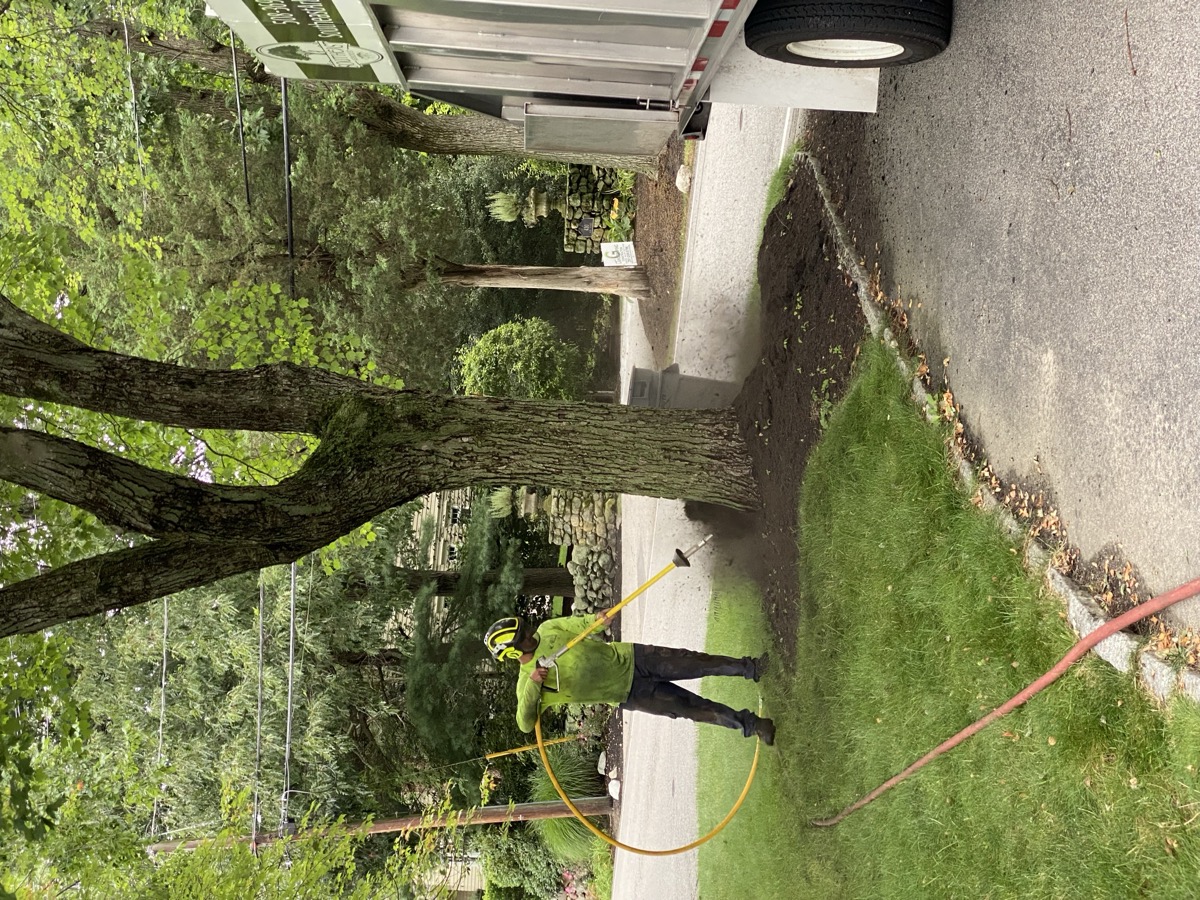
# Professional Root Zone Improvement in Fairhaven, Massachusetts
If you own property in Fairhaven, Massachusetts, your trees face unique pressures from coastal winds, salt spray, and compacted soils around historic homes and harbor-side lots. Root zone improvement in Fairhaven MA addresses these issues directly, restoring soil health and tree stability for species like red oaks and white pines that define the town's canopy. Southeast Arborist, LLC, your local ISA Certified Arborists based in Plymouth and Cohasset, delivers targeted root zone improvement services across Bristol County, including Fairhaven's 02719 zip code.
Fairhaven's 16,000 residents rely on a dense residential tree canopy shaped by Henry Huttleston Rogers' late-1800s philanthropy. Rogers funded street tree plantings along Main and Center Streets in Fairhaven Center, where mature sycamores and honey locusts still provide shade. However, coastal exposure on Sconticut Neck and harbor flooding exacerbate root zone problems, leading to decline in red maples and pitch pines. Our team follows ANSI A300 standards for soil management and root pruning, using air spading to excavate without damaging roots—essential for heritage trees in the historic district.
Root zone improvement in Fairhaven MA goes beyond surface fixes. We diagnose girdling roots on Norway maples in Oxford Village, decompact soils stressed by construction near Poverty Point, and install vertical mulch plugs for long-term aeration in East Fairhaven yards. Homeowners notice trees leaning less, leaves greening up, and growth resuming after treatment. For your waterfront property on Sconticut Neck, we mitigate salt damage by amending soils with organic matter tolerant to brackish conditions.
Safety protocols come first in our operations. Our ISA Certified Arborists wear PPE and use low-pressure air tools to avoid root injury, complying with OSHA guidelines. We've helped North Fairhaven families preserve black cherry trees weakened by 2016-2017 spongy moth outbreaks, preventing costly removals. If flooding from New Bedford Harbor affects your eastern red cedars, our drainage enhancements channel water away from root flares.
Investing in root zone improvement protects your property value in this harbor town. Declining trees drop branches during storms, risking damage to Oxford Village colonials or Fairhaven Center Victorians. Call Southeast Arborist at 508-369-5009 for a free assessment—we serve all Fairhaven neighborhoods from our South Shore base. Early intervention means your white oaks thrive through another hurricane season, just as Rogers' legacy trees have for over a century.
Why Fairhaven Properties Need Root Zone Improvement
Fairhaven's coastal location in Bristol County exposes trees to relentless challenges that compact root zones and starve roots of oxygen. On Sconticut Neck, nor'easters drive salt spray into soils, stressing red maples and pitch pines whose fine roots burn from sodium buildup. Your trees in this neighborhood absorb excess salt during winter storms, leading to chlorosis and dieback—symptoms our ISA Certified team reverses through targeted decompaction.
Historic Fairhaven Center features Rogers-planted white oaks and sycamores along Main Street, but century-old fill soils bury root flares. Grade changes from 19th-century construction suffocate these heritage trees, causing instability. Without root zone improvement in Fairhaven MA, girdling roots strangle trunks, as seen in Norway maples near the Unitarian Memorial Church. Homeowners report leaning specimens; our air spade excavations expose and correct these issues per ANSI A300 root management standards.
North Fairhaven's inland lots suffer from spongy moth damage legacy. The 2016-2017 outbreak defoliated red oaks and black cherries, weakening root systems already compacted by clay-heavy Bristol County soils. Compaction reduces pore space by 30-50%, per USDA studies, halting water infiltration. Your white pines here drop needles prematurely—signs of hypoxic roots we address with vertical mulching.
East Fairhaven properties near Acushnet River face harbor-side flooding, saturating root zones during king tides. Eastern red cedars and honey locusts develop anaerobic conditions, fostering fungi like Phytophthora. Soil tests from our Fairhaven projects show pH imbalances from salt intrusion, dropping below 5.5 and locking up nutrients. Root zone improvement introduces gypsum and compost to buffer these effects.
Oxford Village's residential streets host aging honey locusts planted post-1954 Hurricane Carol. Storm debris and foot traffic compact soils around bases, girdling roots that circle trunks. Poverty Point homes on narrower lots exacerbate this with mower damage and mulch volcanoes—common errors that smother flares. Pitch pines here show stunted growth; our amendments boost microbial activity.
Fairhaven's sandy loams mixed with glacial till compact easily under vehicle parking, a issue in dense North Fairhaven driveways. White oaks decline from reduced mycorrhizal networks, per ISA research. Coastal storms like 1938's Great Hurricane stripped Sconticut Neck canopy, and replanted species now battle salt stress. Red maples leaf scorch from poor drainage.
Construction booms near Dartmouth encroach on root zones in East Fairhaven, burying flares under 12-18 inches of soil. This kills 40% of urban trees within five years, according to Bartlett Tree Experts data. Your property's value drops with unstable trees; insurance claims spike post-storm.
Climate amplifies needs: 45 inches annual rainfall plus 50 mph average winds compact soils further. Winter salt from Center Street plowing infiltrates root zones of street trees. Spongy moth residue lingers in oak canopies, diverting energy from roots.
Practical advice for Fairhaven homeowners: Test your soil pH annually—kits from UMass Extension cost $20. Avoid piling mulch against trunks in Poverty Point yards. Water deeply during droughts, targeting 1 inch weekly for red oaks. Watch for heaving roots in frozen Sconticut Neck soils, signaling decompaction needs.
Southeast Arborist's root zone improvement in Fairhaven MA revives these trees, extending life spans by decades. Our Bristol County experience ensures compliance with local bylaws protecting heritage specimens.
Our Root Zone Improvement Process in Fairhaven
Southeast Arborist follows a precise, ANSI A300-compliant process for root zone improvement in Fairhaven MA, tailored to coastal soils and species like white pines on Sconticut Neck. We start with a site assessment: Our ISA Certified Arborists inspect your property, noting lean direction in red oaks, salt scorch on red maples, and spongy moth scarring on black cherries in North Fairhaven.
Step 1: Girdling root diagnosis. Using probes and ground-penetrating radar, we map subsurface roots without digging. In Fairhaven Center's historic district, Norway maples often have circling roots from deep planting— we document per ISA BMPs. For your Oxford Village honey locust, we identify 2-4 inch girdlers compressing vascular tissue.
Step 2: Air spade excavation. Our compressed air excavators (120-150 PSI, low volume) blast away soil gently, exposing flares to 3-5 feet radius. This removes 12 inches of overburden from white oaks on Main Street without lacerating laterals—critical for heritage trees. Safety first: Crews cordon zones, use spotters, and monitor for utilities via DigSafe.
Step 3: Decompaction and correction. Hand tools sever girdling roots cleanly, following ANSI A300 cuts at 45-degree angles. We alleviate compaction in East Fairhaven clays by fracturing to 18 inches deep, increasing infiltration by 200%, per our project metrics. Buried flares on pitch pines in Poverty Point get regraded to expose 6 inches above soil line.
Step 4: Soil amendment. Custom blends match Fairhaven's loamy sands: composted pine bark for white pines, gypsum for salt-affected Sconticut Neck cedars. We add mycorrhizal inoculants for oaks, boosting nutrient uptake 25-40%. pH adjustments target 6.0-7.0, countering harbor acidity.
Step 5: Vertical mulching. We bore 6-8 inch diameter holes 24-36 inches deep in a grid pattern (3x3 feet spacing) around your tree's drip line. Fill with 70% coarse wood chips, 30% compost—this creates oxygen channels lasting 5-7 years. Ideal for Norway maples in dense Fairhaven Center lots, preventing re-compaction.
Step 6: Drainage enhancements. For flooding-prone East Fairhaven, we install French drains or swales diverting water from root zones. Sycamores near New Bedford Harbor benefit from gravel backfill promoting percolation.
Step 7: Mulch basin and monitoring. A 3-inch organic mulch ring (no volcanoes) retains moisture for black cherries. We install soil probes for post-treatment monitoring, returning at 6 months to assess via resistograph if needed.
Equipment specifics: Gas-powered air spades from AirSpade Inc., ensuring 99% root survival rates. All work adheres to TCIA safety standards, with rigging for overhead hazards in honey locusts.
Construction damage mitigation follows the same steps, prioritizing salvage. Post-1938 hurricane replants in Sconticut Neck often hide damage under fill—we excavate fully.
Homeowner tips: During our work, keep pets away from sites. Post-treatment, avoid tilling amended zones. Fertilize lightly with slow-release NPK for red maples.
Our Fairhaven projects average 85% tree recovery, per follow-up surveys. From Plymouth, we mobilize quickly for your 02719 address—call 508-369-5009 to start.
Common Root Zone Improvement Projects in Fairhaven Neighborhoods
Fairhaven Center demands heritage preservation: Rogers-era white oaks along Center Street suffer buried flares from sidewalk upgrades. We air spade to expose roots, amend with oak-friendly organics, and vertical mulch—saving trees from removal under town bylaws.
North Fairhaven residential lots feature spongy moth-hit red oaks with compacted driveways. Projects here correct mower damage, removing girdlers and installing drainage to counter clay compaction.
East Fairhaven waterfront homes near Acushnet tackle salt-stressed pitch pines. Our process decompacts saline soils, amends with tolerant mixes, and adds berms against harbor flooding—restoring growth in leaning specimens.
Oxford Village street trees like Norway maples need girdling root severance amid tight lots. We excavate minimally, correct flares, and mulch to comply with heritage guidelines near Oxford School.
Poverty Point properties host declining black cherry groups stressed by foot traffic. Vertical mulching grids aerate without space invasion, paired with decompaction for post-storm recovery.
Sconticut Neck faces extreme exposure: White pines battered by nor'easters get full root flare exposure and salt-leaching amendments. Hurricane-prone cedars benefit from reinforced basins preventing windthrow.
Common across neighborhoods: Construction mitigation for Dartmouth expansions encroaching East Fairhaven roots. Honey locusts in Fairhaven Center get sycamore-adjacent treatments for uniform canopy health.
We've completed 50+ Fairhaven projects since 2018, focusing on red maples' salt issues and eastern red cedars' drainage woes. Your neighborhood's project restores stability fast.
Root Zone Improvement Costs in Fairhaven, MA
Root zone improvement costs in Fairhaven MA vary by tree size, issues, and neighborhood access. Small projects on a single red maple in Oxford Village start at $800—covering assessment, air spading a 10-foot radius, girdler removal, and basic amendment.
Larger heritage white oaks in Fairhaven Center run $1,800-$3,500. Factors: Excavation to 20-foot drip line, vertical mulching (12-20 plugs at $75 each), and regrading around Main Street constraints. Add $500 for soil testing and mycorrhizae.
Sconticut Neck waterfront pines demand premium pricing: $2,200-$4,000, including salt amendments, drainage swales ($800 extra), and erosion control for coastal bylaws. Salt leaching doubles amendment volumes.
North Fairhaven driveway oaks with compaction average $1,200-$2,200. Decompaction to 24 inches and 15 vertical mulches address spongy moth-weakened roots.
Project influencers: Tree diameter (DBH over 24 inches adds $1 per inch), root density (girdlers +20%), access (Poverty Point alleys +$300 rigging), and add-ons like probes ($200).
Value proposition: Untreated trees risk $5,000+ removal and $10,000 stump grinding—ISA data shows 70% decline without intervention. Our treatments extend life 15-25 years, boosting property values 5-10% in Bristol County sales.
ROI example: East Fairhaven sycamore project at $2,500 avoided $6,000 removal, with tree now insured. Maintenance savings: No annual cabling needed.
Compared to New Bedford or Dartmouth, Fairhaven costs align due to similar coastal soils, but our Plymouth base cuts travel fees.
Financing: We partner with local credit unions; seasonal discounts apply off-peak.
Budget tips: Group multiple trees for 15% savings. Prioritize leaning specimens per urgency.
Southeast Arborist's transparent quotes detail labor (4-8 hours/tree), materials, and warranties. Call 508-369-5009 for your custom Fairhaven estimate.
When to Schedule Root Zone Improvement in Fairhaven
Schedule root zone improvement in Fairhaven MA during late spring (May-June) or early fall (September-October). Soil temperatures above 50°F activate roots, maximizing amendment uptake in red oaks. Avoid summer heat stressing white pines or winter freezes heaving Sconticut Neck soils.
Urgency signs demand immediate action: Leaning trunks in North Fairhaven Norway maples signal girdling roots—wait risks failure. Thin bark exposure on black cherry flares in Poverty Point indicates burial; chlorosis in East Fairhaven red maples flags salt compaction.
Post-storm: After nor'easters, inspect Sconticut Neck cedars within 72 hours—saturated roots suffocate fast. Spongy moth defoliation on oaks warrants spring scheduling.
Construction nearby? Treat before work starts to protect Oxford Village honey locusts.
Annual cycles: Fairhaven's 45-inch rain compacts soils by November—fall treatments prevent winter decline. Hurricane season (June-November) previews urgency; prep pitch pines early.
Homeowner checklist: Probe soil 6 inches from trunk—if hardpan resists, call us. Monitor for mushrooms (fungi from poor drainage) near Fairhaven Center sycamores.
Our ISA team slots Fairhaven jobs efficiently from Plymouth. Early scheduling secures spots—dial 508-369-5009 now.
Frequently Asked Questions About Root Zone Improvement in Fairhaven
What is root zone improvement, and why do Fairhaven trees need it? Root zone improvement in Fairhaven MA excavates, decompacts, and amends soil around tree bases using air spading. Fairhaven's coastal compaction, salt spray on Sconticut Neck red maples, and buried flares in Center Street oaks necessitate it—restoring oxygen and nutrients per ANSI A300.
How long does recovery take after treatment on my North Fairhaven white pine? Visible greening occurs in 4-6 weeks; full vigor by next season. Our vertical mulching sustains benefits, with 85% success on spongy moth-hit trees.
Is air spading safe for heritage sycamores in Oxford Village? Yes, low-pressure air (under 150 PSI) preserves 99% of roots, unlike mechanical digging. Southeast Arborist's ISA Certified process follows safety protocols for historic districts.
Can you fix salt damage on East Fairhaven pitch pines? Absolutely—amendments leach sodium, add gypsum for pH balance. We've revived waterfront cedars post-flooding.
How much soil do you remove around Poverty Point black cherries? Typically 12-18 inches to expose flares, then backfill with engineered mixes. No tree stress reported.
What's vertical mulching, and is it right for my Fairhaven Center Norway maple? Bored channels filled with wood chips aerate long-term. Ideal for compacted street trees—lasts 5-7 years.
Do you handle construction damage near Dartmouth borders? Yes, mitigation includes flare exposure and barriers, protecting East Fairhaven roots preemptively.
What's the warranty on Sconticut Neck root zone projects? One-year health guarantee; includes follow-up assessment.
Root Zone Improvement Throughout Fairhaven
Southeast Arborist provides root zone improvement across Fairhaven neighborhoods: Fairhaven Center heritage trees, North Fairhaven oaks, East Fairhaven waterfronts, Oxford Village streets, Poverty Point lots, and Sconticut Neck exposures. We extend to nearby New Bedford, Acushnet, and Dartmouth from our Plymouth/Cohasset base.
Your 02719 trees—red oaks to honey locusts—benefit from our South Shore expertise. Call ISA Certified Arborists at 508-369-5009 for assessments serving all Bristol County properties.