
# Professional Vista Pruning in Yarmouth, Massachusetts
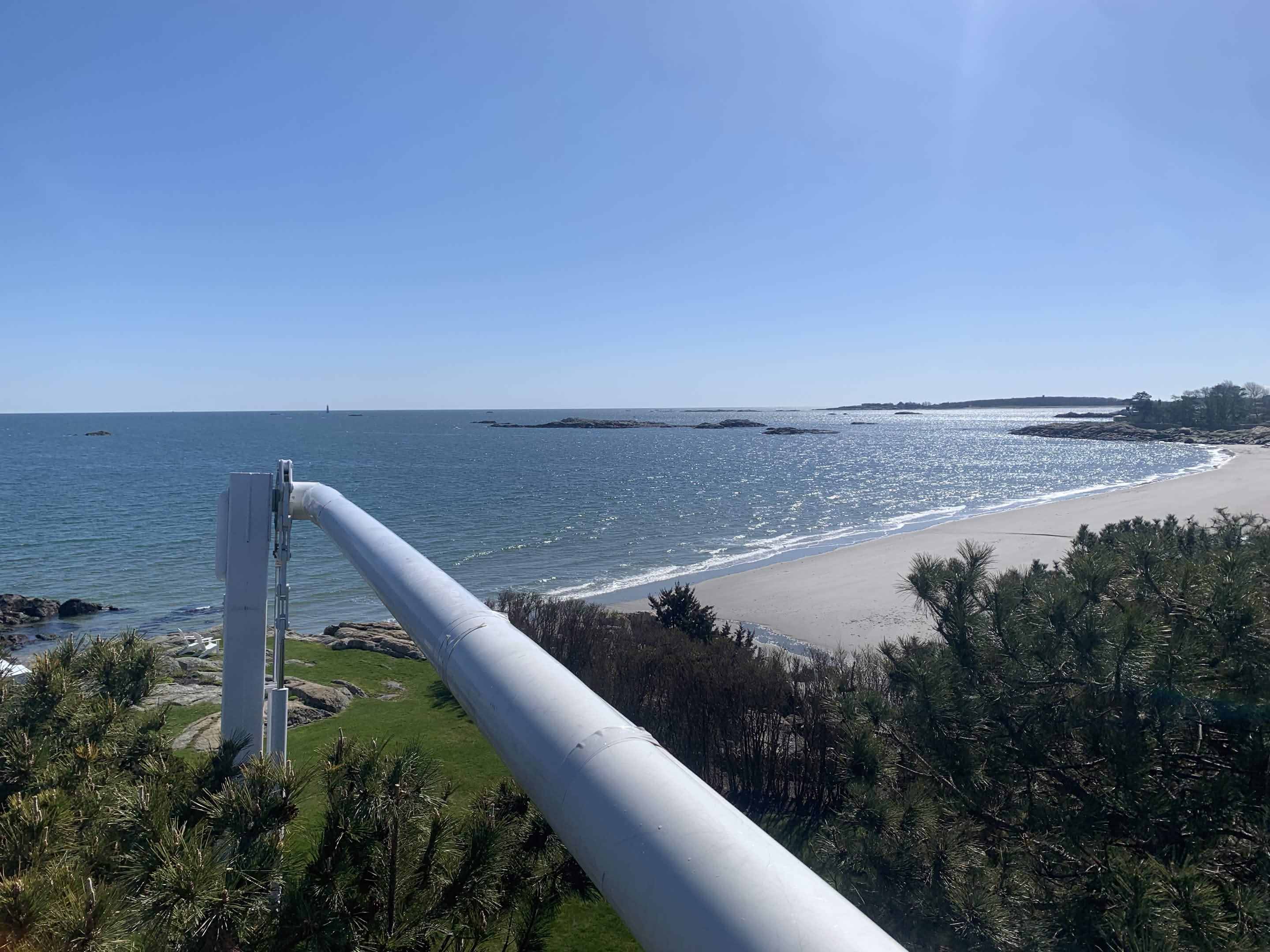
If you own property in Yarmouth, Massachusetts, particularly along the bayside or Bass River waterfront, overgrown trees often block your prized ocean, harbor, or marsh views. Vista pruning in Yarmouth MA restores these sightlines while maintaining tree health, using precise techniques like windowing and crown thinning. As ISA Certified Arborists from Southeast Arborist, LLC—based in Plymouth and Cohasset—we specialize in this service across South Shore Massachusetts, including Barnstable County's mid-Cape tourist corridor.
Yarmouth's 24,000 residents enjoy a mix of historic preservation and commercial development, from Yarmouth Port's Captain Bangs Hallet House to Route 28's bustling strip. Your pitch pines, scrub oaks, black oaks, white oaks, eastern red cedars, black cherries, sassafras, American hollies, red maples, and honey locusts face unique pressures: winter moth defoliation weakens oak canopies, tidal erosion undermines Bass River trees, and overcrowded pine stands crowd interior neighborhoods like Bayberry Hills. Aging landscape trees from the mid-20th-century tourism boom along Route 28 now demand careful intervention to avoid safety hazards or total removal.
Vista pruning Yarmouth MA differs from standard trimming by targeting specific branches that obstruct views without compromising structural integrity. We follow ANSI A300 standards, ensuring every cut promotes healing and longevity. For waterfront homes in Bass Hole Area, this means selectively removing limbs from red maples leaning over tidal zones, opening panoramas to the salt marsh transition. In Yarmouth Port's historic district, we preserve 18th- and 19th-century ornamental plantings, including rare imported species, through gentle crown reduction.
Homeowners in South Yarmouth, West Yarmouth, and Bass River call us for vista pruning to enhance property values—clear views can increase resale appeal by 10-20% in coastal markets. Our safety protocols include rope-access rigging for tall pitch pines and bucket trucks for Route 28 commercial lots, minimizing risks in Yarmouth's sandy, well-drained soils prone to drought stress. Late winter or early spring timing aligns with the Cape's mild maritime climate, reducing disease risk as trees seal wounds before bud break.
Consider a typical Yarmouth Port client: a black oak canopy infested by winter moth had obscured the Bass River view. Our windowing technique removed targeted branches, thinning the crown by 25% while retaining form. The result? Unobstructed sightlines, healthier tree vigor, and compliance with local zoning that protects historic trees. Southeast Arborist delivers this expertise with 508-369-5009 ready for your consultation.
This article details why your Yarmouth trees need vista pruning, our exact process, neighborhood-specific projects, costs, timing, and FAQs. Whether you're in Bayberry Hills dealing with sassafras overgrowth or West Yarmouth safeguarding honey locusts near power lines, professional vista pruning Yarmouth MA from ISA Certified Arborists ensures safety, aesthetics, and value.
Why Yarmouth Properties Need Vista Pruning
Yarmouth's coastal ecology and development patterns create ideal conditions for vista pruning needs. Sandy, nutrient-poor soils in Barnstable County support resilient species like pitch pine and scrub oak, but these same trees block views when left unchecked. Your property in the mid-Cape tourist corridor faces winter moth defoliation, which weakens black oak and white oak canopies by stripping leaves in late fall, reducing photosynthetic capacity and inviting secondary pests.
Tidal erosion around Bass River properties exacerbates issues for eastern red cedar and red maple roots exposed by shifting sands. In Bass Hole Area, the upland oak forest transitions to salt marsh, where black cherry and sassafras limbs extend over boardwalks, obstructing scenic paths. Overcrowded pine stands in interior neighborhoods like Bayberry Hills compete for light, leading to weak, leaning pitch pines that threaten homes during nor'easters common in Yarmouth's maritime climate.
Route 28's commercial corridor, developed during the 1950s-1970s tourism boom, planted honey locust and American holly for shade in parking lots. Now aging, these trees suffer decline from road salt, compacted soil, and mechanical damage, dropping branches onto sidewalks. Vista pruning Yarmouth MA addresses this by thinning crowns to restore visibility for businesses while preventing liability claims.
Historic Yarmouth Port preserves Cape Cod's finest 18th- and 19th-century tree plantings around Captain Bangs Hallet House. Imported ornamentals—rare on the Cape—mix with native white oaks, but unchecked growth hides architectural details and bay views. Homeowners here request selective branch removal to frame the historic district without altering silhouettes.
Climate plays a key role: Yarmouth's average 45-inch annual rainfall and foggy summers foster fungal issues in dense canopies, while winter winds up to 50 mph stress structural roots in shallow soils. Practical advice for your trees: inspect oaks for winter moth webs in November; if defoliation exceeds 50%, schedule pruning before spring. For pitch pines in West Yarmouth, remove dead lower branches annually to prevent fire ladders, a risk in dry pine litter.
Waterfront properties in South Yarmouth and Bass River deal with tidal surges undermining American holly and black oak bases. Eroded roots cause leaning, blocking harbor views—pruning corrects weight distribution. In Bayberry Hills, sassafras and honey locust invade yards, shading gardens; thinning opens sunlight without full removal.
Zoning in Yarmouth requires permits for trees over 12 inches diameter in historic zones—our ANSI A300 compliance ensures approval. Unpruned trees risk storm failure: a 2023 nor'easter toppled unmaintained red cedars in Bass Hole, costing thousands in cleanup. Vista pruning preserves health, as over-thinning stresses trees in Yarmouth's Zone 7a hardiness, dropping vigor by 30%.
Compare to nearby Dennis and Barnstable: Yarmouth's denser development amplifies view obstructions. Your investment pays off—studies show coastal views boost property values 15% in Cape towns. Spot urgency signs: branches rubbing roofs, deadwood over views, or canopies blocking 70% of sightlines. Call Southeast Arborist at 508-369-5009 for assessment tailored to Yarmouth's species and soils.
Our Vista Pruning Process in Yarmouth
Southeast Arborist's vista pruning process in Yarmouth MA follows a structured, ANSI A300-compliant protocol, leveraging ISA Certified Arborist expertise. We start with a free on-site consultation, assessing your pitch pine, scrub oak, or red maple against Yarmouth's coastal winds and sandy soils.
Step 1: Site Evaluation (30-60 minutes). Our team maps sightlines from your Bass River deck or Yarmouth Port window, using laser rangefinders to pinpoint obstructing branches. We evaluate tree health—checking winter moth damage on oaks, root exposure in tidal zones, or pine overcrowding in Bayberry Hills. Soil probes confirm drainage; Yarmouth's glacial sands retain little moisture, stressing honey locust.
Step 2: Risk Assessment. We score hazards per ISA standards: deadwood in black oaks scores high if over views. Safety protocols include perimeter barriers for Route 28 jobs and traffic control for West Yarmouth streets. For tall eastern red cedars, we deploy drone imagery to model crown reduction.
Step 3: Pruning Plan Development. Tailored to your needs—windowing for precise view corridors (e.g., framing Bass Hole boardwalk), crown thinning for panoramas (removing 15-25% live branches), or selective removal for eroded sassafras. We diagram cuts in 3D software, preserving 70% canopy to avoid sunscald in Yarmouth's intense summer light.
Step 4: Equipment Mobilization. Bucket trucks access South Yarmouth parking lot honey locusts; rope-and-saddle rigging handles Yarmouth Port historic white oaks without spikes. Chainsaws meet OSHA standards; low-vibration models reduce stress on American holly. Chippers process debris on-site, complying with Barnstable County mulch regulations.
Step 5: Execution. Late winter timing (February-March) minimizes sap flow. First, remove deadwood and rubbing branches. For vista pruning Yarmouth MA, apply windowing: collar cuts on target limbs from black cherry blocking harbors. Crown reduction shortens leaders on pitch pines by 20%, using drop-crotch method to retain natural form. Thinning opens 30% density, improving wind flow in nor'easter-prone areas.
Step 6: Quality Checks. Mid-job, we verify sightlines with client walkthroughs. Post-cut, apply wound dressings only if fungal risk high (rare in dry Yarmouth soils). Cleanup leaves zero debris, with chips available for your landscaping.
Step 7: Follow-Up. One-month inspection monitors healing; Yarmouth oaks seal cuts in 4-6 weeks. We provide a report with photos, certifying ANSI compliance.
Practical tips: Water newly pruned red maples deeply post-job to combat drought. Avoid DIY—improper cuts on scrub oaks invite oak wilt. Our process enhances property value: a Bass River client regained 180-degree marsh views, increasing curb appeal.
Safety first: all crews wear PPE, with first-aid certified leads. For commercial Route 28, we coordinate off-hours to avoid peak traffic. This methodical approach ensures your trees thrive amid Yarmouth's tidal and tourist pressures. Schedule with Southeast Arborist at 508-369-5009.
Common Vista Pruning Projects in Yarmouth Neighborhoods
Yarmouth neighborhoods present distinct vista pruning Yarmouth MA opportunities, tied to local ecology and land use.
In Yarmouth Port, historic homes around Captain Bangs Hallet House feature ornamental white oaks and imported hollies. Projects focus on crown cleaning: removing winter moth-weakened branches to reveal bay views while preserving 19th-century silhouettes. A recent job thinned a black oak canopy by 20%, framing the district without historic board alterations.
South Yarmouth waterfronts along Bass River require erosion-response pruning. Red maples and eastern red cedars undermined by tides lean over docks—selective limb removal balances weight, opening harbor panoramas. We windowed a sassafras stand, removing 15% branches to expose 200 feet of water views.
West Yarmouth's Route 28 commercial strips demand parking lot safety pruning. Aging honey locusts drop debris; we thin crowns and elevate limbs to 14 feet clearance, restoring signage visibility. One plaza project addressed pitch pine overcrowding, preventing fire risks in dry litter.
Bass River properties blend residential and tidal challenges. Black cherry and scrub oak block marsh sightlines—crown reduction creates vistas while stabilizing eroded roots. A client gained unobstructed views to Dennis town line post-thinning.
Bayberry Hills interiors fight pine dominance. Overcrowded pitch pines shade yards; structural pruning removes codominant stems, improving light penetration for understory American holly. This protects homes from storm snap.
Bass Hole Area boardwalks transition oak forest to salt marsh. Black oaks extend over paths—windowing opens ecological views, complying with conservation rules. We pruned a cluster, enhancing public access without marsh impact.
Across neighborhoods, projects follow Yarmouth's tree ordinance: no more than 25% removal per session. Practical advice: in Bass River, stake pruned red maples against tides; in Yarmouth Port, mulch oak chips to enrich sandy soils.
Southeast Arborist's ISA arborists handle these with precision, boosting values in tourist-heavy areas. From West Yarmouth lots to Bass Hole paths, contact 508-369-5009 for your project.
Vista Pruning Costs in Yarmouth, MA
Vista pruning costs in Yarmouth MA range from $500-$5,000 per tree, depending on factors like species, size, and access. A 40-foot pitch pine in Bayberry Hills with moderate windowing costs $1,200; a Route 28 honey locust crown thinning adds $800 for traffic control.
Key pricing factors: Tree diameter at breast height (DBH)—under 12 inches: $300-600; 24-36 inches (common for Yarmouth oaks): $1,500-3,000. Height and location: Bass River waterfronts incur 20% premium for tidal rigging; Yarmouth Port historic trees add permitting fees ($100-200).
Technique impacts: Windowing (precise cuts): $40-60/hour; full crown reduction: $50-70/hour. Crew time: 4-8 hours for South Yarmouth red maples. Equipment: bucket truck $300/day; drone assessment $150.
Yarmouth-specifics: Winter moth-infested black oaks require extra deadwood removal (+15%); eroded Bass Hole cedars need root inspection (+$200). Commercial Route 28 jobs bundle multiple trees, dropping per-unit to $400.
Value proposition: Pruning prevents $10,000+ removal costs—pitch pines fail at 30% canopy loss. Views enhance resale: Barnstable County data shows 12% premium for waterfront panoramas. Tax savings via historic credits in Yarmouth Port.
Our transparent quotes: free estimates include DBH measurement, sightline mapping. No hidden fees; ANSI compliance included. Compare: DIY risks $2,000 fines for ordinance violations; competitors charge 20% more without ISA certification.
ROI example: West Yarmouth client spent $2,500 on scrub oak thinning, gained rental appeal yielding $15,000 annual boost. Practical budgeting: save 10% opting late winter; bundle neighborhoods for discounts.
Southeast Arborist delivers value—call 508-369-5009 for your Yarmouth quote.
When to Schedule Vista Pruning in Yarmouth
Schedule vista pruning Yarmouth MA in late winter/early spring (February-April), when Yarmouth's dormant trees heal fastest. Mild 40°F temps and low sap flow seal cuts before May bud break, minimizing pine pitch or oak vascular issues.
Avoid summer: humid 70-80°F fosters fungal entry in sassafras wounds. Fall risks winter moth spread on fresh cuts. Urgency signs: branches over Bass River views cracking in wind; 50%+ defoliation on Bayberry Hills oaks; leaning pitch pines post-erosion in Bass Hole.
Monitor nor'easters—prune pre-season if deadwood exceeds 10%. Yarmouth's Zone 7a freezes ground, stabilizing access. Practical: book by January for Route 28 slots; waterfronts first for tide windows.
Delays cost: unpruned red maples snap, blocking South Yarmouth streets. Contact 508-369-5009 now.
Frequently Asked Questions About Vista Pruning in Yarmouth
**What is vista pruning in Yarmouth MA?** Vista pruning selectively removes branches to restore ocean, harbor, or marsh views while preserving tree health. In Yarmouth Port, it windows black oaks for historic bay sightlines; in Bass River, it thins red maples eroded by tides.
**How does Southeast Arborist ensure tree health during Yarmouth vista pruning?** We limit removal to 25% per ANSI A300, using drop-crotch cuts on pitch pines. ISA Certified Arborists assess winter moth stress on oaks, applying techniques suited to sandy soils.
**Is vista pruning safe for Yarmouth's historic trees?** Yes, we secure permits for Yarmouth Port ornamentals around Captain Bangs Hallet House, preserving form with selective thinning on American holly and white oaks.
**How much does vista pruning cost for a Bass Hole Area property?** $800-2,500 for 30-foot eastern red cedars, factoring tidal access. Quotes are free—call 508-369-5009.
**When is the best time for vista pruning in West Yarmouth?** Late winter, before Route 28 tourist rush. Avoids heat stress on honey locusts.
**Will vista pruning increase my Yarmouth property value?** Absolutely—clear Bass River views add 10-15% resale value per county comps.
**Can I DIY vista pruning on my South Yarmouth scrub oaks?** No—improper cuts invite disease; our pros use rigging for safety.
**Do you serve nearby Dennis and Barnstable?** Yes, from Plymouth base, covering South Shore including Yarmouth neighborhoods.
Vista Pruning Throughout Yarmouth
Southeast Arborist provides vista pruning across Yarmouth neighborhoods: Yarmouth Port historic districts, South Yarmouth waterfronts, West Yarmouth commercial, Bass River tides, Bayberry Hills pines, Bass Hole ecology. Extending to Dennis and Barnstable.
Our Plymouth/Cohasset base ensures rapid South Shore response. ISA Certified, ANSI-compliant service preserves your pitch pines to honey locusts.
Ready to restore views? Call 508-369-5009 for Yarmouth MA vista pruning.