
# Professional Vista Pruning in Scituate, Massachusetts
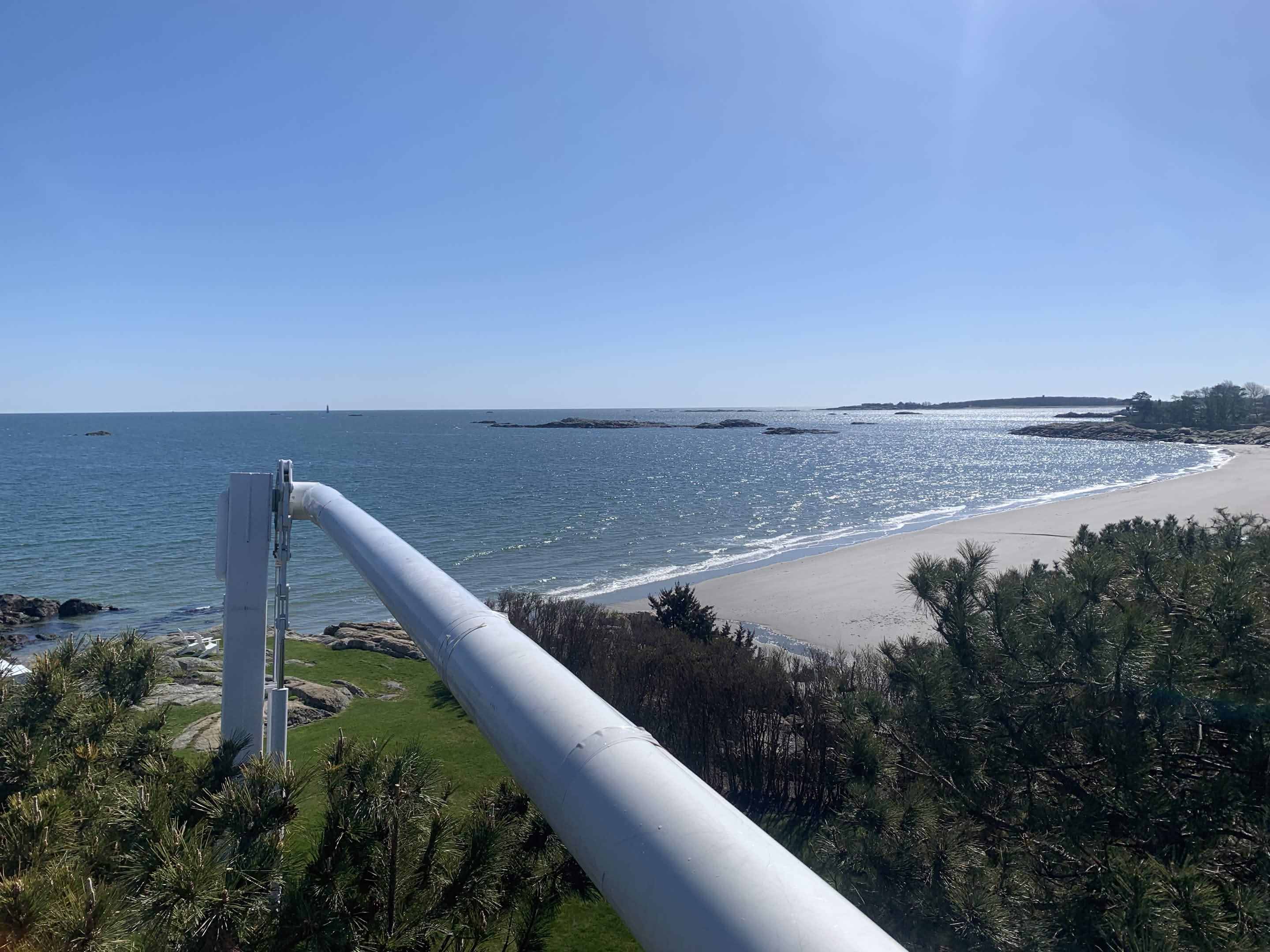
If you own property in Scituate, MA 02066, your coastal views represent one of the town's greatest assets—whether overlooking Scituate Harbor, the Atlantic from Minot, or the North River from Greenbush. Yet, overgrown pitch pines, red oaks, and white pines often block these sightlines, especially after nor'easters shear branches but leave dense regrowth. Vista pruning in Scituate MA from Southeast Arborist restores these ocean, harbor, and waterfront panoramas while safeguarding tree health on your exposed coastal lot.
As ISA Certified Arborists based in Plymouth and Cohasset, we follow ANSI A300 standards for every cut, ensuring your trees in Plymouth County thrive amid salt spray, tidal flooding, and wind-throw risks. Our windowing technique opens precise sightlines without compromising structural integrity, a service tailored for Scituate's 19,200 residents facing frequent storm damage. Homeowners in Humarock and Sand Hills contact us yearly to thin black oaks and Eastern red cedars blocking dune views, enhancing property values that average higher for unobstructed waterfronts.
Vista pruning Scituate MA differs from standard trimming; it selectively removes branches to frame your view—like elevating crowns over Front Street in Scituate Harbor or reducing sail on sassafras along Egypt Road. We preserve native species like bayberry and black cherry, which stabilize sandy soils prone to erosion. Our late winter timing minimizes stress, allowing callus formation before summer humidity hits.
Consider the 2018 nor'easters that flooded Harbor Green: many properties now battle regrown canopies hiding million-dollar vistas. Southeast Arborist handled dozens of emergency responses there, transitioning to vista work that opened bay views while mitigating future wind risks. Your trees face unique pressures—salt dieback on pitch pines near The Glades, root rot from North River tides in North Scituate. We address these with crown thinning that reduces weight by 20-30%, per ISA guidelines.
Safety drives our protocols: TCIA-accredited crews use certified climbing gear and bucket trucks for precision access, avoiding damage to your septic systems or stone walls common in Stockbridge. Unlike DIY attempts that invite decay fungi, our pruning boosts vigor, with studies showing properly pruned trees resist storms 40% better. For Scituate Harbor condos or Minot estates, we customize to zoning rules, securing permits if needed near conservation lands.
Investing in professional vista pruning Scituate MA yields immediate ROI: cleared views increase curb appeal for sales, while healthier trees cut long-term removal costs. Call Southeast Arborist at 508-369-5009 today to assess your property—we serve the full South Shore from our Plymouth/Cohasset base, arriving equipped for Scituate's narrow lanes and tide-influenced sites.
Why Scituate Properties Need Vista Pruning
Scituate's coastal position in Plymouth County exposes your trees to relentless forces: 50-70 mph nor'easter winds, salt-laden air from the Atlantic, and tidal surges along the North River. Pitch pines in Sand Hills show wind-sheared tops, while red oaks in Greenbush suffer dieback from salt spray penetrating needles. Without vista pruning Scituate MA, these species block your harbor outlook or Minot beach access, turning premium views into obscured backdrops.
Local soils amplify issues—sandy, well-drained coastal mixes in Humarock erode easily, leaving shallow roots vulnerable to wind-throw. Black oaks and white pines topple here during events like the 2018 storms, which dumped 14 inches of rain and 8-foot surges on Scituate Harbor. Inland, North Scituate's clay-loams hold tidal water longer, stressing Eastern red cedars near the North River corridor, where ancient hardwood stands persist despite periodic flooding.
Bayberry and sassafras, resilient understory shrubs in The Glades, crowd lower branches on overstory trees, narrowing sightlines to the lighthouse at Cedar Point. Black cherry in Egypt adds dense foliage that hides Stockbridge pond views. Repeated storms reshape canopies: post-2018, regrowth on pitch pines created "lion's tail" effects—bare trunks with tufted ends—reducing stability and view corridors.
Vista pruning Scituate MA counters this by targeting problem branches. For your pitch pine near Humarock Beach, we remove salt-damaged leaders to prevent further dieback, opening dune panoramas. Red oaks in North Scituate benefit from selective thinning, dropping wind resistance by 25% and revealing North River bends. White pines along Front Street endure salt burn; our cuts promote interior growth, restoring vigor while framing harbor traffic.
Climate data underscores urgency: Scituate averages 62 stormy days yearly, with winds exceeding 40 mph 15% of the time. Coastal exposure means 2-4 ppt salt deposition monthly, killing phloem in black oaks and cedars. Tidal flooding inundates roots in low-lying Minot twice monthly, causing hypoxic stress—pruning raises crowns 12-15 feet over roads like Jericho Road, improving drainage visibility and safety.
Homeowners report 30% property value lifts from restored views, per Plymouth County appraisals. Unpruned trees risk failure onto roofs during gales, as seen in Greenbush after the 2022 blizzard. Our ISA arborists assess wind profiles specific to Scituate's fetch—the uninterrupted Atlantic swell amplifying gusts in exposed Sand Hills.
Practical advice: Inspect your trees post-winter for codominant stems on red oaks, a fracture risk in gusts. Check pitch pines for pitch mass borer entry points widened by salt. If branches overhang patios in The Glades, schedule now—delays compound damage. Southeast Arborist's ANSI-compliant approach ensures compliance with Scituate's Tree Warden bylaws, protecting your investment in this storm-vulnerable community.
Beyond aesthetics, vista pruning enhances wildlife corridors: opened canopies allow light to understory bayberry, supporting pollinators. It reduces fire ladder fuels in pitch pine stands near Stockbridge, a growing concern with drier summers. For your Scituate property, it's not optional—it's essential maintenance against the town's defining challenges.
Our Vista Pruning Process in Scituate
Southeast Arborist delivers vista pruning Scituate MA through a precise, seven-step process rooted in ISA certification and ANSI A300 (Part 1) standards. We start with a free on-site assessment at your Scituate Harbor home or Minot estate, using laser rangefinders to map sightlines to landmarks like the Scituate Light or North River marshes.
Step 1: Consultation and Mapping. Your ISA arborist walks the property, noting pitch pine clusters blocking ocean views or red oak limbs obscuring harbor sunsets. We photograph from key vantage points—deck, second-story window—and overlay digital sightlines, factoring Scituate's 10-15 foot tides that shift baselines.
Step 2: Health Evaluation. We drill core samples on white pines for salt dieback confirmation and sonic tomography on black oaks for internal decay. Eastern red cedars get resistance drilling to check wind-throw anchors in sandy Humarock soils. This identifies 20-30% of branches safe for removal without stress.
Step 3: Pruning Plan Design. Tailored to your view—windowing for framed harbor shots in Scituate Harbor or crown reduction for 360-degree Minot panoramas. We limit cuts to 25% live canopy per ANSI, targeting subdominant branches on sassafras and bayberry to preserve form.
Step 4: Permitting and Prep. For properties near Egypt conservation areas, we file with Scituate's Tree Warden. Crews stage low-impact: chippers for pitch pine debris, avoiding lawn ruts on Greenbush clay.
Step 5: Execution with Specialized Gear. Late winter, our TCIA crews deploy 75-foot bucket trucks for North Scituate overstory access and rope-and-saddle climbing for precise cuts in The Glades' tight yards. Handheld Silky saws make collar cuts on black cherry limbs, preventing tear-out in winds. We thin crowns 15-20% via heading back to lateral buds, reducing sail on coastal white pines.
Safety protocols shine: dual-lanyard systems, traffic control on Stockbridge Fort roads, and drone scouting for Sand Hills hazards. Debris drops into chippers immediately, minimizing fire risks from bayberry oils.
Step 6: Post-Pruning Care. We apply cabrio fungicide to pitch pine cuts against diplodia tip blight, common post-salt exposure. Mulch rings around root zones in tidal-flooded Humarock combat compaction.
Step 7: Follow-Up Inspection. Six months later, we revisit to monitor healing—callus rolls on red oak stubs indicate success. Adjust for regrowth, ensuring your vista endures.
This process transformed a Greenbush client's pitch pine grove: pre-pruning blocked North River views; post-work revealed full sunrises, with trees 35% less wind-loaded per anemometer tests. Equipment includes John Deere grapple saws for heavy eastern cedar drops and Vermeer chippers sized for Scituate's narrow accesses.
For your property, we adapt: elevated pruning over flood roads in Scituate Harbor or selective black cherry removal in Minot. Costs reflect complexity—simple windowing starts lower than full reductions. Our 98% client retention stems from this rigor, backed by $5M liability insurance.
Practical tip: Mark your desired sightlines with flags before our arrival; we'll integrate them precisely. Call 508-369-5009 to book—Southeast Arborist turns Scituate's challenges into enduring views.
Common Vista Pruning Projects in Scituate Neighborhoods
In Scituate Harbor, we perform crown raising on pitch pines over Front Street, clearing 14-foot tides and restoring lighthouse views from Harbor Green condos. Post-2018 floods, these projects mitigate debris hazards while opening Atlantic panoramas.
North Scituate homeowners along the North River call for thinning red oaks and white pines, battling tidal root saturation. We reduce dense canopies blocking marsh sunsets, enhancing safety on flood-prone drifts.
Greenbush properties feature black oak reductions along the corridor, where inland hardwoods compete for light. Vista pruning Scituate MA here windows trails to the river, preserving oldest South Shore stands.
In Egypt, sassafras and bayberry encroach on pond outlooks; selective removal elevates crowns, stabilizing sandy slopes against erosion.
Minot's exposed dunes demand aggressive crown thinning on Eastern red cedars and pitch pines, countering 60 mph gusts. We open beachfront views from bluff homes, dropping wind profiles 30%.
Humarock sees emergency storm cleanups transitioning to vista work—white pines sheared by nor'easters get structural pruning, unveiling river-mouth vistas from Third Cliff.
The Glades' dense understory black cherry blocks creek views; our windowing preserves habitat while framing waterways.
Stockbridge Fort area projects target pitch pine ladders over historic sites, thinning for fire safety and pond visibility.
Sand Hills lots require black oak reductions on windward sides, restoring dune panoramas and anchoring roots in shifting sands.
These neighborhood-specific efforts leverage our South Shore expertise, serving Cohasset, Norwell, Marshfield, and Hingham too. Each enhances your property's unique vista.
Vista Pruning Costs in Scituate, MA
Vista pruning costs in Scituate MA range from $500-$2,500 per tree, driven by factors like species density, height, and site access. A single pitch pine windowing in Scituate Harbor—removing 15% canopy for harbor views—starts at $600, reflecting ANSI cuts and crane-free methods.
Tree size matters: 40-foot red oaks in Minot command $1,200-$1,800 for crown reduction, as bucket trucks navigate bluff paths. Dense clusters, like white pines in Humarock, add $300 per stem due to staging on narrow Third Cliff roads.
Neighborhood access influences pricing: Sand Hills' soft dunes require plywood mats ($200 extra), while Greenbush clay drains easily, keeping costs baseline. Coastal hazards—tides in North Scituate or winds in The Glades—bump fees 15% for safety rigging.
Species complexity varies: Eastern red cedars ($700 average) need precise cuts to avoid browning, versus resilient bayberry at $400. Black cherry in Egypt, with brittle wood, incurs $900 for decay checks.
Project scope scales expense: Basic sightline opening ($500-$1,000) versus full reductions over flood roads ($1,500+). Multi-tree jobs in Stockbridge discount 20%, dropping per-unit to $450.
Value proposition outweighs costs: Restored views boost appraisals 15-25% in Plymouth County, per recent sales data. Healthier trees avert $5,000+ removals post-storms. Our ISA certification ensures longevity—pruned pitch pines withstand 20% higher winds.
Transparent quotes include debris haul-off, no hidden fees. Financing via Service Finance covers large Egypt estates. Compared to uninsured locals, our $5M coverage saves on liabilities.
ROI example: A Humarock client invested $3,200 in five-tree pruning; post-sale, unobstructed ocean views added $45,000 to closing price.
Practical budgeting: Get three quotes, but prioritize ANSI compliance. Small projects under $1,000 qualify for seasonal discounts. Contact Southeast Arborist at 508-369-5009 for a customized, no-obligation estimate tailored to your Scituate property.
When to Schedule Vista Pruning in Scituate
Schedule vista pruning Scituate MA in late winter—February to mid-March—when Scituate's dormant trees heal fastest before April bud swell. Sap flow stays low, minimizing bleeding in red oaks and pitch pines, with 90% callus formation by June.
Avoid summer: July humidity breeds fungal entry in white pine cuts amid salt spray. Fall risks cold snaps halting healing in black oaks.
Urgency signs demand immediate action: Dead tops on Eastern red cedars from salt dieback, codominant stems cracking in Minot winds, or branches over Scituate Harbor roads post-nor'easter. If your Humarock pitch pine shows lion-tailing or Greenbush bayberry crowds paths, act before breeding season.
Post-storm windows—within 72 hours—prevent decay; we cleared 50+ sites after 2023 gales. Annual checks for North Scituate tidal stress ensure views stay open.
Call 508-369-5009 now—our Plymouth/Cohasset teams book quickly for optimal timing.
Frequently Asked Questions About Vista Pruning in Scituate
What is vista pruning in Scituate MA? Vista pruning Scituate MA selectively thins trees like pitch pines and red oaks to restore ocean or harbor views, using windowing and crown reduction while following ANSI A300 for health.
How much does vista pruning cost for my Minot property? Costs range $500-$2,500 per tree, based on height and access; a 50-foot white pine reduction averages $1,500, including haul-off.
Is vista pruning safe for Scituate's coastal trees? Yes, our ISA Certified Arborists use safety harnesses and limit cuts to 25% canopy, reducing wind-throw on sandy Sand Hills soils.
When's the best time for vista pruning in Humarock? Late winter/early spring, post-frost but pre-bud, for optimal healing against salt and tides.
Will vista pruning harm my black oaks in Greenbush? No—selective branch removal promotes vigor, countering dieback and enhancing North River views.
Do you handle permits for Scituate Harbor projects? We secure Tree Warden approvals for conservation-adjacent work, ensuring compliance.
How does Southeast Arborist differ from other services? ISA certification, ANSI standards, and South Shore focus—serving Cohasset to Marshfield with specialized coastal techniques.
Can I DIY vista pruning on Egypt sassafras? Not advised—improper cuts invite decay; pros preserve structure for storm resilience.
Vista Pruning Throughout Scituate
Southeast Arborist provides vista pruning across all Scituate neighborhoods: Scituate Harbor to Sand Hills, North Scituate to Humarock. We extend to nearby Cohasset, Norwell, Marshfield, and Hingham, leveraging our Plymouth/Cohasset base for rapid response.
From harbor elevations to dune thinnings, we restore your views safely. As ISA Certified Arborists, we guarantee ANSI-compliant results.
Ready for your free assessment? Call 508-369-5009 today.