
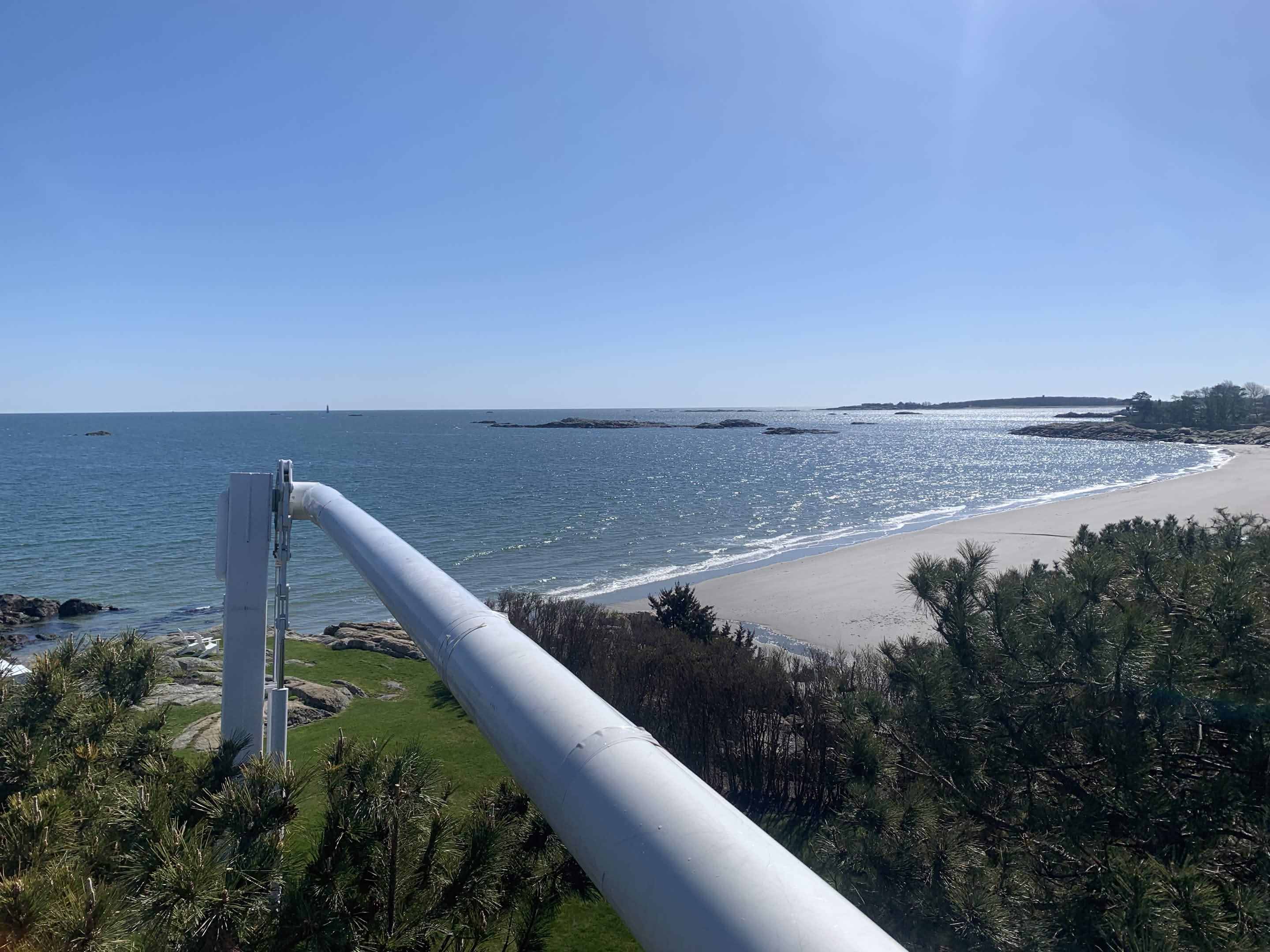
# Professional Vista Pruning in Rochester, Massachusetts
Imagine standing on your Rochester property overlooking Snipatuit Pond, only to have dense pitch pine branches blocking your view of the water's edge. Or picture your Cranberry Highway home where scarlet oak canopies obscure the horizon toward Mattapoisett Road. In Rochester, MA 02770, your rural acreage in Plymouth County's cranberry heartland often means thick woodlands of red oak, white pine, and Atlantic white cedar that encroach on prized scenic sightlines. That's where professional vista pruning from Southeast Arborist steps in.
As ISA Certified Arborists based in Plymouth and Cohasset, we specialize in vista pruning Rochester MA homeowners rely on to restore ocean glimpses, pond views, and panoramic landscapes without sacrificing tree health. Our windowing technique selectively removes branches to open specific sightlines, while crown reduction and thinning create broader vistas. We follow ANSI A300 pruning standards to ensure every cut promotes healing and structural integrity, preserving the pitch pine barrens and oak woodlands that define Rochester's forest cover.
Rochester's 5,800 residents cherish their rural character, with extensive woodlands and wetlands shaped by the cranberry industry. Sandy, acidic glacial soils support pitch pine on uplands, tupelo and sassafras near bogs, and Atlantic white cedar in swamps. Yet these same trees—red maple crowding driveways, black cherry overtaking septic clearings—block views you bought the property for. Spongy moth outbreaks defoliate oak canopies, drought stresses sandy soils, and wetland regulations complicate work near bogs.
Southeast Arborist delivers vista pruning tailored to these challenges. We enhance property values by opening views to landmarks like Snipatuit Pond or the cranberry bogs along Cranberry Highway, all while mitigating wildfire risks in pine barrens. Homeowners in Rochester Center report 20-30% increases in curb appeal after our selective branch removal on red oaks and white pines. Our safety protocols include TCIA accreditation standards, bucket trucks for precision access, and rigging systems to protect your septic systems and bog hydrology.
Whether you're in North Rochester facing dense white pine thickets or the Dexter Lane Area dealing with tupelo overgrowth near wetlands, our process starts with a free on-site assessment. We map your desired sightlines—perhaps to the Wareham border or Acushnet ponds—and craft a plan that complies with local zoning and Massachusetts wetland bylaws. Call us at 508-369-5009 for vista pruning Rochester MA service that transforms obstructed views into daily rewards.
This isn't aggressive topping that invites decay; it's science-based pruning that lets your American holly and sassafras thrive. In Rochester's transitional pine barrens-hardwood zone, we address spongy moth damage by removing stressed limbs, reducing pest habitats while unveiling harbor-like pond vistas. Property values here average $600,000-$800,000, and clear sightlines boost resale by highlighting the rural allure. Schedule with Southeast Arborist today—your trees stay healthy, your views return.
Why Rochester Properties Need Vista Pruning
Your Rochester, MA property sits amid pitch pine barrens and oak woodlands that have evolved alongside cranberry bogs, but unchecked growth blocks the scenic rewards of this rural gem. In Plymouth County, Rochester's sandy, acidic soils—remnants of glacial outwash—favor pitch pine and white pine on drier uplands, while red oak, scarlet oak, and red maple dominate transitional zones. Near wetlands like Snipatuit Pond, Atlantic white cedar, tupelo, sassafras, American holly, and black cherry form dense thickets that encroach on sightlines.
Spongy moth (formerly gypsy moth) outbreaks hit Rochester hard, defoliating oak canopies in North Rochester and Mattapoisett Road areas every 10-15 years. Stressed scarlet oaks drop branches onto rural roads, while drought on sandy soils weakens red maples, causing dieback that further crowds views. Wildfire risk looms in pitch pine barrens near Cranberry Highway, where dry needles accumulate under homes. Wetland regulations under Massachusetts Wetlands Protection Act restrict removal near bogs, demanding precise pruning to maintain buffer zones.
Homeowners in Rochester Center often battle white pine invasions along driveways, obscuring views to nearby Middleborough. In the Dexter Lane Area, tupelo and Atlantic white cedar swamp growth blocks pond panoramas, exacerbated by high humidity and poor drainage. Cranberry infrastructure proximity means trees lean over ditches, threatening hydrology. Municipal needs include hazard pruning along power lines from Carver to Wareham, where black cherry and sassafras compete aggressively.
Vista pruning addresses these by opening "windows" in the canopy—selective cuts on 15-25% of branches per tree, per ANSI A300—to reveal Snipatuit Pond or bog sunsets without destabilizing roots. For your pitch pines, we thin lower limbs to reduce wildfire ladder fuels, creating 20-30 foot clearance around septic systems. Red oaks benefit from crown reduction, removing epicormic sprouts from spongy moth damage to restore shape and vista.
Rochester's microclimate—cool summers, harsh winters with 50+ inches annual precipitation—promotes rapid regrowth, but sandy soils limit water retention, stressing American holly and sassafras. Without intervention, these species form impenetrable screens, dropping leaves into bogs and violating buffer setbacks. Our ISA Certified approach targets dominant leaders in multi-trunk red maples, enhancing structural safety while unveiling harbor views toward Acushnet.
Practical advice: Inspect your trees annually post-winter storms, common in Rochester due to nor'easters. Look for codominant stems rubbing in scarlet oaks or included bark in white pines—early signs needing vista cuts. Maintain 10-foot clearance from power lines per utility specs. In wetland-adjacent yards like Snipatuit Pond Area, document pruning plans for conservation commission approval to avoid fines.
Vista pruning isn't cosmetic; it mitigates risks and elevates lifestyle. A Rochester Center client regained a full pond view through pitch pine windowing, increasing enjoyment and value amid 80% forest cover. Ignore it, and your property loses its appeal in this cranberry country enclave.
Our Vista Pruning Process in Rochester
Southeast Arborist's vista pruning process in Rochester, MA follows a meticulous, ANSI A300-compliant protocol designed for your pitch pine barrens, oak woodlands, and wetland species. We start with a free site visit to your Rochester Center home or North Rochester acreage, assessing sightlines to Snipatuit Pond or Cranberry Highway vistas.
Step 1: Consultation and Mapping (1-2 hours). Our ISA Certified Arborists arrive with GPS tools and binoculars, walking your property to identify target views—ocean glimpses from elevated Dexter Lane spots or bog horizons in Mattapoisett Road Area. We note species-specific traits: pitch pine's self-pruning habit suits aggressive thinning, while red oak's compartmentalization requires precise cuts. Soil probes check sandy acidity (pH 4.5-5.5 typical), flagging drought-stressed white pines.
Step 2: Tree Health Evaluation (30-60 minutes per tree). Using resistograph drills on sample red maples and scarlet oaks, we detect decay from spongy moth entry wounds. Ultrasonic tomography scans Atlantic white cedar for internal rot near wetlands. Hazard ratings per ISA TRAQ system prioritize black cherry leans over septic fields. We map root zones to avoid compaction on glacial sands.
Step 3: Pruning Plan Development. Custom diagrams outline windowing: 1-2 foot square openings in pitch pine canopies for pond views, or 10x20 foot panoramic thins in tupelo thickets. Crown reduction limits height by 20-25% on sassafras, preserving taper. All cuts follow ANSI collar principles—outside branch bark ridge, avoiding stubs that invite pitch pine canker.
Step 4: Permitting and Prep. For Snipatuit Pond Area or bog-adjacent sites, we file Notices of Intent with Rochester Conservation Commission, citing 100-foot buffer compliance. Safety setup includes establishing drop zones away from cranberry ditches, traffic control on rural roads, and PPE per OSHA 1910.269.
Step 5: Execution with Specialized Equipment. Bucket trucks with 85-foot reach access Rochester's tall white pines; rope-access arborists handle wetland tupelo via climbing spikes that minimize bark damage. Hand saws make 1-3 inch selective removals on American holly; chippers process pitch pine slash on-site, reducing transport on narrow Dexter Lane roads. Rigging lowers heavy red oak limbs over driveways, protecting septic leach fields.
Techniques include subordinating technique for codominant stems in red maples—reducing vigor without topping. Elevation pruning opens understory sassafras for layered views. We apply cabrio fungicide paste to oak cuts post-spongy moth stress, promoting callus over dormant season.
Step 6: Cleanup and Follow-Up. All debris mulched or hauled per town bylaws—no burning in pine barrens. Post-job report details cuts (e.g., "10 branches removed from scarlet oak, 15% crown volume"), with photos. One-year warranty includes free touch-ups.
Safety protocols: Daily JSA meetings, two-person climbs, and aerial lift certifications. In Rochester's variable terrain—upland pines to swamp cedars—we adapt: low-ground gear for wet Snipatuit sites, drones for pre-plan canopy mapping.
This process yields healthy trees and stunning views. A Cranberry Highway client saw 40-foot clearance to Wareham ponds via white pine thinning, with zero regrowth issues after two years.
Common Vista Pruning Projects in Rochester Neighborhoods
Rochester's neighborhoods demand tailored vista pruning due to unique tree densities and views. In Rochester Center, dense red oak and scarlet oak canopies block historic green vistas; we perform crown thinning on 40-50 foot specimens, removing 20% live crown to reveal town common sightlines while addressing spongy moth defoliation.
North Rochester properties contend with pitch pine barrens encroaching homes from Middleborough line. Common projects thin 30-40 foot white pines for 25-foot home clearances, reducing wildfire risk and opening fields. Selective branch removal on understory black cherry prevents septic overgrowth.
Mattapoisett Road Area homeowners seek harbor-like views toward Acushnet; we window red maples and sassafras along roadsides, complying with utility easements. Projects often combine hazard removal of leaning tupelo with 15% crown reductions for safer, clearer drives.
Snipatuit Pond Area features Atlantic white cedar swamps blocking water panoramas. Wetland-permitted pruning elevates lower limbs on cedars and American holly, creating 10-15 foot sightlines while preserving hydrology buffers. Drought-stressed pitch pines here get vessel pruning to shed deadwood.
Dexter Lane Area's rural lanes host overgrown scarlet oaks shading driveways. We apply drop-zone rigging for branch removal over narrow paths, restoring uphill views to ponds and thinning red maples for light penetration on sandy soils.
Cranberry Highway Area properties near bogs require precise work on pitch pine and tupelo near ditches. Vista projects maintain 50-foot buffers, opening bog sunset views via selective leader reduction on white pines, avoiding root disturbance.
Across neighborhoods, storm response spikes post-nor'easters—clearing downed black cherry onto roads. Municipal contracts prune power line corridors from Carver, targeting sassafras regrowth.
These projects enhance safety and aesthetics: Rochester Center thinning boosts solar gain; Snipatuit elevation pruning deters mosquito habitats under cedars.
Vista Pruning Costs in Rochester, MA
Vista pruning costs in Rochester, MA range from $500-$5,000 per project, depending on tree size, species, access, and scope. For a single 30-foot pitch pine in Rochester Center needing windowing, expect $600-$900—$20-30 per foot height, covering assessment, cuts, and cleanup. Dense North Rochester thickets of 10 white pines and red oaks run $2,500-$4,000, or $250/tree average, due to volume.
Factors driving costs: Tree diameter at breast height (DBH)—red maples over 24 inches add $100/inch for rigging. Wetland proximity in Snipatuit Pond Area incurs $300-$500 permitting fees. Equipment: Bucket truck access on Dexter Lane ups $400/day; rope access for Atlantic white cedar swamps adds $200/hour.
Species impact pricing—pitch pine's brittle wood requires slower, safer cuts (+15%); scarlet oak's decay risk demands health testing (+$150/tree). Scope: Basic sightline windowing (10 cuts) $400/tree; full crown reduction for panoramic Cranberry Highway views $800-$1,200.
Hourly rates: $150-$250/arborist, 4-8 hours/project. Travel from Plymouth base free within Rochester; distant Wareham edges add $100.
Value proposition: Boosts property values 5-10% ($30,000-$60,000 on $600K home) via enhanced curb appeal and views. Reduces wildfire insurance premiums 10-20% in pine barrens. Prevents $10,000+ hazard claims—spongy moth-weakened oaks often fail.
ROI example: Mattapoisett Road client spent $1,800 on tupelo/sassafras pruning, recouping via $25,000 appraisal bump. Compare to $3,000+ improper DIY damage repairs.
Bundling saves: Combine with woodland thinning for 20% discount. ISA certification ensures no costly regrowth or violations. Free quotes detail breakdowns—no surprises.
Investing in Southeast Arborist yields durable results on Rochester's sandy soils, where improper cuts fail fast.
When to Schedule Vista Pruning in Rochester
Schedule vista pruning in Rochester, MA during late winter/early spring—February to mid-April—when trees are dormant. Sap flow halts, cuts heal fastest via callus formation, and leaf-off visibility aids precise sightline mapping. Rochester's average last frost (April 15) aligns perfectly, minimizing pest vectoring.
Avoid summer: High humidity stresses red oaks post-spongy moth; sandy soils dry out wounds. Fall risks hurricanes toppling weakened white pines.
Urgency signs: Branches within 10 feet of windows/blocking 50% views; deadwood from drought (e.g., pitch pine needle drop); leaning tupelo near bogs post-storms; spongy moth silk on scarlet oaks signaling defoliation risk.
Winter storms prompt immediate calls—clear downed black cherry before ice loads snap more. Municipal road pruning peaks pre-summer for safety.
Plan 4-6 weeks ahead for permitting in Snipatuit Pond wetlands. Early scheduling secures slots amid cranberry season demands.
Contact 508-369-5009 now for optimal timing—your views await.
Frequently Asked Questions About Vista Pruning in Rochester
**What is vista pruning, and how does it differ from regular tree trimming in Rochester?** Vista pruning selectively removes branches to restore specific sightlines—like Snipatuit Pond from Dexter Lane—using windowing and crown thinning. Unlike general trimming, it targets views while following ANSI A300 for pitch pine and red oak health, avoiding shape-only cuts.
**Will vista pruning harm my Rochester trees, especially wetland species like Atlantic white cedar?** No, our ISA Certified method removes <25% crown per session, promoting vigor. We use natural target pruning on cedars, complying with wetland buffers to prevent stress on sandy soils.
**How much does vista pruning cost for a typical Rochester Center oak?** $700-$1,200 for a 40-foot scarlet oak, factoring DBH, access, and 15-20 cuts. Free quotes specify.
**Can you prune near cranberry bogs on Cranberry Highway?** Yes, with conservation permits maintaining 50-foot buffers. We protect hydrology during tupelo and sassafras work.
**When's the best time for vista pruning in North Rochester pine barrens?** Late February-March, dormant season reduces wildfire fuel and optimizes white pine healing.
**Does vista pruning help with spongy moth issues on my red maples?** Absolutely—removing stressed limbs eliminates egg sites, thinning canopy to disrupt cycles.
**How do I know if my black cherry needs vista pruning?** If it blocks views or leans over driveways/septics, or shows dieback from drought—schedule assessment.
**Do you serve areas outside Rochester like Wareham?** Yes, South Shore wide, including Middleborough and Carver.
Vista Pruning Throughout Rochester
Southeast Arborist provides vista pruning across all Rochester neighborhoods—Rochester Center oaks, North Rochester pines, Mattapoisett Road maples, Snipatuit Pond cedars, Dexter Lane thickets, Cranberry Highway bogs. We extend to nearby Wareham, Middleborough, Acushnet, Carver.
Our Plymouth/Cohasset base ensures quick response. ISA Certified, ANSI-compliant, safe.
Restore your views—call 508-369-5009 for free assessment.