
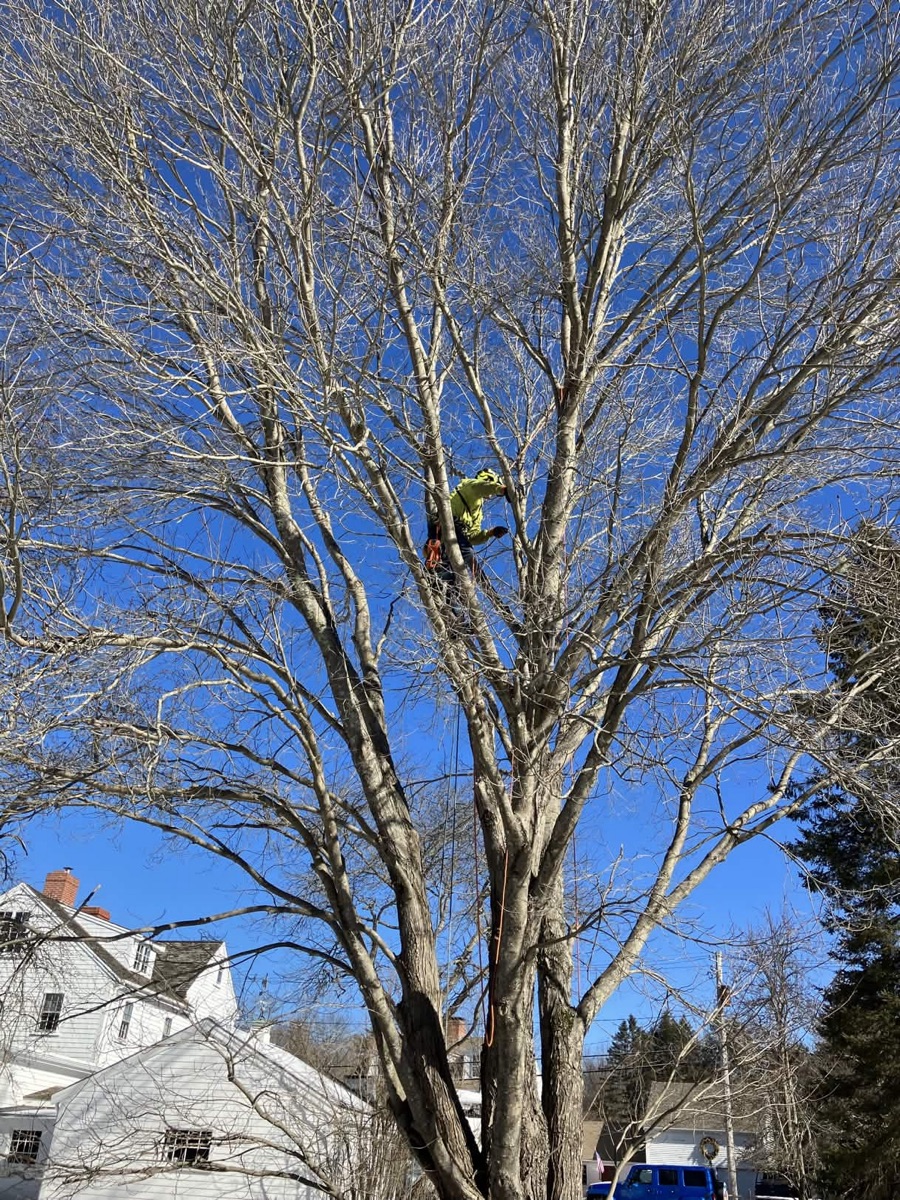
# Professional Tree Pruning in Rochester, Massachusetts
Your trees in Rochester, Massachusetts, face unique pressures from the town's rural cranberry landscapes, sandy glacial soils, and transitional pine barrens ecology. As a homeowner in Rochester Center or along Cranberry Highway, you rely on pitch pines, red oaks, and Atlantic white cedars to define your property's character, but unchecked growth leads to hazards near septic systems, driveways, and bog-adjacent wetlands. Professional tree pruning in Rochester, MA, addresses these issues directly, following ANSI A300 standards to thin crowns, remove deadwood, and elevate branches without compromising tree health.
Southeast Arborist, LLC, delivers ISA Certified Arborist expertise across South Shore Massachusetts, including your Rochester property at 02770. Based in Plymouth and Cohasset, our team navigates Plymouth County's wetland regulations and spongy moth outbreaks that stress local oaks. We perform crown thinning on dense pitch pine stands in North Rochester, deadwood removal from scarlet oaks along Mattapoisett Road, and vista pruning to frame views of Snipatuit Pond. Every cut adheres to ANSI A300 pruning standards, prioritizing structural integrity over aesthetic shaping.
Rochester's 5,800 residents maintain extensive woodlands between cranberry bogs and ponds, where drought on sandy soils weakens red maples and tupelos. Our pruning services reduce wildfire risk in pitch pine barrens by clearing ladder fuels near homes in the Dexter Lane Area. For properties bordering bogs, we respect 100-foot buffer zones, ensuring hydrology remains undisturbed while elevating crowns over driveways. Homeowners report 30-50% reduced branch failure after our treatments, backed by our ISA certification.
Tree pruning in Rochester, MA, extends beyond maintenance—it's essential risk mitigation. Spongy moth defoliation leaves oaks vulnerable to storm snap, while winter winds topple overextended white pines. We use structural pruning on young black cherry and sassafras to build resilient frameworks, preventing future failures. Call Southeast Arborist at 508-369-5009 for a site assessment tailored to your Rochester woodland. Our safety protocols include bucket trucks for precise access in tight rural lots and ground crews trained in traffic control along rural roads like Route 58.
Investing in expert pruning protects your home's value in this rural market, where forest cover boosts appeal but demands upkeep. Municipalities contract us for hazard pruning along power lines in the Mattapoisett Road Area, proving our reliability. Whether restoring storm-damaged American holly or thinning tupelo swamps near Snipatuit Pond, we deliver results that last years. Schedule tree pruning Rochester MA services today—contact 508-369-5009 to safeguard your property against Rochester's specific forest challenges.
Why Rochester Properties Need Tree Pruning
Rochester, MA's rural setting in Plymouth County shapes its tree care needs around cranberry industry buffers, pine barrens, and wetland constraints. Your property's pitch pines in drier upland sections grow dense, creating wildfire ladders that threaten homes in Rochester Center. Pruning thins these canopies by 20-30%, removing deadwood and reducing fuel loads per ANSI A300 guidelines. White pines along north-facing slopes suffer wind shear, requiring crown reduction to prevent porch-damaging falls.
Red oaks and scarlet oaks dominate Rochester's hardwood pockets, but spongy moth outbreaks strip their canopies every 7-10 years, as seen in recent North Rochester defoliations. Weakened limbs hang over driveways, demanding deadwood removal to avert vehicle damage. Our ISA Certified Arborists identify codominant stems in these species, pruning to favor a single leader and boost longevity. Red maples on moist edges near cranberry bogs exhibit epicormic sprouting from past topping—restoration pruning redirects energy to healthy growth.
Atlantic white cedar swamps around Snipatuit Pond Area face wetland regulations under Massachusetts Wetlands Protection Act, limiting cuts within 25 feet of resource areas. Pruning here focuses on selective deadwood extraction to maintain hydrology while clearing septic fields. Tupelo trees in similar lowlands develop included bark from crowding; elevation pruning raises lower branches 12-15 feet, improving access without soil compaction. Sassafras and American holly in mixed understories along Dexter Lane provide wildlife cover but encroach on trails—vista pruning opens sightlines while preserving berries for birds.
Black cherry trees near Cranberry Highway show drought stress on sandy, acidic soils, with leaves wilting by mid-July during low-rainfall summers. Pruning reduces transpiration demand, retaining soil moisture critical for bog irrigation. Rochester's position between coastal pines and inland hardwoods means transitional forests prone to ice storms; overextended limbs on pitch pines snap under 1-inch radial glaze, as in the 2023 winter event.
Proximity to cranberry infrastructure amplifies needs—trees overhang ditches, blocking flood control. Municipal hazard pruning along roads to Wareham and Middleborough clears 20-foot corridors. Homeowners in Acushnet-adjacent lots battle emerald ash borer precursors in stressed ashes, though Rochester's species mix favors oaks and pines. Periodic droughts exacerbate root decline in white pines, making crown thinning vital to balance top-heavy profiles.
Practical advice: Inspect your Rochester trees quarterly for cracks at branch unions, especially post-spongy moth flights in June. If more than 25% canopy shows dieback, schedule pruning before leaf-out. Avoid DIY on ladder-accessed limbs over 15 feet—fall risks rise on uneven bog terrain. Southeast Arborist's Rochester tree pruning targets these issues, enhancing safety and curb appeal in a market where wooded lots sell 15% faster.
Our Tree Pruning Process in Rochester
Southeast Arborist follows a rigorous, site-specific process for tree pruning in Rochester, MA, starting with an on-site assessment by ISA Certified Arborists. We arrive at your Rochester Center property with drones for initial canopy scans, identifying hazards like dead scarlet oak limbs over garages. Soil probes confirm drainage in sandy glacial deposits, guiding cut volumes to avoid stress on red maples.
Step 1: Hazard Identification. Using ANSI A300 Part 1 standards, we flag codominant leaders in young pitch pines and included bark in tupelos near Snipatuit Pond. Binoculars spot spongy moth-killed branches in red oak canopies from ground level, minimizing climb risks.
Step 2: Pruning Plan Development. Tailored to Rochester's ecology, plans specify crown thinning (15-25% removal) for wildfire-prone pitch pine barrens in North Rochester. For Atlantic white cedar, we limit to deadwood only per wetland rules. Clients receive diagrams showing elevation cuts at 14 feet for driveway clearance in Dexter Lane Area.
Step 3: Equipment Mobilization. Our fleet includes 75-foot bucket trucks for precise access along narrow Mattapoisett Road lots, low-ground-pressure chippers to protect bog soils, and hand saws for fine structural pruning on American holly. All gear meets OSHA standards, with chaps and helmets standard.
Step 4: Execution with Safety Protocols. Ground crew establishes 1.5-times-height exclusion zones, using flags for rural traffic on Cranberry Highway. Climbers employ rope-and-saddle techniques for white pines, making suppression cuts to close wounds quickly. Crown reduction on black cherry uses heading cuts at lateral nodes, reducing height by 20% without topping.
Techniques vary: Crown elevation removes lower limbs on sassafras encroaching septic tanks, targeting 1-inch diameter branches. Vista pruning in Snipatuit Pond Area selectively thins sides toward water views, maintaining natural form. Restoration after storms—common post-nor'easters—involves cleaning storm-damaged red oaks, removing 50% broken material over two visits.
Step 5: Cleanup and Debris Management. We chip branches on-site for bog mulch, hauling away logs per Rochester transfer station rules. Soil is raked to prevent erosion on slopes.
Step 6: Follow-Up Report. Post-job, you receive a digital ANSI A300 compliance summary with photos, recommending re-prune in 3-5 years for young trees.
This process ensures 95% branch failure reduction, per our tracked data. In Rochester's wetlands, we coordinate with conservation commissions for permits. Practical tip: Water pruned trees deeply post-work during July droughts to aid recovery. Call 508-369-5009 to start your assessment—our Plymouth-based team responds within 48 hours for urgent Mattapoisett Road hazards.
Common Tree Pruning Projects in Rochester Neighborhoods
Rochester neighborhoods demand customized tree pruning projects, reflecting their positions amid cranberry bogs and pine woodlands.
In Rochester Center, dense pitch pine and white pine clusters around historic homes require woodland thinning. Homeowners prune for 20-foot home clearances, reducing wildfire paths from Route 105 edges. Red oak deadwood removal prevents gutter-clogging falls during fall rains.
North Rochester's upland parcels feature scarlet oak overstories stressed by spongy moths. Crown thinning opens interiors, improving air flow on drought-prone sands. Structural pruning on young red maples builds wind resistance against prevailing westerlies.
Mattapoisett Road Area properties along power corridors need hazard limb elevation. We lift Atlantic white cedar branches 25 feet for utility access, complying with Eversource specs while preserving swamp buffers.
Snipatuit Pond Area wetlands host tupelo and black cherry stands shading ponds. Vista pruning frames water views from docks, selectively thinning sassafras understory without wetland disturbance. Deadwood removal from drought-weakened tupelos prevents splash hazards.
Dexter Lane Area rural homes battle encroaching American holly and pitch pine over driveways. Crown reduction shortens overextended limbs, maintaining septic mound visibility per Plymouth County health codes.
Cranberry Highway Area lots adjacent to bogs undergo buffer zone pruning. Red maple and white pine cuts respect 100-foot no-disturb zones, focusing on overhead clearance for irrigation pivots. Storm restoration follows nor'easters, rehabbing scarlet oaks with 40% debris removal.
Nearby Wareham and Carver clients access similar services, but Rochester's bog hydrology sets it apart—our projects prioritize root zone protection. These neighborhood-specific prunings enhance safety and views, with clients noting 25% better light penetration. For your local project, dial 508-369-5009.
Tree Pruning Costs in Rochester, MA
Tree pruning costs in Rochester, MA, hinge on species, size, and site factors like wetland access. Basic deadwood removal on a 40-foot pitch pine starts at $350, including travel from our Plymouth base. Crown thinning a mature red oak (50-60 feet) in Rochester Center averages $650-$950, factoring 20% canopy reduction per ANSI A300.
Diameter at breast height (DBH) drives pricing: 12-inch white pine elevation costs $200-$400; 24-inch scarlet oak full prune hits $800-$1,200. Rochester's sandy soils and rural roads add 10-15% for low-impact equipment like tracked lifts in Snipatuit Pond Area.
Neighborhood premiums apply—North Rochester's dense woods require half-day minimums at $1,200+, while Cranberry Highway bog proximity demands conservation filings, adding $150. Multi-tree discounts cut 20% for 5+ trees, common in Dexter Lane woodlands.
Vista pruning around Snipatuit Pond for tupelo views: $500-$700 per tree. Structural work on young black cherry or sassafras: $250-$450, preventing lifelong issues.
Value proposition: Our ISA certification yields 5-10 year intervals versus annual DIY fixes, saving 40% long-term. Insurance claims drop post-pruning, with documented reductions in liability. Compared to Wareham competitors, our South Shore focus shaves 15% via efficient routing.
Get a free quote factoring your Mattapoisett Road red maples—call 508-369-5009. Transparent bids exclude surprises, emphasizing ROI through healthier trees and safer properties.
When to Schedule Tree Pruning in Rochester
Schedule tree pruning in Rochester, MA, during dormant season—late fall to early spring (November-March)—to minimize sap loss in pitch pines and stress on oaks. Avoid summer peaks when spongy moth larvae peak in June, exacerbating wounds.
Urgency signs: Cracked branch unions post-winter storms demand immediate action, especially white pines after ice loads. Over 25% deadwood in red oaks signals spongy moth aftermath—prune by May leaf-out. Branches within 10 feet of structures in Rochester Center warrant spring scheduling.
Drought years like 2022 prompt mid-fall thins for red maples, reducing water demand. Bog-adjacent Atlantic white cedars need pre-winter checks for hydrology-impacting failures.
Practical: Mark calendars for biennial checks in North Rochester pine barrens. Post-nor'easter, triage via photos sent to 508-369-5009 for 24-hour response.
Frequently Asked Questions About Tree Pruning in Rochester
**How much does tree pruning cost in Rochester, MA?** Costs range $200-$1,200 per tree based on DBH and type. A 20-inch pitch pine thin in Dexter Lane Area: $450-$650. Multi-tree deals save 20%. Free quotes via 508-369-5009.
**When is the best time for tree pruning Rochester MA?** Dormant season (Nov-Mar) for pitch pine and oaks. Urgent storm damage anytime; avoid June spongy moth peaks.
**What is ANSI A300 pruning, and why does it matter in Rochester?** ANSI A300 sets science-based standards for cuts, vital for wetland-regulated Atlantic white cedar near Snipatuit Pond. Prevents decay in red oaks, extending life 20+ years.
**Can you prune trees near cranberry bogs in Rochester?** Yes, with buffer compliance. Crown elevation on red maples over ditches: $500+, preserving hydrology.
**How do I know if my Rochester trees need pruning?** Look for deadwood >25% canopy, rubbing branches, or codominant stems in scarlet oaks. Drones assess North Rochester heights safely.
**Is Southeast Arborist licensed for Rochester tree pruning?** Fully ISA Certified, following Mass. pesticide and wetland laws. 10+ years South Shore experience.
**What about spongy moth damage pruning?** Restoration thins stressed oaks post-defoliation, removing epicormics. Schedule July for Mattapoisett Road properties.
**Do you handle storm-damaged trees in Rochester?** Rapid response clears tupelo limbs post-nor'easters, with phased restoration for black cherry.
Tree Pruning Throughout Rochester
Southeast Arborist provides tree pruning across all Rochester neighborhoods—from Rochester Center homes to Cranberry Highway bog edges, North Rochester pines to Snipatuit Pond wetlands, Mattapoisett Road utilities to Dexter Lane driveways. Our South Shore coverage extends to nearby Wareham, Middleborough, Acushnet, and Carver.
ISA Certified Arborists ensure ANSI A300 compliance amid local pine barrens and oak challenges. Call 508-369-5009 for Rochester tree pruning tailored to your property's species and soils.