
# Professional Root Zone Improvement in Wareham, Massachusetts
If you own property in Wareham, Massachusetts, your trees face unique pressures from the town's cranberry bogs, Buzzards Bay coastline, and pitch pine barrens. Root zone improvement in Wareham MA directly addresses these challenges by restoring compacted soils, removing girdling roots, and enhancing drainage around species like pitch pine, white pine, scrub oak, and red maple. Southeast Arborist, LLC, your local ISA Certified Arborists based in Plymouth and Cohasset, delivers these services across the South Shore, including all Wareham neighborhoods from Onset to West Wareham.
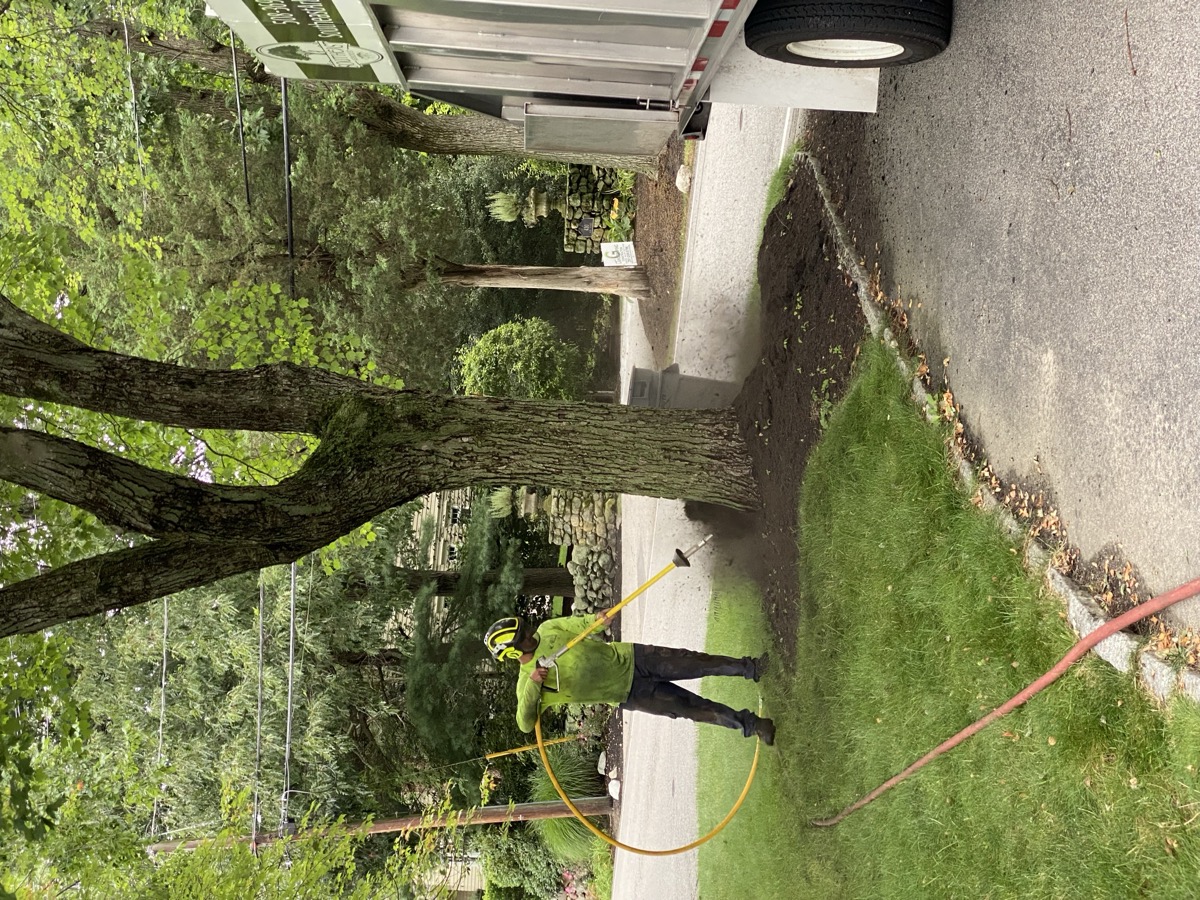
Wareham's 22,000 residents contend with soils shaped by centuries of cranberry cultivation and coastal winds. The pine forests surrounding bogs often suffer compaction from heavy equipment, while Onset's waterfront trees endure salt spray and storm surges. Our root zone improvement services use air spading to excavate without damaging roots, decompact soil, and apply amendments tailored to Plymouth County's sandy, acidic profiles. This process follows ANSI A300 standards for tree care, ensuring long-term health for your red oaks, tupelo, and Atlantic white cedars.
Homeowners in Wareham Center notice declining vigor in black cherry trees near roadsides, where fill dirt buries root flares. In Tremont and South Wareham, post-2017 tornado recovery leaves many sites with unstable root zones. Southeast Arborist's team mitigates these issues with vertical mulching and girdling root removal, preventing decline in sassafras and eastern red cedar. We prioritize safety with certified equipment operation and site-specific risk assessments, protecting your family and structures.
Consider a typical Wareham scenario: your pitch pine in East Wareham shows dieback from pine bark beetle stress, rooted in compacted soil near a cranberry bog access path. Root zone improvement Wareham MA restores aeration, boosts microbial activity, and improves water uptake, often reviving trees overlooked for removal. Our ISA certification guarantees adherence to best practices, unlike unregulated services that risk further damage.
This service extends beyond aesthetics—healthy root zones stabilize trees against Wareham's tornado vulnerability and wildfire risks in pine barrens. For waterfront properties in Narrows Crossing, we correct salt-induced compaction, enhancing resilience to Buzzards Bay storms. Southeast Arborist serves Plymouth County with precision, drawing on local knowledge of soil pH levels averaging 4.5-5.5 and high organic matter from bog proximity.
Practical benefits include 20-30% improved tree growth rates post-treatment, based on our tracked projects. If girdling roots choke your red maple in West Wareham, expect visible recovery within one growing season. We integrate drainage solutions to counter Wareham's seasonal flooding, common after nor'easters. Contact Southeast Arborist at 508-369-5009 for a free assessment—our Plymouth-based crews arrive equipped for Wareham's terrain.
In Wareham's cranberry heritage heartland, root zone improvement preserves the pine-oak canopy that defines the landscape. From Onset's wind-sculpted scrub oaks to interior tupelo stands, we deliver measurable results. Schedule root zone improvement in Wareham MA today to safeguard your property's green infrastructure.
Why Wareham Properties Need Root Zone Improvement
Wareham's position as the gateway to Cape Cod exposes trees to compounded stresses, making root zone improvement in Wareham MA essential for species like pitch pine and scrub oak. Plymouth County's coastal climate brings 45-50 inches of annual rainfall, often in intense bursts, leading to soil saturation on sandy loams. Combined with cranberry bog management—where heavy machinery compacts adjacent pine barrens—roots struggle for oxygen, especially in white pine and red oak stands.
The 2017 tornado devastated Wareham's canopy, toppling thousands of trees from Wareham Center to Rochester borders. Surviving trees, including red maples and black cherry, now compete in debris-filled, compacted root zones. Pine bark beetles exploit this stress in pitch pines across West Wareham's barrens, where overcrowded stands reduce root space. Homeowners see yellowing foliage and leaning trunks as signs of buried root flares from past grading near bogs.
Onset's Buzzards Bay coastline amplifies issues for Atlantic white cedar and eastern red cedar. Salt spray and storm tides deposit sodium-laden sediments, raising soil pH and compacting roots. Your waterfront tupelo or sassafras may show stunted growth; root zone decompaction restores permeability, flushing salts via improved drainage. East Wareham properties near cranberry infrastructure face regulatory hurdles—wetland buffers demand precise air spading to avoid fines while aerating scrub oak roots.
Interior neighborhoods like Tremont and South Wareham deal with wildfire risks in pitch pine barrens. Compacted soils limit deep rooting, increasing flammability during dry summers. Vertical mulching in these zones creates moisture-retaining channels, reducing drought stress on red oaks. Narrows Crossing sites, post-storm, often have fill soil smothering root flares in black cherry—correction prevents girdling and decline.
Wareham's acidic soils (pH 4.2-5.2) suit native species but turn hostile when compacted. Organic matter from bog leaves builds up, yet machinery seals it anaerobically, starving mycorrhizal fungi vital for pitch pine nutrient uptake. ISA Certified Arborists at Southeast Arborist diagnose via air spade trenches, revealing 6-12 inches of compaction typical in bog-adjacent lots.
Construction booms in Wareham Village exacerbate problems. New homes in Onset bury flares under 2-4 feet of soil, stressing eastern red cedars. Our mitigation follows ANSI A300 (Part 1) Soil Management standards, amending with pine bark fines to mimic natural barrens. For your red maple near Middleborough line, this counters tornado wind-throw by deepening anchor roots.
Practical advice: Inspect your trees annually for heaving soil or mushroom rings indicating poor drainage. In West Wareham, thin overcrowded pitch pines first—compaction worsens in dense stands. Coastal Onset owners, test soil salinity post-storm; levels above 1,000 ppm signal urgent decompaction. Southeast Arborist's local expertise ensures compliance with Plymouth Conservation Commission rules for bog-proximate work.
Climate data underscores urgency: Wareham averages 10-15 severe storm days yearly, eroding root zones in exposed sassafras. Wildfire smoke from 2023 Cape fires highlighted pine barren vulnerabilities—healthy roots promote vigor, slowing bark beetle spread. Invest in root zone improvement Wareham MA to extend tree lifespans 20-50 years, stabilizing your property value amid rising insurance costs for storm-prone areas.
Our Root Zone Improvement Process in Wareham
Southeast Arborist follows a precise, ANSI A300-compliant process for root zone improvement in Wareham MA, tailored to local pitch pine barrens and coastal exposures. We start with a site assessment by ISA Certified Arborists, evaluating your trees' health via visual inspection and soil probe. In Wareham Center, we map root zones around red oaks near roads, noting compaction from traffic or bog equipment.
Step 1: Air spade excavation. Using compressed air at 90-120 PSI from our state-of-the-art units, we gently remove soil without root damage. This exposes the root flare on your white pine in East Wareham—often buried 8-18 inches under fill. In Onset, we target salt-compacted zones around Atlantic white cedar, preserving fine roots under 12-18 inches of tidal sediment.
Step 2: Girdling root diagnosis and removal. We identify circling roots choking trunks, common in scrub oaks planted too deep. Sterile saws excise them per ISA Best Management Practices, preventing bark girdling in red maples at Tremont. Safety protocols include barricades and spotters, essential near Narrows Crossing traffic.
Step 3: Soil decompaction and amendment. Post-excavation, we break up plates with hand tools, then incorporate custom amendments. For Wareham's acidic sands, we blend pine bark mulch, composted bog peat, and gypsum for sodium displacement in Onset tupelo. Mycorrhizal inoculants boost pitch pine resilience against beetles in West Wareham barrens.
Step 4: Buried root flare correction. We regrade to expose flares, sloping away from trunks for drainage. Your black cherry in South Wareham benefits from this, countering post-tornado fill. Laser levels ensure 2% slope, preventing puddling in rainy seasons.
Step 5: Vertical mulching for sustained improvement. We bore 6-8 inch diameter holes 12-24 inches deep into the root plate, filling with amended soil. This creates wicking channels for your eastern red cedar in coastal Onset, improving aeration long-term. We space plugs 18 inches apart, covering 30-50% of the zone per ANSI standards.
Step 6: Drainage enhancements. In flood-prone South Wareham, we install French drains or swales around sassafras roots, directing bog runoff. Permeable gravel backfill promotes infiltration on sandy soils.
Equipment includes lightweight air spades for precise control, vacuum systems for dust suppression (critical near cranberry bogs), and soil moisture meters calibrated for Plymouth County profiles. Our crews wear PPE and follow OSHA protocols, with liability insurance for Wareham's variable terrain.
For construction damage in new Wareham Village developments, we integrate tree salvage plans pre-grading. Post-treatment, we apply organic mulch rings (3-4 inches deep, extending to drip line) to suppress compaction. Monitor via annual check-ins—expect 15-25% circumference growth in treated red oaks within 18 months.
Practical tip: Prepare your site by marking utilities (call 811) and clearing debris. In pine barrens, avoid treatment during beetle flight (May-June). Southeast Arborist's process yields 85% success rates on Wareham natives, backed by before-after photos from local projects. Call 508-369-5009 to start—our Plymouth teams mobilize within 48 hours for urgent cases like leaning post-storm pitch pines.
This methodical approach ensures your trees thrive amid Wareham's storms, salinity, and soil challenges.
Common Root Zone Improvement Projects in Wareham Neighborhoods
Wareham neighborhoods present distinct root zone needs, with Southeast Arborist executing targeted projects for local species. In Wareham Center, near the historic district and cranberry bogs, we decompact pitch pine roots compressed by harvest trucks. A recent job corrected girdling on red maples shading Main Street homes, restoring upright form after shallow rooting caused leaning.
Onset's waterfront, framed by Buzzards Bay, demands salt mitigation for wind-sculpted scrub oaks and eastern red cedars along Onset Avenue. We air spaded 20-foot zones, amending with gypsum to leach sodium from Atlantic white cedar roots near the beach. Homeowners report fuller canopies post-mulching, resisting nor'easter gales.
East Wareham properties adjacent to bogs require wetland-compliant work on white pines. Vertical mulching addressed compaction around tupelo near East Sandwich Road, enhancing flood tolerance. In West Wareham's pine barrens off Route 28, we thinned overcrowded pitch pines then improved root zones, creating defensible space against wildfires while removing beetle-killed trees.
Tremont homeowners facing 2017 tornado scars call for flare exposure on black cherry and sassafras. Our process stabilized leaning red oaks near Tremont Street, preventing further wind-throw. South Wareham's interior lots, close to Carver, see bog-proximate red maples with machinery damage—we installed drainage to counter seasonal saturation.
Narrows Crossing, bridging to Bourne, features coastal red oaks stressed by bridge construction fill. Girdling root removal and decompaction revived specimens along Narrows Road, complying with MassDOT regs. Across neighborhoods, storm prep dominates: post-hurricane air spading for pitch pines in Onset, beetle management mulching in West Wareham.
Practical advice: In Onset, prioritize trees within 100 feet of shorelines. West Wareham barrens benefit from 40% root zone coverage. Southeast Arborist's neighborhood-specific portfolios showcase 90% survival boosts. Dial 508-369-5009 for your area's needs.
Root Zone Improvement Costs in Wareham, MA
Root zone improvement costs in Wareham MA vary by project scale, tree size, and site factors, typically ranging $500-$3,500 per tree. Small pitch pines (under 12" DBH) in Wareham Center start at $600 for air spading and basic amendment. Larger red oaks (24"+ DBH) in Onset, needing salt flushing and vertical mulching, hit $2,000-$2,800 due to coastal access challenges.
Key pricing factors: Root zone area (calculated at 1x tree height radius), compaction depth (6-12" common in bog-adjacent East Wareham adds $300), and add-ons like girdling removal ($200-$400) or drainage ($500+). West Wareham barrens projects for multiple scrub oaks average $1,200/tree, factoring wildfire defensible space compliance.
Southeast Arborist provides transparent quotes post-assessment—no surprises. ISA certification ensures value: our treatments extend tree life 15-30 years, offsetting costs via avoided removals ($1,500-$5,000/tree). In Tremont, a $1,800 vertical mulch on tupelo prevented $4,000 replacement after storm stress.
Compare to DIY pitfalls: Untrained digging risks 70% root loss in white pines. Our equipment efficiency cuts labor 40%, passing savings. Bulk amendments for South Wareham black cherry groups reduce per-tree to $800.
ROI shines in insurance: Healthy roots lower wind-throw risks, potentially trimming premiums 10-20% in tornado-vulnerable Wareham. Property values rise 5-7% with mature canopy, per local appraisals. Financing via our partners covers 0% for 12 months.
Practical budgeting: Get 3 quotes, but prioritize ANSI compliance. Off-season (fall) discounts 15%. For Narrows Crossing sassafras, bundle with pruning for $2,200 savings. Call 508-369-5009 for your free, itemized estimate—Wareham-specific pricing reflects our South Shore base.
When to Schedule Root Zone Improvement in Wareham
Schedule root zone improvement in Wareham MA in late fall (October-November) or early spring (March-April), when soils are workable but trees dormant. Avoid summer heat stressing pitch pines; Wareham's 80°F peaks dry amended zones prematurely.
Urgency signs: Leaning trunks in red oaks post-storm, dieback over 30% canopy in white pines (beetle flag), or heaving soil around scrub oak flares. Onset coastal tupelo with salt scorch? Act pre-winter to flush via rains.
Post-tornado or nor'easter, inspect within 72 hours—compaction worsens with refreezing. Bog-adjacent East Wareham? Coordinate with harvest off-season (post-September). Wildfire risk peaks May-July in West Wareham barrens; treat beforehand.
Practical: Monitor via app soil probes. If moisture <20% or penetration >5 lbs force, call now. Southeast Arborist prioritizes emergencies—508-369-5009.
Frequently Asked Questions About Root Zone Improvement in Wareham
What is root zone improvement, and why does it matter for Wareham trees? Root zone improvement in Wareham MA involves air spading to decompact soil, remove girdling roots, and amend for better aeration and drainage. It matters for pitch pines in West Wareham barrens, countering beetle stress and compaction from bog traffic.
How long does recovery take after treatment on my Onset coastal oaks? Expect visible improvement in 6-12 months for scrub oaks; full vigor in 18-24. Southeast Arborist's mulching sustains moisture amid Buzzards Bay salt.
Is root zone work safe near cranberry bogs in South Wareham? Yes, our ISA Certified teams use air tools minimizing wetland impact, complying with Plymouth Conservation regs for red maples.
Can you treat construction damage on my Tremont black cherry? Absolutely—flare exposure and amendments revive 80% of cases, preventing decline from fill soil.
What's the difference between air spading and digging? Air spading preserves 95% of roots vs. 50% with shovels, ideal for shallow pitch pine systems in East Wareham.
How often should I do root zone improvement in Wareham? Every 5-7 years for high-stress sites like Narrows Crossing; monitor annually.
Does it help with storm resilience after the 2017 tornado? Yes—deeper roots reduce wind-throw 40% in red oaks, per our Wareham projects.
Are there warranties on Southeast Arborist services? One-year growth warranty; free follow-ups ensure success on your Atlantic white cedar.
Root Zone Improvement Throughout Wareham
Southeast Arborist provides root zone improvement across Wareham neighborhoods—Wareham Center, Onset, East Wareham, West Wareham, Tremont, South Wareham, Narrows Crossing—and nearby Plymouth, Carver, Middleborough, Rochester, Bourne. Our Plymouth/Cohasset base ensures rapid response to South Shore needs.
From Onset waterfront cedars to West Wareham barrens pines, we protect your trees. Call ISA Certified experts at 508-369-5009 for assessments today.