
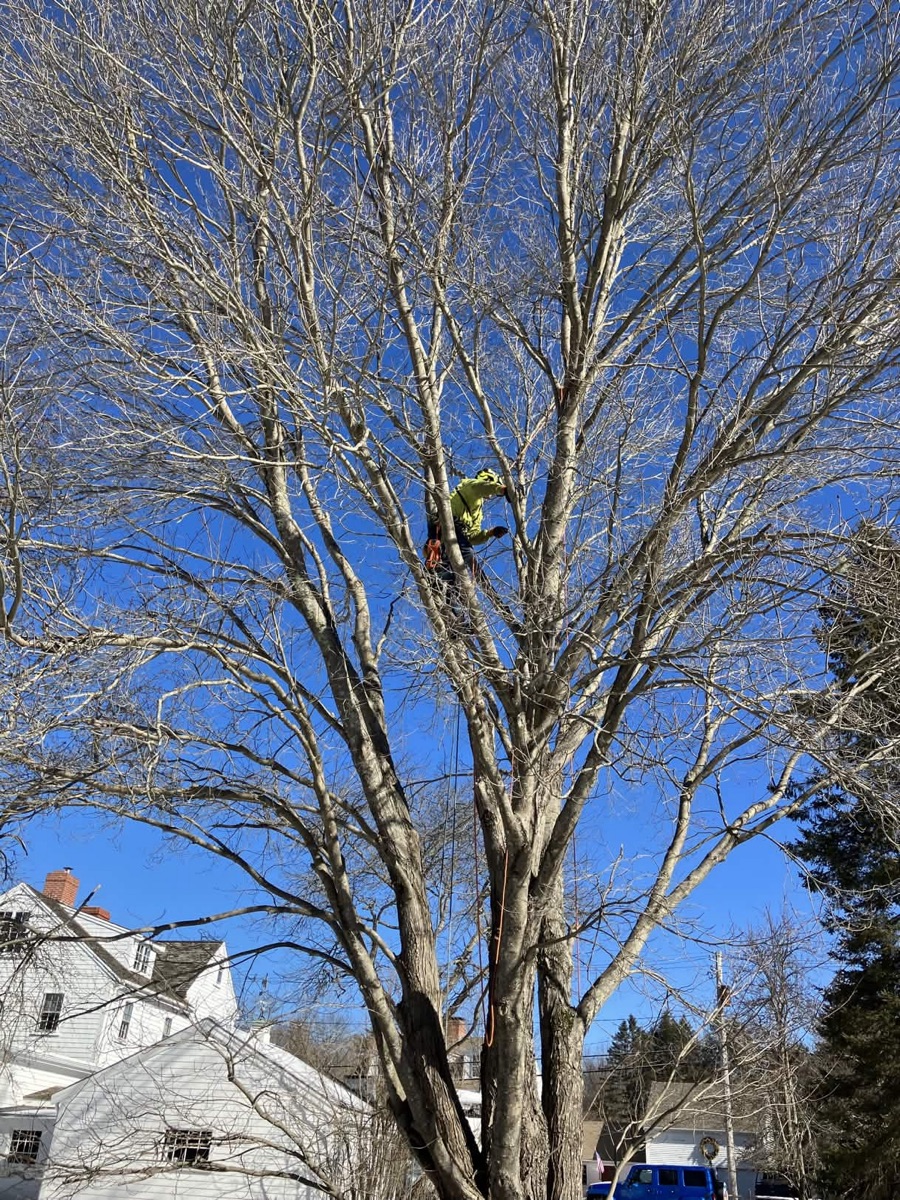
# Professional Tree Pruning in Wareham, Massachusetts
If you own property in Wareham, Massachusetts, your trees face unique pressures from the town's position as the gateway to Cape Cod. Pitch pines in West Wareham's barrens contend with pine bark beetles, while wind-sculpted oaks along Onset's Buzzards Bay waterfront battle salt spray and storms. The 2017 tornado that ripped through Plymouth County toppled thousands of trees here, exposing vulnerabilities in red maples and white pines that still shape today's canopy. Professional tree pruning in Wareham MA addresses these issues directly, following ANSI A300 standards to enhance tree health, safety, and property value.
At Southeast Arborist, LLC, our ISA Certified Arborists deliver precise tree pruning services across Wareham's 22,000 residents and its neighborhoods like Wareham Center, Onset, East Wareham, West Wareham, Tremont, South Wareham, and Narrows Crossing. Based in nearby Plymouth and Cohasset, we serve the entire South Shore Massachusetts region, including Plymouth, Carver, Middleborough, Rochester, and Bourne. Our pruning removes deadwood from scrub oaks, thins overcrowded pitch pine stands, and elevates crowns on red oaks near cranberry bogs to prevent bog damage during wet seasons.
Tree pruning in Wareham MA goes beyond aesthetics—it's essential risk management. Wareham's coastal exposure at Onset means Atlantic white cedars and eastern red cedars often develop hazardous limbs from constant maritime winds. Interior forests around Tremont and South Wareham feature tupelo and sassafras stressed by poor drainage in sandy, acidic soils typical of Plymouth County. Without proper pruning, these trees become liabilities during nor'easters or the rare wildfires in pine barrens.
Our process starts with a site assessment tailored to Wareham's microclimates. In cranberry heritage areas near Narrows Crossing, we comply with wetland regulations while performing structural pruning on young black cherry trees. For mature red maples in Wareham Center, crown reduction maintains clearance over roads and power lines. We use bucket trucks and climbing gear for safe access, ensuring no damage to your lawn or nearby bog infrastructure.
Homeowners in East Wareham notice how unpruned white pines drop needles into gutters during fall rains, clogging drains tied to the town's coastal hydrology. Pruning mitigates this, while also improving airflow to combat fungal issues in humid Buzzards Bay conditions. Southeast Arborist's certification guarantees every cut promotes compartmentalization of decay in species like tupelo, which dominate low-lying South Wareham lots.
Investing in tree pruning Wareham MA saves you from emergency calls after storms. The 2017 tornado highlighted how improper pruning exacerbates branch failure in pitch pines. Call Southeast Arborist at 508-369-5009 for a free consultation—we'll evaluate your trees against local threats like beetle infestations and coastal erosion. Whether you're in a waterfront cottage in Onset or a wooded lot in West Wareham, our services restore balance to your landscape.
Why Wareham Properties Need Tree Pruning
Wareham's trees endure specific environmental stresses that demand regular pruning. Positioned in Plymouth County along Buzzards Bay, the town experiences high winds averaging 15-20 mph year-round, peaking during winter nor'easters. This sculpts pitch pines and scrub oaks into irregular shapes, creating weak crotches prone to splitting. In Onset, salt-laden air from the bay corrodes foliage on Atlantic white cedars, leading to dieback that pruning removes before it spreads.
Pitch pine dominates West Wareham's extensive barrens, the largest mainland stands this side of the Cape Cod Canal. These trees grow in nutrient-poor, sandy soils with pH levels around 4.5-5.5, making them susceptible to pine bark beetles when drought-stressed. Pruning thins dense canopies, increasing sunlight penetration and reducing beetle habitat. White pines in East Wareham face similar overcrowding, their long needles shading understory red maples and promoting root competition.
Scrub oaks and red oaks blanket Wareham Center and Tremont, forming urban edges near Route 28. These species develop epicormic sprouts from old storm wounds, especially post-2017 tornado damage. Without deadwood removal, decay fungi enter through cracks, weakening structures over your driveway or home. Red maples in South Wareham, near cranberry bogs established since the 1800s, drop heavy branches during ice storms, risking bog flooding from obstructed waterways.
Tupelo trees thrive in Narrows Crossing's wetter zones, their swollen bases indicating periodic flooding from Weweantic River overflows. Pruning elevates lower limbs to allow floodwater flow, preventing bark stripping. Atlantic white cedar and eastern red cedar line Onset's waterfront paths, their shallow roots exposed by coastal erosion—crown thinning stabilizes them against 50+ mph gusts.
Sassafras and black cherry appear in mixed stands around Carver borders, their aromatic leaves masking pest issues like sassafras borers. Wareham's humid summers (average 70-80% relative humidity) foster these infestations; targeted pruning excises infested branches, promoting vigorous regrowth.
Storm vulnerability defines the need for tree pruning in Wareham MA. The 2017 EF-1 tornado path through Plymouth and Wareham snapped thousands of pitch pines and red oaks, with winds over 100 mph. Unpruned trees failed at codominant stems, a flaw visible today in recovering stands. Wildfire risk in pine barrens requires defensible space—removing ladder fuels like low scrub oak branches creates 30-foot clearances around homes.
Cranberry industry proximity adds regulations. Trees overhanging bogs in South Wareham must be pruned to state agricultural guidelines, avoiding sand or debris contamination during harvest. Coastal properties in Onset comply with Massachusetts Coastal Zone Management, where pruning maintains views without destabilizing dunes.
Soil conditions exacerbate issues: Wareham's glacial outwash sands drain quickly but retain acidity, stressing roots. Pruning reduces water demand on drought-prone red maples, while improving wind resistance in white pines. Homeowners gain practical benefits—pruned trees shade your home in summer, reducing AC use by 10-15%, and clear sightlines for traffic safety on narrow roads like Union Avenue.
Neglect leads to costly failures. A single fallen limb from an unpruned tupelo can damage your roof during a gale. Regular tree pruning Wareham MA by ISA Certified Arborists like Southeast Arborist prevents this, extending tree life by 20-30 years. Monitor for urgency signs: leaning trunks in pitch pines post-storm, or excessive deadwood in oaks exceeding 25% canopy. Your property's trees reflect Wareham's resilient character—proper care ensures they thrive amid coastal gales and bog mists.
Our Tree Pruning Process in Wareham
Southeast Arborist follows a meticulous, ANSI A300-compliant process for tree pruning in Wareham MA, customized to local species and hazards. We begin with a free on-site assessment by an ISA Certified Arborist. In West Wareham's pitch pine barrens, we use resistograph tools to detect internal decay without harming the tree. For Onset coastal cedars, we evaluate salt damage via visual inspection and soil pH tests, noting wind shear on exposed branches.
Step one: Hazard identification. We map risks like deadwood in red oaks over Wareham Center driveways or rubbing limbs on red maples in Tremont. Drones survey tall white pines in East Wareham, spotting beetle galleries from above. This data informs a pruning plan, always prioritizing tree biology—never topping, which weakens pitch pines.
Preparation includes permits. Near South Wareham cranberry bogs, we secure wetland approvals from Wareham Conservation Commission. Traffic control on busy Route 6A in Narrows Crossing uses certified flaggers. Your property stays protected with drop cloths under scrub oaks to catch debris.
Execution starts with ground work. Crews remove lower limbs for crown elevation on young black cherry trees, using hand pruners for cuts under 2 inches. This follows ANSI standards: cuts at the branch collar, angled 45 degrees downward to shed water. For sassafras in mixed stands, we excise borer entry points cleanly.
Crown thinning targets overcrowded canopies. In pitch pine barrens, we selectively remove 15-20% of interior branches, spacing cuts to retain natural shape. Climbing arborists rope into tupelos in flood-prone areas, using friction savers to minimize bark damage. Bucket trucks access Atlantic white cedars along Onset's Shell Point waterfront, extending to 60 feet without spiking trunks.
Deadwood removal is priority. We drop hazardous limbs from eastern red cedars with precision rigging—lowering 500-pound branches over cottages using port-a-wraps. For storm-damaged red oaks post-nor'easter, restoration pruning shapes regrowth, removing epicormic shoots that divert energy.
Vista pruning enhances Buzzards Bay views from Onset properties. We reduce scrub oak crowns by 20-25%, maintaining taper to avoid stress. Structural pruning on juveniles in Wareham Center corrects v-crotches in red maples, cabling if needed.
Equipment ensures safety: STIHL pole saws for high red maple limbs, Silky saws for clean cuts on sassafras. All comply with OSHA and ANSI Z133 standards—harnesses, hard hats, and daily inspections. In pine barrens, we deploy chippers to process pitch pine slash, reducing wildfire fuel.
Cleanup finishes strong. Rakes clear white pine needles from East Wareham lawns; stumps are flush-cut if requested. We haul debris to Plymouth transfer stations, recycling chips for bog mulch.
Post-pruning, we provide a report with photos, recommending follow-ups. For Wareham's climate, this might mean annual checks on wind-exposed cedars. Homeowners benefit immediately: pruned trees resist 30% more wind load, per ISA studies.
Our process minimizes disruption—jobs complete in 4-8 hours for most residential lots. Safety protocols include two-person minimum crews and liability insurance. Trust Southeast Arborist for tree pruning Wareham MA that sustains your trees through storms and seasons. Call 508-369-5009 to schedule.
Common Tree Pruning Projects in Wareham Neighborhoods
Wareham neighborhoods present distinct pruning needs tied to their geography and history. In Wareham Center, around historic Main Street and the Council Oak near Fearing Pond, red oaks and red maples overgrow sidewalks. Crown elevation clears 14-foot pedestrian paths, while deadwood removal prevents drops on summer crowds at the annual fairgrounds.
Onset's waterfront, developed as a late-1800s resort along Buzzards Bay, features wind-stressed pitch pines and Atlantic white cedars framing cottages on Onset Avenue. Vista pruning restores bay views, thinning scrub oaks by 15% without dune impact. Salt-pruning removes spray-damaged tips, vital after hurricane-season gales.
East Wareham properties near Route 28 contend with tall white pines shedding needles into gutters. Crown thinning improves airflow, reducing fungal risks in humid soils. Here, structural pruning corrects codominant leaders in young trees planted post-1954 Hurricane Carol rebuilds.
West Wareham's interior pine barrens, bordering Rochester, require thinning overcrowded pitch pines to combat beetles. We create 20-foot defensible space around homes off Long Hill Road, removing ladder fuels like low scrub oak branches amid wildfire-prone dry sands.
Tremont's wooded lots with sassafras and black cherry need hazard limb removal over cranberry bog edges. Restoration pruning heals 2017 tornado scars on red oaks, complying with ag regulations to avoid bog contamination.
South Wareham, adjacent to bogs along the Agawam River, features tupelo in swampy areas. Crown reduction prevents branch fall into irrigation ditches, with wetland buffer pruning maintaining 25-foot setbacks.
Narrows Crossing homes near the narrows bridge deal with eastern red cedar encroachment on views. Deadwood and reduction pruning opens sightlines to the Weweantic, while elevating limbs clears boat ramps.
Across neighborhoods, storm prep dominates post-2017. Southeast Arborist's ISA arborists handle these with ANSI A300 precision. Practical tip: In Onset, prune cedars pre-winter to shed ice weight; in barrens, thin pines by June to beat beetle cycles. Your neighborhood's trees get targeted care for Wareham's challenges.
Tree Pruning Costs in Wareham, MA
Tree pruning costs in Wareham MA vary by factors like tree size, species, location, and complexity. A mature pitch pine in West Wareham barrens (40-60 feet) starts at $450-$750 for crown thinning, due to access challenges in dense stands. Smaller scrub oaks in Wareham Center (20-30 feet) run $250-$450 for deadwood removal, quicker with bucket truck reach.
Height drives expense: under 20 feet, $150-$300; 50+ feet like Onset white pines, $600-$1,200, factoring climbing gear. Species matter—pitch pine's resinous wood requires specialized saws, adding 10-15%; tupelo's wet wood in South Wareham demands rigging, upping costs 20%.
Neighborhood access influences pricing. Easy Wareham Center lots add no premium; Onset waterfronts incur $100-$200 for coastal permits and erosion mats. Cranberry-adjacent in Tremont? Wetland filings add $150 admin.
Project type scales costs: basic deadwood, $100-$200/tree; full ANSI A300 crown reduction on red maples, $400-$800. Vista pruning in Narrows Crossing, $500-$900, balances aesthetics and health.
Southeast Arborist quotes transparently—no hidden fees. Hourly rates $150-$250/crew, but we bid fixed per tree. Volume discounts: 3+ trees drop 15%. Free assessments save surprises.
Value outweighs cost. Pruning prevents $5,000+ storm damage claims—your homeowner's insurance rewards proactive care with lower premiums. A $600 investment in pitch pine thinning averts wildfire spread, protecting $300,000 homes. ISA studies show pruned trees live 25% longer, boosting property values 5-10% in coastal Wareham.
Compare: DIY risks fines for improper cuts near bogs; unlicensed crews violate ANSI, leading to failures. Our certification ensures compliance, with 2-year warranties.
Budget tips: Schedule off-peak (fall/winter) for 10-20% savings. Bundle with storm prep for multi-tree deals. Financing available for large jobs.
For precise tree pruning costs Wareham MA, call 508-369-5009. Southeast Arborist delivers ROI through healthier trees and safer properties.
When to Schedule Tree Pruning in Wareham
Timing tree pruning in Wareham MA maximizes health and minimizes risks. Late fall (October-November) is ideal—dormant pitch pines and oaks compartmentalize wounds before spring growth, avoiding beetle attraction. Post-leaf drop reveals structure in red maples, perfect for Wareham Center deadwood removal.
Winter (December-February) suits high-risk coastal Onset cedars. Frozen ground supports equipment on sandy soils, and bare limbs allow precise cuts without bird nesting disruptions.
Spring (March-May) targets young trees for structural pruning—correct v-crotches in black cherry before bud break. Avoid flowering sassafras to protect pollinators.
Summer (June-August) handles urgency: beetle-infested white pines in East Wareham need immediate excision to halt spread. Thin scrub oaks pre-wildfire season.
Urgency signs demand now: 25%+ dead canopy in red oaks post-storm; leaning pitch pines after winds; rubbing limbs on power lines near Route 28. Cracked bark on tupelo signals failure risk.
Wareham's climate dictates: Nor'easters peak February-April, so prune by January. Cranberry harvest (September-October) requires pre-pruning to clear bogs.
Annual for hazards, every 3-5 years for maintenance. Southeast Arborist advises based on your trees. Call 508-369-5009 to book timely tree pruning Wareham MA.
Frequently Asked Questions About Tree Pruning in Wareham
**What is ANSI A300 pruning, and why does it matter for Wareham trees?** ANSI A300 sets national standards for tree care, specifying cuts for health over aesthetics. In Wareham, it ensures pitch pines in West Wareham heal properly against beetles, unlike topping that invites decay.
**How often should I prune trees on my Onset waterfront property?** Every 2-3 years for wind-stressed cedars; inspect annually post-storm. Salt exposure accelerates dieback, so thinning maintains vigor.
**Can pruning help with pine bark beetles in East Wareham?** Yes—remove infested branches and thin canopies to boost airflow. Early detection via frass drops prevents spread to neighbors.
**Is tree pruning near cranberry bogs regulated?** Absolutely. In South Wareham, we follow Mass DEP wetland rules, maintaining buffers and avoiding debris in ditches.
**What's the difference between thinning and reduction for Wareham oaks?** Thinning removes select interior branches for light (15-25%); reduction shortens leaders for height control, ideal for red oaks over Tremont roads.
**How do I know if my pitch pine in West Wareham needs pruning?** Look for crowded crowns, dead tops, or beetle pitch tubes. Drones spot issues early.
**Does pruning increase property value in Narrows Crossing?** Yes—cleared views and safer trees appeal to buyers, adding 3-7% value per appraisals.
**Are your arborists certified for Wareham's storm risks?** All ISA Certified, trained in ANSI Z133 safety for 100+ mph winds like 2017 tornado.
Tree Pruning Throughout Wareham
Southeast Arborist provides tree pruning across all Wareham neighborhoods—Wareham Center to Onset, East Wareham, West Wareham, Tremont, South Wareham, and Narrows Crossing. We extend to nearby Plymouth, Carver, Middleborough, Rochester, and Bourne, covering South Shore Massachusetts fully.
From pitch pine thinning in barrens to cedar vista work in Onset, our ISA Certified team handles it. Call 508-369-5009 for service—free quotes, expert care for your trees.