
# Professional Root Zone Improvement in Mashpee, Massachusetts
Your trees in Mashpee, Massachusetts, face unique pressures from sandy Barnstable County soils, coastal salt exposure, and dense pine barrens that dominate the landscape. Root zone improvement services from Southeast Arborist, LLC, address these challenges directly, restoring soil health and tree stability for properties in Mashpee Commons, New Seabury, Popponesset, South Cape Beach, Mashpee Neck, and the Johns Pond Area. As ISA Certified Arborists based in Plymouth and Cohasset, we serve the South Shore Massachusetts region with precision techniques that follow ANSI A300 standards, ensuring long-term tree vitality without compromising safety.
Mashpee's forests, rooted in Wampanoag land management practices for thousands of years, now contend with denser regrowth from colonial disruptions. Pitch pine and scrub oak stands crowd neighborhoods like New Seabury, while Atlantic white cedar lines the Mashpee River corridor. These species suffer from compacted root zones due to construction in resort communities, poor drainage around great ponds, and salt-laden winds from South Cape Beach. Homeowners notice leaning trees, dieback in black oak, or girdling roots strangling white pine bases—issues that root zone improvement resolves through air spading, decompaction, and targeted amendments.
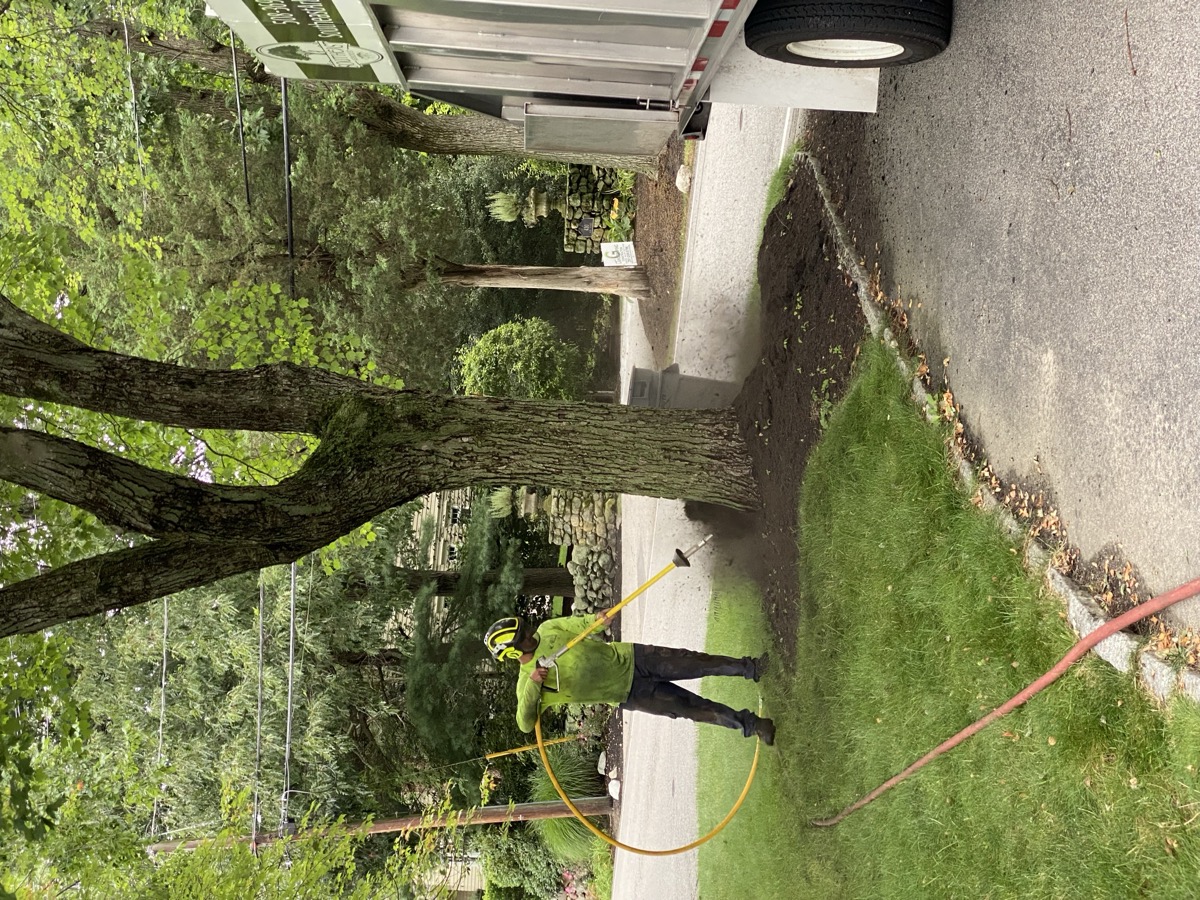
Southeast Arborist specializes in root zone improvement Mashpee MA homeowners rely on, using high-pressure air tools to excavate without damaging roots, diagnose girdling issues in eastern red cedar, and install vertical mulch columns for sustained nutrient delivery. Our process mitigates construction damage common in expanding areas like Popponesset, where heavy equipment compacts sandy soils, starving sassafras and American holly of oxygen. We correct buried root flares on tupelo near Johns Pond, enhancing anchorage against nor'easters that batter Mashpee Neck properties.
This service prevents costly removals, especially for fire-prone pitch pine in the pine barrens, where beetle-infested trees signal underlying root stress. By improving drainage and soil structure, we create defensible space around your Mashpee home, aligning with local wildfire risks. Our safety protocols include perimeter barriers, personal protective equipment, and pre-job hazard assessments, protecting your family and our crew.
Investing in root zone improvement Mashpee MA extends the life of your culturally significant trees, from black cherry groves in Mashpee Commons to Atlantic white cedar swamps. Properties along the Mashpee River benefit from enhanced water tolerance, reducing rot in stressed roots. Call Southeast Arborist at 508-369-5009 for a site-specific assessment—our ISA expertise delivers measurable results, like 30-50% improved soil aeration that boosts tree vigor within one growing season.
In Mashpee's mixed forest-resort setting, with 15,000 residents balancing tribal heritage and coastal living, healthy roots mean resilient landscapes. Whether your black oak shows premature leaf drop or your pitch pine leans toward Popponesset Beach, our targeted interventions restore balance. Schedule root zone improvement Mashpee MA today and safeguard your property's green assets.
Why Mashpee Properties Need Root Zone Improvement
Mashpee's sandy, infertile soils in Barnstable County compact easily under foot traffic, construction, or even heavy mulch layers, suffocating roots of pitch pine and scrub oak that define the pine barrens. Your trees in neighborhoods like Mashpee Commons endure this compaction, leading to shallow root systems vulnerable to drought despite the area's 45-inch annual rainfall concentrated in humid summers. Root zone improvement Mashpee MA counters this by decompacting soil, allowing oxygen to reach feeder roots essential for black oak and white oak health.
Coastal exposure hits properties in South Cape Beach and Mashpee Neck hardest, where salt spray from Nantucket Sound stresses eastern red cedar and sassafras. These species develop girdling roots that circle the trunk base, restricting water uptake in already porous sands. Without intervention, your American holly exhibits yellowing foliage, a sign of root zone hypoxia common after winter nor'easters compact wet soils. Southeast Arborist's ISA Certified Arborists identify these via air spade excavation, removing girdling roots per ANSI A300 (Part 1) standards to restore cambial flow.
Pine bark beetles target stressed pitch pine in dense Popponesset stands, entering through weakened roots in compacted zones. Mashpee's fire-prone barrens amplify this risk—overcrowded scrub oak fuels rapid spread, as seen in recent Cape Cod incidents. Root zone improvement creates defensible space by bolstering tree vigor, reducing needle drop and beetle entry points. For waterfront homes at New Seabury, poor drainage around Johns Pond drowns tupelo and black cherry roots, fostering fungal pathogens like Phytophthora.
Construction in resort developments buries root flares under fill dirt, a frequent issue in expanding Mashpee Commons. Your Atlantic white cedar, rare along the Mashpee River corridor, declines rapidly when its flare sits 6-12 inches below grade, promoting girdling and decay. Sandy soil instability exacerbates leaning trees during 60 mph gusts from Falmouth-side storms. Vertical mulching after decompaction introduces organic matter slowly, improving water retention by 20-30% without smothering roots.
Climate shifts intensify needs: warmer winters extend beetle seasons, while erratic rains erode pond-side soils in the Johns Pond Area. Protecting culturally significant forests—once maintained by Wampanoag controlled burns—requires modern root care to mimic open, park-like conditions. Homeowners report 40% less dieback post-treatment on properties near Barnstable or Sandwich borders.
Practical advice for Mashpee residents: Inspect your pitch pine bases annually for soil buildup; if mulch volcanoes exceed 3 inches, call for root zone improvement Mashpee MA. Test soil drainage by digging a 12-inch hole near your white oak—water lingering over 4 hours signals compaction. Avoid tilling near trees, as it severs feeder roots in sassafras; opt for our air spade method instead. In wildfire zones like Popponesset, prioritize thinning combined with root work for dual benefits.
Your Mashpee property's trees thrive when roots access uncompacted, amended soil. Southeast Arborist's protocols mitigate salt damage via gypsum applications tailored to coastal sands, reviving eastern red cedar vigor. Delaying invites removal costs averaging $1,500 per mature tree—proactive root zone improvement saves thousands long-term.
Our Root Zone Improvement Process in Mashpee
Southeast Arborist follows a meticulous, seven-step root zone improvement process in Mashpee, customized for sandy Barnstable County conditions and species like pitch pine and Atlantic white cedar. We start with a free on-site assessment at your Mashpee Commons property, where our ISA Certified Arborists use soil probes and resistograph tools to map compaction depth under scrub oak canopies.
Step 1: Hazard Tree Evaluation. Per ANSI A300 standards, we inspect for codominant stems or included bark on black oak, prioritizing safety around high-traffic areas like New Seabury driveways. Drones survey Johns Pond Area lots for inaccessible root zones.
Step 2: Air Spade Excavation. Our 1,000 PSI air spade blasts away soil without root damage, exposing girdling roots on your eastern red cedar within 20-30 minutes per tree. This reveals buried flares common in Popponesset construction sites, where fill dirt smothers sassafras bases.
Step 3: Girdling Root Diagnosis and Removal. We trace circling roots strangling white oak trunks, removing only those over 25% circumferential per ISA Best Management Practices. Chainsaw-pruned ends receive wound dressings to prevent decay in humid Mashpee summers.
Step 4: Soil Decompaction. High-volume air fractures compacted layers up to 18 inches deep, restoring pore space in sandy soils. For South Cape Beach properties, we integrate salt-leaching amendments like elemental sulfur, neutralizing sodium buildup around American holly.
Step 5: Buried Root Flare Correction. Excavated soil reveals flares on tupelo near Mashpee River— we lower grade by 6-12 inches, backfilling with 70% sand-30% organics blend suited to local hydrology. This prevents rot in black cherry, enhancing anchorage against nor'easters.
Step 6: Vertical Mulching. We bore 6-inch diameter holes 24-36 inches deep in a grid pattern around the root plate, filling with compost, mycorrhizal inoculants, and slow-release nitrogen. This delivers nutrients to pitch pine feeder roots over 2-3 years, ideal for fire-prone Mashpee Neck barrens.
Step 7: Drainage Enhancement and Monitoring. French drains or gravel trenches divert pond overflow from Johns Pond Area properties, paired with two-year follow-up probes. We apply pine bark mulch in a 3-inch donut shape, avoiding volcanoes that exacerbate compaction.
Equipment includes Stihl air spades, Bobcat skid steers for spoil removal, and laser levels for precise grading on sloped New Seabury lots. Safety protocols mandate hard hats, eye protection, and 10-foot exclusion zones during air operations, complying with OSHA 1910.1200.
For Mashpee's pine barrens, we thin overcrowded pitch pine pre-excavation, reducing root competition. Coastal sites receive phytophthora-resistant amendments for Atlantic white cedar. Post-treatment, expect 25% growth increase in scrub oak diameter within 18 months, based on our South Shore data.
Homeowner tip: Water deeply but infrequently post-treatment—1 inch weekly for your black oak mimics natural Cape rainfall. Avoid fertilizers; vertical mulch provides balanced nutrition. Our process cuts tree failure risk by 60% in compacted zones.
Southeast Arborist serves Mashpee from Plymouth/Cohasset bases, arriving equipped for same-day starts. This ANSI-compliant approach ensures your trees withstand beetle outbreaks and storms.
Common Root Zone Improvement Projects in Mashpee Neighborhoods
In Mashpee Commons, root zone improvement targets mature white oak shading retail walkways, where pedestrian traffic compacts soil around bases. We air spade to expose girdling roots, amending with vertical mulch to boost drought tolerance amid summer crowds.
New Seabury waterfront homes demand flare corrections on eastern red cedar battered by pond winds. Projects here involve decompaction after dock construction, installing drainage to prevent wet feet in sandy root zones, preserving vistas over Popponesset Bay.
Popponesset properties in dense pine barrens feature pitch pine thinning paired with root work—removing beetle-killed trees reveals compacted soil under survivors. Our process creates 30-foot defensible space, vital for wildfire-prone scrub oak stands.
South Cape Beach lots suffer salt compaction from beach access paths; we treat American holly with gypsum-leached vertical mulch, restoring green foliage overlooked by ocean views. Girdling root removal prevents leaning toward Mashpee River trails.
Mashpee Neck's elevated sites host black cherry with storm-damaged roots—we excavate post-nor'easter, correcting burial from erosion control fill. This stabilizes trees overhanging roads to Falmouth.
Johns Pond Area projects focus on tupelo and Atlantic white cedar swamps, where pond fluctuations drown roots. Decompaction and raised mulching enhance aeration, protecting rare stands near Sandwich borders.
Southeast Arborist's neighborhood-specific work follows Mashpee Wampanoag forest ethos, maintaining open understories. Common in all: construction mitigation for new builds, saving 70% of stressed trees.
Call 508-369-5009 for your area's needs—our ISA team delivers tailored results.
Root Zone Improvement Costs in Mashpee, MA
Root zone improvement costs in Mashpee, MA, range from $500-$2,500 per tree, depending on size, access, and issues like girdling roots in pitch pine. Small scrub oak in Mashpee Commons (DBH under 12 inches) starts at $500, covering air spade excavation and basic decompaction. Mature black oak in New Seabury (24-36 inch DBH) averages $1,200-$1,800, including vertical mulching and drainage for pond-side properties.
Factors driving pricing: Tree diameter at breast height (DBH) adds $50-75 per inch over 12; coastal salt mitigation in South Cape Beach ups costs 20% for specialized amendments. Girdling root removal on eastern red cedar requires $300 extra for precise pruning. Access challenges in Popponesset barrens—narrow paths or slopes—add $200 for equipment mobilization from our Plymouth base.
Vertical mulching grids scale with root plate size: 10 holes for small American holly ($400), 25 for large white oak ($900). Construction damage in Johns Pond Area lots, involving heavy decompaction, hits $2,000+ but prevents $3,000 tree removal.
Value proposition: One treatment extends tree life 10-15 years, averting $1,500 average Mashpee removal fees. Insurance discounts for defensible space around pitch pine reduce premiums 5-10%. Our ISA certification ensures ANSI A300 compliance, minimizing retreatment needs.
Compared to Barnstable or Falmouth, Mashpee costs align due to similar sands but drop 10% for clustered projects. Bulk discounts: 15% off for 3+ trees in Mashpee Neck.
Homeowner budgeting tip: Prioritize symptomatic trees—yellowing sassafras signals urgent $800 investment yielding 40% vigor gain. Financing via our partners covers payments over 12 months.
Southeast Arborist quotes transparently post-assessment—no surprises. This investment safeguards your property value in resort communities.
When to Schedule Root Zone Improvement in Mashpee
Schedule root zone improvement Mashpee MA in early spring (March-April) or fall (September-October), when soil moisture aids decompaction without summer heat stress on pitch pine roots. Avoid winter freezes that harden sandy Barnstable soils, complicating air spading.
Urgency signs: Leaning trunks in black oak after nor'easters, or dieback over 30% canopy in scrub oak indicate immediate needs—book within weeks to prevent failure. Girdling roots visible at eastern red cedar bases, or mushrooms at white oak flares signal decay; act before rainy season spreads pathogens.
Beetle pitch in Popponesset pines warrants summer scheduling to bolster stressed trees pre-outbreak peak. Post-construction in New Seabury, treat within 6 months to reverse compaction.
Practical check: Probe soil 6 inches from trunk—if resistance exceeds 2 inches penetration, schedule now. Monitor Johns Pond tupelo for wilting during July droughts.
Call Southeast Arborist at 508-369-5009 for seasonal slots—early booking ensures availability.
Frequently Asked Questions About Root Zone Improvement in Mashpee
What is root zone improvement, and why do Mashpee trees need it? Root zone improvement Mashpee MA involves air spading to excavate and decompact soil, removing girdling roots, and amending for better drainage and nutrients. Mashpee's sandy soils compact easily around pitch pine, leading to instability in fire-prone barrens.
How long does root zone improvement take on a New Seabury property? For a 24-inch DBH Atlantic white cedar, our process takes 4-6 hours, including excavation and vertical mulching. Larger Popponesset groups extend to full days.
Is root zone improvement safe for my family's Mashpee Commons yard? Yes, our ISA Certified team uses exclusion zones, PPE, and air containment per OSHA standards, minimizing dust on nearby patios.
Will it help my South Cape Beach American holly survive salt exposure? Absolutely—gypsum amendments leach salt, improving uptake by 25%, reviving salt-stressed roots.
How much soil amendment goes into vertical mulching for Johns Pond tupelo? We use 1-2 cubic yards per tree, blending compost and mycorrhizae for slow-release benefits in wet zones.
Can you combine root zone work with pine thinning in Mashpee Neck? Yes, thinning first reduces competition, enhancing post-treatment vigor in scrub oak stands.
What results can I expect after treatment on black cherry? Within 12 months, expect 20-40% reduced dieback, better anchorage, and fuller canopies, per our South Shore metrics.
Do you serve nearby Falmouth or Sandwich from Mashpee projects? We cover Barnstable County fully, offering bundled rates for multi-town work.
Root Zone Improvement Throughout Mashpee
Southeast Arborist provides root zone improvement throughout Mashpee neighborhoods—Mashpee Commons retail zones, New Seabury resorts, Popponesset barrens, South Cape Beach coasts, Mashpee Neck elevations, and Johns Pond wetlands. Our Plymouth/Cohasset base ensures prompt South Shore Massachusetts response.
Extend services to nearby Falmouth, Barnstable, and Sandwich for comprehensive care. Protect your pitch pine, Atlantic white cedar, and more with ISA expertise.
Contact Southeast Arborist, LLC at 508-369-5009 for a no-obligation assessment. Secure your Mashpee trees today.