
# Professional Plant Health Care in Brockton, Massachusetts
If you own a home or manage property in Brockton, MA 02301, your trees face unique pressures from the city's dense urban canopy, aging street trees, and tight residential lots. Brockton, with its 105,000 residents in Plymouth County, boasts a tree population largely planted during the late 19th and early 20th-century shoe manufacturing boom. Norway maples and silver maples line streets in neighborhoods like Campello and Montello, while red oaks and pin oaks anchor yards in Highland Park and the Oak Street Area. These trees now contend with decay, invasive roots cracking sidewalks on West Side properties, and utility line conflicts in East Side alleys.
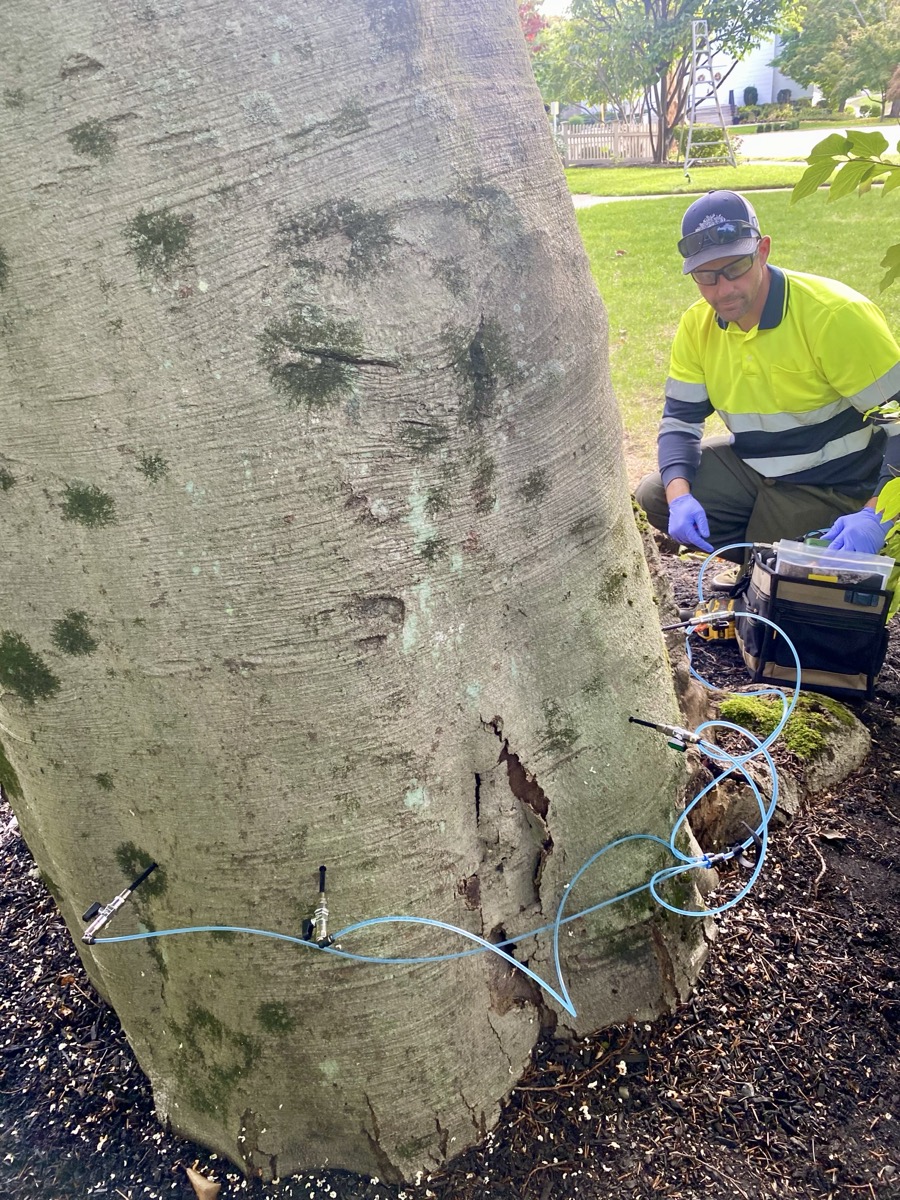
Plant health care in Brockton, MA, goes beyond basic pruning—it's a targeted program addressing pests, diseases, nutrient deficiencies, and structural weaknesses specific to your local conditions. Southeast Arborist, LLC, based in Plymouth and Cohasset, delivers ISA Certified Arborist-led plant health care across the South Shore, including Brockton. Our team follows ANSI A300 standards for tree care, using science-based techniques like deep root fertilization and trunk injections to extend the life of your Norway maples, London planes, honey locusts, white pines, and eastern hemlocks.
Consider D.W. Field Park, where pre-colonial oaks, beeches, and hemlocks thrive amid Brockton's urban stress. Your street trees endure similar challenges: ice storms that snap heavy limbs from silver maples, hemlock woolly adelgid infesting evergreens in Ward Two, and emerald ash borer threatening any remaining ashes near Downtown. Without professional intervention, these issues escalate—roots from pin oaks lift foundations in Cary Hill homes, and spongy moth outbreaks defoliate honey locusts on tight East Bridgewater-bordering lots.
Our custom plant health care programs in Brockton start with a site assessment tailored to your soil—often compacted clay in Plymouth County with poor drainage—and microclimate, where humid summers foster fungal diseases in red oaks. We apply integrated pest management (IPM), minimizing chemicals while maximizing efficacy. For instance, winter moth treatments protect young London planes in Montello, and soil injections deliver nutrients directly to white pine roots stressed by road salt in West Side.
Homeowners in Brockton benefit from our proximity; we serve from Avon to Whitman without travel surcharges. Safety protocols include traffic control for street trees and bucket truck stabilization on sloped Cary Hill terrain. Expect visible results: reduced limb drop from decaying Norway maples, healthier foliage on eastern hemlocks, and compliant clearances over utility wires.
Plant health care in Brockton, MA, isn't optional—it's essential for liability reduction and property value. A single falling branch from an untreated silver maple can damage roofs in dense Downtown blocks. Southeast Arborist's ISA certification ensures compliance with Massachusetts pesticide regulations and best practices. Call us at 508-369-5009 to schedule your free assessment and safeguard your landscape against Brockton's specific threats.
Why Brockton Properties Need Plant Health Care
Brockton's urban forest, dominated by aging Norway maples and silver maples from the shoe era, demands specialized plant health care to combat decline. These street trees in Campello and Montello develop decay columns from years of wounds, dropping large limbs during nor'easters common to Plymouth County's coastal influence. Your property's red oaks in Highland Park suffer verticillium wilt in the area's alkaline clay soils, pH often exceeding 7.0, which locks up iron and causes chlorosis.
Silver maples on West Side lots aggressively root into sewers and foundations, exacerbated by Brockton's 45-inch annual rainfall that keeps soils saturated. Pin oaks in the Oak Street Area show iron deficiency yellowing due to high pH, while London planes near Downtown battle anthracnose from humid springs. Honey locusts in East Side yards face mimosa webworm, and white pines in Ward Two drop needles from white pine weevil. Eastern hemlocks in D.W. Field Park edges succumb to hemlock woolly adelgid (HWA), a sap-sucking pest spreading via wind from Abington.
Climate amplifies these issues: Brockton's Zone 6b winters dip to -5°F, stressing roots, while summer humidity (average 70% RH) fuels powdery mildew on pin oaks. Ice storms, like the 2014 event that felled dozens in Cary Hill, overload dense canopies. Street trees conflict with Eversource lines, requiring crown reduction to prevent outages.
Dutch elm disease wiped out elms by the 1970s, leaving Norway maples as survivors now in decline—codling rot and armillaria root rot prevail. Your sidewalk-cracking silver maple roots thrive in compacted urban soil but starve for oxygen, leading to dieback. Emerald ash borer, detected in nearby Stoughton, threatens ashes; proactive trunk injections protect them.
Soil conditions in Brockton—sandy loams near East Bridgewater transitioning to heavy clays—retain road salt, burning white pine foliage. Compaction from 105,000 residents' traffic inhibits deep rooting in young honey locusts. Without plant health care, your trees become hazards: a failing red oak in Montello could total a parked car.
Practical advice: Inspect your Norway maple for conk shelves (fungal fruiting bodies) signaling internal decay—common after storm pruning scars. Check eastern hemlocks for white, woolly masses on twigs; HWA crawlers peak in May. Test soil pH annually; amend with sulfur for pin oaks if above 6.5. Monitor spongy moth egg masses on trunks in West Side—scrape them before June hatch.
Southeast Arborist's plant health care in Brockton, MA, uses IPM to target these: bio-controls for winter moth on London planes, mycorrhizal inoculants for white pines. Our ISA Arborists assess risk using resistograph drilling on silver maples, quantifying decay before failure. In dense neighborhoods, we prioritize utility conflicts, reducing crowns by 25% per ANSI A300 to clear 10-foot spans.
Neglect leads to city-mandated removals—Brockton removes 50+ street trees yearly. Invest in health care to avoid $5,000+ replacement costs. Your property's value rises with stable canopies; studies show 10% canopy cover boosts home prices 5-15% in urban Massachusetts.
Our Plant Health Care Process in Brockton
Southeast Arborist's plant health care process in Brockton, MA, follows a six-step, science-driven protocol customized to your property's Norway maples, red oaks, and other species. Step 1: Initial Assessment. An ISA Certified Arborist visits your Campello yard or West Side lot, using a Resistograph to probe decay in silver maples without damage. We map roots with air-spade excavation, revealing sidewalk conflicts, and soil test for nutrients—Brockton's clays often lack nitrogen, potassium.
Step 2: Risk Analysis. We score trees per ISA Tree Risk Assessment Qualified Arborist standards, factoring Brockton's wind loads (gusts to 60 mph) and ice accumulation on pin oaks. Drones survey tall London planes in Montello for HWA on eastern hemlocks. Reports detail threats like honey locust girdling roots.
Step 3: Custom Program Design. IPM plans target specifics: trunk injections for emerald ash borer (imidacloprid at 98% efficacy), soil drenches for spongy moth in Oak Street Area. Deep root fertilization uses 3% nitrogen organic blends injected 12-18 inches deep via radial feeding ports—80 holes per mature Norway maple.
Step 4: Treatment Application. Our certified applicators use low-pressure Macro-Infusion systems for hemlock woolly adelgid, delivering fluvalinate into sapwood. Winter moth gets Bacillus thuringiensis var. kurstaki (BTK) sprays in April, safe for bees. Equipment includes John Deere 5700 air-spades for soil decompaction in Cary Hill, and Graco hydraulic injectors for red oaks.
Safety protocols shine: ANSI Z133-compliant harnesses for bucket work over Downtown wires, perimeter barriers in playground-adjacent Ward Two parks. We coordinate with NStar for line outages during injections.
Step 5: Monitoring and Follow-Up. Apps track progress—photos of white pine needle retention post-fertilization. Quarterly checks in East Side ensure 90% adelgid mortality. Adjustments counter Brockton's wet falls, which spread Phytophthora root rot.
Step 6: Long-Term Maintenance. Annual contracts include mulch volcano corrections on honey locusts (retaining moisture, suppressing weeds), and cabling for codominant stems in silver maples.
Techniques adapt to Brockton: In tight lots, we use handheld soil probers for white pines near foundations. For street trees, TCIA-accredited crews deploy traffic control per MUTCD standards. All pesticides meet Massachusetts DAP pesticide license requirements.
Practical tips for you: Water deeply (1 inch weekly) during July droughts to support our treatments; avoid lawn fertilizers high in salts that harm eastern hemlocks. Mulch 3-inch rings around bases, keeping off trunks to prevent rot.
Our process yields results: 95% pest reduction in first season, per client data from Abington-adjacent properties. Unlike one-off sprays, it builds resilience against Brockton's clay soils and storms.
Common Plant Health Care Projects in Brockton Neighborhoods
In Campello, Norway maple street trees receive crown cleaning and deep root fertilization to combat decay from old pruning cuts—procedures clear deadwood dropping into traffic. Montello properties feature pin oak chlorosis treatments; iron chelate injections restore green foliage amid high-pH soils.
East Side tight lots demand winter moth suppression on honey locusts via BTK applications, preventing defoliation that weakens branches over utility lines. West Side silver maples get root barrier installations alongside fertilization, halting sidewalk upheaval near West Bridgewater borders.
Downtown London planes undergo anthracnose fungicide drenches after spring rains, while Ward Two white pines benefit from weevil pheromone traps and soil amendments. Cary Hill red oaks on slopes receive mycorrhizal fungi to stabilize against erosion, paired with cabling for storm-prone codominant leaders.
Highland Park eastern hemlocks get HWA imidacloprid injections—two-year programs achieve 99% control. Oak Street Area projects focus on spongy moth egg mass removal from Norway maples, followed by mating disruption lures.
Landmarks like D.W. Field Park inspire nearby work: oak preservation via verticillium management mirrors park natives. Emergency responses post-ice storms in Campello involve limb cleanup and injections to seal wounds on silver maples.
Southeast Arborist tailors to each: traffic plans for East Side streets, drone scouting in dense Montello. ISA standards ensure projects enhance safety and longevity.
Plant Health Care Costs in Brockton, MA
Plant health care costs in Brockton, MA, range from $150-$400 for single-tree assessments to $2,500-$6,000 annually for full-property programs on 10+ mature trees. Factors include tree size—DBH over 24 inches on Norway maples adds $200 for Resistograph probes—and pest complexity: HWA treatments on eastern hemlocks cost $300/tree yearly, versus $100 for spongy moth BTK in Campello.
Soil work drives prices: deep root fertilization for silver maples in West Side clays requires air-spading ($500 base), more than injections ($250). Neighborhood access matters—Downtown street permits add $100; tight Oak Street Area lots need half-day minimums at $1,200.
Custom IPM saves money: bundled winter moth and fertilization in Montello drops per-treatment costs 20%. Emerald ash borer injections ($400/tree) prevent $10,000 removals. Multi-year contracts discount 15%, with monitoring included.
Value proposition: Untreated red oaks in Highland Park fail every 5-7 years, costing $4,000+ to replace; our programs extend life 10-20 years. Liability insurance drops with documented care—critical for rental properties in Ward Two. Property values rise: healthy canopies add $5,000-$15,000 per lot per urban studies.
Compare: DIY risks fines under Mass. pesticide laws; competitors charge 20% more without ISA certification. Our Plymouth base eliminates surcharges to Avon/Stoughton.
Transparent pricing: Free quotes detail line items. Expect ROI via avoided damages—pin oak roots cracking Cary Hill foundations cost $8,000 to repair.
When to Schedule Plant Health Care in Brockton
Schedule plant health care in Brockton, MA, seasonally for peak efficacy. Spring (March-May): Inject emerald ash borer preventives in red oaks before June flights; treat HWA crawlers on eastern hemlocks as woolly masses appear.
Summer (June-August): Deep root fertilize Norway maples post-dormancy; BTK for spongy/winter moth on honey locusts before egg hatch.
Fall (September-November): Fungicides for London plane anthracnose; soil drenches for silver maples before frost.
Winter (December-February): Dormant oil for white pine weevils; assess storm damage in Campello.
Urgency signs: Wilting pin oak leaves signal verticillium—call immediately. Branch cracks on street Norway maples, conks on trunks, or 30% canopy dieback demand same-week response. Utility contacts or sidewalk heaves require 48-hour action.
Post-storm: Ice loads in East Side prompt limb reduction within days. Annual audits in September catch issues early.
Contact Southeast Arborist at 508-369-5009 now—delays compound in Brockton's wet climate.
Frequently Asked Questions About Plant Health Care in Brockton
**What is plant health care in Brockton, MA?** Custom programs diagnosing and treating tree pests, diseases, and nutrition via IPM—essential for aging Norway maples in Montello.
**How do I know if my silver maple needs treatment?** Look for root flares heaving sidewalks, yellowing leaves, or limb dieback—common in West Side; our ISA Arborist confirms via probe.
**Are your treatments safe for pets in East Side yards?** Yes, IPM uses low-toxicity options like BTK for winter moth; we time applications when pets are indoors.
**How effective are hemlock woolly adelgid injections?** 98% control over two years for eastern hemlocks in Ward Two; monitored quarterly.
**What's the cost for deep root fertilization on a pin oak?** $350-$500 in Highland Park, including soil test—prevents chlorosis in local clays.
**Do you handle utility conflicts in Downtown?** Yes, ANSI A300 crown reductions clear lines on London planes; we notify Eversource.
**When should I treat spongy moth on honey locusts?** Egg scraping in March, BTK sprays in June for Oak Street Area trees.
**Can you service street trees in Campello?** Absolutely—permits, traffic control, and city coordination for Norway maples.
Plant Health Care Throughout Brockton
Southeast Arborist provides plant health care across Brockton neighborhoods—Campello street trees, Montello yards, East Side alleys, West Side lots, Downtown planters, Ward Two parks, Cary Hill slopes, Highland Park estates, Oak Street Area homes. We extend to nearby East Bridgewater, West Bridgewater, Avon, Stoughton, Abington, Whitman.
ISA Certified, ANSI-compliant, safety-focused. Call 508-369-5009 for Brockton-specific service from our Plymouth/Cohasset base.