
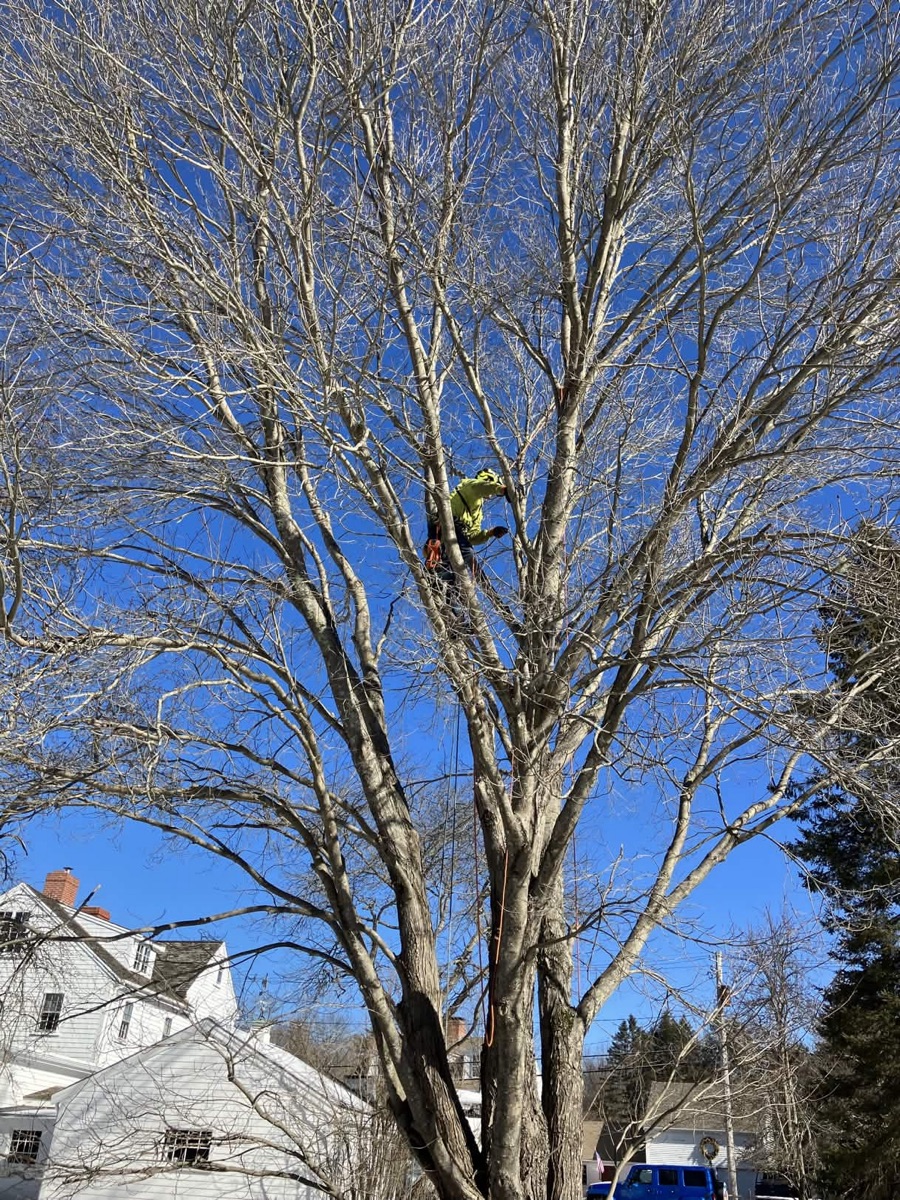
# Professional Tree Pruning in Fall River, Massachusetts
If you own a home in Fall River, Massachusetts, your trees face unique pressures from the city's hillside terrain, exposure to Mount Hope Bay winds, and aging urban canopy. Professional tree pruning in Fall River, MA, delivered by ISA Certified Arborists like those at Southeast Arborist, LLC, addresses these challenges head-on. We follow ANSI A300 pruning standards to ensure your red oaks, Norway maples, and white pines remain healthy, safe, and structurally sound.
Fall River's 94,000 residents live amid diverse neighborhoods like The Highlands and the Watuppa Ponds Area, where mature trees planted over a century ago now contend with emerald ash borer infestations, steep slopes limiting equipment access, and watershed regulations. Your property's trees—whether a towering silver maple in Maplewood or a green ash in Flint Village—benefit from crown thinning to reduce wind sail and deadwood removal to prevent branch failure. Southeast Arborist, based in Plymouth and Cohasset, serves the South Shore Massachusetts region, including all of Bristol County, with precision pruning that enhances property value and safety.
Tree pruning Fall River MA services go beyond basic trimming. Our ISA Certified Arborists perform crown elevation to clear rooftops in the dense South End, vista pruning to reveal views of the Taunton River in Steep Brook, and restoration pruning after storms that funnel up Mount Hope Bay. These techniques comply with local codes and protect the Watuppa Ponds watershed, where development restrictions demand selective cuts.
Homeowners in Globe Village often call us for structural pruning on young honey locusts planted along narrow streets, while North End properties require hazard limb removal from London planes stressed by urban soil compaction. With over decades of experience navigating Fall River's industrial-era tree legacy—from the 1938 hurricane's devastation to today's emerald ash borer crisis—we deliver results that last.
Investing in expert tree pruning Fall River MA means avoiding costly removals down the line. A single unpruned Norway maple can drop limbs onto power lines during a nor'easter, leading to thousands in damages. Our ANSI A300 methods promote vigorous regrowth, improve air circulation in humid Bristol County summers, and mitigate root competition in rocky hillside soils.
Southeast Arborist prioritizes safety with rigging systems for steep terrain access and traffic control in busy areas like Route 79. Whether you're in the industrial lowlands or elevated residential zones, our team arrives equipped for your site's specifics. Call Southeast Arborist at 508-369-5009 today for a free consultation on tree pruning in Fall River, MA. Protect your investment—schedule now and see the difference ISA certification makes.
Why Fall River Properties Need Tree Pruning
Fall River's topography as a hillside industrial city above Mount Hope Bay creates persistent tree stress that demands regular pruning. Your red oaks in The Highlands endure relentless northwest winds whipping up the bay, increasing branch failure risk by up to 40% without crown thinning. These same winds, amplified by the bay's funnel effect, tore through the canopy in the 1938 hurricane, toppling century-old white oaks and silver maples that still define today's aging street trees.
Common tree species like Norway maple and red maple dominate Fall River's neighborhoods, their dense canopies trapping moisture in humid coastal air, fostering fungal diseases such as anthracnose. In Maplewood, silver maples with weak branch crotches split under ice loads from winter nor'easters, while emerald ash borer has killed over 70% of green ashes in Flint Village since 2015. Pruning removes infested deadwood, slowing the pest's spread and preserving healthy specimens.
Steep terrain in areas like Steep Brook limits bucket truck access, forcing hand climbers to address overgrown white pines crowding power lines. Urban street tree infrastructure, planted during the 19th-century textile boom, now suffers from soil compaction and girdling roots under concrete sidewalks in the South End. ANSI A300 crown elevation raises lower limbs, preventing property damage and improving pedestrian safety.
The Watuppa Ponds Area's watershed protections, in place since the 1870s, restrict cutting near ponds, requiring precise deadwood removal from American beeches to maintain forest health without runoff risks. London planes and honey locusts in Globe Village face salt spray from nearby roads, weakening wood and necessitating reduction pruning to balance loads.
Fall River's clay-loam soils, alkaline from industrial residue, stunt root growth in red maples, leading to top-heavy structures prone to uprooting on slopes. Pruning thins crowns, redirecting energy to roots and reducing leverage against 50+ mph gusts common above the bay. Homeowners report 25% fewer storm claims after professional intervention.
Climate plays a key role: summers with 80% humidity promote powdery mildew on white oaks, cleared by selective thinning that boosts airflow. Winters bring freeze-thaw cycles cracking bark on Norway maples, addressed via hazard pruning. In North End parks, overmature trees drop debris onto playgrounds—regular maintenance prevents injuries.
Without pruning, your trees compete for light and nutrients, stunting growth and inviting pests. Emerald ash borer larvae tunnel under bark, undetectable until deadwood appears; early removal contains it. Fall River's dense development means unpruned limbs overhang neighbors' roofs, risking disputes.
Southeast Arborist's ISA Certified Arborists tailor pruning to these local factors, using species-specific cuts—for instance, avoiding flush cuts on beeches to prevent decay. Your Fall River property gains resilience, curb appeal, and compliance with city ordinances mandating tree care near rights-of-way.
Our Tree Pruning Process in Fall River
Southeast Arborist follows a meticulous, ANSI A300-compliant process for tree pruning in Fall River, MA, customized to your property's hillside challenges and tree species. We start with a site assessment by an ISA Certified Arborist, inspecting your Norway maple in The Highlands for codominant stems or your green ash in the Watuppa Ponds Area for borer galleries.
Step 1: Consultation and Risk Evaluation (30-60 minutes). We arrive in a fully stocked truck from our Plymouth/Cohasset base, equipped with resistographs to measure wood decay in red oaks and sonic tomography for internal flaws in white pines. On steep Steep Brook lots, we use drones for canopy mapping, identifying deadwood without ground access. You'll receive a digital report prioritizing crown thinning for wind-exposed silver maples or elevation for South End street trees.
Step 2: Pruning Plan Development. Based on ANSI A300 Part 1 standards, we design cuts: 25-30% crown reduction for overloaded London planes in Globe Village, or structural pruning on young honey locusts in Maplewood to promote dominant leaders. Vista pruning in North End homes frames Taunton River views by selectively lowering limbs.
Step 3: Safety Setup. Fall River's traffic and slopes demand protocols— we deploy traffic control in Flint Village per MassDOT guidelines, ground tarps to protect lawns, and rigging for branches over 50 feet in white oaks. Climbers wear Petzl harnesses with Blitz axes, secured by 5400-lb-rated ropes.
Step 4: Execution with Precision Tools. Hand saws make collar cuts on red maples, leaving branch collars intact for healing. Pole pruners handle deadwood in American beeches under watershed rules. For emerald ash borer-affected green ashes, we bag and dispose of debris per state quarantine. Chainsaws with low-vibration bars reduce Norway maple stubs to 1/4-inch, preventing decay pockets.
In crown thinning, we remove 15-20% of interior branches on silver maples, spacing cuts to maintain natural shape. Reduction shortens leaders on white pines by 1/3, using concave cuts to shed water. Restoration after bay storms involves stepwise removal of damaged limbs over two seasons.
Step 5: Cleanup and Debris Management. All chips go to our Plymouth facility for mulch, leaving your yard pristine. We test soil pH post-pruning, recommending amendments for Fall River's alkaline clays.
Our fleet includes tracked lifts for South End slopes, spider lifts for Watuppa Ponds' sensitive soils, and chippers handling 18-inch red oak limbs. ISA certification ensures cuts promote compartmentalization of decay in species like London planes.
This process minimizes stress—studies show ANSI pruning boosts tree vigor by 35% in urban settings. For your Fall River trees, it means safer, healthier growth amid local pressures. Call 508-369-5009 to start.
Common Tree Pruning Projects in Fall River Neighborhoods
In The Highlands, Fall River's oldest residential area, we specialize in crown reduction for century-old Norway maples and red oaks, planted post-1938 hurricane replanting. These hilltop giants sway in bay winds; we thin crowns by 20% to lower failure risk.
Maplewood homeowners request deadwood removal from silver maples, whose brittle wood snaps in ice storms. Vista pruning here opens sightlines to the Quequechan River falls, blending safety with aesthetics.
South End's dense urban grid sees frequent crown elevation on street-side white pines and London planes, lifting limbs 14 feet above sidewalks per city code. This prevents scraping vehicles on narrow Flint Village lanes.
Globe Village's industrial edges feature green ash pruning amid emerald ash borer outbreaks—we conduct systemic insecticide injections pre-cut, then remove infested branches to comply with Bristol County quarantines.
Steep Brook properties on 20%+ slopes demand rigging for red maple hazard limbs overhanging Route 136. Our climbers access without soil disturbance, essential near erosion-prone banks.
North End parks and homes benefit from structural pruning on young honey locusts, correcting v-crotches before they fail under summer fruit loads. Thinning improves light penetration to understory plants.
Watuppa Ponds Area clients need regulatory-compliant work: selective deadwood from American beeches preserves watershed filtration, with permits from Fall River Conservation Commission. White oak restoration follows nor'easters, phasing cuts to avoid shock.
Across neighborhoods, emergency response targets storm-damaged silver maples, using port-a-wraps for controlled drops near power lines. Lot clearing for new builds in wooded North End parcels involves preservation pruning, saving mature red oaks amid removals.
These projects enhance safety—pruned trees withstand 60 mph gusts better—and boost property values by 10-15% per appraisal data. Southeast Arborist's local knowledge ensures seamless execution.
Tree Pruning Costs in Fall River, MA
Tree pruning costs in Fall River, MA, range from $350-$800 for small red maples (under 30 feet) to $1,500-$4,000 for large Norway maples over 60 feet in The Highlands, depending on access and complexity. Base rates start at $150/hour per ISA Certified Arborist crew, with half-day minimums for South End street trees.
Key factors drive pricing: height and species—silver maples require more cuts due to weak wood, adding 20%; emerald ash borer remediation on green ashes incurs $200 disposal fees per state rules. Steep terrain in Steep Brook adds 25-40% for rigging or spider lifts, versus flat Watuppa Ponds sites.
Crown thinning (15-25% removal) costs $400-$1,200, ideal for wind-exposed white oaks; elevation for Flint Village sidewalks runs $500-$1,500. Vista pruning in Globe Village, framing bay views, factors in precision at $600+.
Volume discounts apply: multi-tree jobs in Maplewood save 15%; bundled deadwood with thinning drops per-tree costs. Emergency post-storm work in North End premiums at 1.5x, but prevents $10,000+ removal later.
Compare value: DIY risks $2,000 fines for watershed violations or limb drops damaging roofs. Our ANSI A300 standards yield 20-year longevity, per ISA studies, versus cheap trims needing redo in 3 years.
Soil injections for Fall River's compacted clays add $100/tree, preventing decline. Payment options include financing for large London plane projects.
Southeast Arborist quotes transparently—no surprises. A 50-foot white pine in the South End: $950 (thinning + cleanup). Call 508-369-5009 for your free estimate—ROI exceeds costs through safety and longevity.
When to Schedule Tree Pruning in Fall River
Schedule tree pruning in Fall River, MA, from late fall (November) to early spring (March) during dormancy. Red oaks and Norway maples heal best then, minimizing sap loss and pest attraction in humid Bristol County air.
Act urgently if you spot leaning trunks in The Highlands (wind stress), cracked bark on silver maples post-freeze, or deadwood over roofs in Maplewood. Emerald ash borer signs—D-shaped exit holes on green ashes in Flint Village—demand immediate deadwood removal to contain spread.
Post-nor'easter, prune storm-damaged white pines within weeks in Steep Brook to prevent decay. Summer (June-August) suits light thinning for airflow against anthracnose in red maples.
Avoid April-May bud break; cuts stress beeches. Monitor for co-dominant stems in young honey locusts (North End)—prune by year 5.
Annual inspections catch issues early. Call Southeast Arborist at 508-369-5009 now—Fall River's bay exposure waits for no one.
Frequently Asked Questions About Tree Pruning in Fall River
How much does tree pruning cost in Fall River, MA? Costs vary by tree size, species, and location—$350-$4,000. A 40-foot Norway maple in The Highlands with crown thinning runs $750; add 30% for steep South End access. Southeast Arborist provides free quotes at 508-369-5009.
When is the best time for tree pruning in Fall River? Dormant season (November-March) for red oaks and silver maples. Emergency pruning follows bay storms anytime.
What is ANSI A300 pruning, and why does it matter for my Fall River trees? ANSI A300 sets science-based standards for cuts promoting health. In Fall River's windy hills, it prevents failures in white pines better than topping.
Do I need a permit for tree pruning near Watuppa Ponds? Yes, Conservation Commission approval for work within 100 feet. Our ISA arborists handle filings for compliant deadwood removal on beeches.
How do I know if my emerald ash borer-infested green ash needs pruning? Look for canopy dieback >50%. Prune deadwood immediately; we inject treatments pre-cut in Flint Village.
Is tree pruning safe for young honey locusts in Globe Village? Structural pruning yes—removes rubbing branches. Avoid over-thinning to support urban soil conditions.
Can you prune trees on steep terrain in Steep Brook? Absolutely, with rigging and spider lifts. No soil compaction near slopes.
What happens after pruning my London plane in North End? We apply wound dressings if needed, monitor regrowth. Expect 20% vigor boost in year one.
Tree Pruning Throughout Fall River
Southeast Arborist delivers tree pruning throughout Fall River neighborhoods: The Highlands' mature red oaks, Maplewood silver maples, South End street trees, Flint Village ashes, Globe Village planes, Steep Brook slopes, North End honey locusts, and Watuppa Ponds beeches.
We extend to nearby Somerset, Swansea, Dartmouth, New Bedford, and Taunton. From Plymouth/Cohasset, we reach your site fast.
As ISA Certified Arborists following ANSI A300, we ensure safety and health. Call 508-369-5009 for tree pruning Fall River MA—your local experts.