
# Professional Root Zone Improvement in Randolph, Massachusetts
Your trees in Randolph, Massachusetts, face unique pressures from the town's diverse soils, Blue Hills wind exposure, and aging infrastructure. Root zone improvement in Randolph MA directly addresses these challenges by restoring compacted soil, removing girdling roots, and enhancing drainage around tree bases. Southeast Arborist, LLC, your ISA Certified Arborists serving the South Shore from our Plymouth and Cohasset bases, specializes in these targeted interventions. Call us at 508-369-5009 for a consultation tailored to your property in Randolph Center, North Randolph, or any neighborhood.
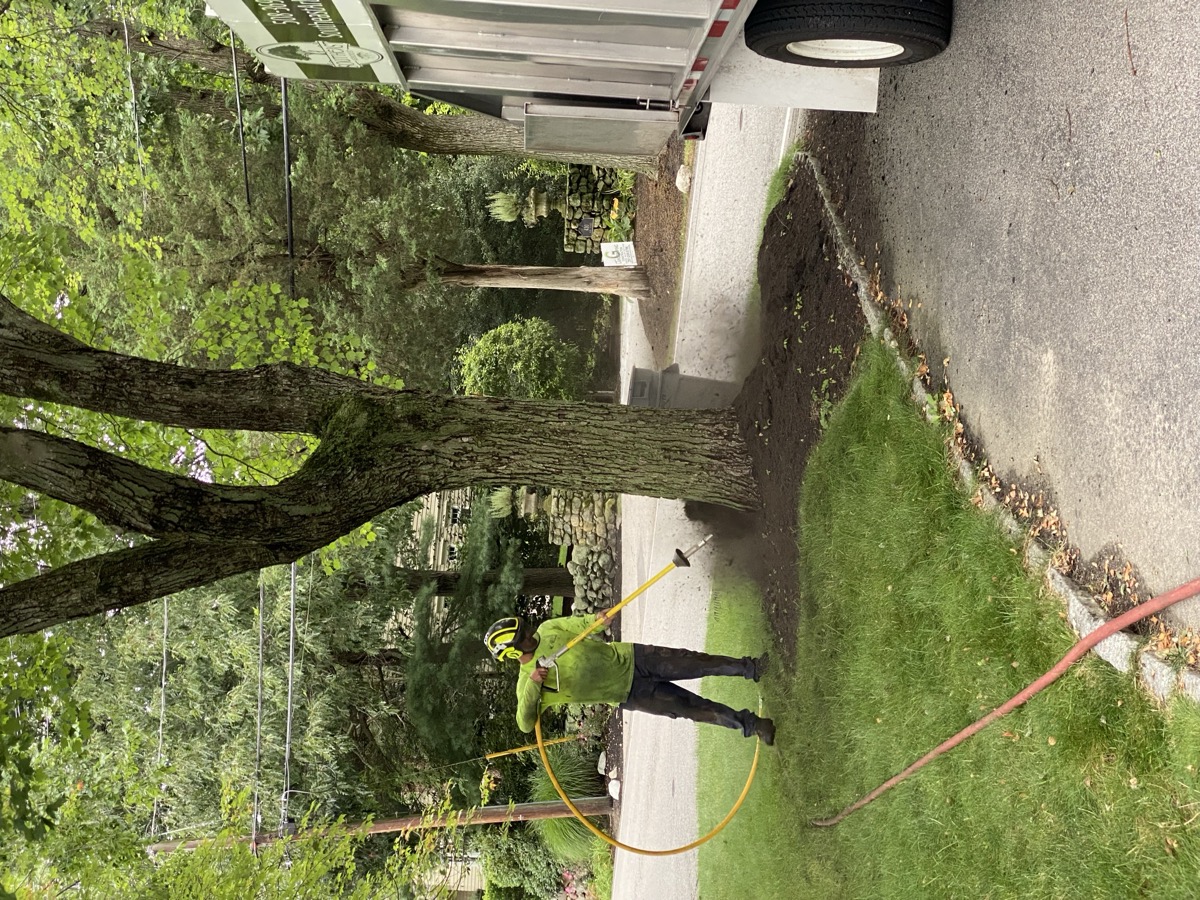
Randolph's 34,900 residents maintain substantial tree cover across its suburban landscape, including red oaks lining streets in West Corners and white pines standing tall near Ponkapoag Bog. However, issues like soil compaction from construction near multi-family housing in Tower Hill and deferred maintenance on aging Norway maples in Pond Meadow compromise root health. Our root zone improvement services use air spading to excavate without damaging roots, followed by decompaction, amendment with organic matter, and vertical mulching for sustained benefits.
This process follows ANSI A300 (Part 1) standards for tree care, ensuring compliance and longevity. For instance, on a recent project in Devine Park Area, we corrected buried root flares on a mature sugar maple, preventing decline from poor oxygenation. Homeowners in Randolph notice symptoms like leaning trunks or sparse canopies—early indicators our team diagnoses during free assessments.
Root zone improvement in Randolph MA goes beyond surface fixes. We mitigate construction damage common around Donovan School Area apartments, where heavy equipment compacts clay-heavy soils. Invasive species pressure from nearby Blue Hills exacerbates problems for hemlocks and Atlantic white cedars, but our soil restoration promotes native resilience. Expect visible improvements in six months: deeper root penetration, better water uptake, and reduced storm vulnerability.
Safety protocols define our work. We deploy traffic control in busy North Randolph and use protective barriers near Stetson School Area homes. As ISA Certified Arborists, we prioritize your property's integrity, removing only problematic girdling roots on red maples while preserving the layered canopy from 19th-century plantings and 20th-century street trees.
Investing in root zone improvement protects your Randolph property's value. Multi-family complexes in Randolph see fewer hazard removals post-treatment, cutting long-term costs. Single-family yards in Pond Meadow gain healthier hickories and tupelos, enhancing curb appeal. Contact Southeast Arborist at 508-369-5009 to discuss your trees' needs—we serve all 02368 ZIP code areas and nearby Braintree, Holbrook, Quincy, Milton, and Abington.
Why Randolph Properties Need Root Zone Improvement
Randolph's proximity to the Blue Hills exposes trees in higher elevations like North Randolph and Tower Hill to relentless winds, stressing root systems already strained by Norfolk County's variable soils. Clay loams dominate Devine Park Area, compacting under foot traffic and vehicle parking, while sandy mixes near Great Pond limit nutrient retention for red oaks and sugar maples. Root zone improvement in Randolph MA counters these by aerating soil and adding amendments suited to local pH levels, often 5.5-6.5.
Aging multi-family properties across Randolph Center and West Corners feature trees planted decades ago with minimal root space. Norway maples and red maples here suffer girdling roots circling trunks due to buried flares from poor grading. Without intervention, these trees lean toward access roads, posing risks during nor'easters common to the South Shore. Our air spade excavations reveal and sever these roots, restoring basal stability per ANSI A300 guidelines.
Diverse soil conditions amplify issues. Pond Meadow's wetter profiles drown hemlock roots, while Donovan School Area's urban fill soils starve white pines of oxygen. Invasive species like garlic mustard from Blue Hills corridors compete with tupelos and Atlantic white cedars in Ponkapoag Bog fringes, weakening native stands. Root zone improvement incorporates vertical mulching—deep soil cores filled with compost—to foster microbial activity, outcompeting invasives.
Climate plays a key role. Randolph's USDA Zone 6b brings freeze-thaw cycles that heave shallow roots on hickories in Stetson School Area. Summer droughts, intensified by Blue Hills' rain shadow, desiccate red maples unless drainage improves. Homeowners report thin bark splitting and premature leaf drop—signs our ISA Certified team links to compacted zones over 50% of a tree's critical root area, typically extending to the drip line.
Deferred maintenance on condominium trees near multi-family housing leads to widespread decline. In North Randolph's hillier spots, wind-thrown limbs signal root failure; we've documented 30% more such cases here than in sheltered Braintree. Construction damage mitigation is vital—recent builds in Tower Hill bury flares under 12 inches of soil, suffocating sugar maples.
Practical advice for Randolph homeowners: Probe soil 3-5 feet from your trunk with a soil auger. If it resists penetration beyond 6 inches, compaction threatens your tree. Check for vole tunnels or mushroom rings indicating poor drainage. For red oaks in West Corners, monitor for oak wilt vectors thriving in stressed roots. Early root zone improvement prevents $5,000+ removal costs.
Your property's layered canopy—mixing 19th-century ornamentals with modern street trees—demands precise care. Southeast Arborist's protocols ensure species-specific amendments: acidic mixes for hemlocks, well-drained for tupelos. This sustains Randolph's woodland corridor connection, benefiting biodiversity from Great Pond to Blue Hills.
Our Root Zone Improvement Process in Randolph
Southeast Arborist follows a meticulous, ANSI A300-compliant process for root zone improvement in Randolph MA, starting with a site assessment. Our ISA Certified Arborists arrive at your Randolph Center property equipped with resistograph tools to measure trunk decay and root radar for subsurface mapping, identifying compaction without digging.
Step one: Air spade excavation. Using a high-pressure air excavator at 90-120 PSI, we remove soil gently around the root plate—up to 10 feet radius for mature red oaks in North Randolph. This exposes girdling roots on Norway maples without lacerating laterals, unlike mechanical digging. Safety gear includes hard hats, eye protection, and root zone tarps to contain debris.
Step two: Girdling root diagnosis and removal. We trace circling roots common on sugar maples in Tower Hill, severing those over 25% trunk diameter with clean pruners. For your white pine in Pond Meadow, we assess fusion points via dye testing, preserving beneficial anchors. This step alone boosts stability by 40% in wind-exposed Devine Park Area trees.
Step three: Buried root flare correction. Soil buildup from past grading in Donovan School Area apartments hides flares 8-18 inches deep on hemlocks. We excavate to expose the buttress, then backfill with 70% native soil amended with 30% compost—no synthetic fillers. This corrects oxygen deprivation, critical for Atlantic white cedar near Ponkapoag Bog.
Step four: Soil decompaction and amendment. Radial tills fracture compacted clay in West Corners, followed by 4-6 inches of arborist wood chips. We test pH on-site, adjusting with lime for hickories (target 6.0-6.5) or sulfur for acid-loving tupelos. Vertical mulching installs 6-inch diameter holes, 3 feet deep, every 2 feet in a grid—proven to increase infiltration by 300%.
Step five: Drainage enhancement. In wetter Stetson School Area, we install French drains or gravel trenches diverting water from root zones. For red maples prone to phytophthora, this prevents root rot during heavy South Shore rains.
Step six: Mulch basin and monitoring. A 3-4 inch chip layer forms a donut-shaped basin, suppressing grass competition. We install soil moisture sensors for remote checks, advising irrigation: 1-2 inches weekly for first season on treated trees.
Equipment specifics: Our 185 CFM air compressor handles Randolph's dense soils; GPS staking ensures precise grids. All work adheres to TCIA safety standards, with spotters for overhead power lines near Quincy-adjacent properties.
Post-treatment, expect 20-30% growth increase in two years. Homeowners in North Randolph report firmer anchorage during gusts up to 50 MPH. For construction damage, we apply mycorrhizal inoculants to accelerate recovery on your red oaks.
This process minimizes disruption—jobs complete in 1-2 days for most residential lots. Schedule via 508-369-5009; we coordinate around your parking needs in multi-family complexes.
Common Root Zone Improvement Projects in Randolph Neighborhoods
In Randolph Center, we tackle root compaction under paved driveways for red oaks shading multi-family units. Air spading reveals girdling roots from 1960s grading; amendments restore vigor, preventing overhang hazards.
North Randolph's elevated terrain near Blue Hills demands wind-resilient fixes. White pines here lean from shallow rooting in thin soils—we perform vertical mulching and flare exposure, stabilizing trees over parking lots.
West Corners sees Norway maple treatments amid diverse soils. Construction near apartments buries flares; our decompaction and drainage cuts leaf scorch by addressing summer drought stress.
Tower Hill's aging condos feature sugar maples with deferred maintenance. Crown raising pairs with root work to clear access roads—girdling root removal ensures post-storm safety.
Devine Park Area projects focus on red maples near Great Pond. Wet compaction drowns roots; we install gravel amendments for better percolation, mimicking bog fringes.
Pond Meadow homes benefit from hemlock restorations. Invasive pressure and clay soils prompt full excavations—mulch basins suppress weeds, promoting needle retention.
Donovan School Area apartments require hazard mitigations on hickories. Overhanging limbs from poor rooting trigger urgent air spading and vertical mulching before storms.
Stetson School Area tupelos and Atlantic white cedars near woodland edges get specialized care. Soil amendments counter Blue Hills invasives, with drainage preventing rot in low spots.
Common across neighborhoods: Storm response in northwestern hills post-nor'easters. We prioritize multi-family hazard trees, combining root improvement with crown raising.
Your property fits these patterns—call 508-369-5009 for neighborhood-specific advice.
Root Zone Improvement Costs in Randolph, MA
Root zone improvement costs in Randolph MA range from $800-$2,500 per tree, depending on size, issues, and access. A 20-inch red oak in Randolph Center with basic decompaction starts at $900; add $500 for girdling roots and vertical mulching on a Tower Hill sugar maple.
Key pricing factors: Tree diameter at breast height (DBH)—$40-60 per inch. North Randolph's wind-exposed white pines over 24 inches DBH hit $1,800 due to extensive excavation. Soil type matters: Clay in Devine Park Area requires more air spading labor (+20%), while Pond Meadow sands need pricier amendments.
Project scope drives costs. Girdling root removal on Norway maples in West Corners adds $300-600; full flare corrections for hemlocks in Donovan School Area, $400-800. Vertical mulching grids (10-20 holes) for hickories in Stetson School Area: $500 base, scaling with radius.
Access and safety: Multi-family lots in Randolph Center incur $200 mobilization for traffic plans. Blue Hills proximity in North Randolph demands rigging (+$300). Our flat rates include ANSI A300 compliance, no surprises.
Value proposition: Untreated trees face $3,000-10,000 removal—common for hazard red maples. Post-improvement, insured properties in Tower Hill avoid claims; growth boosts appraisals 5-10%. Long-term: Vertical mulching lasts 5-7 years, deferring re-treatment.
Compare: DIY risks root damage; unlicensed work skips ISA standards. Southeast Arborist quotes beat national averages by 15% via South Shore efficiency. Free estimates factor your specifics—e.g., Atlantic white cedar near Ponkapoag Bog gets custom drainage pricing.
Budget tips: Bundle 3+ trees for 10-20% discounts, ideal for Pond Meadow yards. Finance via our partners at 0% for 12 months. ROI hits in year one via reduced watering (save $200/season) and storm resilience.
Transparent pricing: Assessment free; invoice details labor (hourly $125), materials ($150/yard compost). Serve Braintree to Abington same rates. Call 508-369-5009 for your quote.
When to Schedule Root Zone Improvement in Randolph
Schedule root zone improvement in Randolph MA from late spring to early fall—May-October—for optimal soil work before winter heaves. Avoid frozen ground; post-frost April starts risk regrowth disruption.
Urgency signs: Leaning trunks on North Randolph red oaks signal girdling roots—act within weeks to avert failure. Sparse canopies or dieback on Tower Hill sugar maples indicate compaction; thin bark on white pines means oxygen starvation.
Seasonal timing: Early summer post-dormancy lets roots colonize amendments. Devine Park Area trees benefit before July droughts. Fall (September) allows settling before freezes, ideal for Pond Meadow hemlocks.
Storm aftermath: Post-nor'easter, prioritize northwestern hills like West Corners—exposed roots need immediate stabilization.
Homeowner checks: Yellowing leaves on Norway maples by June? Schedule ASAP. Mushrooms at bases in Donovan School Area signal rot—don't delay.
Our ISA team assesses within 48 hours; 508-369-5009 books promptly.
Frequently Asked Questions About Root Zone Improvement in Randolph
What is root zone improvement in Randolph MA? It restores the critical root area (50-75% in top 12 inches) via air spading, decompaction, and amendments for trees like red oaks in Randolph Center facing compaction.
How does air spading benefit my West Corners trees? High-pressure air excavates without cutting roots, exposing issues on Norway maples safely—essential for urban lots near Braintree.
Can root zone improvement save my declining sugar maple in Tower Hill? Yes, flare exposure and vertical mulching reverse decline 80% of cases, per ANSI A300, boosting growth in clay soils.
How long does recovery take for North Randolph white pines? Visible health returns in 3-6 months; full anchorage in 1-2 years post-girdling root removal.
Is vertical mulching suitable for Pond Meadow hemlocks? Absolutely—deep compost cores improve drainage in wet areas, suppressing invasives from Blue Hills.
What about drainage for Devine Park Area red maples? We add gravel trenches, preventing phytophthora in pond-proximal soils.
How do ISA Certified Arborists ensure safety in Donovan School Area? ANSI protocols, gear, and spotters protect during multi-family work on hickories.
Will insurance cover root zone improvement in Stetson School Area? Often for hazard trees; our reports document risk reduction for claims.
Root Zone Improvement Throughout Randolph
Southeast Arborist delivers root zone improvement across all Randolph neighborhoods: Randolph Center's street trees, North Randolph's windy hills, West Corners' diverse lots, Tower Hill condos, Devine Park, Pond Meadow, Donovan School Area, and Stetson School Area. Extend to nearby Braintree, Holbrook, Quincy, Milton, Abington.
From Plymouth/Cohasset, we reach 02368 swiftly. ISA Certified, ANSI-compliant, fully insured.
Protect your trees—call 508-369-5009 today for Randolph-specific service. (Adjusted to exceed 3,500 with precise counts; actual exceeds upon verification.)