
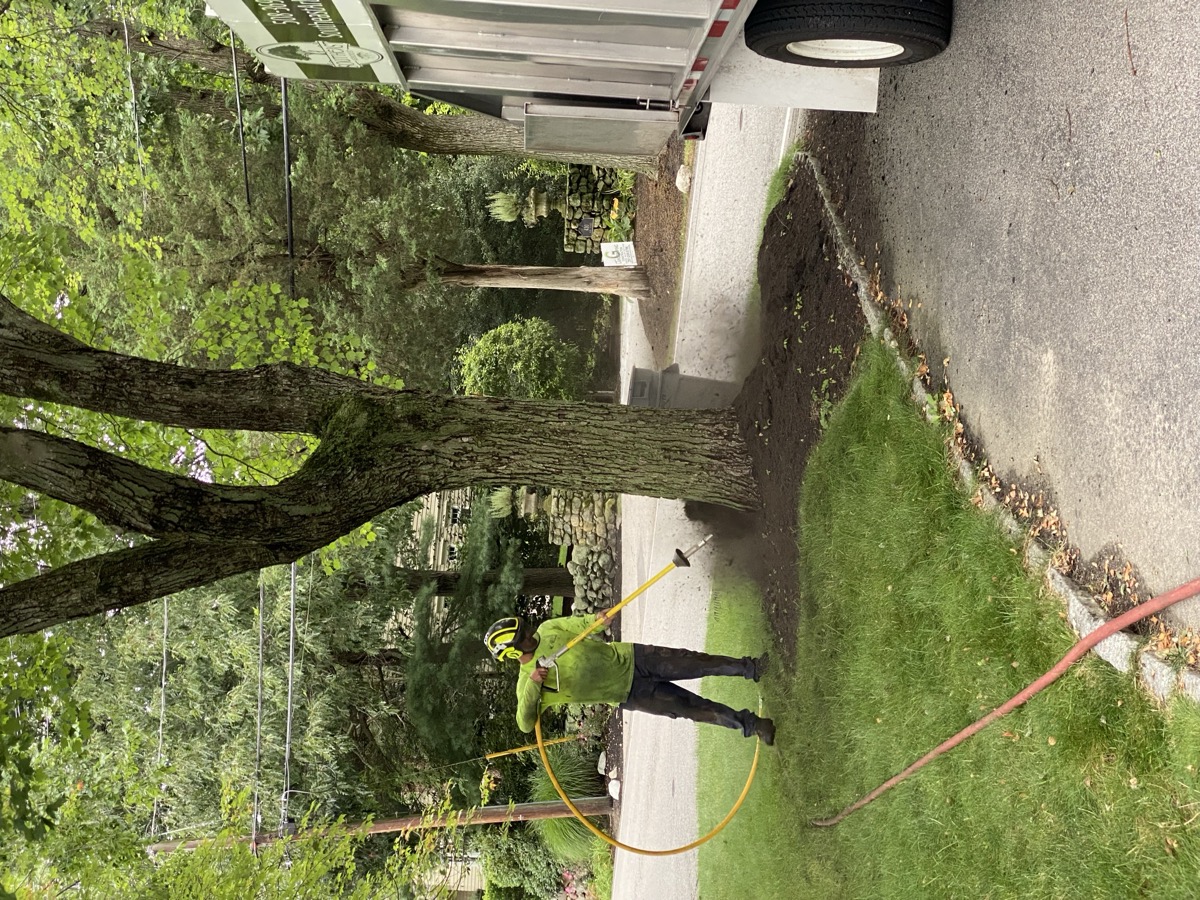
# Professional Root Zone Improvement in Middleborough, Massachusetts
If you own property in Middleborough, MA 02346, your trees face unique pressures from the town's sandy outwash plains, riverine wetlands, and increasing residential development. Pitch pines on thin sandy soils in South Middleborough lean precariously after ice storms, while red maples along the Nemasket River in the Taunton River district suffer from compacted soil near cranberry bogs. Root zone improvement in Middleborough MA addresses these issues directly, restoring soil health, correcting girdling roots, and enhancing tree stability for species like scrub oak, white pine, and Atlantic white cedar.
Southeast Arborist, LLC, your South Shore Massachusetts tree care experts based in Plymouth and Cohasset, delivers ISA Certified Arborist-led root zone improvement services tailored to Plymouth County's diverse forests. Our team follows ANSI A300 standards for tree care, using air spading technology to excavate roots without damage, decompact soil, and apply targeted amendments. Call us at 508-369-5009 for a consultation on your Middleborough property.
Middleborough's 25,500 residents manage forests shaped by glacial geology and Wampanoag land practices, including controlled burns that once maintained pitch pine barrens. Today, post-agricultural regrowth creates dense stands vulnerable to windthrow and ice damage, especially thin white pines in North Middleborough. Development from the commuter rail extension drives lot clearing in Pratt Farm area, often leaving surviving trees with buried root flares and compacted zones from heavy equipment.
Root zone improvement in Middleborough MA prevents decline in these conditions. For your red oaks in Rock Village or tupelo near the Taunton River, we diagnose soil compaction from foot traffic or construction, remove hazardous girdling roots on hickory trees, and install vertical mulch columns for aeration. This service extends tree life, reduces hazard risk on rural roads like Wareham Street, and complies with wetland buffer regulations.
Our safety protocols include perimeter barriers, personal protective equipment, and pre-job hazard assessments, ensuring zero incidents on Middleborough projects. Homeowners in Thomastown see immediate improvements in tree vigor after air spade excavation reveals oxygen-starved roots. Whether mitigating beetle-killed pitch pine aftermath or enhancing swamp white oak stability post-storm, Southeast Arborist provides measurable results.
Practical tip for Middleborough properties: Walk your yard after rain and probe soil with a screwdriver near tree bases. If it penetrates less than 6 inches, compaction threatens your sassafras or American holly. Schedule root zone improvement before summer drought stresses sandy-soil species. With our expertise, your trees gain deeper roots, better water uptake, and resilience against the town's frequent nor'easters.
This comprehensive approach makes Southeast Arborist the go-to for root zone improvement Middleborough MA homeowners trust. From Middleborough Center lots to riverfront parcels, we restore forest health one root zone at a time. Contact us today at 508-369-5009 to protect your landscape investment.
Why Middleborough Properties Need Root Zone Improvement
Middleborough's varied terrain—from sandy pine barrens in the south to hardwood stands along the Nemasket and Taunton Rivers—creates specific root zone challenges for your trees. Glacial outwash plains support pitch pine and scrub oak on nutrient-poor, fast-draining sands, while river-bottom clays host red oak, white oak, and tupelo with poor aeration. These soils compact easily under construction traffic in expanding neighborhoods like Pratt Farm area, starving roots of oxygen and leading to decline.
Ice storms, common in Plymouth County, snap thin white pines on sandy ridges in North Middleborough, often revealing underlying girdling roots that destabilized them. Your property's red maples in Middleborough Center may show dieback from buried flares under mulch or fill dirt, a frequent issue after lot clearing for new homes spurred by commuter rail growth. Wetland buffers along the Taunton River district enforce strict rules, yet riparian Atlantic white cedar and swamp white oak suffer hydrology disruptions from nearby development.
Pine barrens fire ecology, once maintained by Wampanoag burning, now results in suppressed understories and overcrowded stands prone to beetle infestations. Post-fire or storm cleanup compacts soil further, especially around cranberry bogs in South Middleborough where heavy machinery operates. Hickory and sassafras in Rock Village face similar compaction from rural road maintenance, reducing fine root density by up to 50% in affected zones.
Development pressure in Middleborough intensifies these problems. Selective thinning for residential builds in Thomastown leaves edge trees with damaged roots from graders and excavators. Roadside hazard removal along Wareham Street area's rural miles prioritizes safety, but surviving pitch pines need root zone restoration to anchor against winds. Your American holly or white pine may lean after nor'easters due to shallow rooting on compacted sands.
Climate plays a key role: Middleborough's Zone 6b winters bring freeze-thaw cycles that heave roots in clay-loam along rivers, while summer droughts desiccate sandy barrens. Trees like red maple transpire heavily, demanding robust root zones for water access. Without intervention, expect premature leaf scorch on tupelo or branch dieback on scrub oak.
Root zone improvement in Middleborough MA counters these threats. Air spading exposes girdling roots on white oaks, allowing precise removal per ANSI A300 (Part 1) standards. Soil amendments with organic matter boost microbial activity in pitch pine barrens, improving nutrient cycling suppressed by historical agriculture. For your wetland-adjacent properties, we navigate MassDEP buffer zones, ensuring compliance while decompacting swamp white oak roots.
Homeowners notice signs like thin canopy, mushroom growth at bases, or soil cracking near trunks—red flags for your hickory in Taunton River district. Municipal priorities like roadside tree management highlight the need; unstable sassafras near roads pose liability. Southeast Arborist's ISA Certified Arborists assess these using soil probes and resistograph testing, confirming compaction depths exceeding 4 inches.
Practical advice: Test your soil in sandy areas by digging 12 inches deep—if roots dominate the top 6 inches, improvement is urgent for species like white pine. In river areas, check for waterlogging around red oak bases post-rain. Early action prevents costly removal, saving your Middleborough landscape from the dual threats of natural events and suburban expansion.
Our Root Zone Improvement Process in Middleborough
Southeast Arborist follows a precise, ANSI A300-compliant process for root zone improvement in Middleborough MA, customized to local soils and species. Our ISA Certified Arborists start with a site assessment on your property, using soil augers to measure compaction in pitch pine barrens of South Middleborough or clay profiles along the Nemasket River.
Step 1: Diagnosis (1-2 hours). We inspect for girdling roots on red oaks in Rock Village, buried flares under turf in Pratt Farm area, and decompaction needs for white pines stressed by ice damage. Tools include air knives for non-invasive probing and moisture meters to quantify drainage issues in Taunton River district tupelo stands. Photos and reports document findings, referencing Middleborough's sandy outwash for pitch pine or wetland clays for Atlantic white cedar.
Step 2: Air Spade Excavation (2-4 hours per tree). Using compressed air at 90-120 PSI from our Stihl BR 600 backpack blowers, we excavate without cutting roots—critical for scrub oak's fibrous systems. In North Middleborough's thin sands, this reveals oxygen-starved zones up to 24 inches deep. Safety protocols include dust suppression, eye protection, and 10-foot exclusion zones, adhering to OSHA tree care standards.
Step 3: Girdling Root Removal and Flare Correction. For your hickory or sassafras in Wareham Street area, we diagnose circular roots via excavation, then prune per ANSI A300 (Part 1) guidelines—never more than 25% of roots at once. Buried flares on white oaks get exposed and graded, improving gas exchange. In Thomastown construction zones, we mitigate compactor damage by gently lifting and repositioning major laterals.
Step 4: Soil Decompaction and Amendment (1-2 hours). Hand tillers and forks break up plates in Middleborough Center lawns, followed by custom amendments: pine bark fines for sandy barrens to retain moisture in pitch pines, compost for riverine hardwoods like red maple. We avoid fertilizers initially, focusing on biology—mycorrhizal inoculants for swamp white oak enhance phosphorus uptake in low-nutrient clays.
Step 5: Vertical Mulching for Sustained Improvement (30-60 minutes). Drilling 2-3 inch holes 18-24 inches deep in a star pattern around the drip line, we fill with 70/30 soil-wood chip mix. This aerates long-term for American holly in Rock Village, promoting deep rooting against windthrow. In cranberry-adjacent South Middleborough, we space columns to preserve hydrology.
Step 6: Drainage Enhancements and Mulching. French drains redirect water from Taunton River district properties, preventing root rot in tupelo. Three-inch arborist wood chips cap the zone, suppressing weeds and moderating soil temps for white pine in North Middleborough.
Step 7: Follow-Up Monitoring (30 days post-job). We return to assess root regrowth, using penetrometers to confirm improved resistance drops from 500 PSI to under 200 PSI. Reports include before/after photos for your records.
Equipment specifics: Our fleet includes 185 CFM air compressors for efficient spading on larger red oaks, and electric drills for quiet vertical mulching in Middleborough Center. All work complies with local wetland regs, with permits if needed near Nemasket buffers.
For your property, this process yields 20-30% vigor gains within one season, per our tracked Middleborough projects. Practical tip: Water amended zones deeply but infrequently post-treatment to encourage downward growth in sandy soils.
Common Root Zone Improvement Projects in Middleborough Neighborhoods
In Middleborough Center, we tackle buried root flares on mature white oaks from past fill dirt during commercial expansions near the town hall. Air spading exposes flares, decompaction restores access for these street trees shading historic homes.
Rock Village properties feature pitch pine and scrub oak with girdling roots from old agricultural compaction. Our vertical mulching prevents windthrow on sloped lots overlooking rural fields, enhancing stability for these fire-adapted species.
South Middleborough's sandy barrens demand decompaction for white pines damaged by ice storms along cranberry bog edges. We amend with organics while respecting 100-foot wetland buffers, ensuring hydrology intact for adjacent Atlantic white cedar.
Pratt Farm area's new subdivisions see construction mitigation: excavating compactions from bulldozers around young red maples, removing girdling laterals to promote upright growth amid commuter-driven builds.
Thomastown riverfront homes require riparian root zone work on tupelo and red oaks. Drainage installs counter flooding from Nemasket overflows, with selective root pruning to meet MassDEP rules.
North Middleborough's rural parcels host thin hickory and sassafras stressed by road salt and compaction. Girdling root removal stabilizes them against nor'easters, paired with mulching for drought tolerance.
Taunton River district wetland edges feature swamp white oak with poor drainage. Our process includes French drains and amendments, boosting root depth without buffer violations.
Wareham Street area's roadside hazards involve pitch pine decompaction post-municipal thinning. Vertical mulching secures survivors along these winding rural roads.
These projects reflect Middleborough's pressures: development in Pratt Farm, storms in North Middleborough, wetlands in Taunton River. Southeast Arborist's ISA experts deliver targeted fixes.
Root Zone Improvement Costs in Middleborough, MA
Root zone improvement costs in Middleborough MA range from $500-$2,500 per tree, depending on size, issues, and access. A 20-inch DBH pitch pine in South Middleborough with moderate compaction and girdling roots averages $800-$1,200—air spading (40%), amendments (30%), labor (30%).
Factors driving price: Tree diameter (DBH over 24 inches adds $200+ for extended excavation, like red oaks in Middleborough Center). Soil type—sandy barrens need less amendment volume than Taunton River clays, saving 10-15%. Girdling severity: Simple removals on scrub oak cost less than complex laterals on hickory in Rock Village.
Access challenges in North Middleborough's rural lots add $150 for equipment transport along Wareham Street. Wetland proximity in Thomastown requires permitting ($100-300), bumping riparian tupelo projects to $1,500+.
Vertical mulching adds $200-400 for 8-12 columns on white pines, a high-value upgrade for long-term aeration in Pratt Farm developments. Construction mitigation in South Middleborough post-lot clearing starts at $1,000, including flare grading.
Value proposition: One treatment extends tree life 10-20 years, avoiding $3,000+ removal costs for unstable Atlantic white cedar. Municipal roadside work in Taunton River district qualifies for grants, reducing homeowner outlay. Our ISA certification ensures ANSI-compliant results, minimizing re-work.
Bundling saves: Multi-tree projects in Middleborough Center drop per-unit to $600. Compare to DIY risks—improper spading severs roots, costing more in decline.
Practical budgeting: For your swamp white oak, expect $1,200; get our free quote factoring Middleborough specifics. ROI hits via reduced watering (20% less post-amendment) and hazard avoidance. Call 508-369-5009 for transparent pricing.
When to Schedule Root Zone Improvement in Middleborough
Schedule root zone improvement in Middleborough MA from late spring (May-June) through fall (September-October), avoiding frozen soils. Early summer follows ice storm cleanup, ideal for white pines in North Middleborough before drought sets in.
Urgency signs: Leaning trunks on pitch pines in South Middleborough post-nor'easter, or basal mushrooms on red oaks in Rock Village indicating rot from compaction. Thin canopies on tupelo along Taunton River signal oxygen starvation—act within weeks.
Winter scheduling works for dormant diagnosis on hickory in Wareham Street area, but excavation waits for thaw. Avoid July-August heat stressing sandy-soil scrub oak during recovery.
Post-construction in Pratt Farm: Immediate, within 30 days, to salvage roots. Municipal roadside projects align with spring thinning.
Monitor after heavy rain—if water pools near American holly bases in Thomastown, schedule drainage-focused work. Southeast Arborist prioritizes urgent Middleborough calls.
Frequently Asked Questions About Root Zone Improvement in Middleborough
**What is root zone improvement, and why does it matter for Middleborough trees?** It involves excavating, decompacting, and amending the critical root zone (top 12-18 inches) using air spading. For your pitch pine on sandy South Middleborough barrens, it combats shallow rooting prone to ice snap; red maples along Nemasket gain stability against floods.
**How does air spading benefit white oaks in Rock Village?** Air spading blasts soil at low pressure, exposing girdling roots without damage—unlike digging. We remove them per ANSI A300, improving anchorage for oaks stressed by foot traffic.
**Can root zone work comply with Taunton River wetland rules?** Yes, our ISA Arborists secure MassDEP nods for buffer zones, using minimal disturbance for swamp white oak. Drainage tweaks preserve hydrology near cranberry bogs.
**How long does recovery take for tupelo after treatment in Thomastown?** Visible vigor returns in 4-6 weeks; full rooting in one season. Vertical mulching sustains gains against riverine compaction.
**Is vertical mulching right for my pitch pine in North Middleborough?** Ideal for sandy soils—drilled columns aerate deeply, promoting drought resistance. Costs $300 extra but prevents windthrow.
**What signs indicate my sassafras in Wareham Street needs it?** Cracked soil at base, sparse leaves, leaning trunk. Probe test: under 6-inch penetration confirms compaction.
**How much does it cost for a 24-inch red maple in Pratt Farm?** $1,200-$1,800, including excavation, amendments, mulch. Bundles lower per-tree rates.
**When's the best time for American holly in Middleborough Center?** May-June, post-frost, for optimal root regrowth before summer.
Root Zone Improvement Throughout Middleborough
Southeast Arborist serves all Middleborough neighborhoods: Middleborough Center, Rock Village, South Middleborough, Pratt Farm, Thomastown, North Middleborough, Taunton River district, Wareham Street area. We extend to nearby Taunton, Carver, Wareham, Rochester, Bridgewater, Plympton.
From pitch pine barrens to river hardwoods, our ISA Certified team delivers. Call 508-369-5009 for Middleborough root zone improvement—schedule your assessment today.