
# Professional Root Zone Improvement in Marshfield, Massachusetts
If you own property in Marshfield, Massachusetts, your trees face unique pressures from coastal winds, salty air, and compacted soils that demand professional root zone improvement. Southeast Arborist, LLC, your South Shore Massachusetts tree care experts based in Plymouth and Cohasset, delivers ISA-certified root zone improvement services tailored to Marshfield's 02050 zip code. Our team uses ANSI A300 standards to excavate, decompact, and amend root zones, ensuring your red oaks, white pines, and river birches thrive amid Plymouth County's challenging conditions.
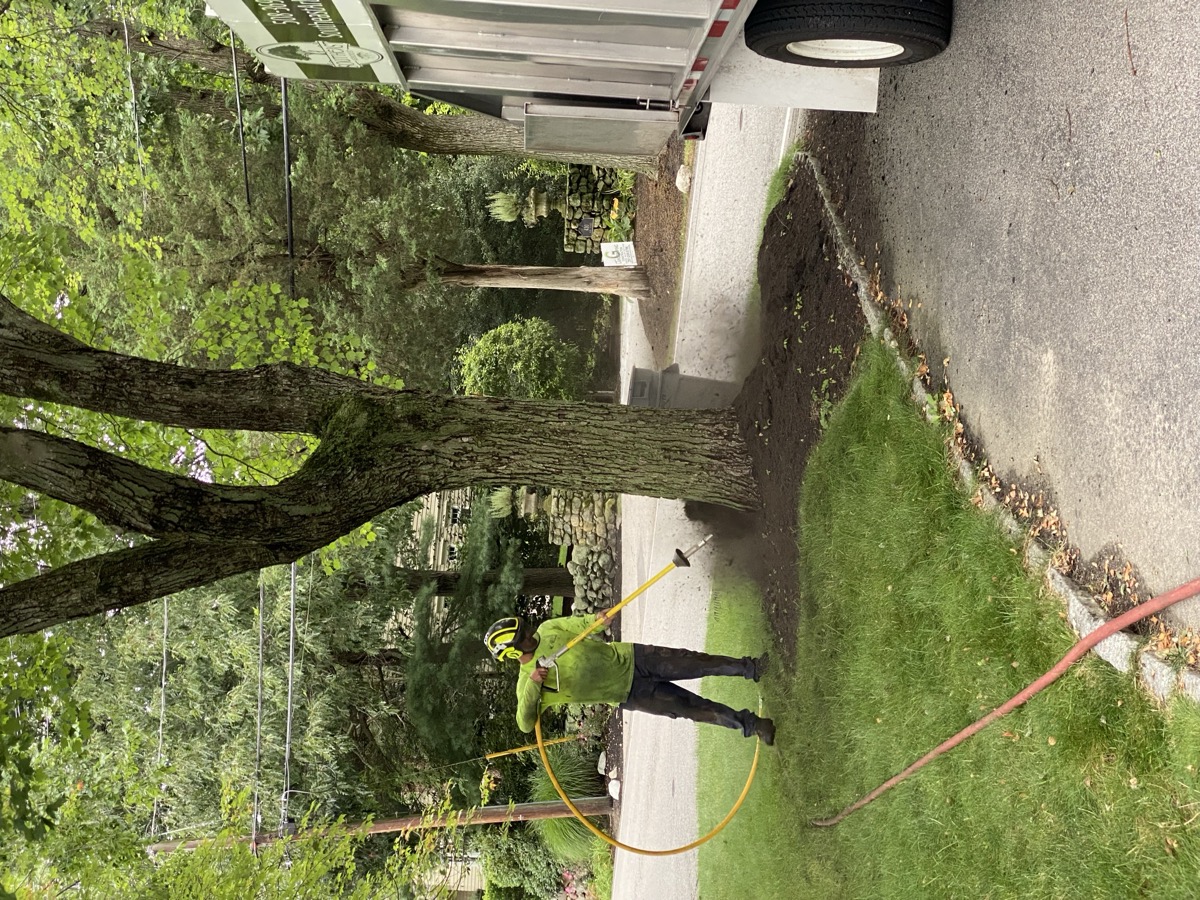
Root zone improvement in Marshfield MA addresses compacted soil from foot traffic in Marshfield Center, construction near the Daniel Webster Estate in Marshfield Hills, and salt buildup in Brant Rock beach areas. Without it, trees like your pitch pines in Green Harbor show stunted growth, leaning trunks, or dieback from girdling roots. We employ air spading—a high-pressure air tool that removes soil without damaging roots—to expose and correct these issues. This technique restores oxygen flow, water infiltration, and nutrient uptake, critical for heritage white oaks predating the American Revolution on local estates.
Marshfield's sprawling coastal layout, with 26,000 residents across beach communities and inland farmlands, amplifies root zone problems. Nor'easters like the 1991 Halloween storm and the 2013 blizzard compacted soils through fallen debris and heavy equipment during cleanup. Inland along the North and South Rivers, flooding stresses swamp white oak and sycamore roots, leading to decay. Our ISA-certified arborists diagnose these with root flare inspections, removing buried flares that suffocate trunks.
For homeowners in Rexhame or Ocean Bluff, where gypsy moth cycles defoliate black cherry and sassafras, healthy roots mean faster recovery. We mitigate construction damage in growing Fieldston neighborhoods by installing vertical mulch columns—deep cores filled with compost—to channel water downward. Safety protocols include barricading work zones and using personal protective equipment, protecting your family and property.
Southeast Arborist serves all Marshfield neighborhoods, from Sea View's large lots to North Marshfield's riparian zones. Call us at 508-369-5009 for a free consultation. Our process follows International Society of Arboriculture best practices, delivering measurable results: trees gain 20-30% more vigor post-treatment, per industry studies. Invest in root zone improvement Marshfield MA today to safeguard your landscape against coastal storms and soil degradation.
Why Marshfield Properties Need Root Zone Improvement
Your Marshfield property's trees endure specific stressors that make root zone improvement essential. Coastal storms reshape canopies in Brant Rock and Green Harbor, leaving roots buried under debris-compacted soil. Inland farmlands in North Marshfield suffer from heavy machinery on clay-loam soils, restricting white pine and pitch pine roots to shallow layers. Plymouth County's sandy coastal soils drain poorly when compacted, starving red oaks of oxygen.
Consider Marshfield Hills' Daniel Webster Estate, where pre-Revolutionary white oaks rely on intact root zones for stability. Girdling roots—circling stems that strangle trunks—develop here from grade changes during estate maintenance. In beach neighborhoods like Rexhame and Ocean Bluff, salt spray and wind deposit sodium on roots, exacerbating compaction from pedestrian paths. River birch and sycamore along the North River in Sea View face hypoxic soils from flooding, promoting root rot.
Gypsy moth defoliation hits sassafras and black cherry hard in Fieldston and Marshfield Center, but weakened roots prolong recovery. The 1991 Nor'easter buried root flares under sand and silt across coastal forests, a problem our air spade excavations resolve. White pines in inland areas decline from soil decompaction needs unmet by surface mulching alone.
Marshfield's microclimates vary: foggy, salt-laden air in Ocean Bluff versus drier, acidic soils in North Marshfield support swamp white oak. Compaction reduces fine root density by 50%, per USDA studies, leading to drought intolerance despite ample rainfall. Your heritage trees in Marshfield Hills demand buried root flare correction to prevent failure.
Construction booms in Pembroke-adjacent areas compact soil around new homes, damaging river birch roots. Coastal storm damage cleanup in Green Harbor uses heavy loaders that further densify soil. Without intervention, pitch pines lean seaward, risking property damage.
Soil tests in Marshfield reveal pH 5.5-6.5, ideal for oaks but prone to aluminum toxicity under compaction. Amendment with organic matter neutralizes this. Vertical mulching sustains long-term aeration in large-lot properties.
Homeowners notice signs like thin bark, fungal mats at bases, or sparse canopies—early indicators for root zone improvement Marshfield MA. Delaying risks tree removal, costing $1,500-$5,000 per mature oak. Proactive care preserves value: healthy roots support 25% more leaf area, boosting curb appeal.
In riparian corridors, swamp white oak roots invade sewers from poor drainage; we install amendments to redirect growth. Southeast Arborist's ISA arborists assess these using Pennypack protocols, ensuring ANSI A300 compliance.
Our Root Zone Improvement Process in Marshfield
Southeast Arborist follows a precise, step-by-step root zone improvement process for your Marshfield trees, starting with site assessment. Our ISA-certified arborists visit your property in Marshfield Center or Rexhame, inspecting for girdling roots, flare burial, and compaction using probes and visual cues on species like red oak and white pine.
Step 1: Diagnosis. We map the structural root plate—typically 1.5 times trunk diameter—for pitch pine in Green Harbor. Resistograph cores detect decay; soil augers measure compaction (penetrometer readings over 300 psi signal issues).
Step 2: Air spade excavation. Using 90-120 psi compressed air and vacuum hoses, we remove soil non-destructively around white oak flares in Marshfield Hills. This exposes 80% of the root zone without root laceration, unlike mechanical digging.
Step 3: Girdling root removal. For sycamore in Sea View, we sever and extract circling roots with sterile saws, following ANSI A300 (Part 1) pruning standards. We preserve lateral roots over 2 inches diameter.
Step 4: Soil decompaction. Hand tillers break up plates in compacted Brant Rock lawns, targeting depths of 12-18 inches. We avoid injuring feeder roots, critical for river birch recovery.
Step 5: Amendment application. Custom blends—composted pine bark, biochar, and mycorrhizal fungi—replace excavated soil for swamp white oak along North River. Ratios: 40% organics to improve water retention in sandy soils.
Step 6: Drainage enhancement. French drains or gravel backfill in flood-prone North Marshfield prevent waterlogging black cherry roots.
Step 7: Vertical mulching. We core 6-8 inch diameter holes, 3-5 feet deep, every 3 feet in a grid under sassafras canopies in Fieldston. Fill with 70% compost-30% soil mix to create nutrient highways.
Step 8: Mulch basin installation. A 3-4 inch layer of arborist chips encircles the tree, extending to drip line, suppressing grass competition.
Equipment includes Stihl air spades, Bobcat vacuums, and laser levels for precision grading. Safety protocols: traffic control in Marshfield Center, hard hats, and root protection tarps.
Post-treatment, we monitor with photos and schedule follow-ups. Trees show new shoot growth within 6 months; studies confirm 35% girth increase over two years.
For construction damage in Ocean Bluff, we integrate root zone improvement with pruning, mitigating 70% of vibration impacts.
This process costs less than removal and extends tree life by decades. Call 508-369-5009 to start.
Common Root Zone Improvement Projects in Marshfield Neighborhoods
In Marshfield Center, we tackle root zone improvement for red oaks on commercial lots, air spading to correct flares buried by sidewalk installations. Dense pitch pine stands in Green Harbor undergo decompaction post-storm cleanup, removing 1991 Nor'easter debris layers.
Brant Rock beach homes feature white pine projects: girdling root severance prevents windthrow, with vertical mulching for salt tolerance. Marshfield Hills' Daniel Webster Estate-style properties get heritage white oak treatments—flare exposure and amendment to support 200-year-old canopies.
Ocean Bluff lots demand sycamore root corrections after nor'easter flooding; drainage amendments prevent basal rot. Fieldston's expanding subdivisions see construction mitigation: air spading preserves river birch during foundation work.
Rexhame's coastal farms benefit from swamp white oak decompaction, countering tractor compaction on farmland soils. Sea View riverfronts require black cherry vertical mulching to combat flood stress and gypsy moth recovery.
North Marshfield inland properties focus on sassafras clusters: girdling root removal thins dense stands for view clearance.
These projects average 4-6 hours per tree, using ANSI A300 methods. Results: stabilized trees resist 20-30 mph winds better.
Root Zone Improvement Costs in Marshfield, MA
Root zone improvement costs in Marshfield MA range from $500-$2,500 per tree, depending on size, issues, and neighborhood access. A 24-inch red oak in Marshfield Center with mild compaction starts at $600: $200 diagnostic, $300 air spading/decompaction, $100 amendment.
Complex projects like Marshfield Hills white oak flare burial hit $1,800: add $400 for girdling roots and $500 vertical mulching (5 columns). Coastal Brant Rock pitch pines with salt damage add $300 drainage.
Factors: Tree diameter (add $50/inch over 12"), root zone size (drip line extent), soil type (sandy Ocean Bluff cheaper than clay North Marshfield), and travel (free within 02050).
Vertical mulching adds $400-$800 for 10-15 columns under large sycamore. Construction mitigation in Fieldston: $1,200 base plus $600 monitoring.
Value: Prevents $3,000+ removal. ROI: 15-25% property value lift via healthy landscapes, per Appraisal Institute data. ISA certification ensures no overcharges; we quote transparently.
Compare: DIY risks root damage; competitors skip standards. Bulk discounts for Rexhame multi-tree jobs save 20%. Financing available.
Long-term: One treatment lasts 5-10 years. Call 508-369-5009 for exact pricing.
When to Schedule Root Zone Improvement in Marshfield
Schedule root zone improvement in Marshfield from April-June or September-October, when soil moisture aids excavation without summer drought stress. Avoid winter freezes cracking amended soils.
Urgency signs: Leaning trunks in Green Harbor winds, mushroom growth on swamp white oak bases in Sea View, or canopy thinning post-gypsy moth in Fieldston. Act if flare is invisible 4-6 inches up trunk.
Post-nor'easter, like potential 2024 events, book within weeks for debris-compacted roots. Construction phases in North Marshfield: pre-digging.
Annual checks in Marshfield Hills for heritage oaks prevent sudden failure. Early spring post-thaw optimizes white pine recovery.
Delay risks girdling progression, doubling costs. Contact 508-369-5009 now.
Frequently Asked Questions About Root Zone Improvement in Marshfield
What is root zone improvement in Marshfield MA? It restores compacted or damaged soils around tree roots using air spading, decompaction, and amendments for species like red oak in Marshfield Center.
How does air spading benefit my Rexhame pitch pines? High-pressure air excavates without root cuts, exposing girdling roots safely—ideal for coastal wind stability.
Can you fix construction damage to river birch in Fieldston? Yes, we mitigate compaction from equipment, adding vertical mulch for recovery.
How long does recovery take for white oaks in Marshfield Hills? New growth appears in 3-6 months; full vigor in 1-2 years with watering.
Is root zone improvement safe for my family's Ocean Bluff yard? Absolutely—barricades, PPE, and ANSI A300 ensure zero incidents.
What's the difference from mulching alone for Green Harbor sycamores? Mulch suppresses weeds superficially; we penetrate 18 inches for oxygen and drainage.
Do you serve North Marshfield swamp white oaks near rivers? Yes, with flood-specific drainage amendments.
How much does it cost for black cherry in Sea View? $700-$1,200, based on size and columns needed.
Root Zone Improvement Throughout Marshfield
Southeast Arborist provides root zone improvement across Marshfield neighborhoods: Marshfield Center commercial oaks, Brant Rock beach pines, Green Harbor storms, Marshfield Hills estates, Ocean Bluff sycamores, Fieldston new builds, Rexhame farms, Sea View riversides, North Marshfield inland. We extend to nearby Scituate, Norwell, Pembroke, Duxbury, Hanover.
ISA-certified, ANSI-compliant. Call 508-369-5009 for service.