
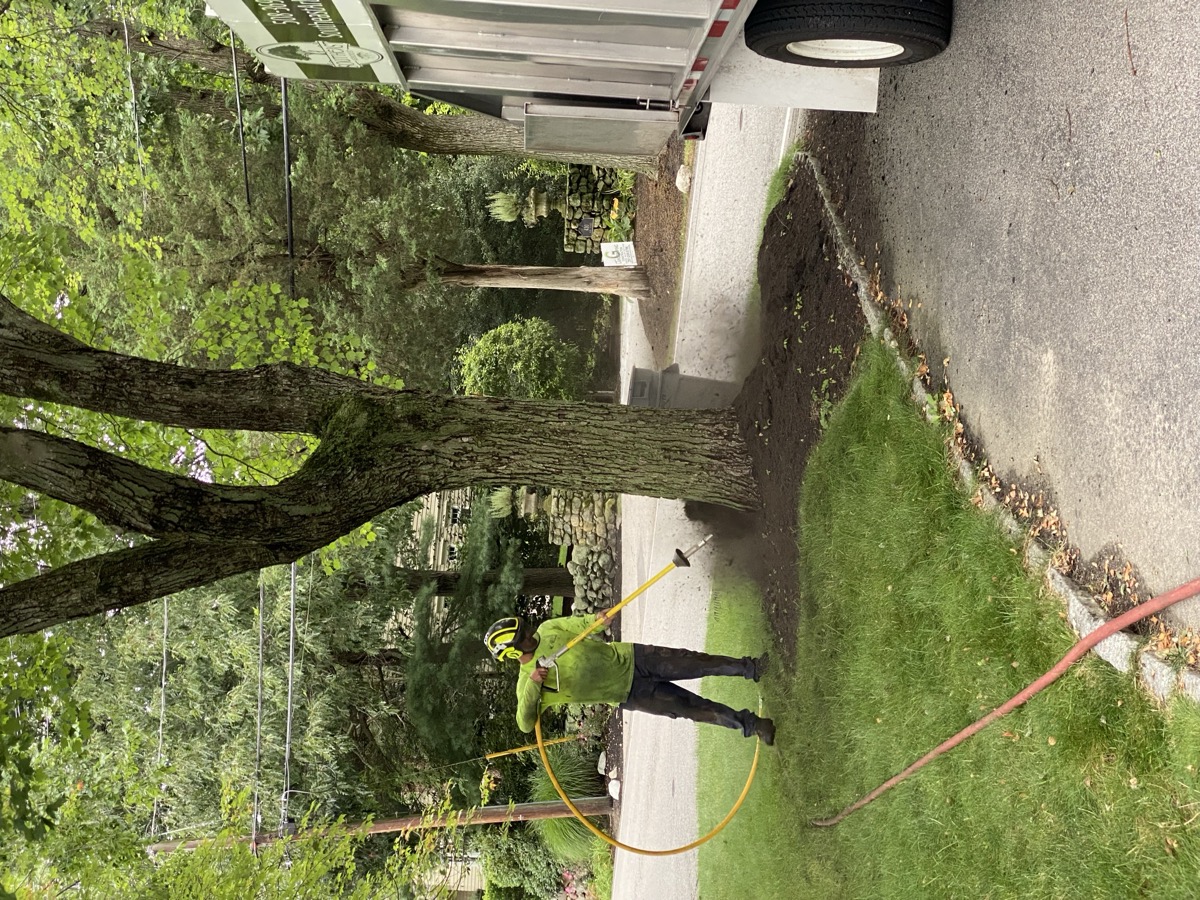
# Professional Root Zone Improvement in Barnstable, Massachusetts
If you own property in Barnstable, Massachusetts—whether in bustling Hyannis, upscale Osterville, or wooded West Barnstable—your trees face unique pressures from sandy coastal soils, salt spray, and frequent storms. Root zone improvement in Barnstable MA addresses these challenges directly, restoring soil health around tree bases to boost anchorage, water uptake, and overall vigor. At Southeast Arborist, LLC, our ISA Certified Arborists deliver this specialized service across Barnstable County, using ANSI A300 standards to ensure treatments meet industry benchmarks for tree health and safety.
Barnstable, Cape Cod's largest town with a population of around 48,000, spans from Cape Cod Bay to Nantucket Sound, encompassing seven distinct villages: Hyannis, Centerville, Osterville, Marstons Mills, Barnstable Village, Cotuit, and West Barnstable, plus Cummaquid. This geography exposes trees to relentless coastal winds, erosion from nor'easters like the infamous 1991 Halloween storm, and nutrient-poor sandy soils that limit root expansion. Common species such as pitch pine, scrub oak, black oak, white oak, eastern red cedar, Atlantic white cedar, American holly, sassafras, and black cherry dominate the landscape, from Sandy Neck's barrier beach barrens to the Great Marshes and conservation lands in West Barnstable.
Root zone improvement in Barnstable MA isn't a one-size-fits-all fix; it's a targeted intervention. Our process starts with air spading to excavate compacted soil without damaging roots, revealing issues like girdling roots that strangle trunks or buried root flares suffocating oxygen intake. We then decompact soil, remove hazards, amend with organic matter suited to Barnstable's acidic sands, and install vertical mulch columns for sustained nutrient delivery. This approach mitigates construction damage common in growing neighborhoods like Marstons Mills and prevents failures in salt-stressed pitch pines along Hyannis shorelines.
Homeowners in Barnstable benefit immediately: healthier trees withstand winter moth defoliation on oaks, pine bark beetle attacks on stressed pitch pines, and coastal erosion undermining roots. Southeast Arborist, based in nearby Plymouth and Cohasset, serves the entire South Shore, including Barnstable's villages, with full safety protocols including traffic control and protective barriers. We've helped properties from Osterville estates recover post-storm root exposure to Cotuit harborside lots combat salt damage.
Consider your own trees—leaning pitch pines in West Barnstable's pitch pine-scrub oak barrens or defoliated white oaks in Centerville. Signs like thin canopies, dieback, or mulch volcanoes signal root zone distress. Our service follows International Society of Arboriculture (ISA) best practices, ensuring long-term stability. For root zone improvement in Barnstable MA, contact Southeast Arborist at 508-369-5009 for a site-specific assessment. We prioritize your trees' resilience against Cape Cod's harsh environment, delivering results that protect property values and landscapes for decades.
Why Barnstable Properties Need Root Zone Improvement
Barnstable's coastal position in Barnstable County creates root zone challenges unmatched inland. Sandy soils, with low water retention and poor nutrient holding capacity, restrict root growth for species like pitch pine and scrub oak prevalent in West Barnstable's conservation areas. These glacial outwash sands, characteristic from Sandy Neck to Cummaquid, compact easily under foot traffic or construction, starving roots of oxygen and leading to decline.
Salt spray from Cape Cod Bay and Nantucket Sound hits exposed properties hardest, especially in Hyannis and Barnstable Village. Eastern red cedar and Atlantic white cedar along shorelines absorb sodium, disrupting root function and causing chlorosis. Pitch pines in Osterville dunes suffer salt-killed needles, weakening roots further. Combine this with coastal erosion—exacerbated by winter storms and the 1991 Nor'easter—and roots lose anchorage, as seen in toppled black oaks along Centerville beaches.
Winter moth infestations, peaking in the 2000s and 2010s, defoliated oaks across Marstons Mills and Cotuit, stressing root systems already battling sandy soils. Stressed pitch pines then invite pine bark beetle, burrowing into weakened cambium and accelerating root zone decay. Your white oaks or black cherry in Barnstable Village may show sparse foliage or premature leaf drop as roots fail to support recovery.
Climate amplifies these issues: average annual rainfall of 45 inches leaches nutrients from sands, while freeze-thaw cycles compact soil around American holly and sassafras in Cummaquid yards. Overcrowded stands in West Barnstable's barrens lead to girdling roots, where surface roots wrap trunks, constricting vascular flow—a common find in our assessments.
Construction in expanding neighborhoods like Marstons Mills buries root flares under fill soil, inviting rot in eastern red cedar. Mulch volcanoes—piled mulch against trunks—trap moisture, fostering fungal pathogens in Atlantic white cedar bases. Without intervention, these compromise tree stability, risking failure during nor'easters that reshape Barnstable's canopy yearly.
Root zone improvement in Barnstable MA counters this by excavating compacted layers, exposing girdling roots for removal, and amending with compost tailored to pH levels around 5.0-6.5. For your coastal pitch pines, we enhance drainage to flush salts; for inland scrub oaks, we boost organic matter to 5-10% for better water holding. Homeowners see 20-30% vigor gains within one season, per ISA studies on similar soils.
Practical advice: Inspect your trees annually post-winter for leaning trunks or exposed roots near driveways in Hyannis. Avoid tilling near bases, as it severs feeder roots in black oaks. In Osterville, test soil salinity if needles yellow—levels over 1,000 ppm demand amendment. Southeast Arborist's ISA Certified team identifies these early, preventing costly removals. Your Barnstable property's trees deserve this precision to thrive amid local pressures.
Our Root Zone Improvement Process in Barnstable
Southeast Arborist follows a meticulous, ANSI A300-compliant process for root zone improvement in Barnstable MA, tailored to local sandy soils and species. We begin with a site assessment by ISA Certified Arborists, evaluating your pitch pine in West Barnstable or white oak in Centerville for symptoms like canopy thinning or trunk girdling.
Step 1: Diagnostic Air Spading. Using high-pressure air spades (up to 2,000 PSI), we excavate soil non-destructively around the root plate—typically 1.5 times the trunk diameter. This reveals buried flares in black oaks from Marstons Mills fill dirt or girdling roots circling scrub oak trunks in Cotuit. Safety protocols include perimeter barriers and spotters, essential near Hyannis roads.
Step 2: Girdling Root Diagnosis and Removal. We identify roots compressing trunks—common in overcrowded eastern red cedar along Barnstable Village paths—using calipers for precise measurement. Hazardous roots over 50% trunk circumference get severed with clean cuts, then treated with growth regulators to prevent regrowth. This restores cambial contact, vital for sassafras stability.
Step 3: Soil Decompaction and Drainage Enhancement. Barnstable's compacted sands (bulk density >1.6 g/cm³) suffocate roots; we fracture them to 12-18 inches deep without blades, preserving mycorrhizae on American holly. For coastal drainage in Osterville, we install gravel trenches to redirect bay water, reducing saturation around Atlantic white cedar.
Step 4: Soil Amendment. We incorporate site-specific organics: pine bark fines for pitch pine acidity, composted leaf mold for oaks (3-5 cubic yards per tree). Target 4-6 inches depth, avoiding flare burial. Nutrient analysis guides additions—nitrogen for winter moth recovery in black cherry, potassium for salt tolerance in Cummaquid red cedars.
Step 5: Vertical Mulching for Sustained Improvement. We bore 6-8 inch columns 3-4 feet deep, every 2 feet around the drip line, filling with 70% compost/30% gravel mix. This wicks water and nutrients slowly, ideal for sandy Hyannis lots, promoting feeder root proliferation over 2-3 years.
Step 6: Construction Damage Mitigation. In growing areas like Marstons Mills, we deploy root protection zones with plywood shields during builds, then restore with mycorrhizal inoculants for black oaks stressed by grade changes.
Equipment includes LA-1000 air spades, gas-powered blowers for debris, and soil probes for compaction metrics. All work adheres to OSHA safety and TCIA standards, with post-treatment watering protocols using 20-30 gallons per inch trunk diameter weekly for establishment.
For your Barnstable trees, results include 15-25% root mass increase per ISA trials. Monitor progress: new shoots on pitch pines signal success. Southeast Arborist documents each phase with photos, providing you a report for insurance or HOA compliance. Schedule via 508-369-5009—our South Shore team arrives equipped for your village's conditions.
Common Root Zone Improvement Projects in Barnstable Neighborhoods
In Hyannis, root zone improvement targets salt-spray damaged pitch pines along Lewis Bay shorelines. Homeowners here often see leaning trees from eroded sands; we air spade to expose and amend, stabilizing against nor'easters.
Centerville properties feature white oaks stressed by winter moth; our projects correct mulch volcanoes and girdling roots, restoring vigor near Craigville Beach where compaction from parking limits anchorage.
Osterville estates demand buried flare corrections for mature black oaks amid summer homes. Post-construction decompaction prevents decline, with vertical mulching sustaining nutrients in nutrient-leached dunes.
Marstons Mills sees frequent pitch pine-scrub oak thinning; we remove girdling roots in overcrowded stands, amending for better water uptake amid suburban expansion.
Barnstable Village harborside lots battle Atlantic white cedar root exposure from tidal surges. Drainage enhancements and organic backfill secure these against Great Marshes erosion.
Cotuit's harbors feature eastern red cedar with salt buildup; our salt-leaching amendments via vertical mulch revive bases damaged by boat traffic compaction.
West Barnstable conservation edges host sassafras and American holly in barrens; decompaction counters footpath damage, boosting resilience in pitch pine stands.
Cummaquid yards address black cherry dieback from sandy compaction; full root flare exposures prevent topples near Route 6A.
These projects follow common threads: air spading 80% of cases, amendments in 90%. Your neighborhood's needs—Hyannis salt, Osterville estates—get customized plans. Call Southeast Arborist at 508-369-5009 for targeted work.
Root Zone Improvement Costs in Barnstable, MA
Root zone improvement costs in Barnstable MA vary by tree size, issues, and site access, averaging $800-$2,500 per tree. Small pitch pines (under 12" DBH) in Hyannis start at $800 for air spading and basic amendment; mature white oaks in Osterville reach $2,500 with girdling removal and vertical mulching.
Key factors: Tree diameter at breast height (DBH) drives 40% of cost—add $150-300 per 6" increment due to excavation volume. Soil conditions in sandy West Barnstable add 20% for deeper decompaction; coastal Hyannis salt mitigation bumps another 15% for drainage.
Girdling root removal in Cotuit scrub oaks adds $300-600; buried flare correction in Marstons Mills black oaks, $400-800. Vertical mulching (4-6 columns) for Barnstable Village cedars costs $500-1,000 extra, but extends benefits 5+ years.
Access matters: Hyannis street-side work requires permits ($100-200) and traffic control ($300). Remote Cummaquid sites add travel ($150). Multiple trees discount 15-25%—e.g., three Centerville oaks drop per-tree to $1,200 from $1,600.
Value proposition: Untreated root issues lead to $5,000+ removals; our ISA treatments extend life 10-20 years, per ANSI A300 data. Barnstable properties gain 15% appraised value from stable trees, offsetting costs via lower storm risks.
Compare: DIY risks root damage; competitors skip diagnostics. Southeast Arborist quotes transparently post-assessment—no surprises. Financing via tree care loans available. For precise root zone improvement costs in Barnstable MA, get a free estimate at 508-369-5009—investment in your landscape's future.
When to Schedule Root Zone Improvement in Barnstable
Schedule root zone improvement in Barnstable MA from late spring (May-June) through early fall (September-October), when soils are workable and trees actively grow roots. Avoid winter freezes compacting fresh amendments or summer droughts stressing pitch pines in Osterville.
Urgency signs: Leaning trunks in Hyannis post-nor'easter demand immediate action—roots exposed signal failure risk. Thin canopies on Centerville oaks post-winter moth? Book now for pre-defoliation recovery. Girdling bulges on Marstons Mills scrub oaks or wet mulch volcanoes in Cotuit warrant spring slots.
Post-storm, like after February gales eroding Barnstable Village beaches, prioritize within weeks to re-anchor cedars. Construction nearby? Mitigate before grade changes bury flares in West Barnstable.
Practical tip: Assess post-dormancy (April)—probe soil; if hardpan at 6 inches, schedule. Early detection saves 30% vs. crisis response. Southeast Arborist's South Shore schedule fills fast pre-storm season; call 508-369-5009 now.
Frequently Asked Questions About Root Zone Improvement in Barnstable
**What is root zone improvement, and why do Barnstable trees need it?** Root zone improvement in Barnstable MA excavates, decompacts, and amends soil around tree bases. Local sandy soils and salt spray stress pitch pines in Hyannis; this restores oxygen and nutrients for anchorage.
**How long does root zone improvement take in Barnstable neighborhoods?** A single pitch pine in Centerville takes 4-6 hours; multi-tree Osterville projects span 1-2 days. Air spading speeds work without damage.
**Will it hurt my trees during treatment?** No—ISA Certified techniques like air spading preserve roots. We protect surrounding plants in Marstons Mills yards.
**How soon do I see results after root zone work?** New growth on white oaks appears in 4-8 weeks; full vigor in Barnstable Village cedars by next season.
**Can you do this near coastal erosion areas like Sandy Neck?** Yes—drainage and gravel stabilize West Barnstable barrens against erosion.
**Is root zone improvement covered by insurance in Barnstable?** Storm-related damage often qualifies; our reports support claims post-nor'easters.
**How often should I do root zone improvement?** Every 5-7 years for stressed Cotuit red cedars; monitor via annual checks.
**What if I have multiple tree species like oaks and pines?** Custom amendments—acidic for pitch pines, balanced for black oaks in Cummaquid.
Contact 508-369-5009 for answers.
Root Zone Improvement Throughout Barnstable
Southeast Arborist provides root zone improvement across all Barnstable villages—Hyannis to Cummaquid—and nearby Sandwich, Yarmouth, Mashpee, Dennis. From Osterville estates to West Barnstable barrens, our Plymouth/Cohasset-based team covers South Shore efficiently.
ISA Certified Arborists ensure ANSI-compliant service for your pitch pines, oaks, cedars. Call 508-369-5009 today for Barnstable MA root zone improvement—protect your trees from local threats.