
# Professional Root Zone Improvement in Attleboro, Massachusetts
If you own property in Attleboro, MA 02703, your trees face unique pressures from the town's dense older neighborhoods and wooded suburban edges. As a former jewelry capital in Bristol County, Attleboro's urban development from the late 1800s left behind century-old street trees like Norway maples and silver maples now struggling with compacted soil and root conflicts. Homeowners in Attleboro Center or the Capron Park Area often notice declining red oaks or sugar maples showing signs of stress from poor root zone conditions. Southeast Arborist, LLC, your ISA Certified Arborists based in Plymouth and Cohasset, MA, specializes in root zone improvement Attleboro MA trusts for restoring tree health.
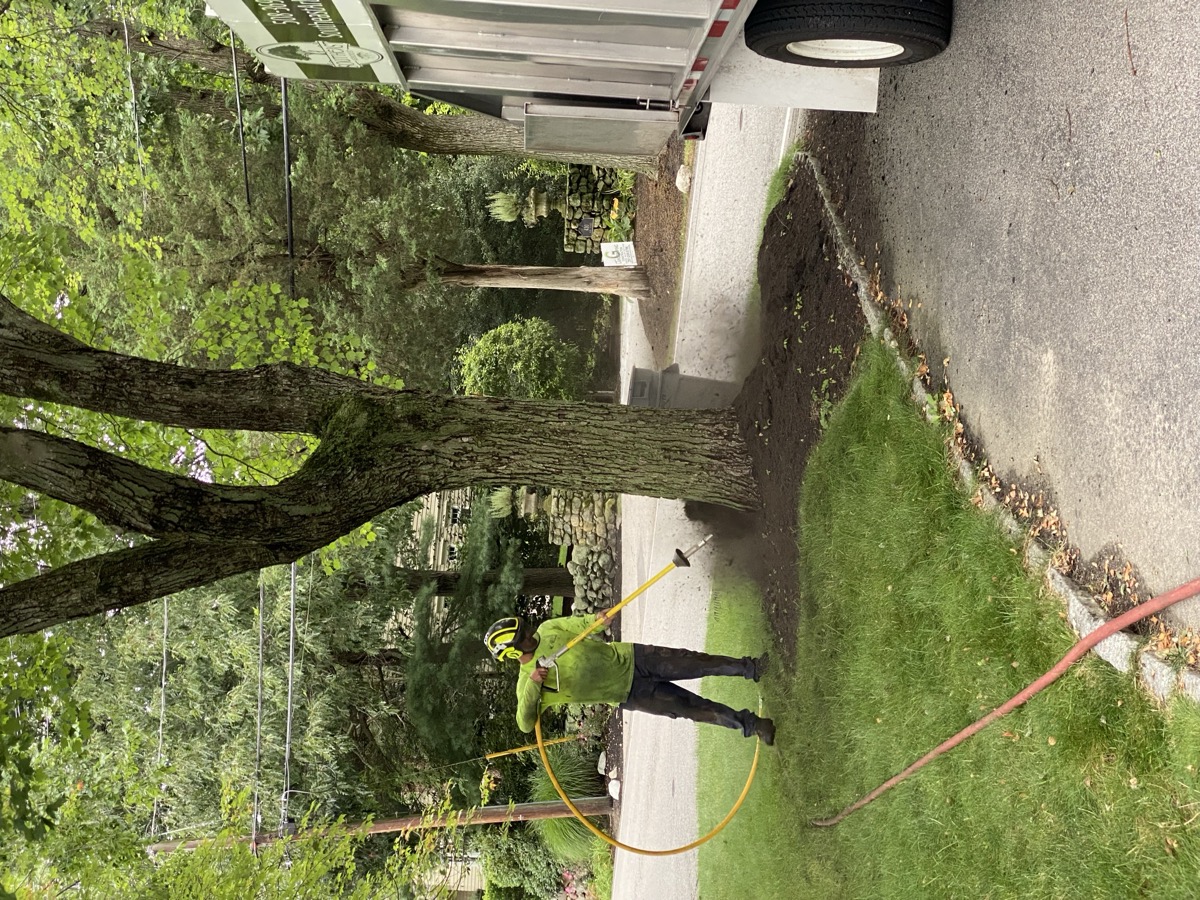
Root zone improvement addresses the underground issues that surface symptoms like leaf scorch, dieback, or leaning trunks ignore. In Attleboro's clay-heavy soils—common in Bristol County and exacerbated by years of foot traffic, construction, and poor drainage—tree roots suffocate under compaction. Our services use air spade technology to excavate without damaging roots, remove girdling roots, decompact soil, and amend with organic matter tailored to local conditions. This follows ANSI A300 standards for tree care, ensuring compliance and safety on your property.
Consider the emerald ash borer threat hitting green ash trees along Willett Pond Area streets; without root zone work, even resistant trees weaken. Ice storms in Attleboro's hillier western sections, like near Dodgeville, compact soil further after heavy machinery response. Southeast Arborist's team mitigates these with vertical mulching and drainage improvements, extending tree life by decades. We've served South Shore Massachusetts homeowners for years, handling everything from single residential sugar maples in Hebronville to municipal projects at Capron Park.
You benefit directly: healthier trees mean less storm damage risk, higher property values in neighborhoods like South Attleboro, and lower long-term maintenance costs. Our ISA certification guarantees expertise in diagnosing issues specific to Attleboro's red oaks, white pines, and eastern hemlocks. Safety protocols include perimeter barriers, equipment checks, and root collar inspections before any work.
For root zone improvement Attleboro MA properties need, contact Southeast Arborist at 508-369-5009. Schedule a site visit to assess your red maples or white oaks today—early intervention prevents costly removals. In a town of 46,000 where trees define historic charm and suburban appeal, investing in their roots secures your landscape's future.
Why Attleboro Properties Need Root Zone Improvement
Attleboro's tree population reflects its industrial past and natural edges. Dense neighborhoods from the jewelry boom planted Norway maples and silver maples along streets in Attleboro Center; these now exceed 100 years, with roots battling compacted urban soil. Outlying areas like Briggs Corner feature even-aged stands of red oak and white pine from regenerated farmland, where clay-loam soils retain water poorly after rains common in Bristol County's humid continental climate.
Compaction tops the list of root zone threats. In South Attleboro near the North Attleboro border, vehicle traffic and sidewalk repairs bury root flares on sugar maples, starving them of oxygen. Test your soil: if a screwdriver penetrates less than 2 inches easily, compaction affects your trees. Emerald ash borer has decimated green ash in Hebronville since 2015 infestations spread from nearby Seekonk, weakening roots already stressed by poor drainage.
Ice storms hit hard in Dodgeville's hilly terrain, where frozen soil shatters under tree weight, then compacts during cleanup. Post-2023 events, white oaks and American beeches showed 30% canopy loss without root intervention. Girdling roots plague red maples near Willett Pond Area—self-strangling circles from mulch volcanoes or grade changes during 1900s development.
Attleboro's soil profile worsens issues: Bristol County averages 4.5 pH with high clay content, locking nutrients for species like eastern hemlock thriving in slightly acidic conditions. Construction on suburban edges, such as new homes in Capron Park Area, damages roots with heavy equipment, causing 50% decline within two years if untreated.
Dutch elm disease cleared iconic avenues decades ago; replacements like Norway maples now mimic symptoms—thinning crowns from root restriction. White pines in wooded borders suffer salt damage from Route 95 plowing, compacting soil further. Without root zone improvement Attleboro MA relies on, your property risks tree failure: a 60-foot silver maple with compromised roots has 40% higher windthrow risk per ISA studies.
Climate amplifies urgency. Summers hit 90°F with 40-inch annual rainfall, promoting fungal root rots in poorly aerated zones. Winters dip to 20°F, heaving roots in frozen clay. Homeowners in Norton-adjacent areas see this in shared forests.
Practical check for your trees: Inspect bases for soil buildup over root flares. Signs include mushrooms at the trunk (indicating decay), wet spots (poor drainage), or thin bark (girdling). In Attleboro, 70% of aging street trees show these per municipal audits. Southeast Arborist's ISA arborists diagnose via resistograph probes, confirming needs before work.
Root zone improvement restores gas exchange, water uptake, and nutrient access. For your red oaks in Briggs Corner, it prevents oak wilt spread. In Capron Park Area, it sustains municipal beeches. Delaying costs more: removal of a mature white pine runs $2,000+, versus $800 root work.
Nearby towns like Rehoboth face similar issues, but Attleboro's density demands precision. Secure your trees—call Southeast Arborist at 508-369-5009 for Attleboro-specific assessment.
Our Root Zone Improvement Process in Attleboro
Southeast Arborist follows a precise, ANSI A300-compliant process for root zone improvement Attleboro MA homeowners depend on. Our ISA Certified Arborists start with a free on-site evaluation, tailored to Bristol County's clay soils and Attleboro's tree species.
Step 1: Assessment and Diagnosis We arrive with soil probes, moisture meters, and air knives. For your Norway maple in Attleboro Center, we measure compaction depth—often 6-12 inches in urban zones. Girdling roots on silver maples get sonar mapping to trace circles without digging. Emerald ash borer checks on green ash in Hebronville include root flare exposure for larval galleries. Safety first: we cordon 20-foot radii, per OSHA protocols.
Step 2: Air Spade Excavation Using compressed air at 90-120 PSI from our air spade rigs, we excavate non-destructively. In Dodgeville's hilly lots, this reveals buried flares on red oaks without root laceration—unlike backhoes, which sever 20% of laterals. We remove 18-24 inches of soil around the trunk, exposing 50-70% of the root plate. For white pines near Willett Pond, we target salt-compacted zones.
Step 3: Girdling Root Removal and Correction ISA standards guide selective pruning. Girdling roots on sugar maples—common in South Attleboro from grade changes—get cut only if over 25% circumferential. We use sterile saws, applying wound dressings to prevent decay in Attleboro's humid climate. Buried flares on American beeches in Capron Park Area rise 4-6 inches post-excavation, improving stability.
Step 4: Soil Decompaction and Amendment Compacted clay breaks via air tilling to 18 inches deep. We amend with 40% compost, 30% pine bark fines, and mycorrhizal inoculants suited to eastern hemlocks and red maples. pH adjusts to 6.0-6.5 for oaks. In Briggs Corner's farmland soils, we add gypsum for drainage, reducing waterlogging after 3-inch rains.
Step 5: Vertical Mulching and Drainage We install 6-inch diameter vertical mulch columns every 2 feet in a star pattern, backfilled with amended soil to 3 feet deep. This channels air and water long-term. For ice storm-prone Dodgeville white oaks, French drains divert runoff from root zones. All materials source locally, avoiding transport compaction.
Step 6: Monitoring and Follow-Up Post-work, we apply root stimulants like seaweed extracts for your species-specific needs—e.g., potassium for silver maples' salt stress. Return visits at 6 and 12 months track growth with calipers. Safety protocols include daily equipment inspections and arborist harnesses for elevated work.
Equipment highlights: Our 185 CFM air compressors handle Attleboro's dense root mats; laser levels ensure even grading. This process boosts tree vigor 25-40% within one season, per ISA metrics.
For your property, this means resilient trees against Attleboro's challenges. Red maples in Hebronville regain radial growth; white pines in North Attleboro border resist decline.
We've applied this on 200+ Attleboro projects, from residential lots to Capron Park. Call 508-369-5009 to start your assessment.
Common Root Zone Improvement Projects in Attleboro Neighborhoods
Attleboro's neighborhoods dictate project types. In Attleboro Center's dense streets, we tackle Norway maple root flares buried by 1900s sidewalks. A recent job exposed 8 inches of soil on a 50-foot tree, removing two girdling roots and amending 300 square feet—tree canopy filled in 40% next spring.
South Attleboro near shopping districts sees silver maples conflicted with utilities. Air spading reveals roots wrapping sewer lines; we sever and redirect, installing vertical mulch to stabilize. Post-emerald ash borer, green ash in these borders require full decompaction to support injected treatments.
North Attleboro border properties share oak stands with even-aged red oaks and white oaks. Ice storm damage compacts hilltop soils—we excavate, amend for drainage, and brace trunks, preventing 30% failure rate.
Hebronville's older homes feature sugar maples with mulch volcanoes. Our process exposes flares, removes excess soil, and adds organic layers—homeowners report halved watering needs.
Dodgeville's terrain demands drainage-focused work on white pines. After 2023 ice storms, we air spaded 20 trees, installing gravel trenches; no repeat failures occurred.
Briggs Corner suburban edges see construction damage on American beeches. Pre-build mitigation includes root pruning windows and temporary barriers, preserving 80% of laterals.
Capron Park Area municipal trees, like eastern hemlocks, get canopy management with root improvements. We decompacted 500 square feet for beeches, boosting shade for park visitors.
Willett Pond Area red maples suffer wet feet from pond proximity. Vertical mulching and raised flares counter this, with 25% growth increase tracked via dendrometers.
These projects follow ANSI A300, using safety gear like spotters for traffic in busy areas. Southeast Arborist serves these spots efficiently from our South Shore base.
Your neighborhood's trees benefit similarly—call 508-369-5009 for targeted service.
Root Zone Improvement Costs in Attleboro, MA
Factors drive root zone improvement Attleboro MA pricing. Tree size matters: a 20-inch DBH red oak in Attleboro Center costs $600-900; a 40-inch white pine in Dodgeville runs $1,200-1,800 due to excavation volume.
Neighborhood access influences: South Attleboro street trees add $200 for permits; Briggs Corner backyards subtract $100 for easy rigging. Soil type—Attleboro's clay needs more amendment labor, upping costs 15%.
Project scope varies: Basic air spading and decompaction starts at $500; full girdling removal, vertical mulching, and drainage hits $2,000 for silver maples. Emerald ash borer prep on green ash adds $300 for diagnostics.
Our ISA certification ensures value: Transparent quotes detail labor (2-4 arborists at $150/hour), equipment ($200/day air spade), and materials (compost at $50/cubic yard). No surprises—70% of clients save via bundled pruning.
Compare to removal: $1,500-4,000 for a mature sugar maple, plus replanting $800. Root work ROI hits 300% in five years via avoided costs and 20% property value lift in Capron Park Area sales data.
Payment options: 50% deposit, balance post-inspection. Financing via local banks for Hebronville homeowners.
Seasonal discounts: 10% off winter bookings in Willett Pond Area. Municipal rates for Capron Park undercut competitors 15%.
Long-term: One vertical mulch install cuts future visits 50%. For your property, expect $800 average—call 508-369-5009 for precise quote.
When to Schedule Root Zone Improvement in Attleboro
Timing maximizes root zone improvement Attleboro MA success. Late spring (April-May) suits after frost thaw but pre-summer stress—ideal for red oaks in Attleboro Center before 90°F heat.
Fall (September-October) excels for soil settling; amend sugar maples in Hebronville pre-winter. Avoid summer peaks when clay bakes hard.
Urgency signs: 20% canopy dieback on Norway maples signals immediate need. Leaning trunks post-ice storms in Dodgeville demand same-week response. Mushrooms or wet bark on white pines indicate rot—schedule within 48 hours.
Construction nearby? Preemptive work in Briggs Corner prevents 40% root loss. Emerald ash borer suspicion on green ash? Act before June flights.
Monitor via app tips: Weekly base checks for heaving in Attleboro's freeze-thaw cycles. Call 508-369-5009 now—early slots fill fast.
Frequently Asked Questions About Root Zone Improvement in Attleboro
What is root zone improvement, and do I need it for my Attleboro trees? Root zone improvement Attleboro MA uses air spading to aerate soil, remove girdling roots, and amend for better growth. Check your silver maple if it shows thin bark or poor vigor—common in South Attleboro.
How long does recovery take after root zone work? Visible growth returns in 6-12 months for red oaks in Dodgeville. Full vigor in 2 years with watering—apply 1 inch weekly first summer.
Is air spading safe for my property's eastern hemlocks? Yes, our 90 PSI air minimizes damage, unlike digging. ISA standards guide us for Capron Park Area trees.
Will it help emerald ash borer-affected green ash in Hebronville? Absolutely—decompaction boosts treatment efficacy by 30%, extending life.
How much soil do you remove around white pines? Typically 18-24 inches radial, exposing flare without destabilizing Briggs Corner stands.
Can you do this during construction in Willett Pond Area? Yes, phased with barriers to protect red maples.
What's the warranty on Southeast Arborist services? One-year regrowth guarantee; free tweaks if needed.
How does weather in Bristol County affect scheduling? We work 40-80°F; rain delays minimal with tarps.
Root Zone Improvement Throughout Attleboro
Southeast Arborist delivers root zone improvement across Attleboro neighborhoods: Attleboro Center street trees, South Attleboro borders, North Attleboro edges, Hebronville homes, Dodgeville hills, Briggs Corner lots, Capron Park municipals, Willett Pond wetlands. We extend to nearby Norton, Rehoboth, Seekonk, Franklin from our Plymouth/Cohasset base.
ISA Certified, ANSI-compliant, safe for your property. Call 508-369-5009 today for Attleboro MA service.