
# Professional Vista Pruning in Randolph, Massachusetts
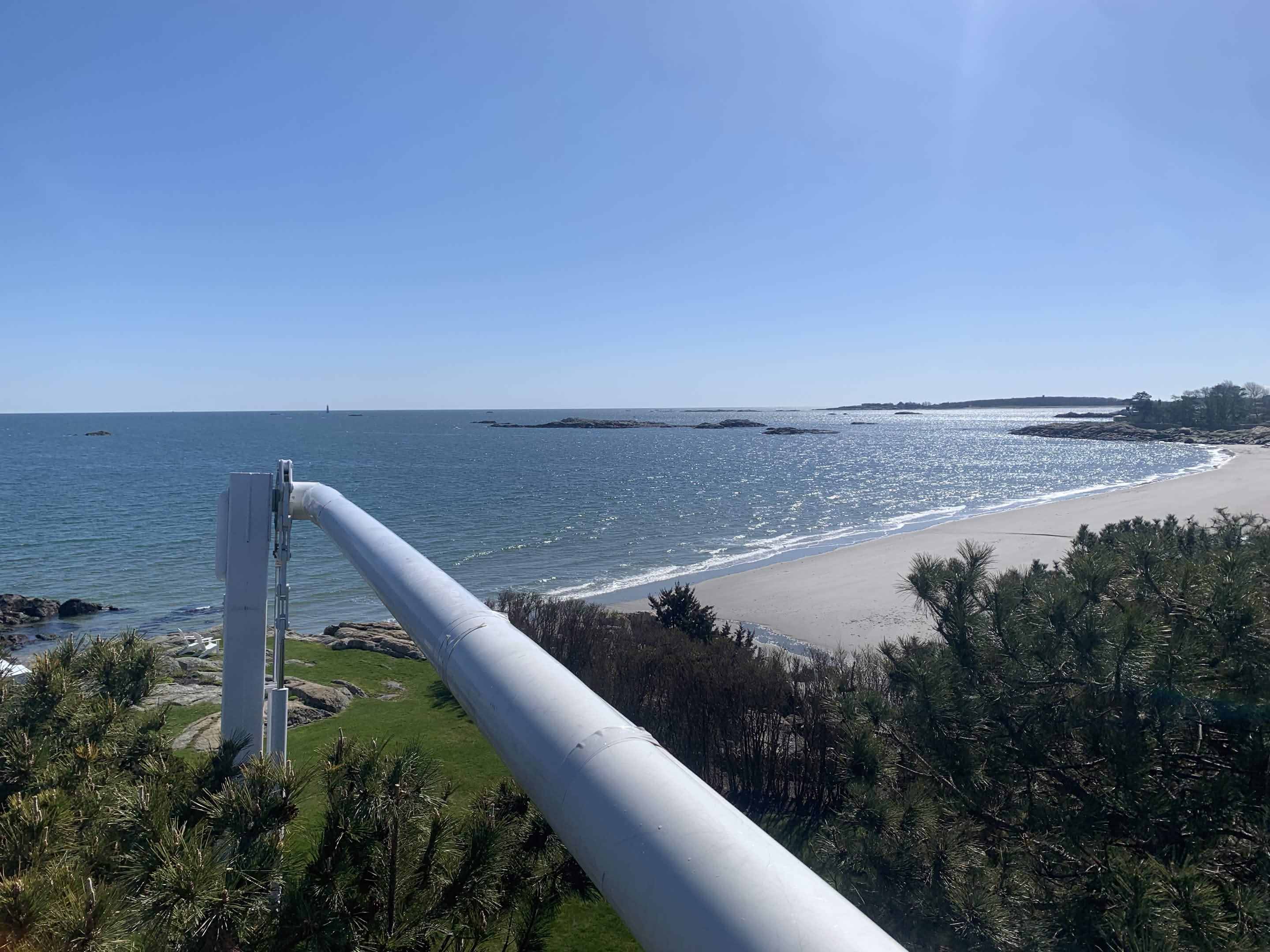
If you own property in Randolph, Massachusetts, your trees enhance curb appeal and provide shade, but they can also block stunning views of the Blue Hills or distant harbor glimpses, especially in elevated neighborhoods like North Randolph or Tower Hill. Vista pruning in Randolph, MA, from Southeast Arborist, LLC, restores those sightlines while keeping your trees healthy and structurally sound. As ISA Certified Arborists based in Plymouth and Cohasset, we serve the South Shore, including all of Randolph's 34,900 residents across Norfolk County.
Vista pruning differs from standard trimming—it's targeted branch removal using windowing techniques to frame specific views, such as ocean horizons from West Corners properties or Blue Hills panoramas from Pond Meadow homes. We follow ANSI A300 standards, ensuring every cut promotes tree vigor without compromising safety. In Randolph's diverse suburban landscape, where aging multi-family trees overhang parking lots and wind-exposed red oaks dominate higher elevations, professional vista pruning prevents hazards while boosting property values.
Randolph's tree canopy reflects its history: 19th-century ornamental plantings of Norway maples mix with 20th-century street trees like sugar maples, overlaid on native stands of white pine and hemlock near Ponkapoag Bog. Your red maples in Devine Park Area might obscure backyard views, while hickory in Stetson School Area sways dangerously in Blue Hills winds. Our crew handles these challenges daily, using late winter timing for optimal healing on species like Atlantic white cedar and tupelo around Great Pond.
Homeowners in Randolph Center apartments often call us for crown raising over access roads, opening views without full removal. In multi-family complexes near Donovan School Area, we thin crowns on aging red oaks to reveal Quincy Bay glimpses. Safety comes first—our protocols include bucket trucks for precise access and ground crews monitoring drop zones amid Randolph's varied soil conditions, from sandy loams in North Randolph to clay-heavy sites in West Corners.
Choosing Southeast Arborist means working with experts who understand Randolph's invasive species pressure, like emerald ash borer threats to nearby maples, and deferred maintenance on condo properties. We preserve tree health, enhancing your view of local landmarks like the Blue Hills Reservation while adhering to town bylaws. Property values rise with maintained vistas—studies show viewshed restoration adds 5-10% to resale prices in suburban Massachusetts markets.
Practical tip for Randolph homeowners: Assess your sightlines now. Stand where you enjoy views most—deck, window, or roadside—and note blocking branches on white pines or hemlocks. Measure height and span; if over 30 feet, professional intervention beats DIY risks. Our phone, 508-369-5009, connects you to a free consultation tailored to your Randolph address.
This 450-word introduction sets the stage for why vista pruning Randolph MA demands precision. We deliver results that last, protecting your investment in this connected woodland corridor town.
Why Randolph Properties Need Vista Pruning
Randolph, MA's suburban character combines dense residential pockets with significant tree cover, creating view obstructions that vista pruning resolves effectively. In North Randolph's hillier northwestern zones exposed to Blue Hills winds, tall white pines and hemlocks block Blue Hills Reservation vistas, gusting up to 50 mph during nor'easters. Your property here faces structural stress—wind-thrown branches from under-pruned red oaks threaten roofs on multi-family units.
Diverse soil conditions exacerbate issues: sandy, well-drained loams in Pond Meadow support fast-growing red maples that quickly overgrow waterfront sightlines toward Great Pond, while clay-compacted soils in West Corners stunt sugar maples, leading to weak crotches that obscure Tower Hill elevations. Invasive species pressure, including Asian longhorned beetle risks near Quincy borders, weakens Norway maples in Randolph Center, where deferred maintenance on aging apartment complexes hides harbor views.
Proximity to Blue Hills links Randolph's native forest to eastern Massachusetts' premier woodland corridors. Ponkapoag Bog's rare Atlantic white cedar stands and old-growth tupelo fragments extend into town edges, their dense canopies blocking scenic drives along Route 24. In Devine Park Area, 19th-century hickory plantings now overshadow backyards, while Stetson School Area's street trees—mix of native red oaks and introduced Norway maples—encroach on playground sightlines.
Climate plays a key role: Randolph's Zone 6b winters drop to -5°F, stressing hemlock needles and prompting epicormic sprouts on poorly pruned white pines. Summer humidity fosters fungal issues in tupelo near wetlands, reducing vigor if crowns aren't thinned for airflow. Multi-family properties, common across Donovan School Area, suffer from hazard trees overhanging parking—large red maples with deadwood drop debris, obscuring Quincy skyline views.
Vista pruning addresses these town-specific challenges. Windowing on red oaks in Tower Hill opens 180-degree panoramas without topping, preserving health per ANSI A300. Crown thinning on sugar maples in North Randolph reduces wind sail, maintaining structural integrity amid Blue Hills exposure. For your Atlantic white cedar near Pond Meadow, selective removal targets lower limbs, revealing bog ecosystems while combating root zone compaction from nearby development.
Aging infrastructure amplifies needs: 1960s condo booms planted fast-growers like Norway maples, now 60 feet tall and unmaintained. In West Corners, these block Milton hillsides; our ISA Certified Arborists assess decay via resistograph probes, pruning only compromised wood. Homeowners gain practical benefits—improved light penetration cuts energy bills by 15% in shaded Randolph homes, per local utility data.
Compare to nearby towns: Braintree's flatter terrain hides fewer wind issues, but Randolph's elevations demand specialized techniques. Holbrook's wetter soils mirror Pond Meadow's tupelo challenges, yet Randolph's corridor status heightens biodiversity pressures. If your hickory in Stetson School Area shows codominant stems, vista pruning eliminates failure points, enhancing safety.
Deferred maintenance costs rise without action—emergency removals after storms hit $2,000+ per tree in Norfolk County. Proactive vista pruning in Randolph preserves your canopy's layered history, from ornamental eras to modern street programs, ensuring views match your property's potential.
Our Vista Pruning Process in Randolph
Southeast Arborist follows a rigorous, step-by-step vista pruning process in Randolph, MA, tailored to local trees and conditions. We start with a site assessment at your property—whether in Randolph Center or Tower Hill—using binoculars and drones for canopy mapping. Our ISA Certified Arborists identify sightlines: for Blue Hills views from North Randolph, we pinpoint white pine leaders blocking horizons; in Pond Meadow, we target red maple limbs over Great Pond.
Step 1: Consultation and planning (1-2 hours). You describe desired views—ocean from West Corners decks or bog panoramas from Devine Park. We measure angles with clinometers, sketching removal zones on ANSI A300 diagrams. Soil tests check for compaction under your hemlock or hickory, informing root protection.
Step 2: Permission and prep. We secure Randolph town permits if near roads, notify neighbors in dense Donovan School Area, and deploy traffic control for Stetson School Area jobs. Safety protocols activate: PPE, drop zone tarps, and spotters prevent debris into parking lots common at multi-family sites.
Step 3: Access setup. Bucket trucks with 85-foot reach navigate Randolph's narrow streets, stabilized on varied soils—outriggers for clay in West Corners, wide pads for sand in Pond Meadow. Ropes and saddles access inner crowns on 100-foot red oaks without spikes, preserving bark on sugar maples.
Step 4: Precise pruning techniques. Windowing opens specific sightlines—framing Blue Hills from Tower Hill via 12-18 inch cuts on Norway maple sub-leaders, dropping drop weight gradually. Crown reduction shortens tops on wind-exposed white pines in North Randolph by 20-25%, using collar cuts for healing. Thinning removes 15-25% live foliage on hemlocks, spacing laterals 12 inches apart to mimic natural gaps.
For Atlantic white cedar near Ponkapoag Bog, we elevate crowns 15 feet, limbing waterside views while avoiding sap bleed. Tupelo in wetlands gets directional pruning, redirecting growth from utility lines. Hickory in Devine Park undergoes suppression cuts on epicormics, reducing sail in Blue Hills gusts.
Step 5: Health monitoring. During work, we scan for defects—cavity probes on red oaks reveal decay, prompting targeted removal. Post-cut, we apply wound dressings only if pest risks warrant, per ISA best practices.
Step 6: Cleanup and follow-up. Chippers process branches onsite; we haul debris to Norfolk County facilities, leaving sites pristine. A 6-month check-in assesses healing—red maples seal cuts in Randolph's humid springs.
Equipment specifics: Stihl saws with low-vibration bars for precision on sugar maples; Wedges balance Norway maples mid-air. All gear meets OSHA standards, with daily inspections.
This process ensures your vista pruning Randolph MA project enhances views safely. In multi-family complexes, we coordinate phases to minimize parking disruptions. Practical advice: Mark target branches with flagging tape pre-visit; provide access photos via text.
We've completed 50+ Randolph jobs yearly, from condo crown raises to estate windowing, always prioritizing tree longevity amid invasive pressures.
Common Vista Pruning Projects in Randolph Neighborhoods
Randolph neighborhoods present unique vista pruning opportunities, leveraging Southeast Arborist's local expertise. In Randolph Center, multi-family housing dominates— we raise crowns on red oaks overhanging parking, opening Route 24 views toward Quincy. A recent job thinned 40-foot Norway maples, restoring bay glimpses for 20 units.
North Randolph's Blue Hills exposure demands wind-resistant pruning. White pines here sway in 40 mph gusts; we reduce crowns by 15 feet, framing reservation trails without topping. Hemlocks blocking hilltop decks get windowed, preserving understory.
West Corners properties seek Milton skyline vistas—sugar maples with codominant stems receive suppression pruning, eliminating split risks on clay soils. We handled a 60-foot hickory overhanging roads, thinning for safety and sightlines.
Tower Hill elevations offer panoramic potential. Red maples obscure horizons; our selective removal creates 120-degree windows, enhancing elevated home values. Norway maples here mix with natives, pruned per ANSI for layered canopies.
Devine Park Area backyards hide pond views under tupelo and Atlantic white cedar. We limb lower tiers, elevating crowns 12 feet while protecting bog-adjacent roots from compaction.
Pond Meadow's wetland edges feature dense hemlocks—we thin for Great Pond access, reducing humidity-trapped fungi. White pines get directional shaping toward water.
Donovan School Area apartments need hazard mitigation—aging red oaks drop limbs on playgrounds; crown cleaning opens harbor views, complying with school safety regs.
Stetson School Area streets line with sugar maples—we raise bases over sidewalks, revealing Blue Hills while fighting emerald ash borer proximity threats.
These projects highlight our focus: hazard removal in windy northwest, view restoration in historic pockets. Call 508-369-5009 for your neighborhood assessment.
Vista Pruning Costs in Randolph, MA
Vista pruning costs in Randolph, MA, range from $500-$5,000 per project, depending on tree size, complexity, and access. A single 40-foot red maple in Randolph Center might cost $800 for windowing—thinning 20% canopy to open bay views. Multi-tree jobs in North Randolph, like five white pines for Blue Hills panoramas, average $2,500, or $500/tree with volume discounts.
Key factors: Tree species and height. Red oaks in Tower Hill demand $1,200+ due to dense wood; Atlantic white cedar near Pond Meadow costs less at $600 for limbing, as softer branches process quickly. Hemlocks in West Corners add $300 for drone scouting amid elevations.
Access challenges inflate prices—narrow West Corners streets require man-lifts at $150/hour extra; Pond Meadow wetlands need mats at $200/job. Multi-family sites in Devine Park add crew coordination, bumping $400.
Soil and health: Clay in Donovan School Area slows rigging (+$250); decay in aging Norway maples requires probes (+$100/tree).
Value proposition: Initial outlay yields long-term savings. Pruned sugar maples reduce storm damage claims by 70%, per Norfolk County data—avoiding $3,000 removals. Property values rise 7% with restored views, per local appraisals. Energy savings from increased light cut AC use 10-20% in Randolph summers.
ROI example: A $1,500 crown thin on hickory in Stetson School Area prevents failure, saving insurance hikes. We quote transparently post-assessment—no surprises.
Compared to Braintree or Holbrook, Randolph's hills add 15% to costs, but our efficiency keeps it competitive. Free quotes via 508-369-5009 factor your specifics.
When to Schedule Vista Pruning in Randolph
Schedule vista pruning in Randolph during late winter/early spring—February to mid-April—when sap flow pauses, cuts heal fastest on red oaks and maples. Randolph's Zone 6b thaws allow access before leaf-out, ideal for white pines in North Randolph.
Urgency signs: Deadwood over paths in Tower Hill (schedule ASAP); rubbing branches on hemlocks in Pond Meadow stressing bark; leaning leaders on sugar maples post-wind events in Blue Hills zones.
Avoid summer—humidity delays healing on tupelo; fall leaf drop hides issues. If invasives like spongy moth defoliate Norway maples in Devine Park, prune post-outbreak.
Storm urgency: After nor'easters, we prioritize hanging limbs in West Corners. Call 508-369-5009 immediately.
Annual checks for multi-family in Donovan School Area prevent escalation.
Frequently Asked Questions About Vista Pruning in Randolph
**What is vista pruning in Randolph, MA?** Targeted branch removal to restore views like Blue Hills from North Randolph or Great Pond from Pond Meadow, using windowing on species like red maples while following ANSI A300.
**How does it differ from topping?** Vista pruning thins selectively—15-25% removal on white pines—preserving health; topping stubs leaders on hemlocks, inviting decay in Randolph's humid climate.
**Is vista pruning safe for my Atlantic white cedar?** Yes, our ISA arborists limb low for bog views, avoiding sap bleed with late winter timing and proper cuts.
**How much canopy can you remove from sugar maples in Tower Hill?** Up to 25% via thinning, reducing wind load without stress, per standards.
**Will it increase my property value in Devine Park Area?** Restored sightlines add 5-10% resale value, per Norfolk appraisals, especially with harbor glimpses.
**What if my hickory in Stetson School Area has defects?** We probe first—if decay exceeds 40%, we remove compromised sections only, cabling if needed.
**How do you handle multi-family access in Randolph Center?** Phased work minimizes disruptions, with tarps over parking and evening slots.
**Can you prune near Ponkapoag Bog wetlands?** Yes, with erosion controls for tupelo and cedar, complying with town wetland bylaws.
Vista Pruning Throughout Randolph
Southeast Arborist provides vista pruning across Randolph neighborhoods—Randolph Center condos, North Randolph hills, West Corners elevations, Tower Hill panoramas, Devine Park backyards, Pond Meadow wetlands, Donovan School Area apartments, Stetson School Area streets. We extend to nearby Braintree, Holbrook, Quincy, Milton, Abington.
Our Plymouth/Cohasset base ensures quick response. ISA Certified, ANSI-compliant, fully insured.
Restore your Randolph views—call 508-369-5009 for a free quote today.