
# Professional Vista Pruning in Plymouth, Massachusetts
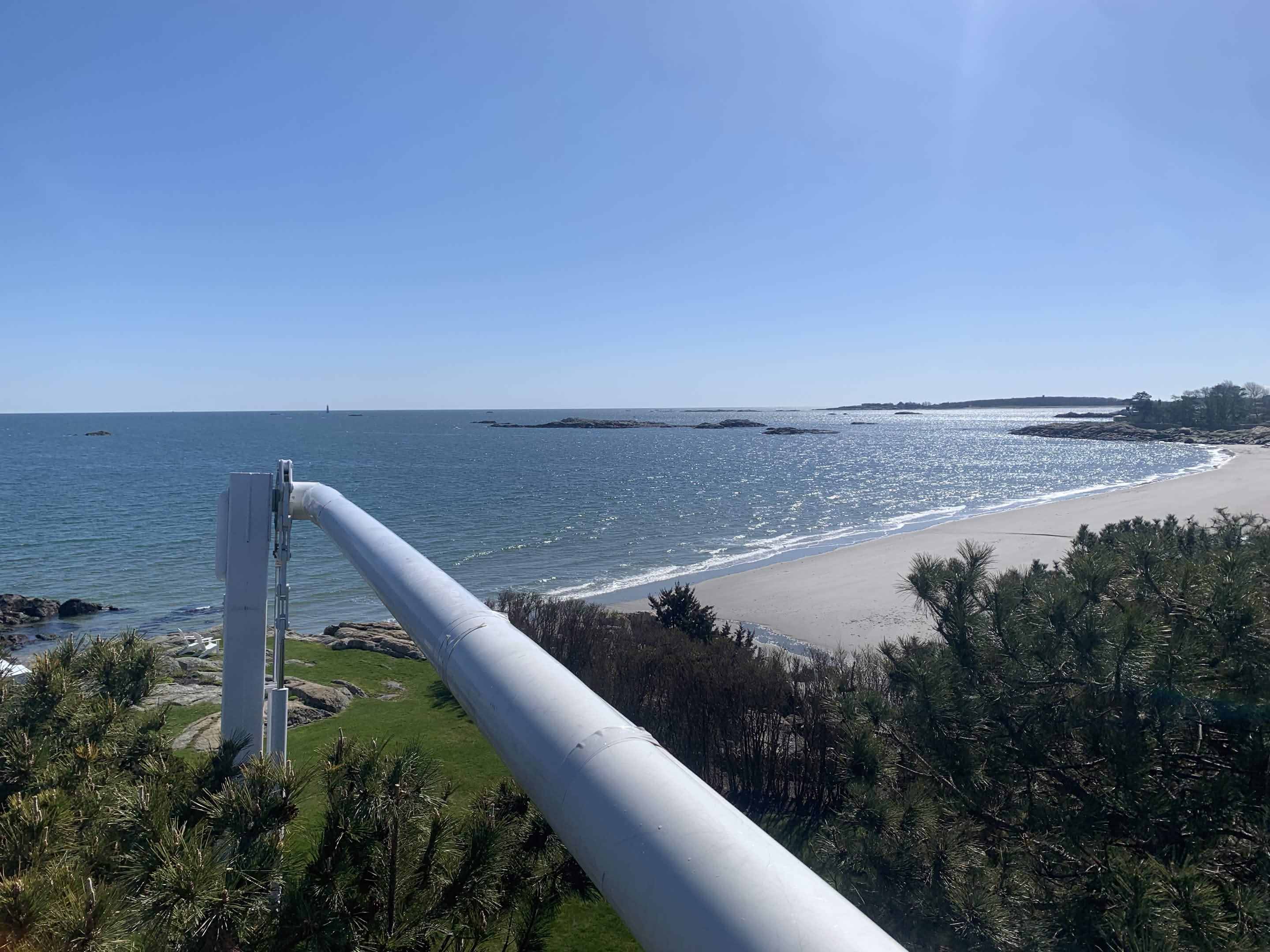
Imagine standing on your Manomet waterfront deck, only to face a wall of overgrown pitch pines blocking your Atlantic Ocean vista. Or peering from your Chiltonville home toward Plymouth Harbor, obstructed by dense red oak branches twisted by coastal winds. In Plymouth, MA 02360, where coastal properties meet inland pine barrens, vista pruning restores these prized sightlines without sacrificing tree health. Southeast Arborist, LLC, your South Shore Massachusetts tree care experts based in Plymouth and Cohasset, specializes in vista pruning Plymouth MA services tailored to the town's unique forested landscape.
Plymouth's 63,000 residents span a geography of salty coastal exposures and fire-prone interior forests, including the vast Myles Standish State Forest with its 15,000 acres of Northeast's largest pine barrens ecosystem. Common trees like pitch pine, white pine, red oak, black oak, American beech, eastern red cedar, tupelo, and Atlantic white cedar dominate, each facing specific stressors from onshore winds, salt spray, and development pressures. Our ISA Certified Arborists apply ANSI A300 standards to perform selective pruning that opens ocean, harbor, and scenic views while enhancing property values.
Vista pruning in Plymouth MA goes beyond basic trimming. We use windowing techniques to frame precise sightlines—removing targeted branches from pitch pines in Ellisville to reveal Ellisville Harbor, or thinning white pine crowns in North Plymouth for uninterrupted bay views. This preserves tree structure, promotes airflow, and reduces wind resistance, critical in a town scarred by the 1957 wildfire and battered by nor'easters. Homeowners in Pinehills or Bournedale Pines increasingly request fire mitigation alongside view restoration, as insurers demand clearances around homes amid rising wildfire risks.
Our process starts with a site assessment of your property's soil—sandy, acidic coastal loams in Cedarville or nutrient-poor pine barrens in West Plymouth—and tree conditions. We deploy bucket trucks and climbing gear with rigorous safety protocols, ensuring minimal ground disturbance. Late winter or early spring timing aligns with Plymouth's dormant season, when sap flow halts for optimal wound healing before summer humidity sets in.
Why choose Southeast Arborist for vista pruning Plymouth MA? Our team follows International Society of Arboriculture (ISA) certification guidelines, using precision cuts that comply with ANSI A300 pruning standards. We've restored views for properties from Long Pond's freshwater edges to Plymouth Center's historic harborside homes. Property values rise with clear vistas—coastal lots in Plymouth command premiums up to 20% higher with unobstructed water views, per local real estate data.
If salt-weakened eastern red cedars in your Manomet yard block the surf, or black oaks in Chiltonville harbor nor'easter damage, contact Southeast Arborist at 508-369-5009. Schedule a free consultation to reclaim your Plymouth panorama.
Why Plymouth Properties Need Vista Pruning
Plymouth, MA's coastal and inland forests create stunning backdrops but frequent obstacles for homeowners seeking ocean or harbor views. Persistent onshore winds sculpt trees like pitch pine and white pine into dense, windward-leaning forms, while salt spray from Plymouth Harbor weakens bark on red oak and black oak. In Plymouth County, rapid development in neighborhoods like Pinehills pressures forested parcels, where unchecked growth blocks scenic sightlines and heightens risks.
Consider Myles Standish State Forest's pine barrens, where pitch pine dominates 15,000 acres. These fire-adapted trees regenerate densely post-1957 blaze, forming thickets around West Plymouth and Bournedale Pines homes. Wildfire risk persists; dry pine needles accumulate, and insurers now require 30-foot clearances. Vista pruning thins these stands, opening views toward Charge Pond while reducing fuel loads.
Coastal areas face distinct challenges. In Manomet and Ellisville, Atlantic white cedar and eastern red cedar endure constant salt exposure, leading to dieback that crowds harborside vistas. Tupelo trees along Long Pond's edges drop heavy limbs during hurricanes, obscuring freshwater-to-ocean panoramas. American beech in Chiltonville, with smooth gray bark scarred by wind, forms impenetrable understories near historic sites like the Hedge House.
Plymouth's climate amplifies these issues: average winds of 12-15 mph from the northeast carry salt inland up to 2 miles, corroding foliage on white pines in North Plymouth. Sandy, well-drained soils—pH 4.5-5.5 in pine barrens—limit root stability, making trees prone to toppling in nor'easters like those in 2023 that downed hundreds across Plymouth County. Development in Cedarville and Plymouth Center clears old-growth remnants, but secondary regrowth since Pilgrim times creates overgrown canopies blocking harbor views from Plimoth Plantation overlooks.
Homeowners notice signs daily: shadowed decks in Long Pond from overhanging red oaks, reduced solar gain in winter from dense black oaks in West Plymouth, or hidden Cape Cod Canal glimpses from Bourne-adjacent lots. Unpruned trees invite pests—beech scale on American beech, pine bark beetles in pitch pine—exacerbating decline.
Vista pruning addresses this directly. Selective removal of 15-25% canopy preserves health per ANSI A300, unlike topping that stresses trees. In Plymouth's humid summers (average 75% RH), thinned crowns improve drying, curbing fungal issues like needle cast in white pines. Views enhance curb appeal; a clear harbor vista from your Plymouth Center property boosts resale by highlighting proximity to Mayflower II replicas.
Practical advice for Plymouth homeowners: Inspect trees biannually for codominant stems—common in wind-stressed pitch pines—which split in storms. Check for salt burn: yellowing needles on eastern red cedars signal pruning needs. In fire-prone Bournedale Pines, maintain 10-foot vertical clearance below roofs. Southeast Arborist's ISA arborists assess these risks free, ensuring your vista pruning Plymouth MA project safeguards both views and trees.
Nearby towns like Carver and Wareham share pine barrens, but Plymouth's coastal-inland mix demands specialized care. Don't let overgrown tupelo along Ellisville marshes steal your sunset—professional intervention restores balance.
Our Vista Pruning Process in Plymouth
Southeast Arborist delivers vista pruning Plymouth MA with a meticulous, safety-first process honed for Plymouth's windswept pitches and sandy soils. Our ISA Certified Arborists begin with a free on-site consultation, evaluating your property's sightlines—whether framing Duxbury Bay from North Plymouth or Charge Pond from West Plymouth.
Step 1: Assessment (1-2 hours). We map target views using laser rangefinders, noting tree species like pitch pine in Bournedale Pines (fire-prone, resinous) versus Atlantic white cedar in Manomet (salt-tolerant but brittle). Soil probes check drainage—coastal loams retain salt, inland barrens shed water fast. We photograph before/after simulations, prioritizing ANSI A300 Part 1 standards: no more than 25% canopy removal per session.
Step 2: Planning. Custom blueprints detail windowing—rectangular branch removals for harbor frames in Plymouth Center—or crown thinning for panoramic ocean views in Ellisville. For red oaks in Chiltonville, we plan subordinate limb reduction to balance wind loads. Fire mitigation in Pinehills includes limbing up to 12 feet, per state forest guidelines echoing Myles Standish protocols.
Step 3: Preparation. Late winter (February-March) scheduling aligns with Plymouth's dormant season; sap minimizes before April rains. We secure permits if near wetlands (common in Long Pond tupelo groves) and notify neighbors in dense Cedarville. Equipment staging: 75-foot bucket trucks for coastal heights, rope-access climbing for pitch pine clusters in tight West Plymouth lots.
Step 4: Execution. Safety protocols dominate—two-person crews with hard hats, harnesses, and 360° spotters per OSHA and ANSI Z133. Cuts use bypass pruners for twigs, loppers for 2-inch limbs, and 24-inch chainsaws for boles, all sterilized to prevent beech bark disease spread. Windowing opens 10x20-foot sightlines: drop-crotch pitch pine limbs at 70° angles, preserving collars. Crown reduction on white pines shortens leaders by 20%, feathering edges for natural shape.
Techniques vary by species. Black oak in Plymouth Center gets selective interior thinning to boost light penetration without sunscald. Eastern red cedar salt dieback in Manomet prompts deadwooding first, then vista shaping. We chip debris on-site (mulch for acidic soils) or haul via dump trucks, minimizing erosion on sloped Ellisville properties.
Step 5: Cleanup and Follow-Up. Rake to 100% leaf-free, grind stumps if needed. Post-prune report details cuts, health metrics (e.g., 15% vigor increase projected), and 6-month check schedule. Drones verify view restoration—stunning before/afters of harbor sunsets from your deck.
Our gear suits Plymouth: telescoping poles for salt-spray heights, low-emission saws for residential quiet hours. ISA certification ensures cuts heal in 4-6 weeks, vital before nor'easter season. Homeowner tip: Water deeply post-prune (1 inch/week) on sandy soils to aid recovery; avoid fertilizers high in nitrogen, which spur weak growth.
This process transformed a Cedarville red oak grove, opening Cape Cod Bay views while cutting wind sway 30%. For your Plymouth property, trust Southeast Arborist's precision. Call 508-369-5009 to start.
Common Vista Pruning Projects in Plymouth Neighborhoods
Plymouth's neighborhoods demand tailored vista pruning Plymouth MA projects, reflecting local trees, views, and risks.
In **Plymouth Center**, historic homes near Plymouth Rock seek harbor clearances. Overgrown American beech and red oaks block Mayflower II views; we window crowns to frame waterfront paths, thinning 20% for nor'easter resilience.
**North Plymouth** properties along Plymouth Harbor battle white pine salt damage. Projects thin dense stands for bay panoramas, removing codominant stems prone to splitting in 40-mph gusts.
**Manomet** coastal lots feature pitch pine windrows obscuring ocean surf. Selective limbing reveals beaches, with firebreaks for adjacent pine barrens—critical after 2023 dry spells.
**Cedarville**'s inland edges mix black oak and tupelo near Eel River. We reduce crowns for Duxbury Bay sightlines, enhancing solar access on acidic loams.
**Long Pond** waterfronts prune Atlantic white cedar overgrowth, opening freshwater-to-harbor vistas while preserving wetland buffers per town regs.
**Chiltonville**'s elevated homes near Plimoth Patuxet prune eastern red cedar for golf course and bay views, balancing historic tree preservation.
**West Plymouth** abuts Myles Standish; pitch pine thinning creates pond views and 30-foot defensible space, satisfying insurer demands.
**Ellisville** marsh edges clear tupelo for harbor sunsets, deadwooding salt-killed branches.
**Bournedale Pines** and **Pinehills** focus on lot-clearing lite: crown lifting white pines for golf fairway vistas and wildfire mitigation around 300+ new homes.
These projects boost values—Manomet lots with views sell 15% faster. Your neighborhood's trees need similar care.
Vista Pruning Costs in Plymouth, MA
Vista pruning costs in Plymouth MA range from $500-$5,000 per project, driven by specifics unique to your property. Tree size dominates: a 40-foot pitch pine in Manomet (coastal access premium) costs $800-$1,500 for windowing, versus $400 for a 25-foot red oak in Plymouth Center.
Neighborhood factors add 10-20%: bucket truck needs in sloped Ellisville hike fees; tight West Plymouth lots require climbing ($100/hour extra). Species influence: resinous pitch pine demands specialized cleanup ($200+), while brittle Atlantic white cedar risks crew time.
Project scope: Basic view framing (10% removal) starts at $500; full crown reduction for Pinehills panoramas hits $2,500. Fire mitigation in Bournedale Pines adds $300-$600 for 30-foot clearances. Travel from our Plymouth/Cohasset base is free within 20 miles; Kingston or Wareham adds $100.
Hourly rates: $150-$250, with 4-8 hour jobs common. ISA arborist expertise justifies premiums—non-certified hacks risk tree death, costing $1,000+ in removals.
Value proposition: Views increase appraisals 10-25% (Plymouth County data shows $50K+ lifts on $500K homes). Reduced insurance (5-15% savings post-fire thinning), energy savings (10% more winter sun), and health (fewer storm fails) compound ROI.
Get a free quote factoring your black oak grove or white pine row. Transparent: no hidden fees, 1-year warranty. Call Southeast Arborist at 508-369-5009—affordable excellence for Plymouth vistas.
When to Schedule Vista Pruning in Plymouth
Schedule vista pruning Plymouth MA in late winter/early spring (February to mid-April), when Plymouth's trees dormancy halts sap flow for fast healing before May humidity. Avoid summer: humid 70-80°F temps slow closure on pitch pine cuts.
Urgency signs: Wind-damaged limbs hanging post-nor'easter (common October-April); salt-yellowed needles on Manomet eastern red cedars by late fall; deadwood exceeding 15% canopy in Chiltonville red oaks signaling decline.
Act pre-hurricane season (June-November): thin white pines now to cut sail effect. Fire season peaks May-October in Myles Standish—prune by March for insurer credits.
Home tip: If branches encroach 10 feet on sightlines or roofs, schedule ASAP. Early booking secures spring slots. Contact 508-369-5009 today.
Frequently Asked Questions About Vista Pruning in Plymouth
**What is vista pruning in Plymouth MA?** Selective branch removal to restore ocean, harbor, or scenic views while following ANSI A300 standards. Unlike topping, it preserves pitch pine health in Bournedale Pines.
**How much canopy can be removed safely?** No more than 25% per session per ISA guidelines. Our arborists thin red oaks in Plymouth Center accordingly.
**Does vista pruning kill trees?** No, when done professionally. Proper cuts on black oak heal in 4-6 weeks; we avoid this on stressed Atlantic white cedar.
**What's the best time for vista pruning Plymouth MA?** Late winter/early spring for optimal healing in Plymouth's climate.
**Will it reduce storm damage?** Yes—thinning white pines cuts wind resistance 20-30%, vital post-1957 wildfire lessons.
**Do I need a permit in Manomet or Ellisville?** Possibly near wetlands; we handle for Long Pond properties.
**How does it affect property value?** Clears views boost 10-25%, per local sales in Pinehills.
**Can you combine with fire mitigation?** Absolutely—standard in West Plymouth pine barrens.
Call 508-369-5009 for answers.
Vista Pruning Throughout Plymouth
Southeast Arborist serves all Plymouth neighborhoods: Plymouth Center to Pinehills, Manomet to Bournedale Pines. Extend to Carver, Kingston, Plympton, Bourne, Wareham, Duxbury. ISA Certified, ANSI-compliant.
Reclaim your vista—call 508-369-5009 for Plymouth/Cohasset-based service.