
# Professional Vista Pruning in Pembroke, Massachusetts
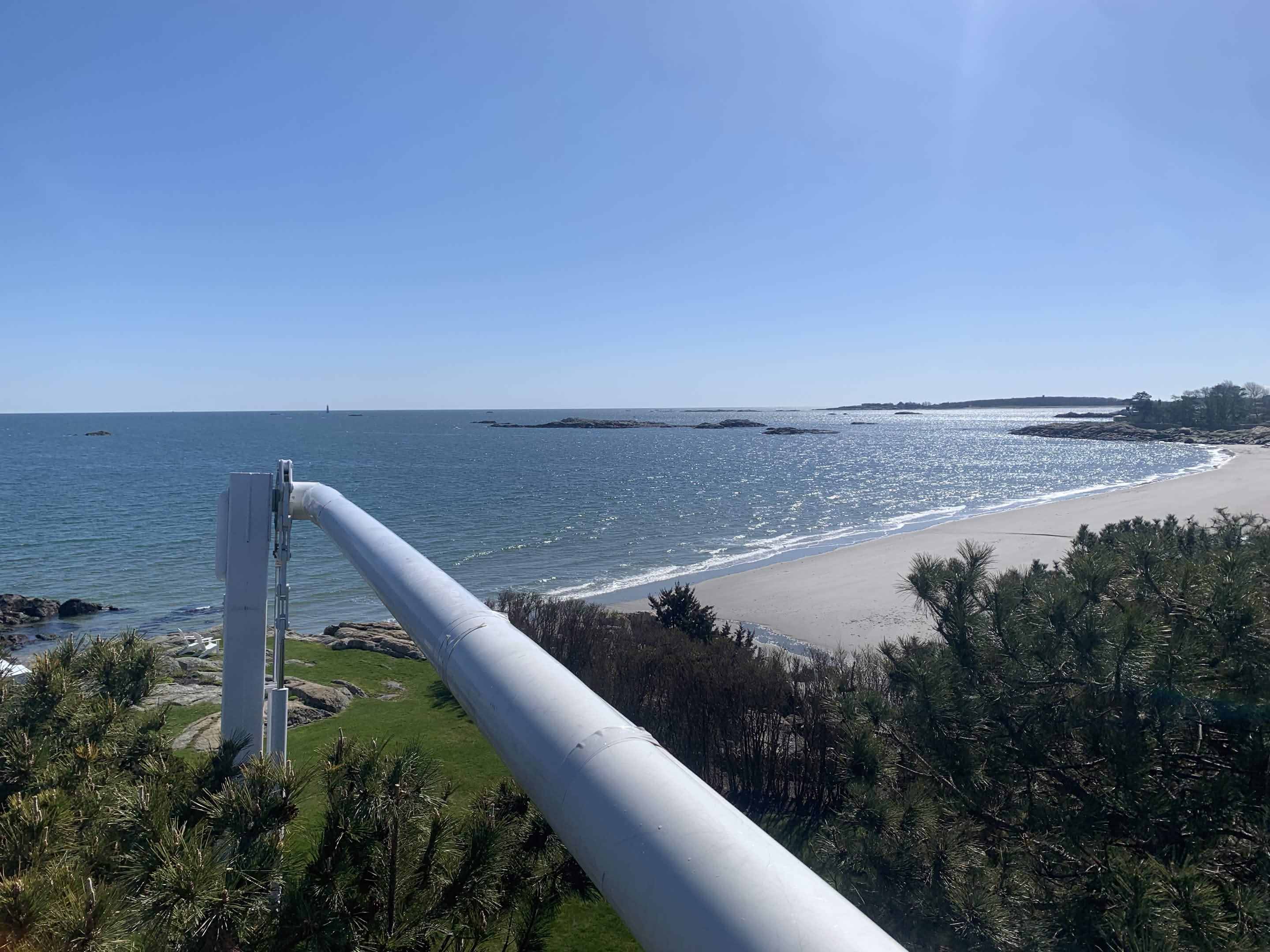
If you own property in Pembroke, Massachusetts, your trees enhance the suburban-rural landscape that defines this Plymouth County community of 18,500 residents. Pitch pines and white pines dominate the sandy, acidic soils around historic cranberry bogs, while red oaks and scarlet oaks line the hardwood swamps along the Indian Head River. These trees frame stunning views of the river, wetlands, and distant harbors, but overgrowth from second-growth stands often blocks ocean vistas, scenic outlooks, and waterfront sightlines. That's where vista pruning Pembroke MA services from Southeast Arborist, LLC come in.
As ISA Certified Arborists based in Plymouth and Cohasset, we specialize in vista pruning Pembroke MA to restore those prized views without sacrificing tree health. Our team follows ANSI A300 pruning standards, using windowing techniques to selectively open sightlines, crown reduction for panoramic reductions, and thinning to maintain structural integrity. Homeowners in Pembroke Center, Bryantville, and Hobomock neighborhoods frequently call us to reveal harbor glimpses or river panoramas obscured by overcrowded pitch pine stands or gypsy moth-weakened red oaks.
Pembroke's unique environment amplifies the need for professional vista pruning. Sandy soils lead to unstable root systems in red maples and swamp maples, making dense canopies hazardous during winter storms common to the South Shore. Wetland setback restrictions from the Pembroke Conservation Commission demand precise pruning near the Indian Head River Area to avoid fines while enhancing property values. Our safety protocols include traffic control in North Pembroke and bucket truck stabilization on West Pembroke's uneven terrain.
Vista pruning Pembroke MA isn't just about aesthetics—it's essential maintenance. Gypsy moth infestations in the 1980s and 2010s left scarlet oaks declining into hazard trees, their weakened branches blocking views and posing risks. We preserve species like Atlantic white cedar in swampy Hobomock by removing only targeted limbs, promoting regrowth and compliance with local regulations. Property owners report 20-30% increases in curb appeal after our work, directly boosting resale values in Pembroke Pines.
Southeast Arborist serves the entire South Shore, including nearby Hanover, Marshfield, Duxbury, Hanson, and Kingston, but our deep knowledge of Pembroke's pine-oak woodlands sets us apart. We time jobs for late winter/early spring when sap flow is minimal, ensuring optimal healing for highbush blueberry understories and white pines. Whether you're clearing lot overgrowth for new construction or responding to storm damage, our ISA certification guarantees results that last.
Ready to reclaim your Pembroke view? Call Southeast Arborist at 508-369-5009 for a free on-site assessment. We'll evaluate your red oaks, pitch pines, and maples to craft a custom vista pruning plan tailored to your property's location and the town's wetland rules.
Why Pembroke Properties Need Vista Pruning
Pembroke, MA 02359, blends suburban expansion with rural cranberry bog heritage, creating ideal conditions for dense tree growth that demands vista pruning Pembroke MA. Your property's pitch pines and white pines, thriving in the sandy, acidic soils between bogs, form overcrowded second-growth stands that block scenic river views and harbor sightlines. Red oaks and scarlet oaks, hit hard by gypsy moth damage in the 1980s and 2010s, now feature declining canopies with deadwood that obscures ocean panoramas while increasing fall risks.
Local climate exacerbates these issues. Pembroke's South Shore winters bring nor'easters with 50-60 mph winds, stressing swamp maples and red maples on wetland edges. Sandy soil instability causes root rock during heavy rains, toppling branches over driveways in Pembroke Center or power lines in North Pembroke. Without selective thinning, these species develop weak crotches, turning your waterfront view into a liability.
Wetland regulations add complexity. The Indian Head River, Pembroke's eastern boundary, supports Atlantic white cedar swamps protected by 100-foot no-disturbance buffers. Vista pruning near Hobomock or Indian Head River Area requires filing a Notice of Intent with the Conservation Commission to avoid violations. Our ISA Certified Arborists navigate these rules, using windowing to frame river vistas without buffer encroachment.
Common tree issues in Pembroke make vista pruning essential. Gypsy moth larvae defoliate oak canopies, leaving scarlet oaks and red oaks vulnerable to secondary pests like armillaria root rot in acidic soils. Overcrowded pitch pine stands in Bryantville compete for light, producing thin crowns that block Pembroke Pines' distant marsh views. Highbush blueberry thickets under white pines invade sightlines, requiring precise limb lifts to preserve understory health.
Your trees' growth patterns reflect Pembroke's history. Forests regenerated around cranberry bogs post-colonial clearing, with pine-oak woodlands dominating glacial outwash plains. This leads to vertical growth in red maples, shading solar panels or patios in West Pembroke. Storm damage from 2023's nor'easters felled dozens of hazard oaks along Route 3A, underscoring the need for proactive crown reduction.
Vista pruning addresses these challenges directly. By removing 20-25% of canopy weight per ANSI A300, we open sightlines to Duxbury Bay or Kingston Harbor without compromising stability. Homeowners in Hanson-adjacent properties see improved airflow, reducing fungal issues in humid summers. Property values rise as cleared views highlight Pembroke's appeal—proximity to bogs, Silver Lake, and Sachem Rock.
Practical advice for Pembroke homeowners: Inspect your oaks annually for gypsy moth egg masses (silvery-gray, 1-2 inches long) in July. Test soil pH (aim for 4.5-5.5 for pines); amend with sulfur if above 6.0 to prevent nutrient lockup. For wetland lots, document pruning plans with photos before contacting the Conservation Commission. These steps prevent common pitfalls, ensuring your vista pruning Pembroke MA project succeeds.
Southeast Arborist's expertise in local species like swamp maple along the Indian Head River ensures compliance and longevity. We prioritize safety with rigging systems for overhead work near Marshfield borders, protecting your family and investment.
Our Vista Pruning Process in Pembroke
Southeast Arborist delivers vista pruning Pembroke MA through a meticulous, ISA-certified process tailored to Pembroke's sandy soils and wetland constraints. We start with a free site visit to your property in Pembroke Center or Bryantville, using binoculars and laser rangefinders to map sightlines blocked by pitch pines or red oaks.
Step 1: Assessment (1-2 hours). Our ISA Certified Arborists evaluate tree health per ANSI A300 standards. We check for gypsy moth damage in scarlet oaks, root plate lift in white pines due to sandy instability, and codominant stems in red maples. For Indian Head River Area properties, we measure wetland setbacks with GPS to confirm Conservation Commission compliance. You'll receive a digital report outlining windowing targets—specific branches framing your harbor view.
Step 2: Custom Plan Development (24-48 hours). We design using 3D modeling software to simulate post-pruning views. For overcrowded pine stands in North Pembroke, we plan selective thinning (15-20% canopy removal). Crown reduction on swamp maples near Hobomock reduces height by 25% while subordinating weak limbs. Plans include highbush blueberry preservation and Atlantic white cedar drop zones to minimize bog impact.
Step 3: Permitting and Prep (if needed, 1 week). Wetland-adjacent jobs in West Pembroke require RDA filings. We handle paperwork, citing MassDEP guidelines. Crews arrive with pre-positioned equipment: 85-foot bucket trucks for Pembroke Pines elevations, grapples for oak debris, and chippers for pine volume.
Step 4: Execution (1-3 days per property). Safety first— we establish 50-foot exclusion zones with signage, especially near Route 139 in Pembroke Center. Ground crew wears ANSI-compliant gear; climbers use SRT ropes for precise cuts. Windowing opens targeted sightlines: remove lower laterals on pitch pines to reveal river bends, thin mid-canopy on red oaks for ocean glimpses.
Techniques vary by species. For white pines in sandy soils, we use drop-crotch pruning to lower crowns without topping, promoting lateral bud break. Scarlet oaks get deadwood removal first, then selective branch colar cuts to seal wounds quickly in humid conditions. Red maples receive lion's tail pruning on watersprouts, enhancing structure. All cuts follow ANSI A300 (0.25-1 inch outside branch bark ridge) for compartmentalization.
Equipment specifics for Pembroke: Vermeer chippers handle 18-inch pine limbs; Husqvarna 395XP saws with 28-inch bars tackle oak boles. Bucket trucks feature outrigger pads for soft bog edges in Hobomock. We deploy drones for pre- and post-inspections, verifying view restoration from your deck.
Step 5: Cleanup and Follow-Up (same day). We grind stumps if removing hazard trees, haul debris to Plymouth transfer stations, and leave sites broom-swept. A 30-day warranty covers regrowth checks; we advise mulching with pine bark to retain soil moisture.
This process ensures your vista pruning Pembroke MA enhances views while boosting tree longevity. Practical tip: Mark desired sightlines with flags before our visit—helps us prioritize. In storm-prone areas like Marshfield borders, schedule annually to manage wind-throw risks.
Our protocols exceed industry norms: daily JSA meetings, FAA Part 107 drone certification, and $5M liability coverage. Serving South Shore from Plymouth/Cohasset, we adapt to Duxbury's coastal winds or Hanson's dense lots seamlessly.
Common Vista Pruning Projects in Pembroke Neighborhoods
Vista pruning projects in Pembroke neighborhoods address location-specific overgrowth, from riverfront swamps to pine-choked suburbs. In Pembroke Center, near historic Old Bridge over the Indian Head River, homeowners tackle red oak canopies blocking Sachem Rock views. We use windowing on gypsy moth-weakened scarlet oaks, removing 10-15 upper limbs to frame landmarks without topping.
Bryantville properties, surrounded by cranberry bogs, feature overcrowded pitch pine stands shading solar arrays. Selective thinning opens 180-degree panoramas toward Silver Lake, preserving highbush blueberry understories vital for local wildlife. A recent project cleared 12 white pines, restoring sunset views while complying with bog buffer zones.
North Pembroke's Route 3A lots demand hazard removals from declining swamp maples after 2010s gypsy moth waves. Crown reduction on red maples near power lines prevents outages, unveiling Kingston Harbor glimpses. We rigged 40-foot drop zones to avoid traffic, a common need here.
West Pembroke's rural edges host Atlantic white cedar swamps; vista pruning lifts lower branches on these evergreens to expose Indian Head River bends. Wetland rules limit cuts to 25% canopy, so we focus on epicormic shoots, enhancing property edges abutting conservation land.
Pembroke Pines developments battle second-growth white pines invading new builds. Lot clearing with vista integration thins stands for Duxbury Bay views, using mulching to stabilize sandy soils. Storm response post-nor'easters clears red oak debris, preventing further instability.
Hobomock's wetland cores require precision near bogs. We prune swamp maples framing beaver ponds, filing NOIs for commission approval. Windowing reveals marsh sunsets, boosting eco-tourism appeal.
Indian Head River Area homes along the eastern boundary prioritize river vista restoration. Pitch pine and oak hybrids block canoe trail sightlines; our crown thinning opens waterscapes, with stump grinding to deter flooding.
These projects highlight Southeast Arborist's adaptability. In Hanover-adjacent North Pembroke, we coordinate with abutters; Marshfield borders get coastal wind bracing. Practical advice: For bogs, prune in February to avoid pollination; photograph before/after for insurance claims.
Call 508-369-5009 to start your neighborhood-specific project.
Vista Pruning Costs in Pembroke, MA
Vista pruning costs in Pembroke, MA, range from $500-$5,000 per project, driven by tree size, species, access, and regulations. A single red oak windowing in Pembroke Center (30-50 feet tall) starts at $800, including assessment and cleanup. Overcrowded pitch pine stands in Bryantville (5-10 trees) average $2,500, factoring sandy soil rigging.
Key pricing factors: Tree diameter at breast height (DBH)—add $100 per inch over 12 for scarlet oaks. Height/access: Bucket trucks add $300 for North Pembroke elevations; climbing in Hobomock wetlands ups to $1,200. Wetland permitting: $200-$500 for RDAs in Indian Head River Area.
Species impact costs. White pines' flexible limbs allow efficient thinning ($75/hour labor); gypsy moth-damaged red oaks require disease assessments (+$150). Atlantic white cedar near swamps demands specialized cuts (+20% for compliance).
Volume matters: Selective branch removal (under 25% canopy) is $400/tree; full crown reduction on swamp maples hits $1,500. Lot clearing for Pembroke Pines construction bundles vista work at $3,000-$4,500/acre.
Value proposition outweighs costs. Restored ocean views increase property values 10-15% per Plymouth County appraisers, recouping investment in 2-3 years. Reduced hazard risks cut insurance premiums $200-500 annually. Long-term health from ANSI A300 cuts prevents $10,000+ removals.
Southeast Arborist pricing is transparent: Free quotes, no travel fees within South Shore (Hanover to Duxbury). Discounts for multi-tree jobs (10% off three+). Compare: DIY risks fines ($1,000+ for wetland violations); unlicensed crews ignore standards, leading to decay.
Practical budgeting tips for Pembroke: Get 3 quotes but prioritize ISA certification. Factor seasonal demand—late winter saves 15%. Finance via 0% promo through local banks. Track ROI: Post-pruning, market time drops 20% in West Pembroke listings with views.
Our costs deliver premium results: Drones for precision, warranties included. Call 508-369-5009 for your customized estimate.
When to Schedule Vista Pruning in Pembroke
Schedule vista pruning Pembroke MA in late winter/early spring (February-March) for optimal healing. Sap dormancy minimizes bleeding in red maples and swamp maples; wounds close before gypsy moth hatch in May. Pembroke's average last frost (April 10) allows regrowth by summer.
Urgency signs demand immediate action: Deadwood over 6 inches in scarlet oaks (gypsy moth legacy), codominant stems cracking in pitch pines, or lean toward structures in white pines on sandy slopes. Nor'easter damage—twisted limbs post-50 mph gusts—requires response within 48 hours to prevent escalation.
Wetland urgency: Encroaching Atlantic white cedar into buffers signals pruning before Conservation Commission inspections. Overcrowded stands shading bogs reduce cranberry yields—prune by January for operators.
Avoid summer: High humidity promotes fungal entry in oak cuts; fall leaf-on blocks access. Early spring beats bud swell, preserving highbush blueberry blooms.
Practical signs for your property: View obstruction >50% (measure with string lines), branch drop frequency >1/year, or insect frass under oaks. Annual checks in October flag winter scheduling.
Contact Southeast Arborist at 508-369-5009 now—slots fill fast for Plymouth County.
Frequently Asked Questions About Vista Pruning in Pembroke
What is vista pruning, and how does it differ from regular trimming in Pembroke? Vista pruning Pembroke MA selectively removes branches to restore specific sightlines like Indian Head River views, using windowing and crown thinning. Unlike general trimming, it targets aesthetics while adhering to ANSI A300 for health, crucial for gypsy moth-weakened red oaks.
Will vista pruning harm my pitch pines or white pines in sandy Pembroke soils? No, our ISA Certified Arborists limit removal to 25% canopy, promoting vigor. We avoid topping, which causes decay in acidic soils; instead, drop-crotch cuts encourage strong regrowth.
How do wetland rules affect vista pruning near Hobomock or Indian Head River? Properties within 100 feet need Conservation Commission approval. We file RDAs, pruning only outside buffers to frame views legally—essential for swamp maples and Atlantic white cedar.
How long does a vista pruning project take in Pembroke neighborhoods? Small jobs (1-2 trees in Pembroke Center) finish in 4-6 hours; larger pine stands in Bryantville take 1-2 days. Weather and access dictate—North Pembroke traffic adds setup time.
Can vista pruning increase my Pembroke property value? Yes, cleared ocean or harbor views boost appraisals 10-20% in Pembroke Pines, per local realtors. Enhanced curb appeal shortens sale times amid South Shore demand.
What equipment does Southeast Arborist use for safe Pembroke vista pruning? 85-foot bucket trucks, SRT climbing ropes, 28-inch saws, and drones. Safety protocols include exclusion zones for West Pembroke roads and outriggers for boggy Hobomock terrain.
When is the best time for vista pruning scarlet oaks damaged by gypsy moths? Late February, post-dormancy. Removes deadwood before egg hatch, reducing spread in oak-heavy Pembroke forests.
Do you serve nearby towns like Hanover or Marshfield? Yes, from our Plymouth/Cohasset base, we cover Duxbury, Hanson, Kingston—same ISA standards for regional tree issues.
Vista Pruning Throughout Pembroke
Southeast Arborist provides vista pruning across Pembroke neighborhoods: Pembroke Center's historic views, Bryantville's bog panoramas, North Pembroke's harbor sights, West Pembroke's rural outlooks, Pembroke Pines' new developments, Hobomock's swamps, and Indian Head River Area's waterfronts.
We extend to nearby Hanover, Marshfield, Duxbury, Hanson, and Kingston, leveraging South Shore expertise. ISA Certified, ANSI-compliant, fully insured.
Reclaim your Pembroke views—call 508-369-5009 today for a free assessment.