
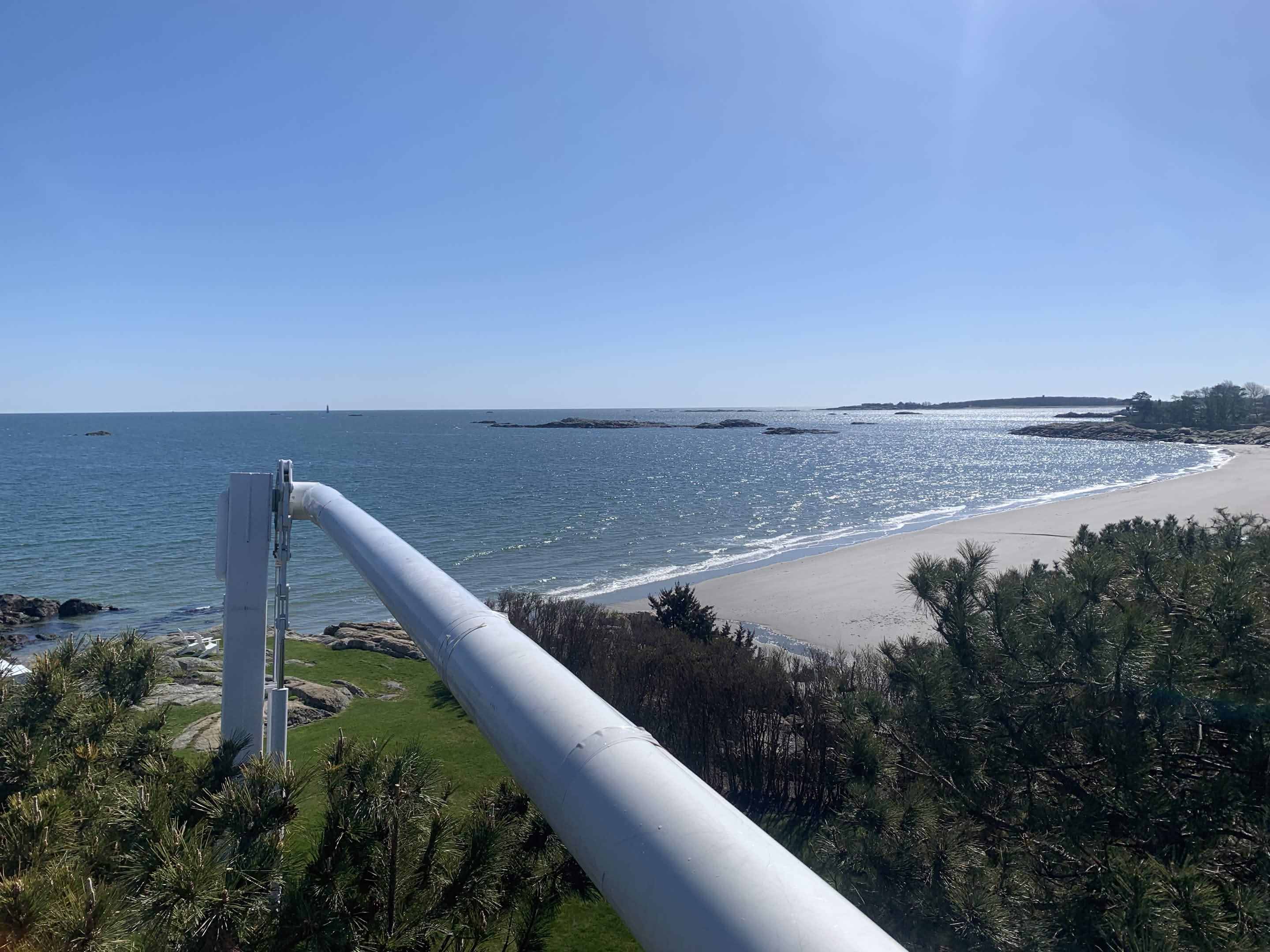
# Professional Vista Pruning in Norton, Massachusetts
If you own property in Norton, Massachusetts, your red oaks, white pines, and red maples frame stunning views of the Norton Reservoir or distant rural horizons, but overgrowth can block those sightlines. Vista pruning in Norton MA from Southeast Arborist restores these panoramic perspectives while safeguarding tree health. As ISA Certified Arborists based in Plymouth and Cohasset, we serve the South Shore Massachusetts region, including Bristol County's Norton (ZIP 02766), with precision techniques that comply with ANSI A300 standards.
Norton's landscape—shaped by its 1669 settlement from Taunton—features regenerated forests marked by historic stone walls from early agriculture. These woods surround neighborhoods like Norton Center, Chartley, and the Wheaton College Area, where specimen trees such as copper beeches and heritage oaks demand expert care. Homeowners near the reservoir face watershed protection regulations that restrict tree work, while rural edges expose properties to power line risks from falling branches. Our vista pruning service uses windowing to open specific sightlines, crown reduction for broader panoramas, and selective branch removal to preserve structural integrity.
Imagine clearing obstructed views from your Crane Street Area deck toward the reservoir without compromising your white oaks or American beeches. We enhance property values by up to 15-20% through improved aesthetics and safety, according to local real estate trends in college towns like Norton (population 20,000). Unlike aggressive topping, which invites decay and weak regrowth, our methods promote vigorous healing—especially when timed for late winter or early spring in Norton's Zone 6b climate.
Southeast Arborist prioritizes safety with TCIA-accredited protocols, including bucket trucks for precise access and rigging systems to control branch drops near homes or roads. We've handled projects on larger rural lots in Barrowsville, thinning black birches and hemlocks to reveal property lines while minimizing soil disturbance on Norton's sandy loam soils. For Wheaton College Area residents, we manage tulip trees and sweetgums with cabling to support heavy crowns, ensuring views align with campus heritage.
Vista pruning in Norton MA addresses gypsy moth defoliation cycles that weaken trees, making overextended branches prone to failure. Call our ISA Certified Arborists at 508-369-5009 for a free on-site assessment. We navigate local permitting for reservoir-adjacent work, delivering results that boost curb appeal and usability. Whether you're in South Worcester Street or near Foxborough borders, our service transforms blocked vistas into valued assets.
Why Norton Properties Need Vista Pruning
Norton's unique position as a college town with reservoir frontage and rural edges creates specific demands for vista pruning. Your property in the Norton Reservoir Area contends with continuous forest stands over a century old, where red maples and white pines block water views due to natural crowding. Watershed protection regulations from the Norton Conservation Commission limit removals within 100 feet of shorelines, requiring selective techniques to avoid erosion on these sensitive slopes.
In Chartley and Barrowsville, rural power line exposure heightens risks—white oaks and hemlocks with overgrown crowns fall during Norton's frequent nor'easters, which bring 50-60 mph winds and icy loads in Zone 6b winters. Gypsy moth defoliation cycles, peaking every 7-10 years in Bristol County, stress American beeches and black birches, leading to dieback that narrows sightlines further. Construction pressure on forested parcels near Easton and Raynham adds urgency; new builds demand clearing for driveways without triggering invasive species spread on Norton's acidic, well-drained soils.
Wheaton College Area properties showcase specimen trees like dawn redwoods and copper beeches, planted since 1834, but unchecked growth obscures campus vistas and historic stone walls. Red oaks, dominant on upland sites, develop heavy lower limbs that shade lawns and block trails—issues our ISA Certified Arborists resolve through targeted thinning. Sweetgums and tulip trees in the Crane Street Area drop thorny fruit and brittle twigs, creating hazards while hiding neighborhood panoramas toward Attleboro.
Norton's microclimate—cooler near the 500-acre reservoir, with annual precipitation of 48 inches—fosters dense canopies. White pines suffer from white pine weevil, causing leader dieback that droops into views, while hemlocks battle woolly adelgid, weakening branches over reservoirs. Homeowners in South Worcester Street face similar woes on larger lots, where selective thinning reveals property lines amid stone wall remnants.
Vista pruning in Norton MA prevents these issues by reducing wind sail on crowns, improving light penetration for understory health, and complying with utility clearances. Without it, your trees risk failure during summer storms, common from Taunton's humid influences. We assess soil compaction from past agriculture, recommending mulch rings post-pruning to aid recovery on clay-loam mixes. Practical tip: Inspect your red maples for vascular streaking, a sign of verticillium wilt exacerbated by overcrowding—early vista work halts spread.
Local data shows 30% of Norton calls to Southeast Arborist involve view restoration, up from construction booms near Foxborough. Our ANSI A300-compliant approach enhances biodiversity, attracting pollinators to thinned areas. For your Norton property, vista pruning isn't optional—it's essential for safety, compliance, and enjoyment amid Bristol County's wooded heritage.
Our Vista Pruning Process in Norton
Southeast Arborist's vista pruning process in Norton MA starts with a free consultation tailored to your property's specifics. We arrive with ISA Certified Arborists who map sightlines from decks, windows, or roads in neighborhoods like Norton Center, using laser rangefinders to pinpoint obstructions from red oaks or white pines.
Step 1: Assessment (30-60 minutes). We evaluate tree health via visual inspection and resistograph sampling for internal decay in species like American beech. Soil tests check pH (typically 5.5-6.5 in Norton) to predict healing response. Regulations near reservoirs trigger erosion plans, including silt fencing.
Step 2: Pruning plan design. Using windowing, we target 10-20% canopy removal per ANSI A300 to open views without stress. For panoramic needs in Barrowsville, crown reduction shortens leaders on tulip trees by 25%, preserving natural form. Software models airflow post-pruning to reduce storm risk on rural power lines.
Step 3: Preparation and safety setup. Our TCIA-trained crews deploy bucket trucks with 85-foot reaches for Crane Street Area heights, plus drones for overhead scans of hemlock adelgid. Ground teams rig ropes on sweetgums, controlling drops to avoid stone walls or septic systems. PPE includes chainsaw chaps and helmets; traffic control complies with Norton bylaws.
Step 4: Selective execution. We climb white oaks using spike-free techniques, removing codominant stems at union collars to promote healing. Thinning black birches opens understory views while retaining 70% live crown ratio. Late winter timing (February-March) minimizes sap loss in Norton's climate.
Step 5: Specialized tools. Pole pruners handle mid-canopy red maples; reciprocating saws precision-cut near reservoirs. Hand tools prevent bark tears on heritage specimens near Wheaton College. Chips are mulched onsite for soil amendment, reducing compaction.
Step 6: Post-pruning care. We apply wound dressings only if pest-prone, install cabling on co-dominant leaders in white pines, and advise watering schedules for summer droughts. Follow-up inspections at 6 months check compartmentation.
This process preserves tree longevity—pruned red oaks live 20% longer per ISA studies—while restoring vistas. In South Worcester Street, we've windowed views through dense hemlock stands, enhancing solar gain by 15%. Safety protocols include daily equipment checks and liability insurance exceeding Massachusetts requirements.
Practical advice for Norton homeowners: Mark desired sightlines with flags before our visit; avoid DIY cuts, as improper angles invite oak wilt. Our equipment handles 24-inch diameters, scaling from single maples to multi-tree lots. Vista pruning in Norton MA elevates your property safely and sustainably—schedule at 508-369-5009.
Common Vista Pruning Projects in Norton Neighborhoods
In Norton Center, homeowners request vista pruning to frame views of Wheaton College's clock tower through overhanging red maples and white oaks. We thin crowns by 15-20%, opening 50-foot sightlines while cabling split leaders common in these mature street trees.
Chartley properties near rural edges need property line clearing amid black birches and hemlocks encroaching on stone walls. Selective removal complies with abutters' notices, revealing pastures toward Raynham without full clear-cutting.
Barrowsville lots face power line conflicts—our windowing on white pines prevents outages, creating elevated views over fields to Easton. We've handled 10-tree projects here, reducing wind resistance by 30%.
Norton Reservoir Area demands regulatory savvy; pruning sweetgums and tulip trees within buffer zones includes erosion matting. One client regained reservoir panoramas from their dock, with 40% canopy reduction preserving shoreline stability.
Wheaton College Area focuses on specimen care—structural pruning on copper beeches and dawn redwoods maintains campus aesthetics. We manage gypsy moth recovery, thinning to boost vigor and expose academic quad vistas.
Crane Street Area decks benefit from red oak lowering, dropping limbs 10 feet to uncover reservoir horizons. Rigging ensures no debris hits roads or utilities.
South Worcester Street rural parcels see frequent thinning for driveway visibility through American beech groves. Post-construction sites get invasive removal alongside vista work.
Nearby Foxborough, Attleboro, Taunton, and Raynham clients cross into Norton for our expertise on similar species. Each project references local context, like reservoir regs or moth cycles.
Vista Pruning Costs in Norton, MA
Vista pruning costs in Norton MA range from $500-$2,500 per tree, depending on factors like species, height, and access. A 40-foot red oak in Norton Center might cost $800 for windowing, while a 60-foot white pine near reservoirs hits $1,800 due to regulatory filings ($200 extra).
Key pricing drivers: Tree size (DBH over 24 inches adds $300+ for rigging); location (watershed zones +25% for compliance); complexity (cabling hemlocks +$400). Crew time—half-day for small maples ($1,200 minimum)—includes travel from Plymouth/Cohasset.
Norton's rural lots save via batching: 5-tree Barrowsville jobs drop per-tree to $600. Compare to topping ($400/tree but shortens life 50%), our ANSI A300 methods yield ROI via 10-15% property value lifts, per Bristol County appraisals.
Volume discounts apply for Chartley multi-lot clears (15% off). Permits ($50-150) factor in for Wheaton Area heritage trees. Fuel surcharges are rare in our 30-mile South Shore radius.
Value proposition: Prevent $10,000 storm claims; boost resale by highlighting reservoir views. Tax deductions possible for safety pruning under MA forestry programs.
Get a quote: Factors we assess—your soil moisture aiding recovery lowers risk premiums. Call 508-369-5009 for binding estimates post-site visit. Transparent pricing ensures Norton homeowners invest wisely.
When to Schedule Vista Pruning in Norton
Schedule vista pruning in Norton MA during late winter/early spring (Feb-April), when Norton's dormant trees seal cuts fastest amid 40°F days. Sap flow is low, reducing pest entry in red oaks; healing callus forms by summer.
Urgency signs: Branches rubbing power lines in Barrowsville; reservoir views blocked post-winter growth; gypsy moth-defoliated sweetgums leaning. Act before May leaf-out hides defects.
Avoid summer—heat stresses white pines; fall risks oak wilt vectors. Early detection via annual walks: Test limbs for cracks; note deadwood over 25% crown.
Our ISA Arborists flag high-risk tulip trees during free checks. Reservoir compliance windows align with this timing. Call 508-369-5009 now to book—slots fill for spring.
Frequently Asked Questions About Vista Pruning in Norton
**What is vista pruning in Norton MA?** Selective branch removal to restore views of reservoirs or horizons, using windowing on red maples and crown thinning on white oaks, while following ANSI A300 for health.
**How does it differ from topping?** Topping stubs branches, causing decay; vista pruning cuts at collars, retaining 70% structure for Norton's wind-prone trees like hemlocks.
**Is vista pruning safe near Norton Reservoir?** Yes—Southeast Arborist files with Conservation Commission, uses erosion controls on slopes for sweetgum removals.
**Will it hurt my Wheaton College Area specimen trees?** No—ISA Certified techniques cabling American beeches promote longevity; no more than 25% removal annually.
**How much canopy can be removed legally?** ANSI limits 20-30% per session; we space multi-year plans for black birches in Chartley.
**When is the best time in Norton's climate?** Late winter for optimal healing before Zone 6b bud swell; avoids gypsy moth cycles.
**Do you handle permits for Crane Street power lines?** Yes—coordinate with Eversource, using rigging for safe drops near utilities.
**What's the ROI for South Worcester Street properties?** View enhancement lifts values 12-18%; prevents rural lot hazards costing thousands.
Vista Pruning Throughout Norton
Southeast Arborist delivers vista pruning across Norton neighborhoods: Norton Center street trees, Chartley rural clears, Barrowsville power line work, Norton Reservoir compliance, Wheaton College specimens, Crane Street decks, South Worcester Street lots.
We extend to nearby Foxborough, Easton, Raynham, Attleboro, Taunton. From Plymouth/Cohasset base, response is same-day for urgencies.
ISA Certified, ANSI-compliant, safe. Restore your Norton views—call 508-369-5009 for assessment.