Skip to content
Southeast Arborist, LLC
Tree Pruning in South Shore MA

Professional Tree Pruning & Trimming in South Shore MA

ANSI A300 tree pruning and trimming by ISA Certified Arborists in South Shore MA. Crown thinning, deadwood removal. Call 508-369-5009.

ISA Certified Arborists

Internationally recognized credentials

Fully Insured & Licensed

Complete liability coverage

24/7 Emergency Service

Real people answer the phone

Serving 60+ Towns

All of South Shore MA

Tree Pruning in South Shore MA

Tree pruning is both a science and an art. The science lies in understanding tree biology — knowing where to make each cut so the tree heals correctly, how much canopy can be safely removed, and which branches to target for maximum benefit. The art is in shaping the tree to enhance its natural form, open up light and views, and achieve your landscape goals without compromising structural integrity. At Southeast Arborist, our ISA Certified Arborists bring both disciplines to every pruning job on the South Shore.

Proper pruning improves safety by removing dead, broken, and weakly attached branches before they fall during a storm. It improves tree health by opening up the canopy for better airflow and sunlight penetration, reducing conditions that promote fungal disease. It improves appearance by eliminating crossed branches, water sprouts, and structural defects that detract from a tree's natural beauty. And it improves property value — well-maintained trees are one of the most significant contributors to curb appeal and real estate value.

The South Shore's mix of coastal and inland environments creates diverse pruning needs. Coastal properties in Scituate and Cohasset deal with wind-sculpted trees that need careful structural pruning to maintain stability against persistent onshore winds and nor'easters. Inland properties in Norwell, Hanover, and Pembroke feature mature hardwood canopies of red oak, sugar maple, and white pine that benefit from regular crown thinning and deadwood removal. Throughout the region, New England's heavy snow and ice storms make proper pruning essential for preventing limb failure.

We adhere to ANSI A300 pruning standards — the nationally recognized benchmark for quality tree care established by the Tree Care Industry Association. These standards define proper pruning objectives, techniques, and limitations to ensure every cut serves a purpose and promotes the long-term health of your trees.
Why It Matters

Why You Need Professional Tree Pruning

Unpruned trees are a liability waiting to happen. Dead branches can fall without warning, injuring people or damaging cars, roofs, and fences. Overgrown canopies catch more wind and ice, increasing the likelihood of catastrophic limb failure during New England's frequent storms. Crossed and rubbing branches create wounds that serve as entry points for disease-causing fungi and wood-boring insects. A single unpruned tree can cost thousands in storm damage that proper maintenance would have prevented.

Beyond safety, pruning directly impacts tree health and longevity. A dense, unpruned canopy traps moisture against leaves and bark, creating ideal conditions for fungal pathogens. Thinning the crown improves air circulation and sunlight penetration, keeping foliage dry and reducing disease pressure. Regular pruning also redirects the tree's energy from maintaining weak, unproductive branches toward developing a strong, balanced framework that will support the tree for decades.

For homeowners, the aesthetic benefits are equally compelling. A professionally pruned tree looks better, lets more light into your yard and home, and frames your property's best features. Strategic pruning can open views, reduce shade where you want more sun, and create the kind of well-maintained landscape that adds measurable value to your home.

Professional tree pruning - Southeast Arborist

Our Approach

How Southeast Arborist Handles Tree Pruning

We never approach pruning with a one-size-fits-all mentality. Every tree is different — different species, different age, different structural condition, different goals. Our process starts with a conversation about what you want to achieve, followed by a thorough evaluation of each tree's health, structure, and growth patterns. We then develop a pruning plan tailored to your specific trees and objectives.

Our arborists use precisely placed cuts at branch collars, ensuring each wound seals properly and the tree heals with minimal stress. We never top trees — a destructive practice that causes long-term damage, creates weak regrowth, and increases hazard risk. We never remove more than 25 to 30 percent of a tree's live canopy in a single session, preserving the tree's ability to photosynthesize and maintain its energy reserves. When a tree needs significant corrective work, we spread the pruning over multiple seasons to avoid shocking the tree.

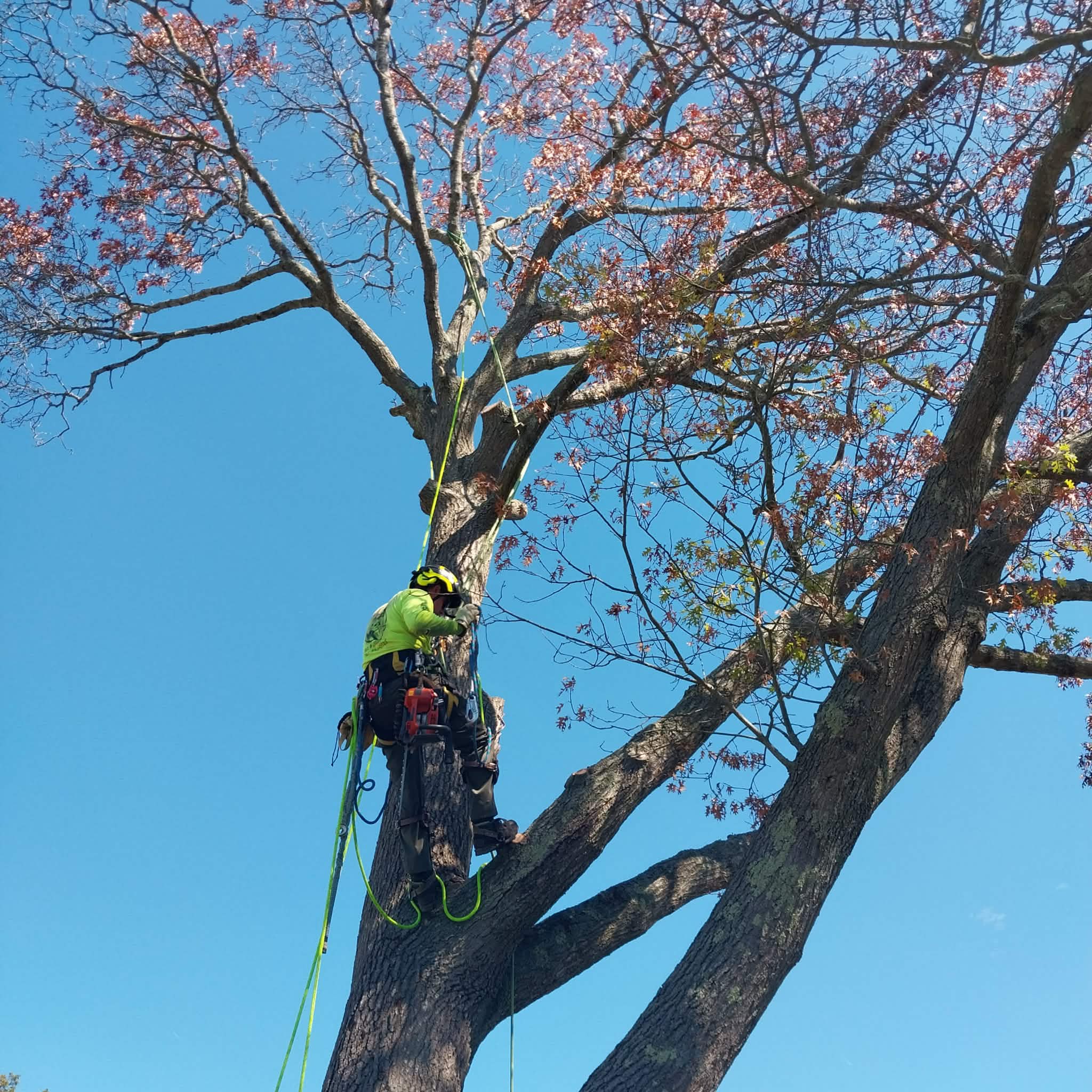
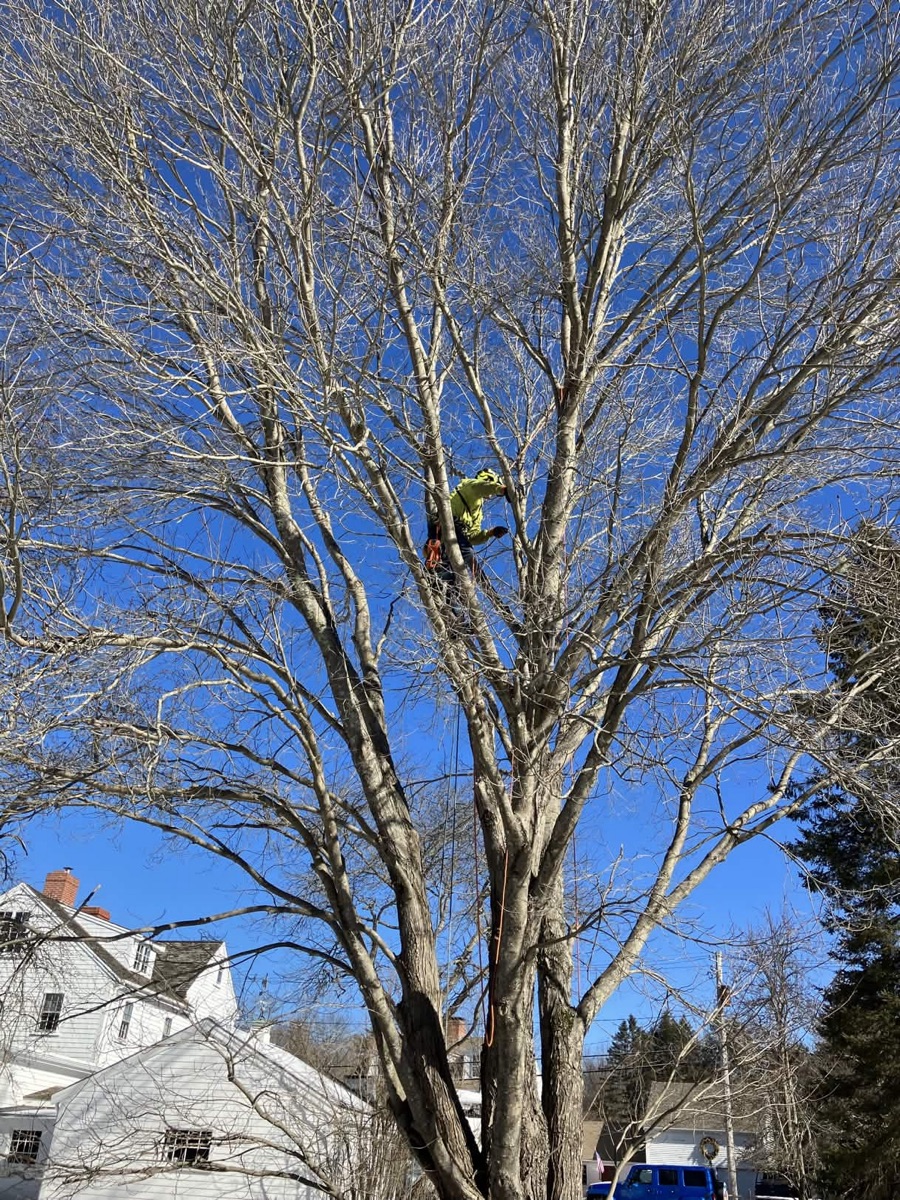
Our crew works from bucket trucks, spider lifts, and rope-and-saddle climbing systems depending on the tree and site conditions. Every job follows ANSI Z133 safety standards. We chip brush on-site, haul all debris, and leave your property clean. If we identify issues beyond pruning — disease, structural defects, root problems — we will let you know and recommend appropriate next steps.

What's Included

Our Tree Pruning Service Includes

Crown Thinning

Selective removal of interior branches to reduce canopy density, improve light penetration and airflow, and reduce wind and ice loading — the most common pruning performed on mature trees.

Deadwood Removal

Identification and removal of dead, dying, and broken branches that pose a falling hazard. Winter pruning on deciduous trees makes dead wood easier to identify when the canopy is bare.

Crown Elevation

Removal of lower branches to provide clearance for buildings, vehicles, pedestrians, and lawn maintenance equipment — essential for trees overhanging driveways, walkways, and patios.

Structural Pruning

Corrective pruning on young and developing trees to establish strong branch architecture, eliminate co-dominant stems, and reduce the need for costly cabling or removal at maturity.

Restoration Pruning

Skilled pruning to restore the natural form and health of trees damaged by storms, improper past pruning, or neglect. Applied over multiple pruning cycles to avoid stressing the tree.

Disease Prevention

Improved airflow and sunlight penetration through crown thinning reduces the damp, stagnant conditions that promote fungal diseases — particularly important in New England's humid summers.

Investment

Tree Pruning Pricing Guide

Tree pruning costs vary based on the size of the tree, the number of trees being pruned, the type and extent of pruning required, and access conditions. On the South Shore, pruning a single medium-sized tree typically ranges from $300 to $800. Large shade trees requiring bucket truck or climbing access generally run $600 to $1,500. Multi-tree pruning packages for property-wide maintenance are often the best value, and we offer annual maintenance plans for clients who want consistent year-over-year care.

Factors that affect pricing include tree height, canopy spread, species (some species like oaks have specific timing requirements that affect scheduling), proximity to structures and power lines, and the volume of debris generated. We provide free on-site estimates and will walk you through exactly what we recommend and why.

Get Your Free Estimate

Timing

Best Time for Tree Pruning

For most deciduous trees on the South Shore, the ideal pruning window is during dormancy — November through March, after leaves have fallen and before new growth begins in spring. Dormant pruning minimizes stress, reduces disease transmission risk, and allows arborists to see the full branch structure clearly. Evergreen trees are best pruned in late winter just before new growth starts. Spring-flowering trees like dogwoods, magnolias, and crabapples should be pruned immediately after flowering to avoid removing next year's flower buds. Dead and hazardous branches can be removed at any time of year. Oak trees have a critical restriction: never prune between February and July due to oak wilt risk.

FAQ

Frequently Asked Questions About Tree Pruning

Why should I hire a professional for pruning?

Improper pruning can seriously damage a tree, creating wounds that do not heal, stimulating weak regrowth, and increasing hazard risk. Our ISA Certified Arborists use precisely placed cuts following ANSI A300 standards so the tree heals correctly. We understand species-specific needs and never remove more than 25 to 30 percent of the canopy in a single session.

Do you top trees?

Absolutely not. Topping is one of the most harmful practices in tree care. It removes the tree's main leader, triggers a flush of weak, poorly attached water sprouts, and leaves large wounds that decay internally. Topped trees become more hazardous over time, not less. We use proper crown reduction techniques instead.

How often should trees be pruned?

Most mature shade trees benefit from pruning every 3 to 5 years. Young trees being structurally trained may need attention every 2 to 3 years. Fast-growing species and trees in high-traffic areas may need more frequent attention. We can set up an annual maintenance plan tailored to your property.

What is the difference between pruning and trimming?

In professional arboriculture, pruning refers to the selective removal of specific branches for defined objectives — health, safety, structure, or aesthetics. Trimming is a more general term often used interchangeably. Regardless of what you call it, the key is that every cut should have a purpose and follow proper technique.

Will pruning hurt my tree?

Proper pruning performed by a certified arborist benefits the tree by removing dead and diseased wood, improving structure, and promoting healthy growth. The key is making correct cuts at branch collars, not removing too much canopy at once, and pruning at the right time of year for the species.

Can you prune trees near power lines?

Yes. Our crew is trained in electrical hazard awareness per OSHA and ANSI Z133 standards. For branches in direct contact with lines, we coordinate with the utility company. We also perform clearance pruning to keep branches from growing into lines in the future.

What is crown thinning and why is it important?

Crown thinning is the selective removal of interior branches to reduce canopy density without changing the tree's overall size or shape. It improves light penetration, air circulation, and reduces the wind and ice loading that causes limb failure during New England storms. It is the most common pruning performed on mature shade trees.

Do you clean up after pruning?

Yes. We chip brush on-site and haul all debris. Your property is left clean after every job. If you would like us to leave wood rounds for firewood, just let us know during the estimate.

Our Process

How It Works

01

Free Assessment

We visit your property, inspect the trees, and discuss your goals. No cost, no obligation.

02

Written Plan & Quote

You receive a detailed scope of work and transparent pricing before any work begins.

03

Professional Execution

Our ISA Certified crew completes the work safely and efficiently using proper equipment.

04

Cleanup & Follow-Up

We haul all debris, rake the area clean, and walk the site with you to ensure satisfaction.

Our Work

See Our Team in Action

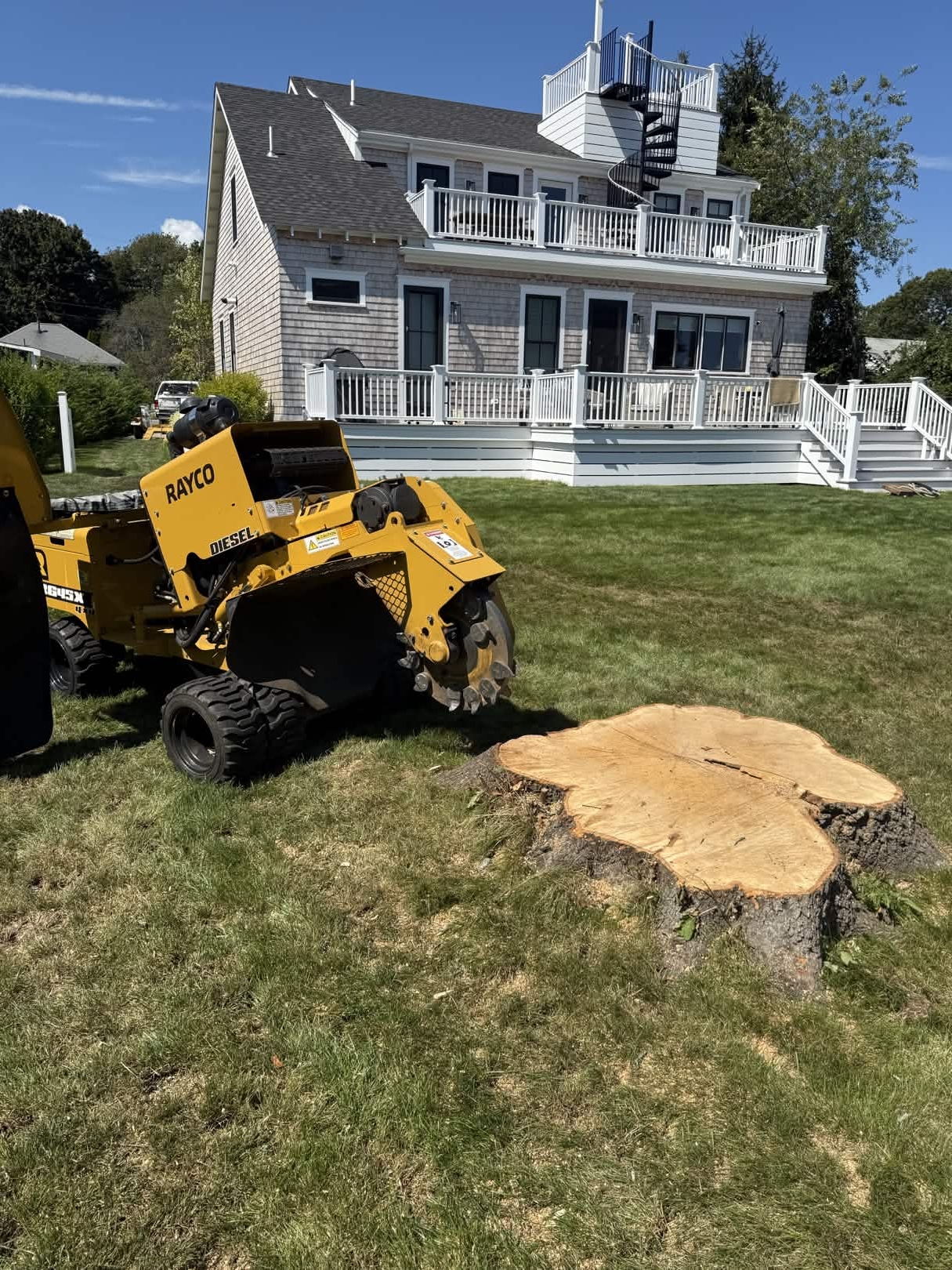
Southeast Arborist tree pruning work - photo 1
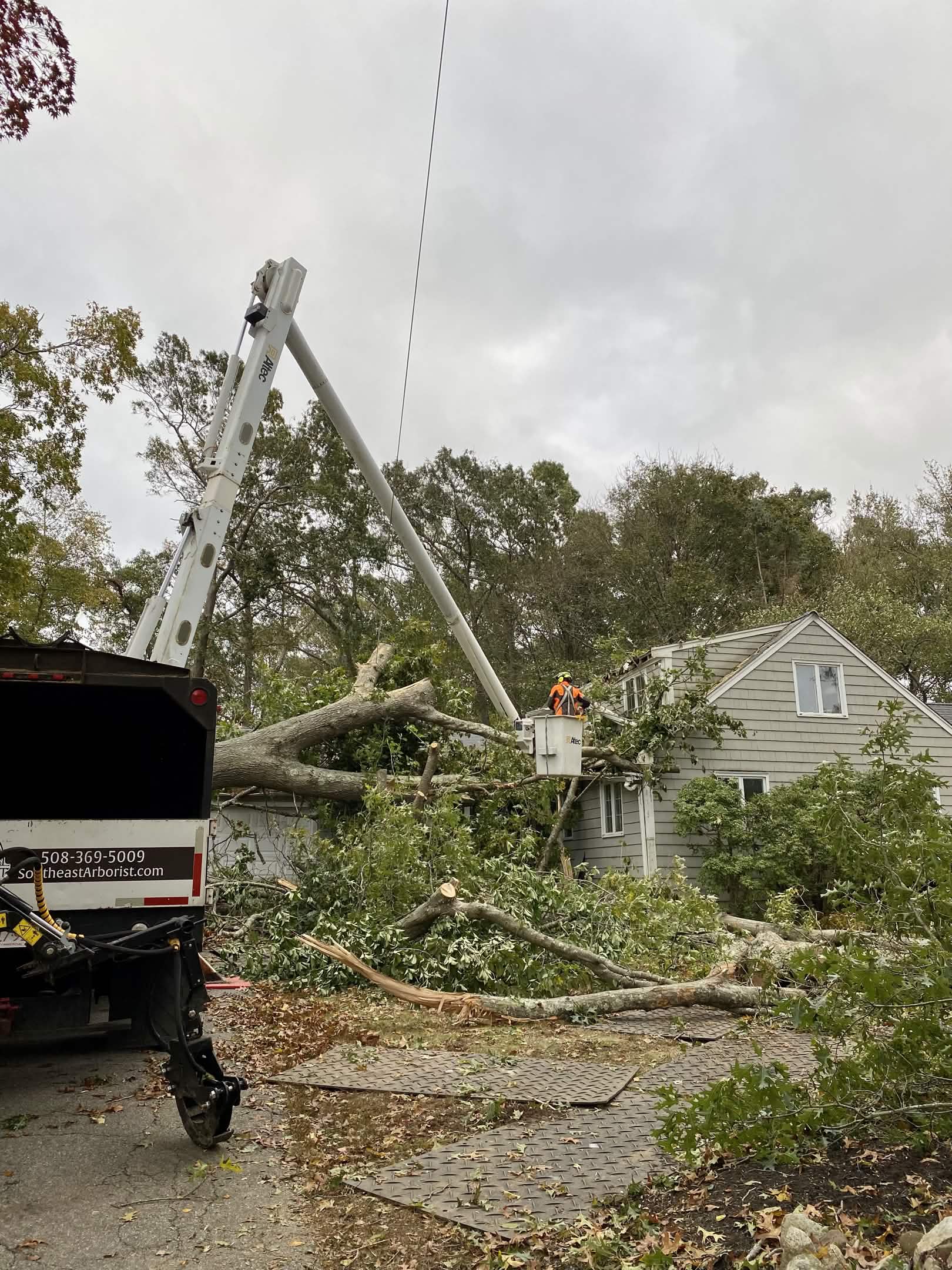
Southeast Arborist tree pruning work - photo 2
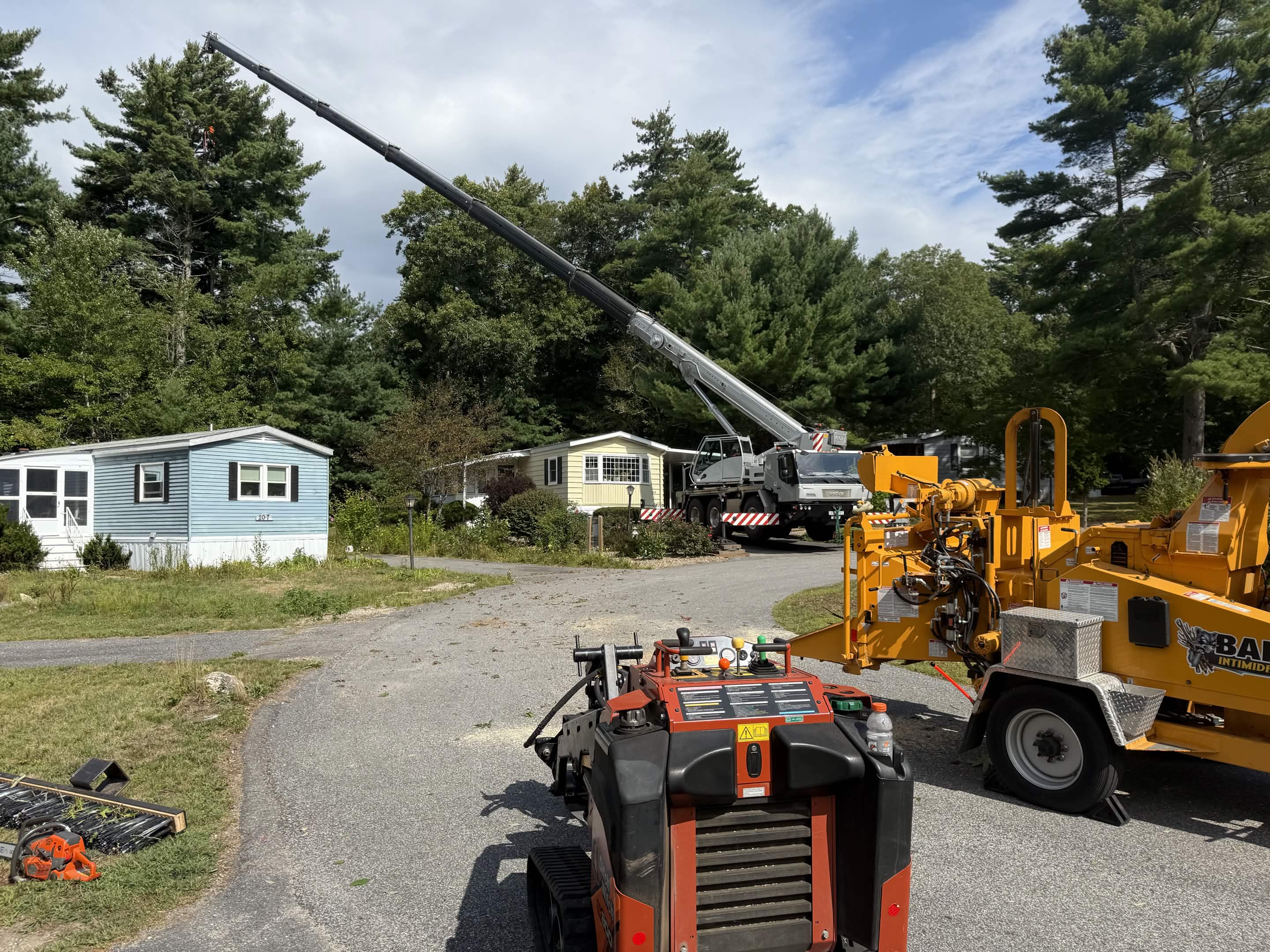
Southeast Arborist tree pruning work - photo 3
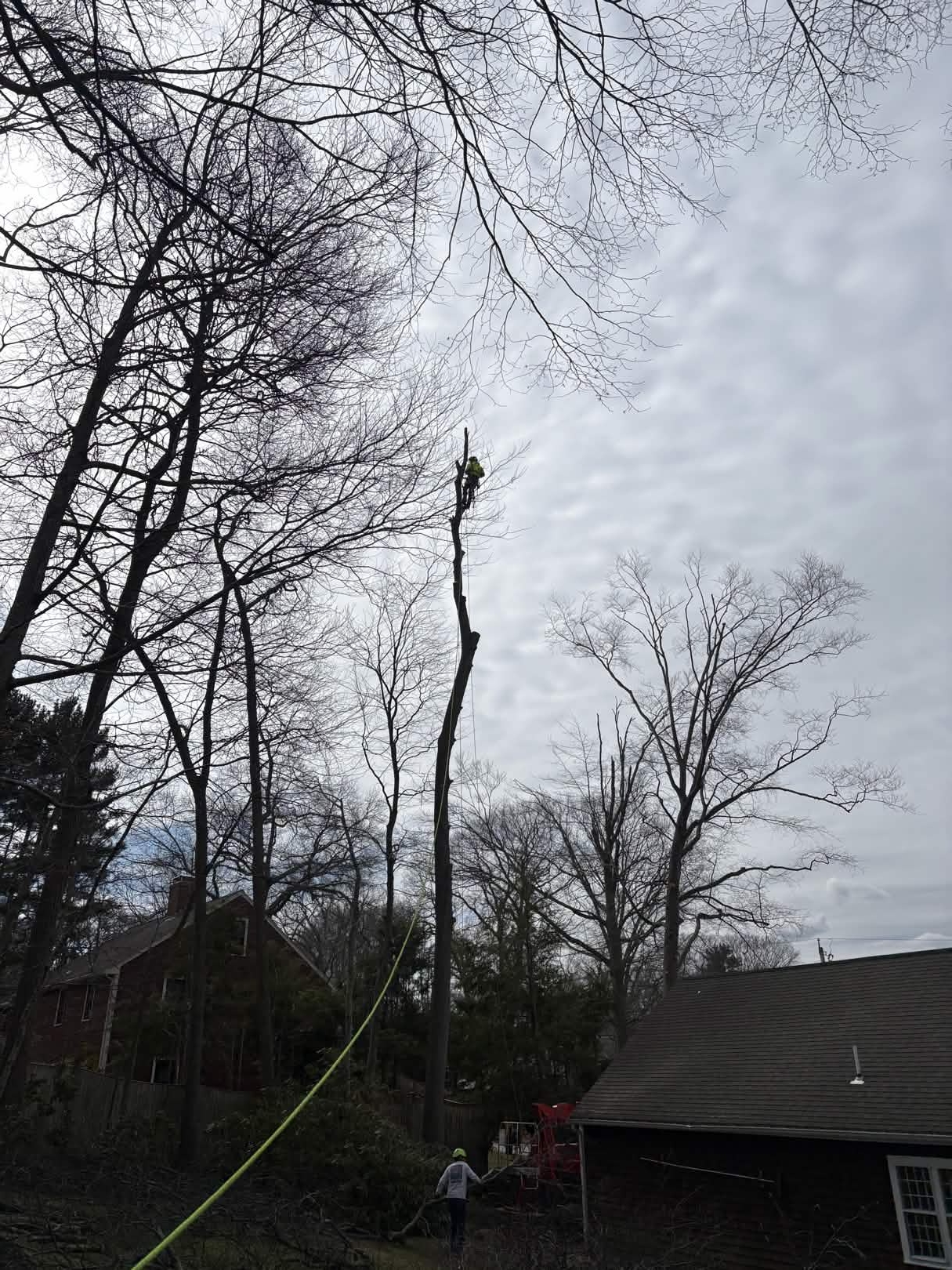
Southeast Arborist tree pruning work - photo 4

Testimonials

What Our Customers Say

★★★★★5.0 Rating on Google
Highly professional. Reasonable, listens to you and helps formulate the homeowners vision. He transformed my yard in less than a day and hauled it away. Pleasant to work with, honest and reliable. Highly recommend him!
I

Ivy N.

Google Review

I would highly recommend Southeast Arborist to anyone in need of tree service! Mike and his team were very pleasant and professional, providing outstanding service!!! Reasonable pricing! The team came on date and time as promised, the clean up was well above and beyond what we would have expected!!
B

Bernadette MacLean

Google Review

Southeast Arborist full equipment fleet

Need Tree Pruning in South Shore MA?

Free assessments, written quotes, and professional service from ISA Certified Arborists.

Southeast Arborist, LLC · P.O. Box 1361, Plymouth, MA 02362