Skip to content
Southeast Arborist, LLC
Tree Cabling in South Shore MA

Tree Cabling & Bracing in South Shore MA

ANSI A300 tree cabling and bracing in South Shore MA. Preserve weak trees with ISA Certified care. Call 508-369-5009.

ISA Certified Arborists

Internationally recognized credentials

Fully Insured & Licensed

Complete liability coverage

24/7 Emergency Service

Real people answer the phone

Serving 60+ Towns

All of South Shore MA

Tree Cabling in South Shore MA

Tree cabling and bracing are structural support techniques used to reduce the risk of failure in trees with weak attachments, co-dominant stems, heavy lateral limbs, or storm damage. Rather than removing a tree with structural issues, cabling and bracing can often preserve it for decades by supplementing its natural strength with engineered support systems. At Southeast Arborist, we install cabling and bracing systems following ANSI A300 standards to ensure proper design, placement, and long-term effectiveness.

Cabling involves installing flexible steel cables high in the canopy between co-dominant leaders or heavy lateral limbs. The cables limit the movement of these branches relative to each other, reducing the strain on weak attachment points during wind, ice, and snow loading. Bracing uses threaded steel rods installed through weak crotches or split trunks to provide rigid support at the point of weakness. In many situations, cabling and bracing are used together to provide comprehensive structural reinforcement.

The South Shore's exposure to nor'easters, ice storms, and coastal winds makes structural support particularly valuable. Trees that have developed co-dominant stems — two or more leaders of roughly equal size growing from the same point — are especially vulnerable to splitting during high-wind events. This is a common structural defect in red maples, red oaks, and elms throughout the region. Without support, these trees can split catastrophically, often causing significant property damage. A properly installed cable and brace system can prevent this failure for the remaining life of the tree.

Cabling and bracing is often a fraction of the cost of tree removal and replanting, and it preserves the shade, beauty, and property value that a mature tree provides. For large specimen trees, heritage trees, and trees with significant sentimental or landscape value, structural support is frequently the best investment.

Why It Matters

Why You Need Professional Tree Cabling

Many mature trees develop structural weaknesses over time — co-dominant stems with included bark, heavy lateral limbs extending far from the trunk, storm-damaged forks, and decay pockets that compromise attachment points. These weaknesses may not be visible from the ground, but they create failure points that can give way suddenly during storms. When a large limb or leader fails, the results can be catastrophic: crushed roofs, damaged vehicles, destroyed fences, and injuries.

Cabling and bracing addresses these weaknesses proactively, before failure occurs. It is a preventive measure that dramatically reduces risk while allowing the tree to remain a functional part of your landscape. For homeowners who value a large shade tree, a centuries-old oak, or a focal-point specimen tree, structural support is the alternative to removing something that cannot be replaced in their lifetime.

The financial case is also compelling. Removing and replacing a large tree can cost $2,000 to $5,000 or more, and a replacement tree will take decades to provide equivalent shade and value. A cable and brace system typically costs a fraction of that, protects against storm damage claims, and preserves the 5 to 15 percent increase in property value that mature trees provide.

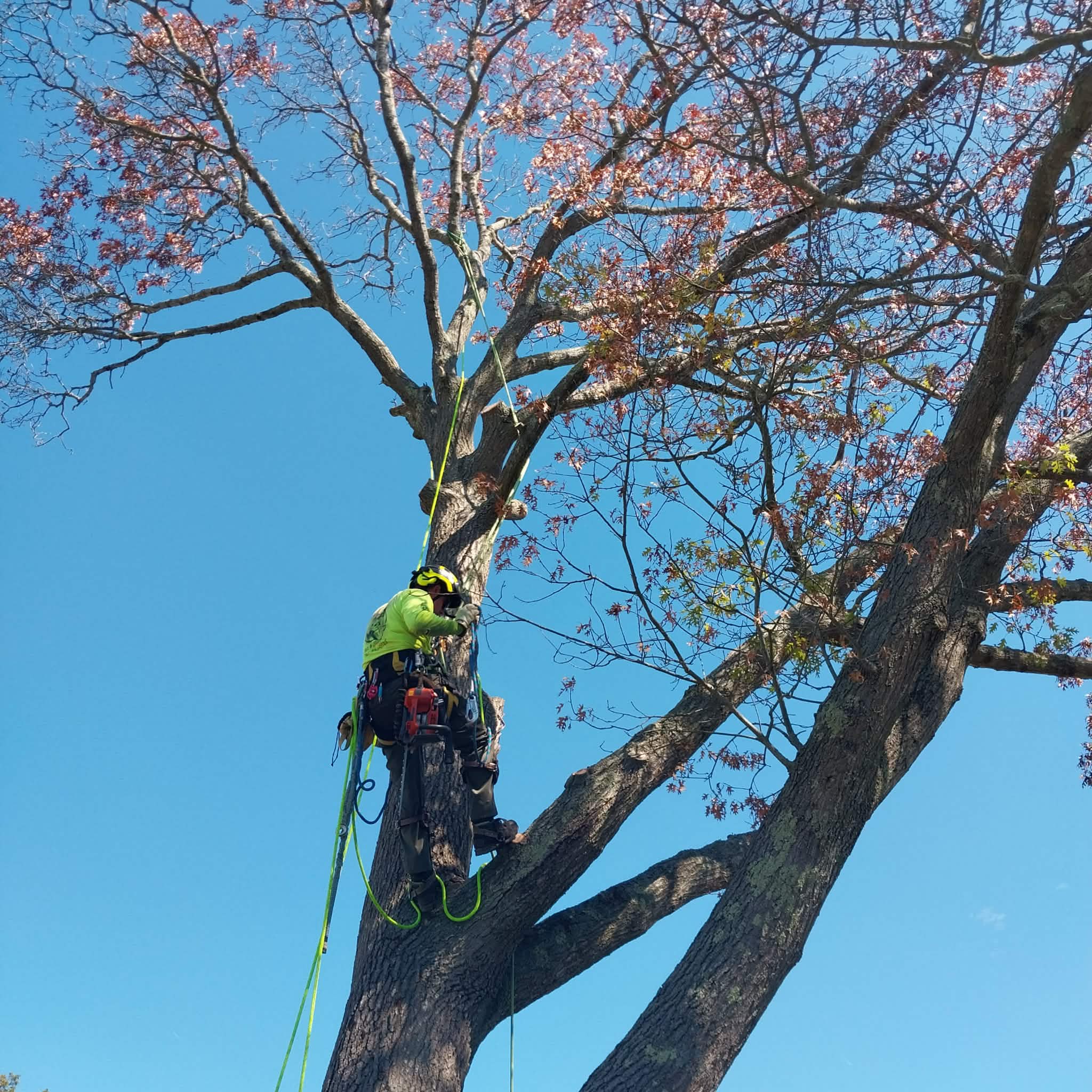
Professional tree cabling - Southeast Arborist

Our Approach

How Southeast Arborist Handles Tree Cabling

Our cabling and bracing work begins with a thorough structural assessment by an ISA Certified Arborist. We identify the specific points of weakness — co-dominant stems with included bark, over-extended lateral limbs, split crotches, and previous failure sites — and design a support system tailored to the tree's structure and the forces it is likely to encounter.

We install cables using hardware rated for the loads involved, positioned at the proper height and angle to provide maximum support. Cables are typically installed at approximately two-thirds the distance from the crotch to the crown tips, providing the best mechanical advantage. Bracing rods are installed through the trunk or crotch at the point of weakness, with washers and nuts on both sides to distribute load. All hardware is stainless steel or galvanized to resist corrosion in the coastal South Shore environment.

After installation, we recommend annual inspections to check hardware condition, cable tension, and the tree's growth response. As trees grow, cables and hardware may need adjustment to maintain proper support. We include inspection guidance with every installation and can set up a recurring maintenance schedule for your cabling system.

What's Included

Our Tree Cabling Service Includes

Co-Dominant Stem Support

Co-dominant stems — two leaders of equal size growing from the same point — are the most common structural defect in South Shore hardwoods. Cabling prevents these stems from splitting apart during storms.

ANSI A300 Standards

Every system is designed and installed following ANSI A300 Part 3 (Supplemental Support Systems) standards, ensuring proper hardware selection, placement, and installation technique.

Storm Damage Prevention

The South Shore sees nor'easters, ice storms, and coastal winds that put enormous stress on trees with structural weaknesses. Cabling and bracing dramatically reduces the risk of failure during these events.

Heritage Tree Preservation

For irreplaceable specimen trees, centuries-old oaks, and trees with significant landscape or sentimental value, cabling and bracing preserves what cannot be replaced in a human lifetime.

Cost-Effective Alternative

A cabling and bracing system often costs a fraction of full tree removal and replacement, while preserving the shade, beauty, and property value that a mature tree provides.

Annual Inspection Program

We offer annual inspections to check hardware condition, cable tension, and the tree's growth response — ensuring your support system remains effective for the life of the tree.

Investment

Tree Cabling Pricing Guide

Tree cabling and bracing costs on the South Shore typically range from $400 to $1,200 per tree, depending on the number of cables required, the size and height of the tree, accessibility, and the complexity of the structural issues. A single cable installation on a moderately sized tree with one weak attachment may run $400 to $600. A comprehensive system with multiple cables and brace rods on a large tree may cost $800 to $1,200 or more.

Compare this to the cost of removing and replacing a large tree ($2,000 to $5,000+) or the cost of storm damage repair when an unsupported tree fails. Cabling and bracing is one of the highest-value services in arboriculture. We provide free assessments and will honestly tell you whether cabling is a viable option or whether the tree's condition warrants removal instead.

Get Your Free Estimate

Timing

Best Time for Tree Cabling

Cabling and bracing can be installed year-round, but the best time is during the dormant season (November through March) when the canopy is bare and the tree's structure is fully visible. This allows our arborist to see every attachment point, structural defect, and branch relationship clearly. Installing before storm season — ideally in late fall or early winter before nor'easter season — ensures your trees are protected when they need it most. We also recommend having cabling systems inspected annually in early fall before winter storm season begins.

FAQ

Frequently Asked Questions About Tree Cabling

Can split trees be saved with cabling?

Many can, especially if the split is addressed promptly. Fresh splits from storm events can often be pulled back together with bracing rods and supported with cables. Long-standing splits with extensive decay may be beyond repair. Our arborist will honestly assess whether the tree is a candidate for support or if removal is the safer option.

How long does a cabling system last?

A properly installed system using quality hardware typically lasts 10 to 15 years or more with routine inspections. As the tree grows, the system may need adjustment or replacement to maintain proper support. We recommend annual inspections to monitor hardware condition and tree response.

Is cabling cheaper than removing the tree?

In most cases, yes — significantly so. A cabling system typically costs $400 to $1,200, while removing and replacing a large tree can cost $2,000 to $5,000 or more. Plus, cabling preserves the shade, beauty, and property value that the mature tree provides.

Will the cables damage the tree?

Modern cabling hardware is designed to work with the tree's growth rather than against it. The tree will eventually grow around the hardware at attachment points, which is normal and expected. Properly installed systems do not restrict growth or cause significant damage.

How do I know if my tree needs cabling?

Common indicators include two or more trunks of equal size growing from the same point (co-dominant stems), a visible crack or split at a branch union, heavy limbs extending far from the trunk, previous storm damage at attachment points, or significant lean. An ISA Certified Arborist can assess your tree and recommend whether cabling is appropriate.

Do you cable trees in emergency situations?

Yes. When a tree has partially split during a storm but has not completely failed, emergency cabling and bracing can sometimes save it. Time is critical in these situations — the sooner the support is installed, the better the chance of preserving the tree. Call our 24/7 emergency line if you have a partially failed tree.

What species benefit most from cabling?

Red maples, red oaks, elms, and silver maples are especially prone to co-dominant stem formation and benefit greatly from cabling. Any large tree with structural weaknesses can be a candidate, regardless of species.

What is the difference between cabling and bracing?

Cabling uses flexible steel cables installed high in the canopy to limit the movement of co-dominant leaders relative to each other. Bracing uses rigid steel rods installed through weak crotches or split trunks to provide direct structural reinforcement. Many trees benefit from both used together.

Our Process

How It Works

01

Free Assessment

We visit your property, inspect the trees, and discuss your goals. No cost, no obligation.

02

Written Plan & Quote

You receive a detailed scope of work and transparent pricing before any work begins.

03

Professional Execution

Our ISA Certified crew completes the work safely and efficiently using proper equipment.

04

Cleanup & Follow-Up

We haul all debris, rake the area clean, and walk the site with you to ensure satisfaction.

Our Work

See Our Team in Action

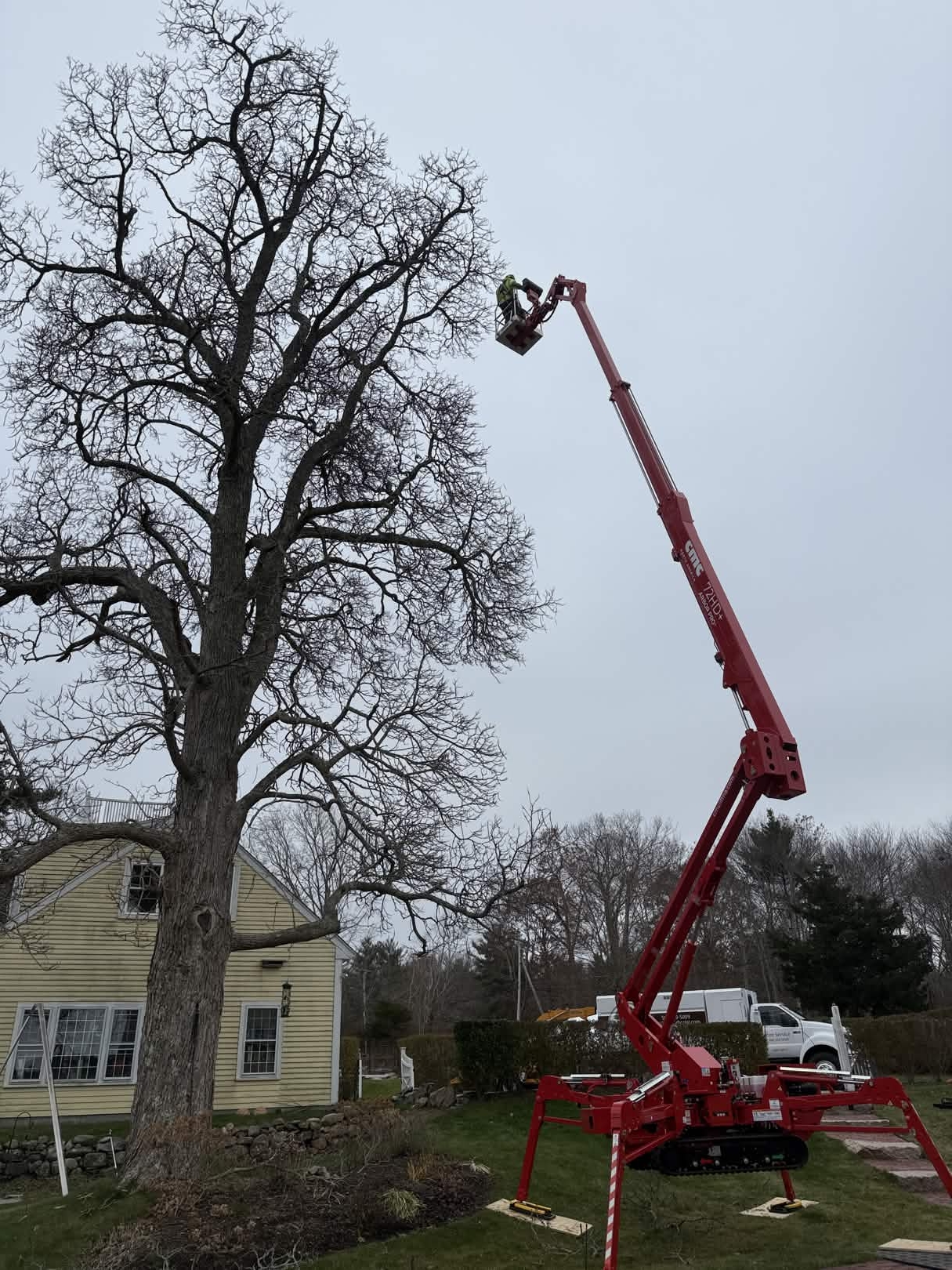
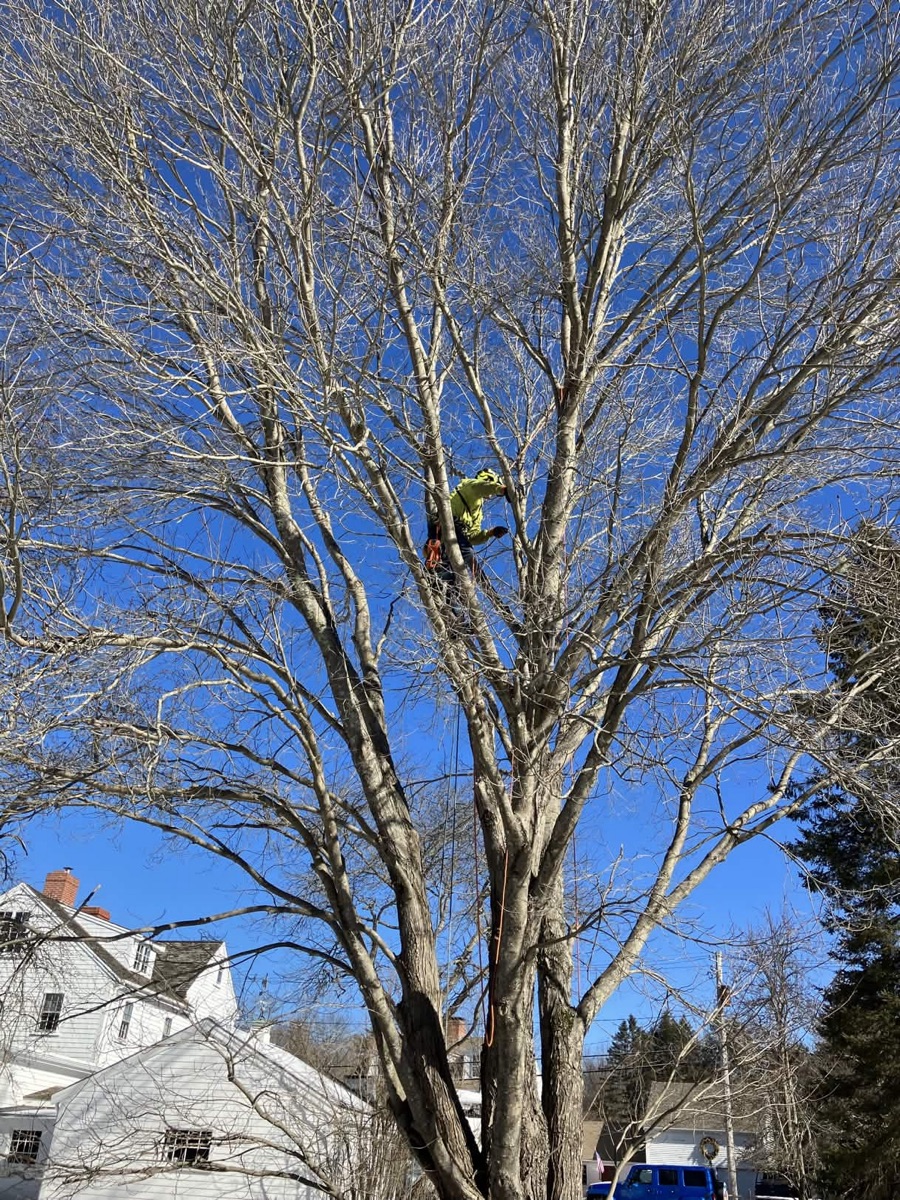
Southeast Arborist tree cabling work - photo 1
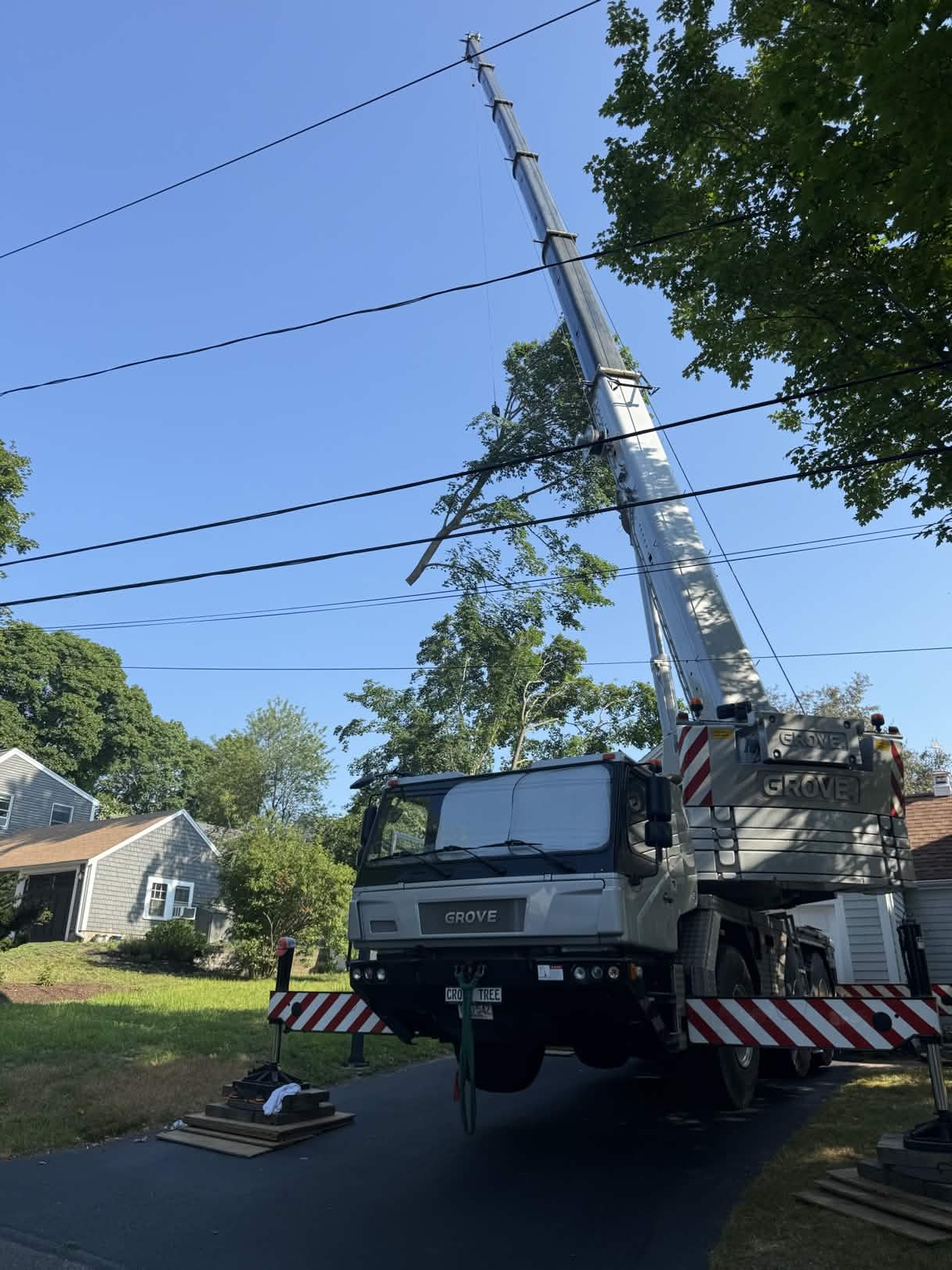
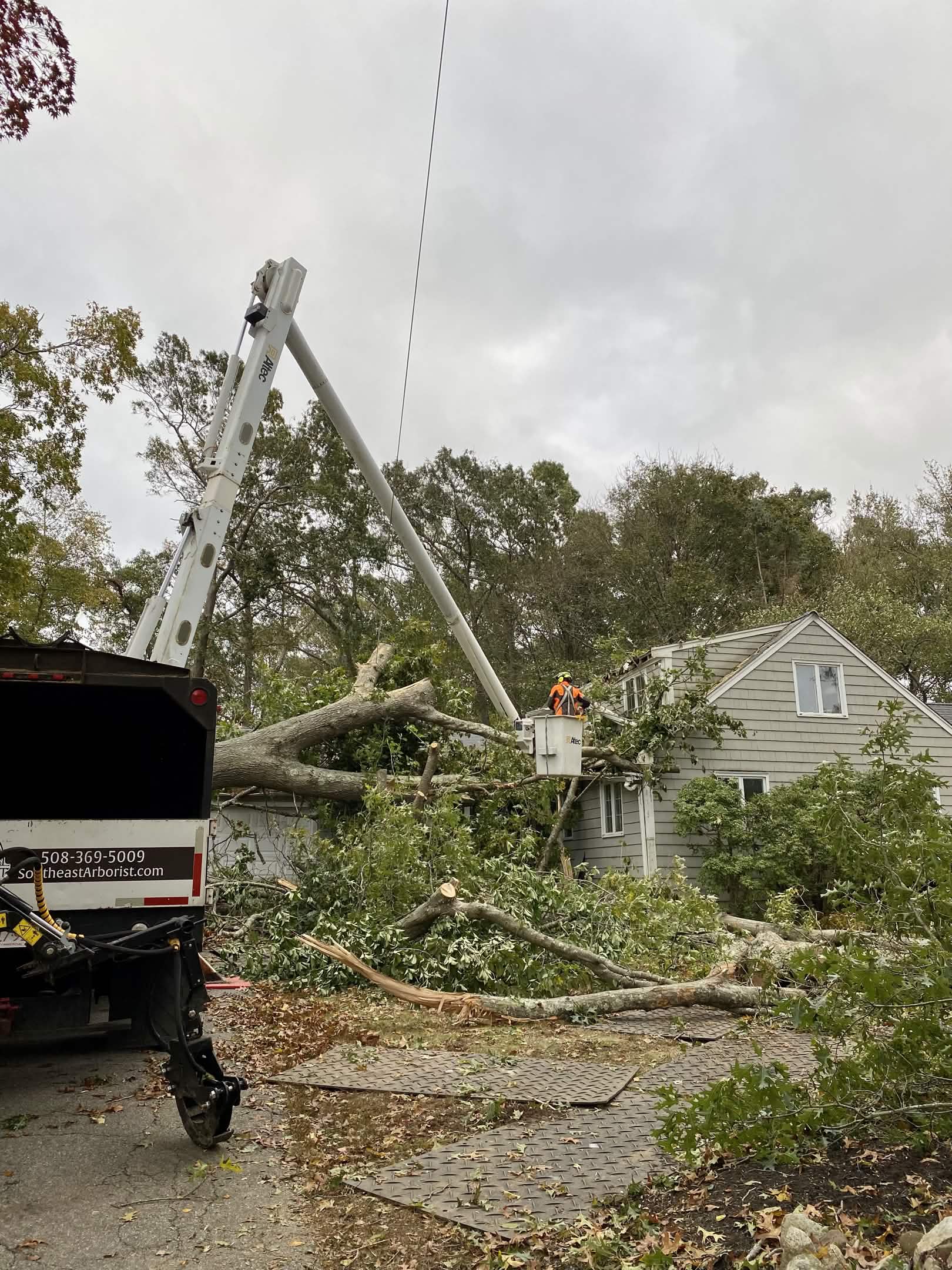
Southeast Arborist tree cabling work - photo 2
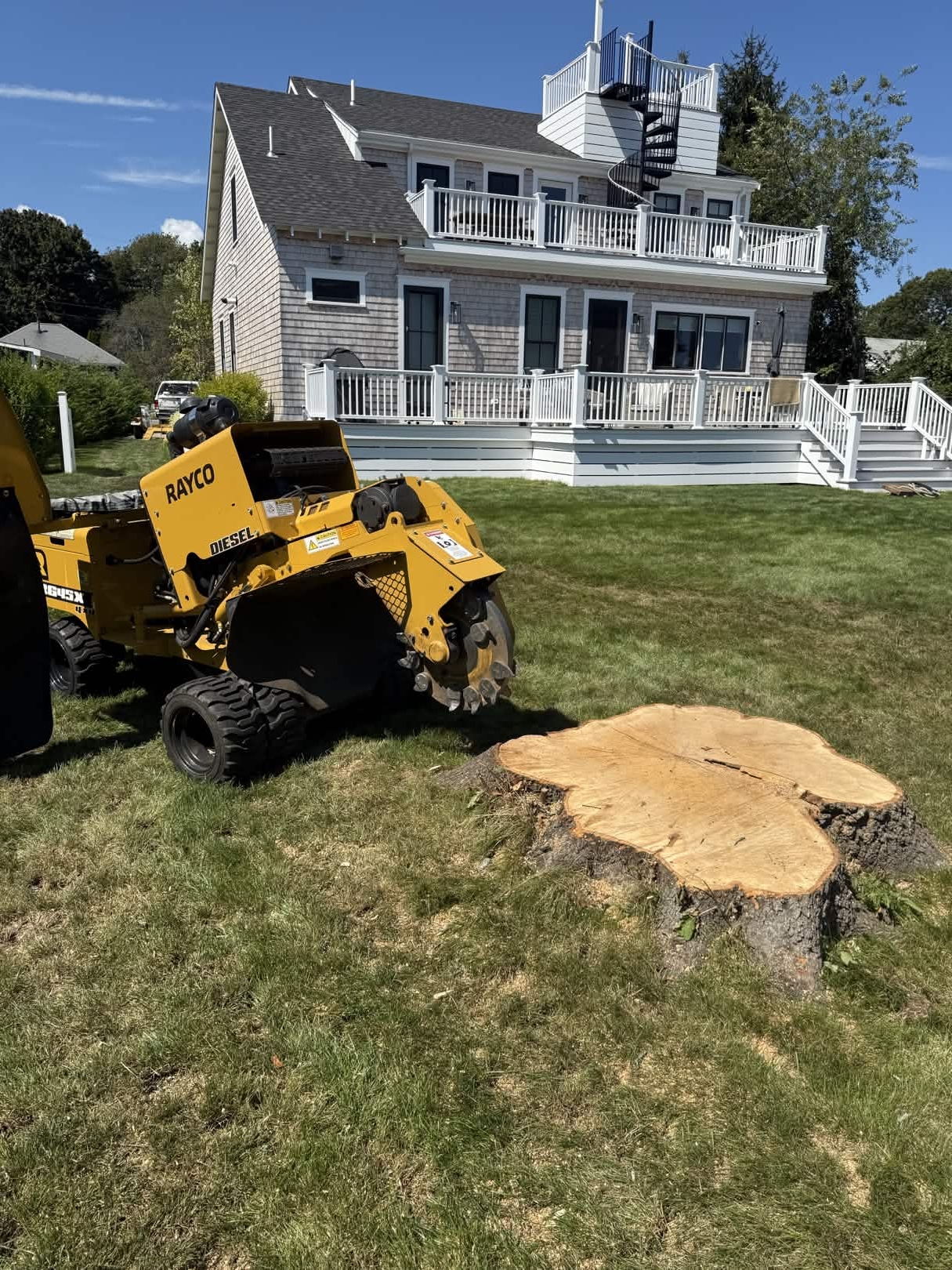
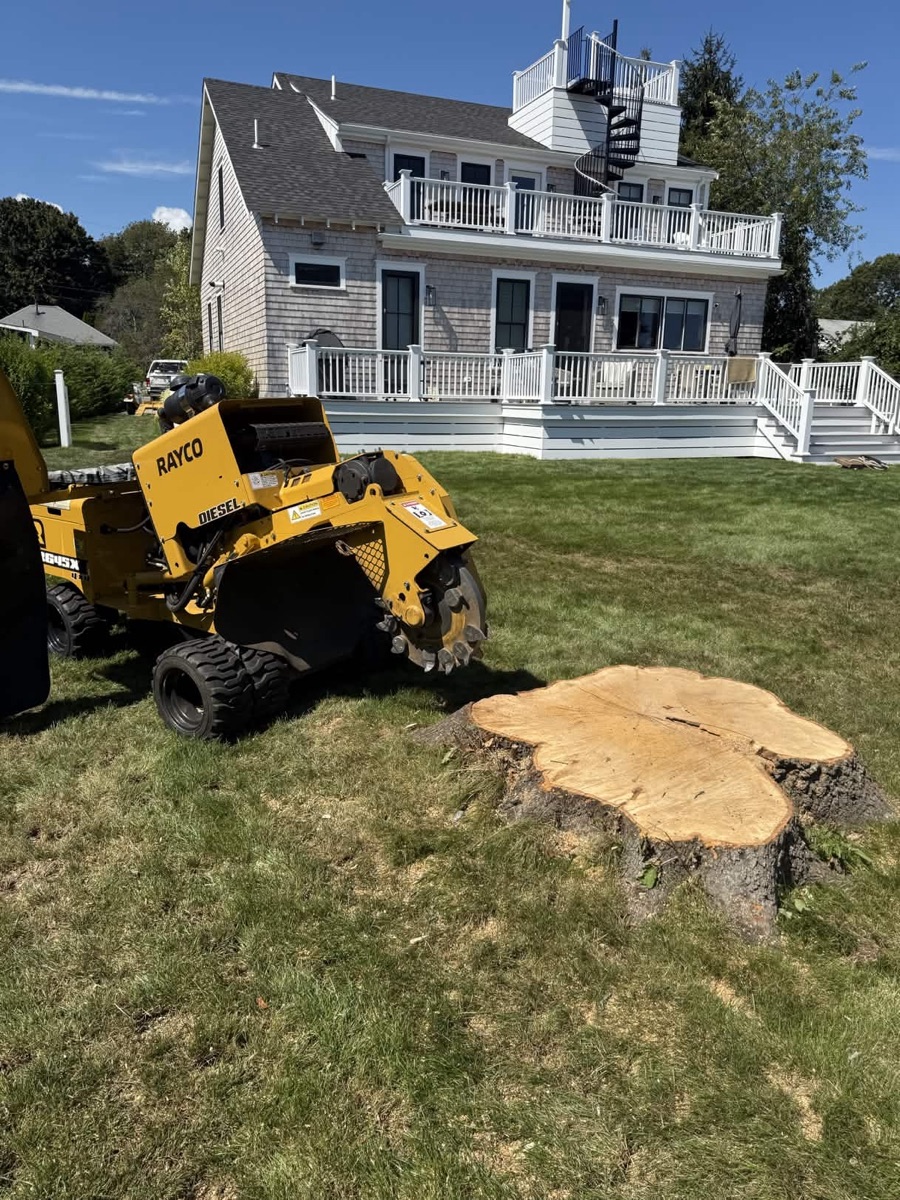
Southeast Arborist tree cabling work - photo 3
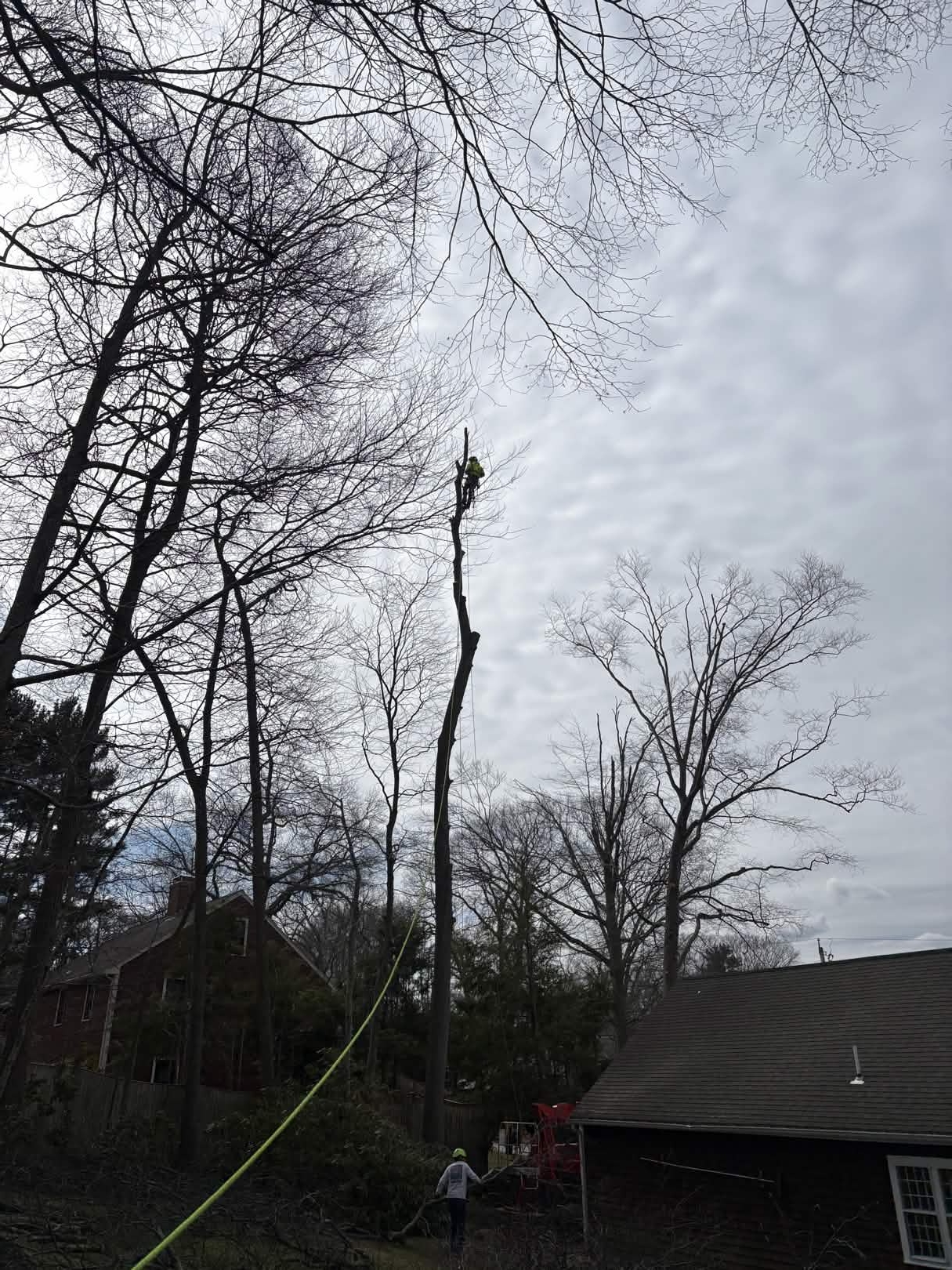
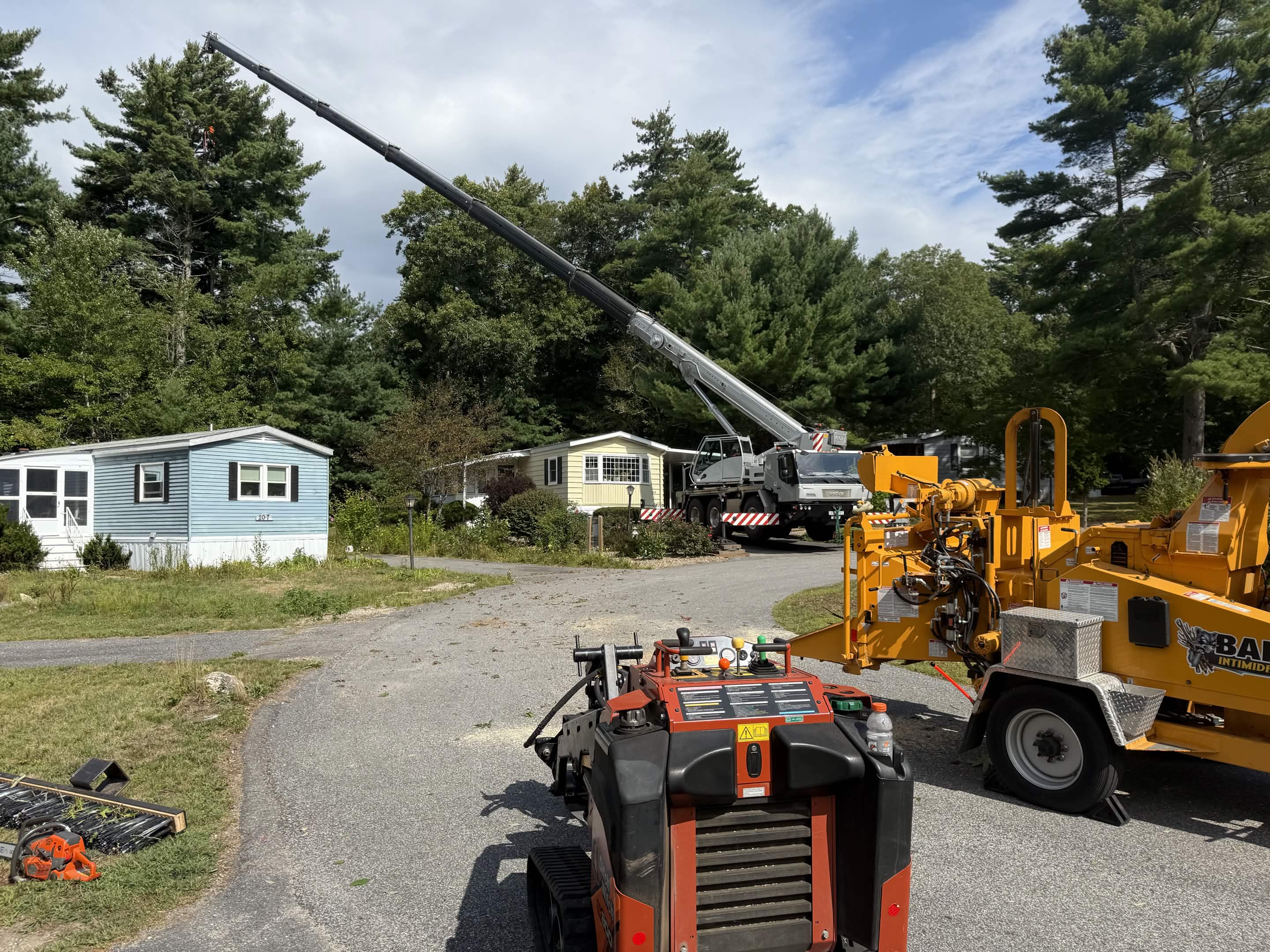
Southeast Arborist tree cabling work - photo 4

Testimonials

What Our Customers Say

★★★★★5.0 Rating on Google
I would highly recommend Southeast Arborist to anyone in need of tree service! Mike and his team were very pleasant and professional, providing outstanding service!!! Reasonable pricing! The team came on date and time as promised, the clean up was well above and beyond what we would have expected!!
B

Bernadette MacLean

Google Review

Highly professional. Reasonable, listens to you and helps formulate the homeowners vision. He transformed my yard in less than a day and hauled it away. Pleasant to work with, honest and reliable. Highly recommend him!
I

Ivy N.

Google Review

Southeast Arborist full equipment fleet

Need Tree Cabling in South Shore MA?

Free assessments, written quotes, and professional service from ISA Certified Arborists.

Southeast Arborist, LLC · P.O. Box 1361, Plymouth, MA 02362