Skip to content
Southeast Arborist, LLC
Root Zone Improvement in South Shore MA

Root Zone Improvement in South Shore MA

Root zone improvement and soil restoration for trees in South Shore MA. Air spading, decompaction, amendment, drainage. ISA Certified. 508-369-5009.

ISA Certified Arborists

Internationally recognized credentials

Fully Insured & Licensed

Complete liability coverage

24/7 Emergency Service

Real people answer the phone

Serving 60+ Towns

All of South Shore MA

Root Zone Improvement in South Shore MA

Most tree problems that homeowners see — yellowing leaves, thinning canopy, stunted growth, dieback, early fall color — originate underground in the root zone. Compacted soil, poor drainage, buried root flares, girdling roots, nutrient depletion, and construction damage to root systems are responsible for more tree decline and death on the South Shore than any pest or disease. Yet root zone issues are the least understood and most overlooked aspect of tree care.

The typical South Shore residential lot has been graded, compacted by heavy machinery during construction, stripped of its native topsoil, and then covered with a thin layer of loam and sod. The trees planted on these lots — or the mature trees that survived construction — are growing in soil that has been fundamentally degraded. Compacted soil restricts root growth, limits oxygen penetration, reduces water infiltration, and suppresses the beneficial fungi and bacteria that trees depend on for nutrient uptake. A tree growing in compacted suburban soil is like a person trying to breathe through a straw.

Root zone improvement addresses these underground conditions directly. Using specialized equipment — including air spading tools that use compressed air to excavate soil without damaging roots — we can decompact soil, expose and correct girdling roots, uncover buried root flares, amend soil with organic matter and beneficial microorganisms, improve drainage, and create the conditions where roots can grow, breathe, and access the water and nutrients they need.

The results are often dramatic. Trees that have been slowly declining for years — thin canopy, small leaves, early leaf drop, minimal annual growth — frequently show visible improvement within one to two growing seasons after root zone work. The canopy fills in, leaves grow larger and darker green, annual shoot growth increases, and the tree's overall vigor and resistance to pests and diseases improves substantially. Root zone improvement is the single most impactful treatment we can provide for a declining tree that still has sufficient canopy and root mass to recover.

Why It Matters

Why You Need Professional Root Zone Improvement

Trees evolved in forest soils — loose, rich with organic matter, teeming with mycorrhizal fungi, and protected by a thick layer of decomposing leaves. Suburban South Shore soils are the opposite of that environment. Construction equipment compresses soil to the point where roots cannot penetrate. Topsoil removal during grading eliminates the organic-rich layer that supports soil biology. Lawn irrigation and fertilizer programs favor turf grass at the expense of tree roots. Leaf removal in fall eliminates the natural nutrient cycling that trees depend on. And well-meaning homeowners pile mulch in volcano shapes against trunks, burying root flares and encouraging the very girdling roots that strangle trees from below.

Girdling roots are one of the most common and destructive root zone problems on the South Shore. These are roots that grow laterally around the trunk base rather than radiating outward, gradually strangling the tree's vascular system as both the root and the trunk increase in diameter. Girdling roots develop when trees are planted too deep, when containers restrict root growth into circular patterns, or when soil compaction forces roots to grow horizontally rather than down and out. Left uncorrected, girdling roots kill the tree — slowly, over years, in a decline that is often mistaken for disease or drought stress.

Construction damage is another major cause of root zone degradation. The critical root zone of a tree extends well beyond the drip line, and any construction activity within that zone — excavation, grade changes, soil compaction from vehicles and material storage, root cutting for utility trenches — can severely compromise the tree's ability to support its canopy. Symptoms of construction damage may not appear for 3 to 7 years after the event, by which time homeowners have often forgotten the connection between the construction and the tree's decline.

South Shore coastal soils present their own challenges. Sandy soils in Cohasset, Scituate, Duxbury, and Marshfield drain quickly and hold few nutrients. Organic matter content is often critically low. Salt intrusion from storm surge and salt spray further degrades soil chemistry. These conditions demand a different approach to root zone improvement than the heavy clay soils found in inland communities like Brockton, Stoughton, and Canton.

Professional root zone improvement - Southeast Arborist

Our Approach

How Southeast Arborist Handles Root Zone Improvement

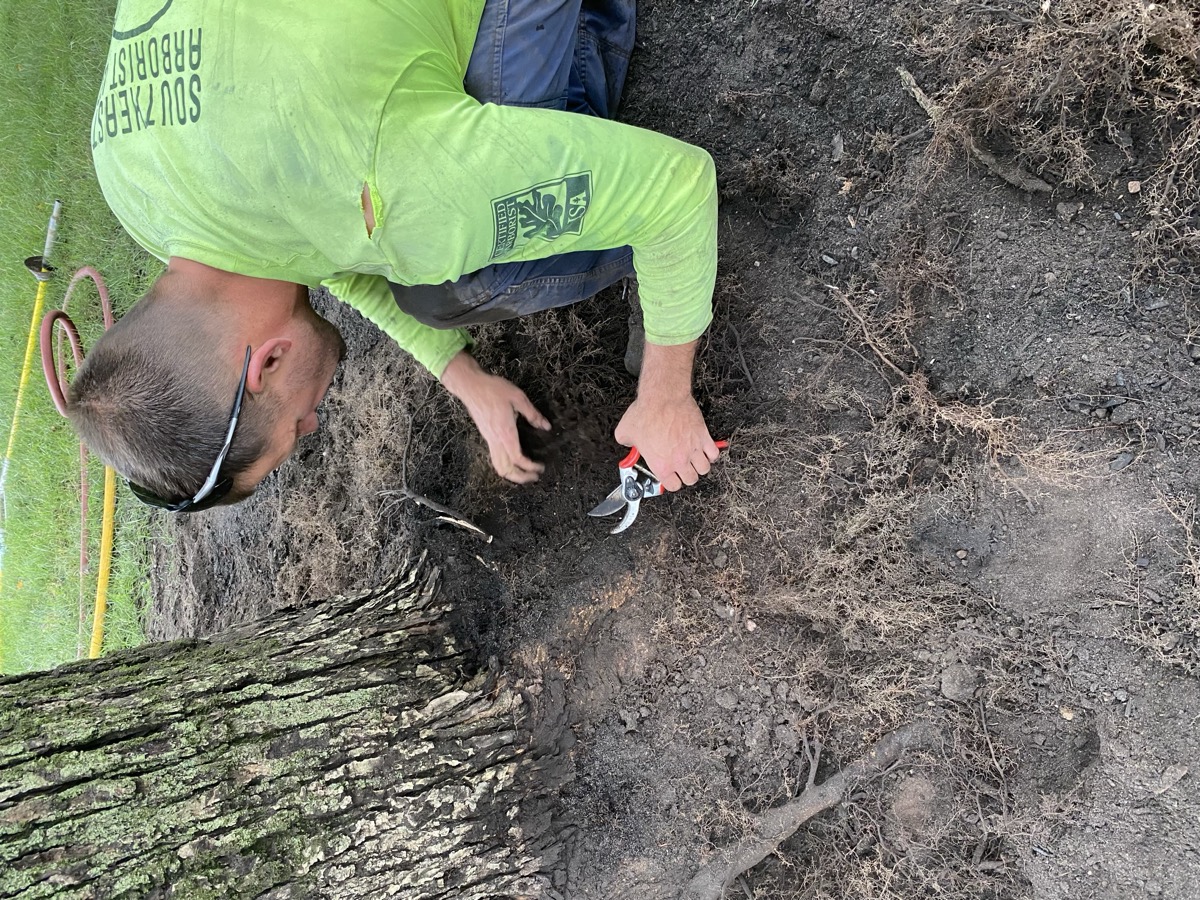
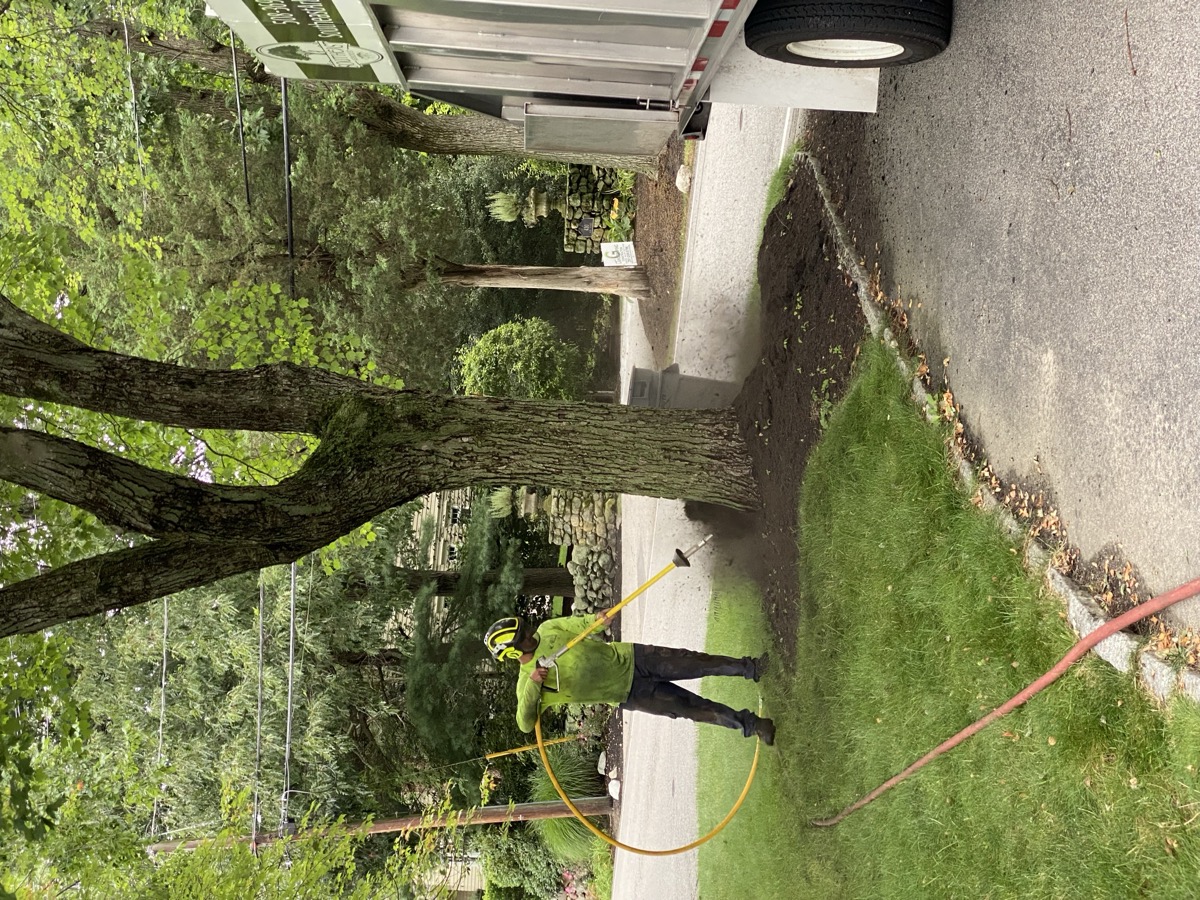
Root zone improvement begins with diagnosis. Our ISA Certified Arborist assesses the tree's above-ground symptoms and then investigates below ground to identify the root cause — literally. We use an air spade — a tool that directs a high-velocity jet of compressed air to move soil without cutting or damaging roots — to excavate the root flare area and expose the major structural roots. This reveals girdling roots, buried root flares, signs of decay at the trunk base, and the condition of the soil profile.

For girdling roots, we carefully remove the offending roots using sharp, sterile cutting tools. Depending on the severity and how long the girdling has been occurring, the tree may need follow-up monitoring and supplemental care (deep root fertilization, growth regulator application) to support recovery. For buried root flares, we excavate down to the true flare and permanently remove the excess soil, re-grading the area so water drains away from the trunk rather than pooling against it.

Soil decompaction is performed using a combination of air spading and vertical mulching. We use the air spade to fracture compacted soil in the root zone, then incorporate organic compost, biochar, and mycorrhizal inoculants into the loosened soil. Vertical mulching involves drilling narrow holes in a grid pattern throughout the root zone and filling them with a mix of composted organic matter and perlite, creating channels for root growth, water infiltration, and gas exchange that persist for years.

For trees in sandy coastal soils, we focus on increasing organic matter content and water-holding capacity through compost incorporation, mulch layer establishment, and mycorrhizal inoculation. For trees in heavy clay inland soils, we focus on breaking compaction, improving drainage, and creating air channels that allow root respiration. Every root zone improvement plan is tailored to the specific tree, soil type, and site conditions.

What's Included

Our Root Zone Improvement Service Includes

Air Spade Excavation

High-velocity compressed air safely removes soil from around roots without cutting or damaging them — allowing us to see and address problems that are invisible from the surface. Essential for accurate diagnosis of root zone issues.

Girdling Root Removal

Roots that wrap around the trunk base slowly strangle the tree's vascular system. We identify and carefully remove girdling roots before they cause irreversible damage, then monitor recovery over the following growing seasons.

Root Flare Restoration

Many trees on the South Shore have root flares buried 4 to 8 inches below grade from improper planting or landscape grading. We excavate down to the true flare and re-grade so water drains away from the trunk permanently.

Soil Decompaction

Construction equipment, foot traffic, and years of mowing compact soil to the point where roots suffocate. We fracture compacted layers and incorporate organic matter to restore the loose, aerated soil structure that roots require.

Vertical Mulching

Narrow holes drilled in a grid throughout the root zone are filled with compost, perlite, and mycorrhizal inoculants — creating permanent channels for root growth, water movement, and gas exchange in otherwise impenetrable soil.

Construction Impact Mitigation

If construction has occurred within a tree's critical root zone, we assess the damage and implement a recovery plan: decompaction, root pruning of damaged roots, soil amendment, deep root fertilization, and ongoing monitoring.

Investment

Root Zone Improvement Pricing Guide

Root zone improvement costs depend on the scope of work, the size of the tree and its root zone, soil conditions, and the specific treatments required. A root flare excavation and girdling root assessment for a single tree typically runs $300 to $800. Comprehensive root zone decompaction with soil amendment for a mature tree can range from $800 to $2,000. Vertical mulching across a large root zone runs $500 to $1,500. For properties where multiple trees need root zone work, we develop a prioritized plan and can spread the work across multiple visits.

The return on investment for root zone improvement is among the highest of any tree care service. A $1,000 root zone treatment can save a $15,000 tree that was otherwise on a slow path to removal. Trees that respond to root zone improvement — and most do when the treatment is performed while sufficient canopy remains — show years or decades of renewed health and growth.

Get Your Free Estimate

Timing

Best Time for Root Zone Improvement

Root zone improvement can be performed from spring through fall when the ground is not frozen. Fall is the ideal season for most root zone work: trees are entering dormancy and can tolerate root disturbance better than during the active growing season, soil moisture levels are typically moderate, and the tree has an entire winter and spring to begin recovery before the demands of the next summer. Spring is the second-best window, particularly for soil amendment and fertilization. We avoid root zone work during peak summer heat when trees are already under moisture stress and root disturbance could compound the problem. Air spade excavation for diagnosis can be performed any time the ground is workable.

FAQ

Frequently Asked Questions About Root Zone Improvement

What is an air spade and how does it work?

An air spade uses a high-velocity jet of compressed air to blow soil away from tree roots without cutting or damaging them. This allows us to see the root flare, identify girdling roots, assess soil conditions, and perform treatments in the root zone that would be impossible with conventional digging tools.

What are girdling roots and how do I know if my tree has them?

Girdling roots are roots that grow around the trunk base rather than outward, gradually strangling the tree as both expand. Signs include a trunk that goes straight into the ground with no visible flare, flat or indented areas on one side of the trunk base, and canopy decline on the corresponding side. An air spade excavation is the only way to confirm and address them.

My tree was planted 10 years ago and seems healthy. Could the root flare still be buried?

Very possibly. Many trees survive for years with buried root flares before symptoms appear. If the base of your tree goes straight into the ground like a telephone pole rather than flaring outward, the flare is likely buried. Having it exposed now prevents problems that would otherwise develop over the next 5 to 15 years.

We had construction near our trees 3 years ago and now they are declining. Can you help?

Yes. Construction damage to root zones often takes 3 to 7 years to manifest as visible symptoms. We assess the extent of damage with air spade excavation, evaluate remaining root mass and vitality, and implement a recovery plan including decompaction, amendment, fertilization, and growth regulation to redirect energy to root recovery.

What is vertical mulching?

Vertical mulching involves drilling narrow holes (2 to 4 inches in diameter, 8 to 12 inches deep) in a grid pattern throughout the root zone and filling them with compost, perlite, and mycorrhizal fungi. These channels provide permanent pathways for root growth, water infiltration, and oxygen exchange in compacted soil.

How long does it take to see results from root zone improvement?

Most trees show visible improvement within one to two growing seasons — increased leaf size, fuller canopy, improved color, and more vigorous shoot growth. Some trees respond within months. The timeline depends on the severity of the root zone issues and how much healthy root mass remains.

Is root zone improvement worth the cost for an old declining tree?

In most cases, yes — if the tree still has 50 percent or more of its canopy and the root system has sufficient mass to support recovery. A $1,000 root zone treatment is far more cost-effective than the $3,000 to $5,000 it would cost to remove the tree and plant a replacement that will take decades to reach the same size.

Can root zone work damage my tree?

When performed by an ISA Certified Arborist using air spade equipment, root zone work is very safe. The air spade moves soil without cutting roots, and we are selective about which girdling roots we remove and when. We time the work for optimal recovery and monitor the tree afterward. The risk of not addressing root zone problems is far greater than the risk of the treatment.

Our Process

How It Works

01

Free Assessment

We visit your property, inspect the trees, and discuss your goals. No cost, no obligation.

02

Written Plan & Quote

You receive a detailed scope of work and transparent pricing before any work begins.

03

Professional Execution

Our ISA Certified crew completes the work safely and efficiently using proper equipment.

04

Cleanup & Follow-Up

We haul all debris, rake the area clean, and walk the site with you to ensure satisfaction.

Our Work

See Our Team in Action

Southeast Arborist root zone improvement work - photo 1
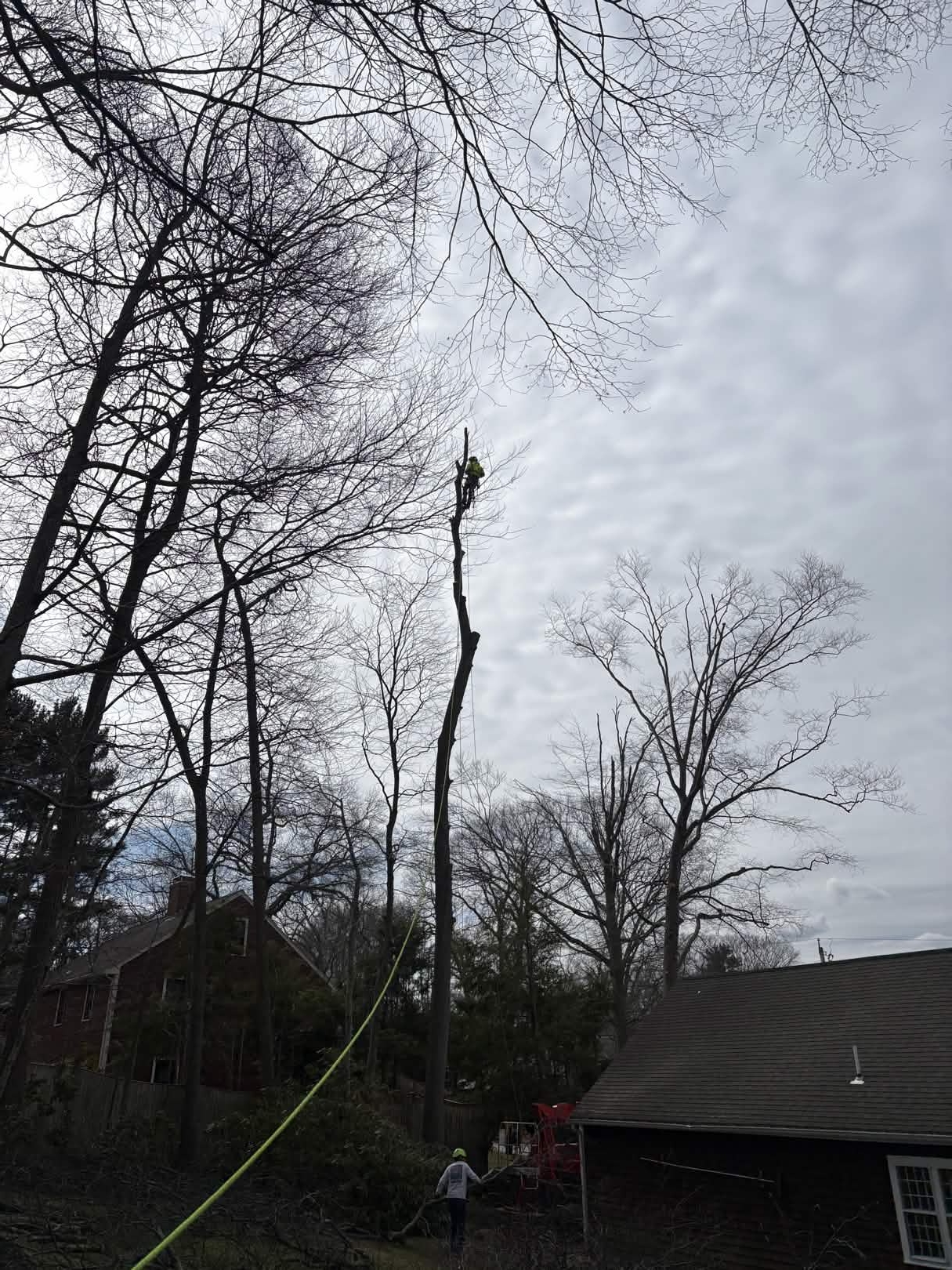
Southeast Arborist root zone improvement work - photo 2
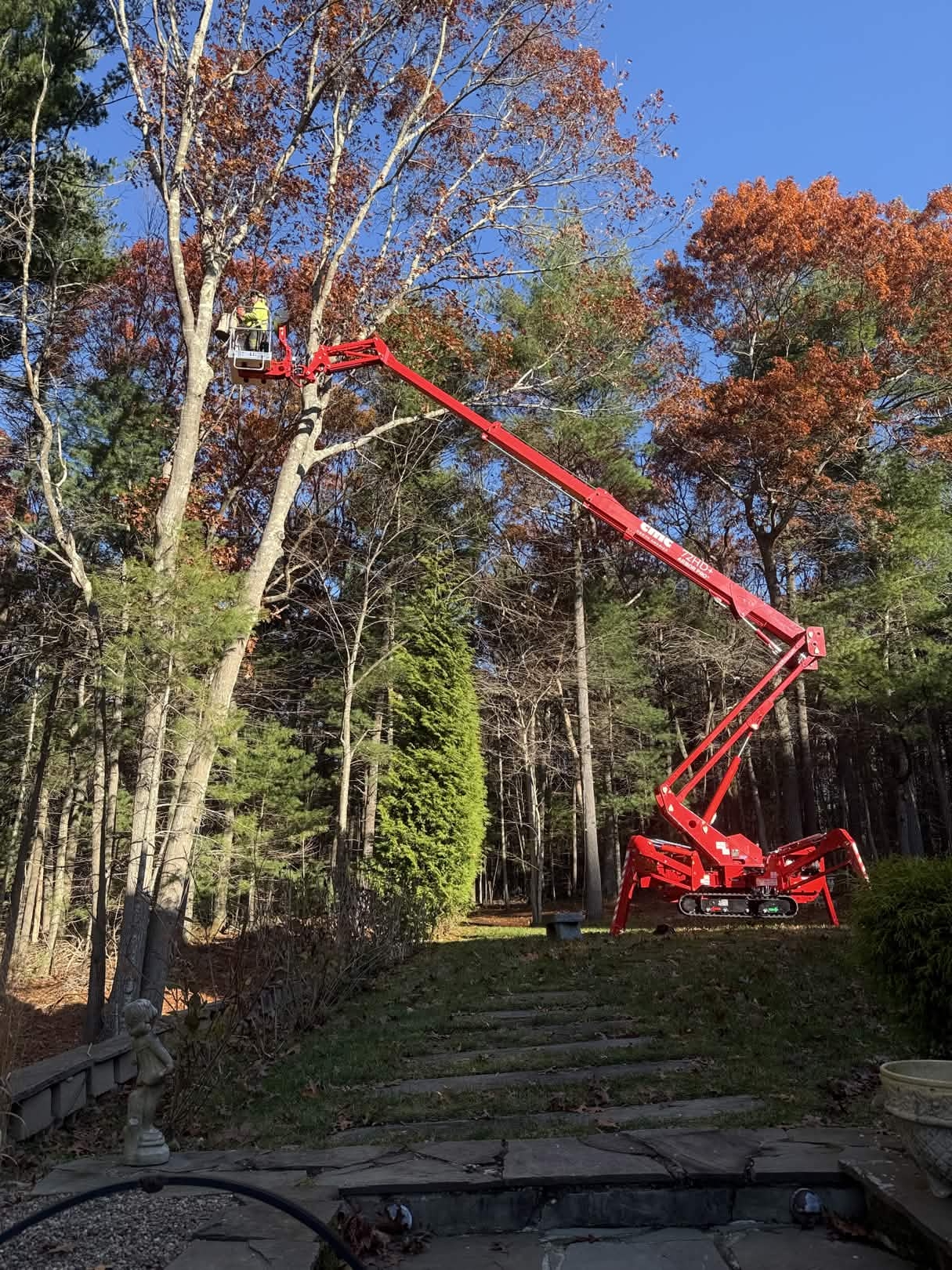
Southeast Arborist root zone improvement work - photo 3
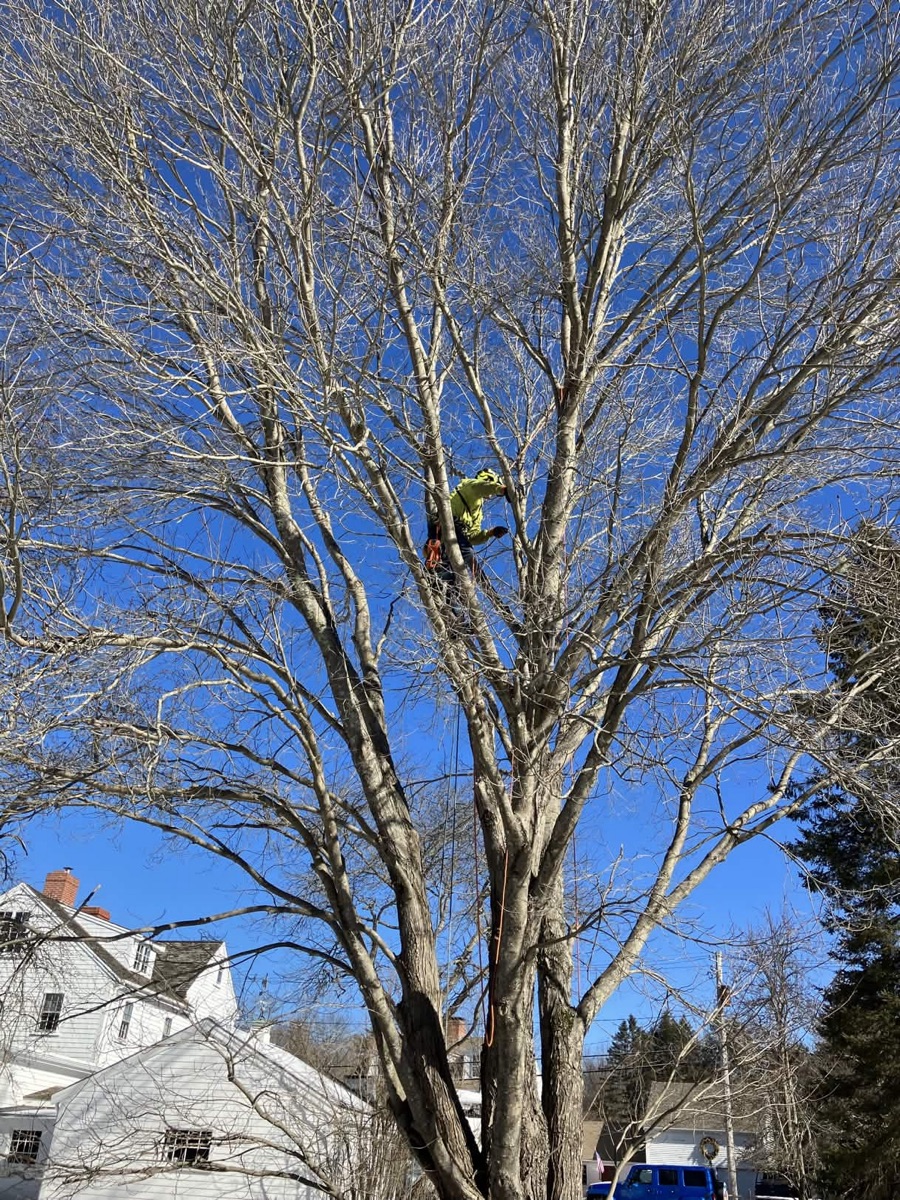
Southeast Arborist root zone improvement work - photo 4

Testimonials

What Our Customers Say

★★★★★5.0 Rating on Google
I would highly recommend Southeast Arborist to anyone in need of tree service! Mike and his team were very pleasant and professional, providing outstanding service!!! Reasonable pricing! The team came on date and time as promised, the clean up was well above and beyond what we would have expected!!
B

Bernadette MacLean

Google Review

Highly professional. Reasonable, listens to you and helps formulate the homeowners vision. He transformed my yard in less than a day and hauled it away. Pleasant to work with, honest and reliable. Highly recommend him!
I

Ivy N.

Google Review

Southeast Arborist full equipment fleet

Need Root Zone Improvement in South Shore MA?

Free assessments, written quotes, and professional service from ISA Certified Arborists.

Southeast Arborist, LLC · P.O. Box 1361, Plymouth, MA 02362