Skip to content
Southeast Arborist, LLC
Ornamental Trimming in South Shore MA

Ornamental Tree Pruning in South Shore MA

Detail pruning for Japanese maples, dogwoods, and magnolias in South Shore MA. ISA Certified care. Call 508-369-5009.

ISA Certified Arborists

Internationally recognized credentials

Fully Insured & Licensed

Complete liability coverage

24/7 Emergency Service

Real people answer the phone

Serving 60+ Towns

All of South Shore MA

Ornamental Trimming in South Shore MA

Ornamental trees are the focal points of your landscape — the Japanese maple that anchors your garden, the weeping cherry that graces your front yard, the dogwood that signals spring, the magnolia that stops traffic when it blooms. These high-value decorative trees deserve specialized care that goes beyond what shade trees require. Ornamental tree pruning is a refined discipline that balances aesthetic beauty with structural health, bringing out each tree's unique character while ensuring it remains vigorous and sound for decades.

At Southeast Arborist, our ornamental pruning service is our most detail-oriented offering. We perform what the industry calls "detail pruning" — the highest quality of ornamental care. This involves carefully evaluating every branch in the canopy and making precise decisions about what stays and what goes. Crown cleaning removes dead, dying, and diseased wood. Crown thinning reduces density to improve light penetration and air circulation. Crossing branches are removed to prevent bark damage and disease entry. Problem scaffold branches are addressed before they become structural failures. The result is a tree that looks natural, graceful, and intentional — not hacked or butchered.

The South Shore is home to an exceptional variety of ornamental trees. Japanese maples thrive in the region's acidic soils and provide stunning fall color in shades of crimson, gold, and purple. Weeping cherries and ornamental pears create dramatic springtime displays. Dogwoods and magnolias produce flowers that define the New England spring. Birches, camperdown elms, and weeping larches add architectural interest year-round. Each species has unique pruning requirements — different timing, different techniques, different growth habits — and getting it wrong can cause lasting damage.

Improper pruning is the single greatest threat to ornamental trees in residential landscapes. Homeowners or inexperienced workers who shear ornamental trees to the same height every year, make flush cuts that destroy branch collars, or top trees to control size cause damage that takes years to correct — if it can be corrected at all. Our ISA Certified Arborists understand the biology behind each cut and the species-specific needs of every ornamental tree we service.

Why It Matters

Why You Need Professional Ornamental Trimming

Ornamental trees represent a significant investment in your landscape — both financial and aesthetic. A mature Japanese maple, specimen dogwood, or established magnolia can take 15 to 25 years to reach its full landscape potential. Improper pruning can disfigure or kill these trees in a single afternoon. Professional ornamental pruning protects your investment by maintaining beauty while building structural strength.

Beyond aesthetics, ornamental trees need pruning for health. Dead and crossing branches create entry points for disease-causing fungi and wood-boring insects. Dense, unpruned canopies trap moisture that promotes powdery mildew, leaf spot, and other fungal diseases — problems that are especially prevalent during the South Shore's humid summers. Removing deadwood, thinning the canopy, and improving airflow are the most effective non-chemical measures for keeping ornamental trees disease-free.

Structural integrity also matters. Many ornamental species — particularly Japanese maples, crabapples, and weeping varieties — are prone to developing crossing branches, weak attachments, and imbalanced canopies that can fail under the weight of ice, snow, or wind. Proper structural pruning during the tree's developing years prevents these problems from becoming hazards at maturity, reducing the need for costly corrective measures like cabling or major corrective pruning later.

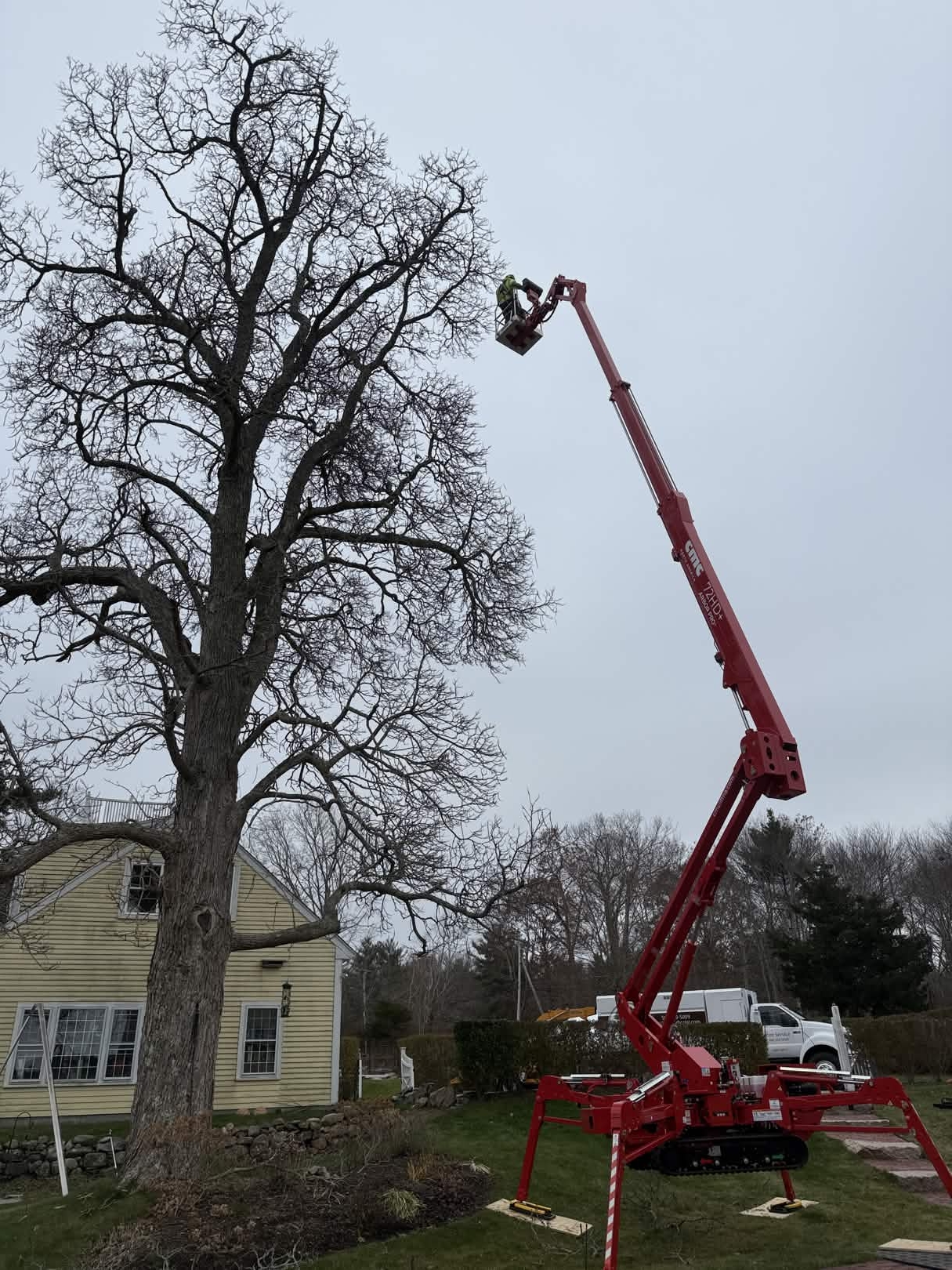
Professional ornamental trimming - Southeast Arborist

Our Approach

How Southeast Arborist Handles Ornamental Trimming

Our ornamental pruning process begins with understanding each tree's species, growth habits, and your aesthetic goals. A Japanese maple requires a completely different approach than a dogwood or magnolia. We discuss what you envision for the tree — do you want to accentuate its natural form, reduce its size, open up its interior structure, or address specific problems? We then develop a pruning plan that achieves your goals while respecting the tree's biology.

Our arborists work methodically through each tree, starting with crown cleaning (removing dead, dying, and diseased wood), then addressing structural issues (crossing branches, weak attachments, co-dominant stems), and finally performing aesthetic shaping (thinning, balancing, and refining the canopy's form). Every cut is made at the branch collar using sharp, clean tools. We never use hedge shears on ornamental trees — every cut is an individual decision made by a trained arborist.

Timing is critical for ornamental trees. Most deciduous ornamentals are best pruned during dormancy (late fall through early spring), when you can see the full branch architecture without foliage. Spring-flowering species like dogwoods, magnolias, and flowering cherries should be pruned immediately after flowering to avoid removing next year's flower buds. Summer-flowering species can be pruned in late winter. We schedule each tree according to its species-specific requirements.

What's Included

Our Ornamental Trimming Service Includes

Detail Pruning

The highest quality of ornamental care — every branch is evaluated individually. Crown cleaning, thinning, and shaping bring out the tree's unique beauty while maintaining structural integrity and promoting health.

Species-Specific Expertise

Japanese maples, dogwoods, magnolias, weeping cherries, birches, and camperdown elms each have unique pruning requirements. We match our technique and timing to each species for optimal results.

Structural Development

Young ornamental trees benefit from early structural pruning that develops strong, balanced architecture — preventing the weak attachments and crossing branches that cause problems at maturity.

Containment Pruning

When ornamental trees grow into walkways, patios, buildings, or other plantings, we selectively prune to restore clearance while maintaining the tree's natural form — not just hacking it back.

Disease Prevention

Crown thinning improves airflow and sunlight penetration, reducing the damp conditions that promote powdery mildew, leaf spot, and other fungal diseases common in New England's humid summer climate.

No Topping, No Shearing

We never top ornamental trees or use hedge shears on them. Every cut is individually placed at the branch collar by a trained arborist using hand tools — the way ornamental pruning should be done.

Investment

Ornamental Trimming Pricing Guide

Ornamental tree pruning on the South Shore typically costs $200 to $600 per tree, depending on the species, size, condition, and extent of work required. A standard maintenance prune on a Japanese maple or dogwood runs $200 to $400. Larger ornamentals or trees requiring significant corrective work may cost $400 to $600. Detail pruning is more labor-intensive than production pruning because of the care required for each individual cut — you are paying for expertise and artistry, not just speed.

Multi-tree pruning packages are available for properties with several ornamental specimens. Annual maintenance plans ensure your ornamental trees receive consistent, timely care year after year. We provide free on-site estimates and will discuss the specific needs and costs for each tree on your property.

Get Your Free Estimate

Timing

Best Time for Ornamental Trimming

Most deciduous ornamental trees are best pruned during dormancy, from late November through early March. This allows you to see the full branch structure, reduces disease transmission risk, and allows the tree to direct its energy into healing once spring growth begins. Spring-flowering trees — dogwoods, magnolias, flowering cherries, redbuds, and crabapples — should be pruned immediately after flowering (typically May through June) to avoid removing next year's flower buds. Summer-flowering species like crape myrtles can be pruned in late winter before growth starts. Evergreen ornamentals are best pruned in late winter, just before new growth begins. Dead wood can be removed at any time of year.

FAQ

Frequently Asked Questions About Ornamental Trimming

What is detail pruning?

Detail pruning is the highest quality ornamental pruning that brings out the unique aesthetic characteristics of a tree while maintaining structural integrity. It includes crown cleaning, crown thinning, removal of crossing branches, dead wood, and problem scaffold branches — allowing more air and sunlight to penetrate the crown. Every branch is evaluated individually.

What ornamental trees do you service?

We specialize in Japanese maples, weeping cherries, crabapples, dogwoods, magnolias, ornamental pears, birches, camperdown elms, and weeping larch — all common in South Shore landscapes. We have species-specific expertise for each variety.

Why not just trim ornamental trees myself?

Improper pruning can cause lasting damage that takes years to correct. Continually cutting plants to the same height every year weakens them and creates dense, twiggy regrowth. Using hedge shears destroys the natural form. Our arborists find the balance between your aesthetic goals and the tree's health using species-specific techniques and proper timing.

When should ornamental trees be pruned?

Most deciduous ornamentals are best pruned during dormancy (late November through early March). Spring-flowering trees like dogwoods and magnolias should be pruned immediately after flowering to avoid removing next year's buds. We schedule each tree according to its species-specific requirements.

How often do ornamental trees need pruning?

Most ornamental trees benefit from pruning every 2 to 3 years. Fast-growing species or trees in prominent landscape positions may benefit from annual attention. Young trees being structurally trained need more frequent pruning. We can recommend a schedule tailored to your specific trees.

Can you fix a badly pruned ornamental tree?

Often, yes. Corrective pruning can gradually restore a tree's natural form after improper work — removing water sprouts, rebalancing the canopy, and reestablishing proper structure. However, it takes time. Severe damage from topping or aggressive shearing may take several seasons of corrective work to address.

How much does ornamental tree pruning cost?

Ornamental pruning typically costs $200 to $600 per tree on the South Shore, depending on species, size, and the extent of work required. Standard maintenance runs $200 to $400. Significant corrective work may cost $400 to $600. Multi-tree discounts and annual plans are available.

Do you prune ornamental shrubs as well?

Our focus is ornamental trees, but we do prune large ornamental shrubs — particularly those that have become overgrown and need significant corrective work. For routine hedge and shrub trimming, we can recommend a trusted landscaping partner.

Our Process

How It Works

01

Free Assessment

We visit your property, inspect the trees, and discuss your goals. No cost, no obligation.

02

Written Plan & Quote

You receive a detailed scope of work and transparent pricing before any work begins.

03

Professional Execution

Our ISA Certified crew completes the work safely and efficiently using proper equipment.

04

Cleanup & Follow-Up

We haul all debris, rake the area clean, and walk the site with you to ensure satisfaction.

Our Work

See Our Team in Action

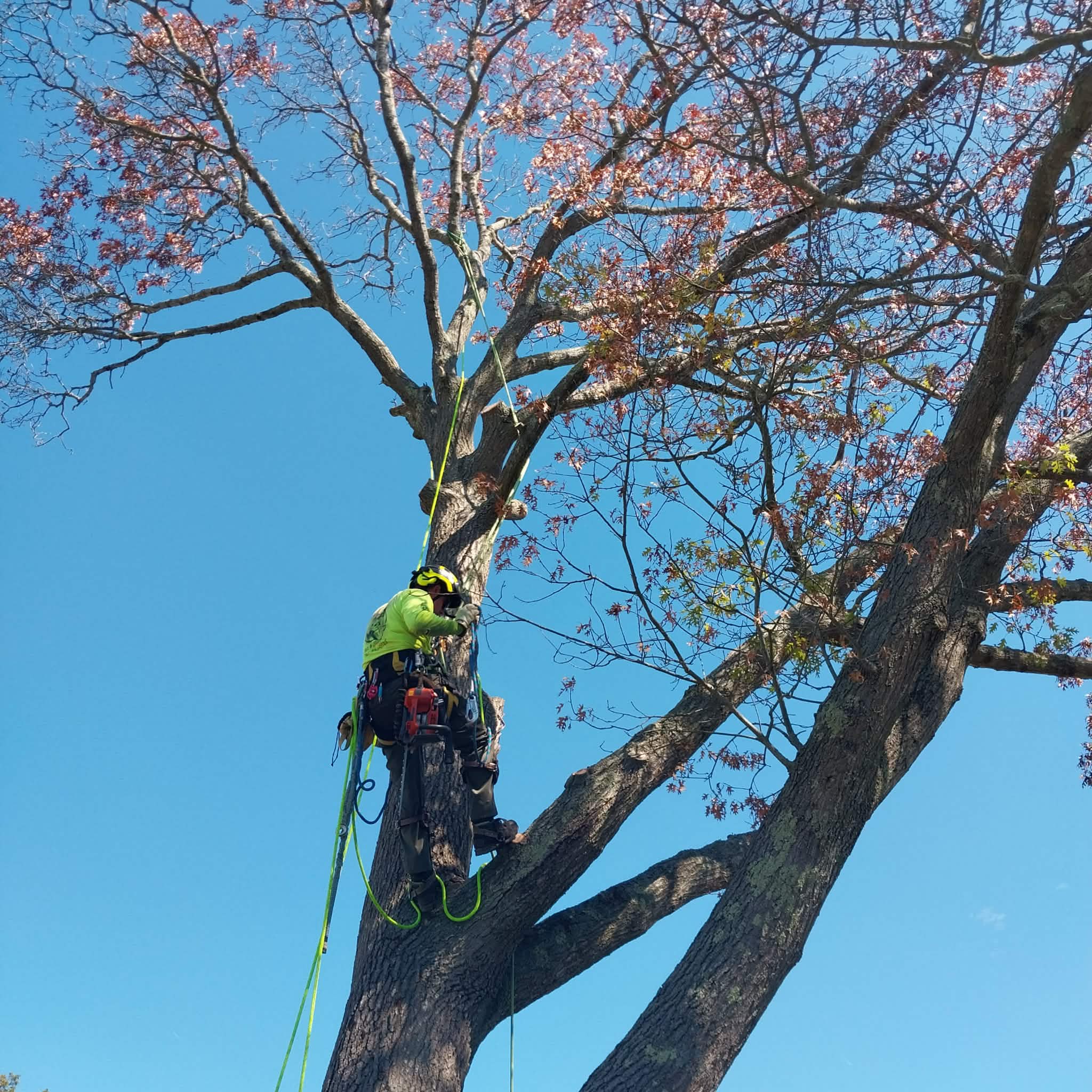
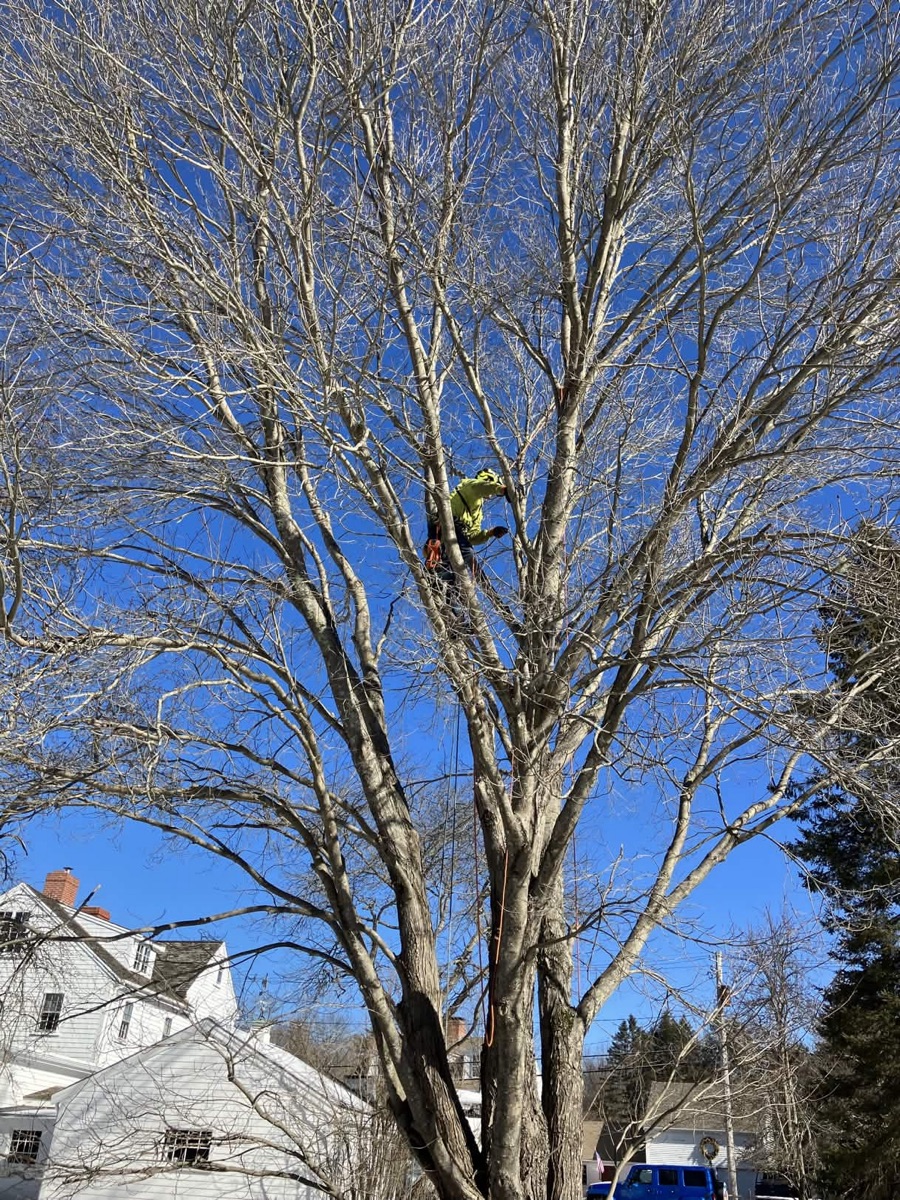
Southeast Arborist ornamental trimming work - photo 1
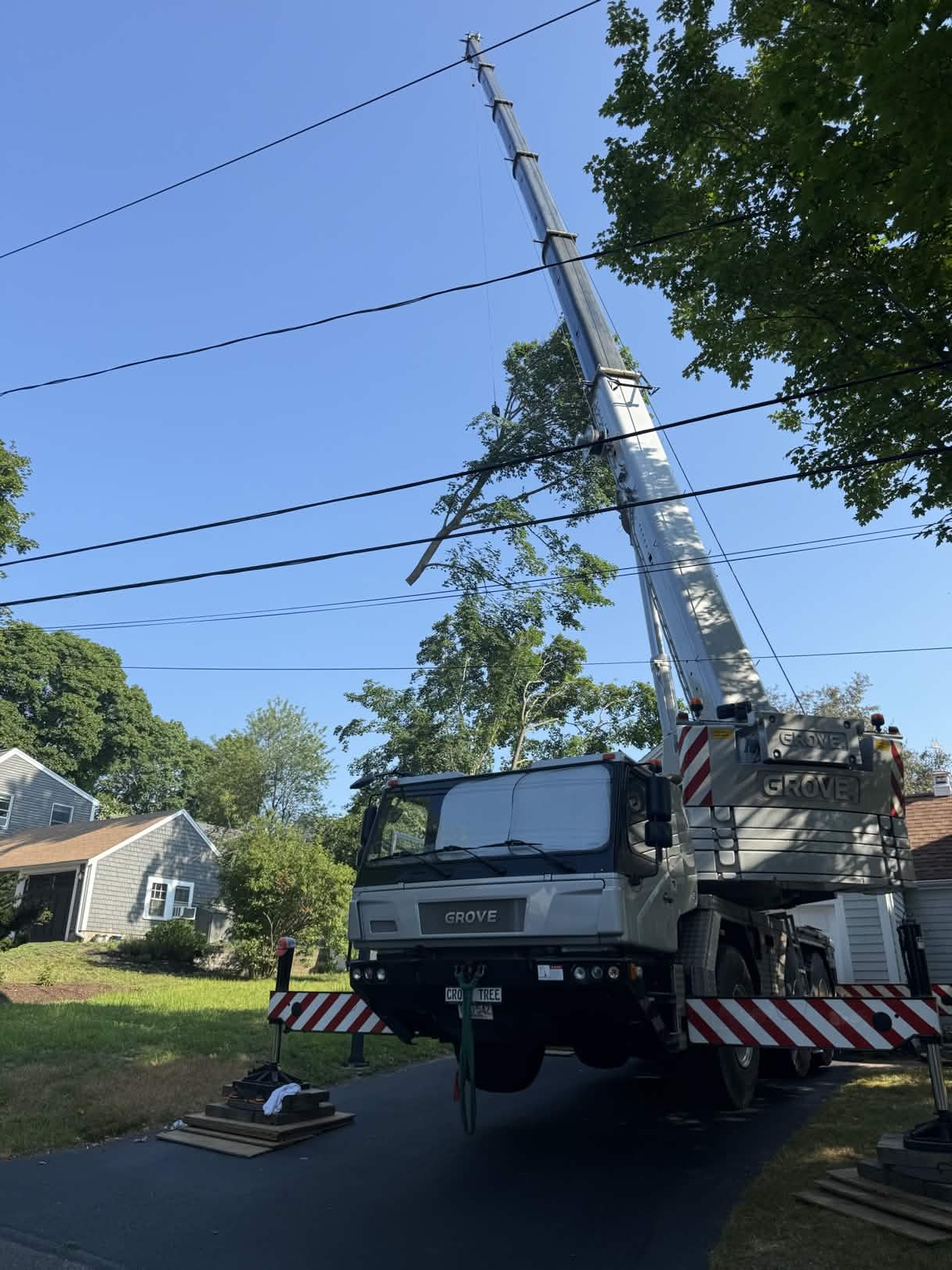
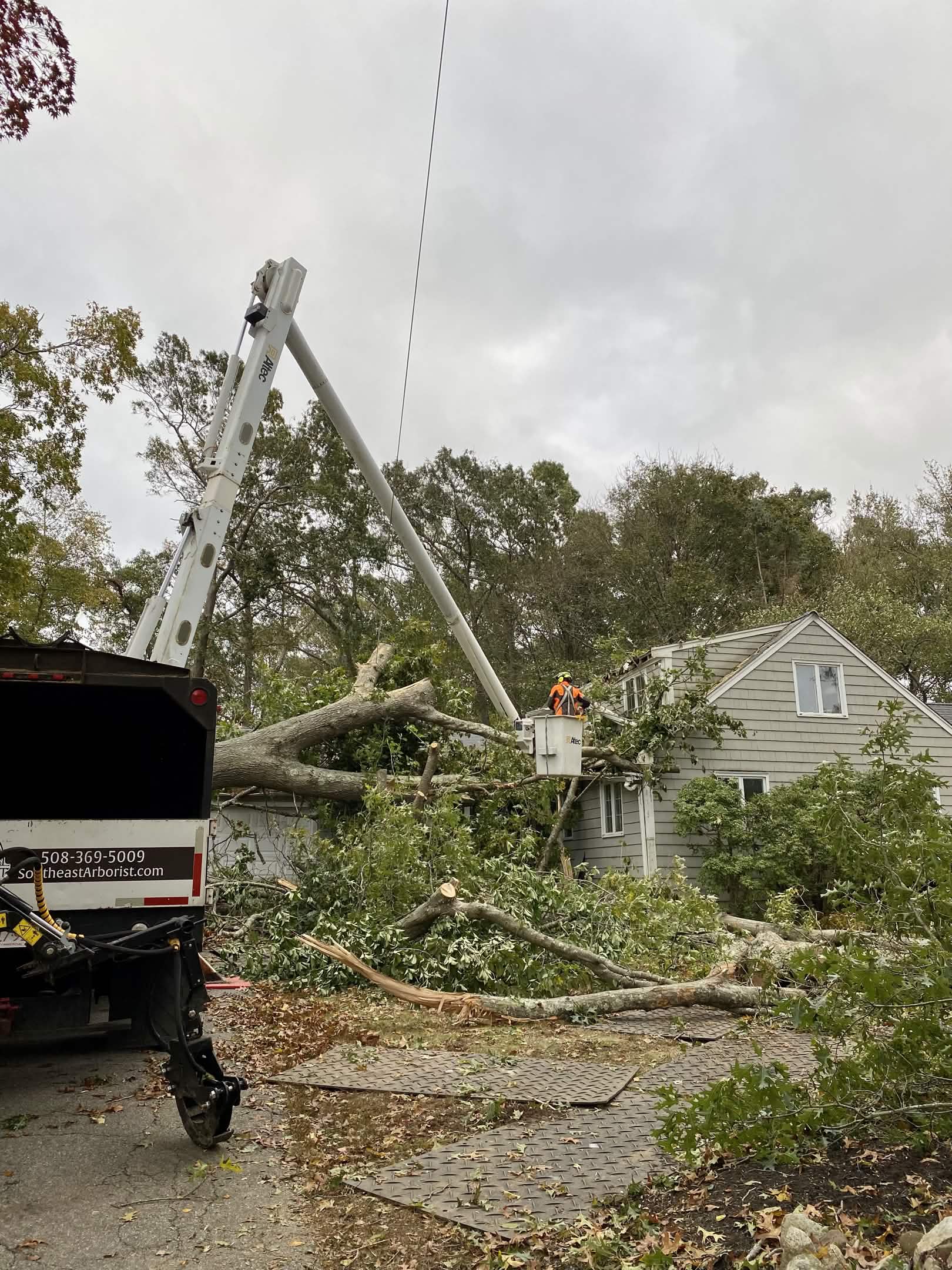
Southeast Arborist ornamental trimming work - photo 2
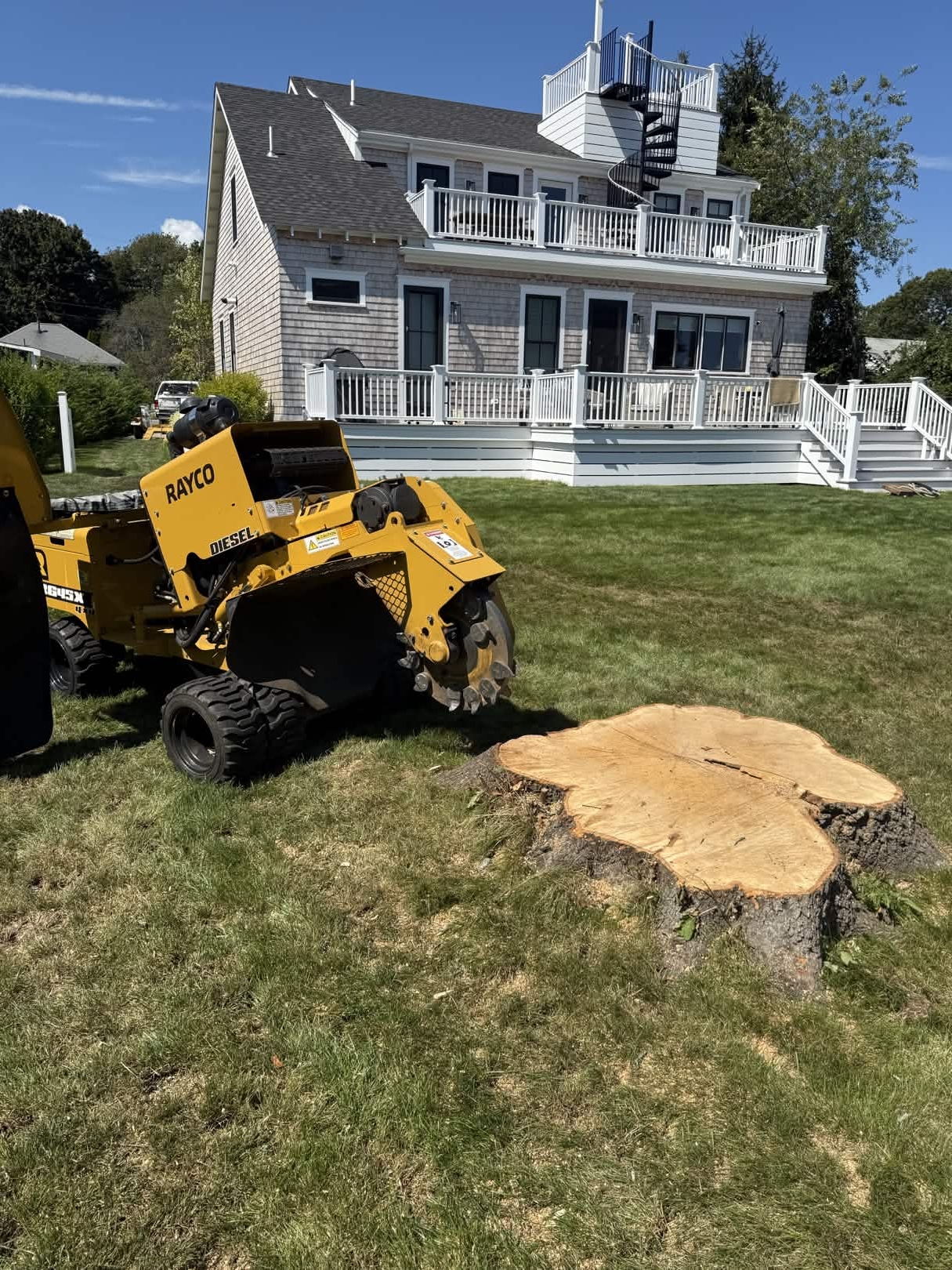
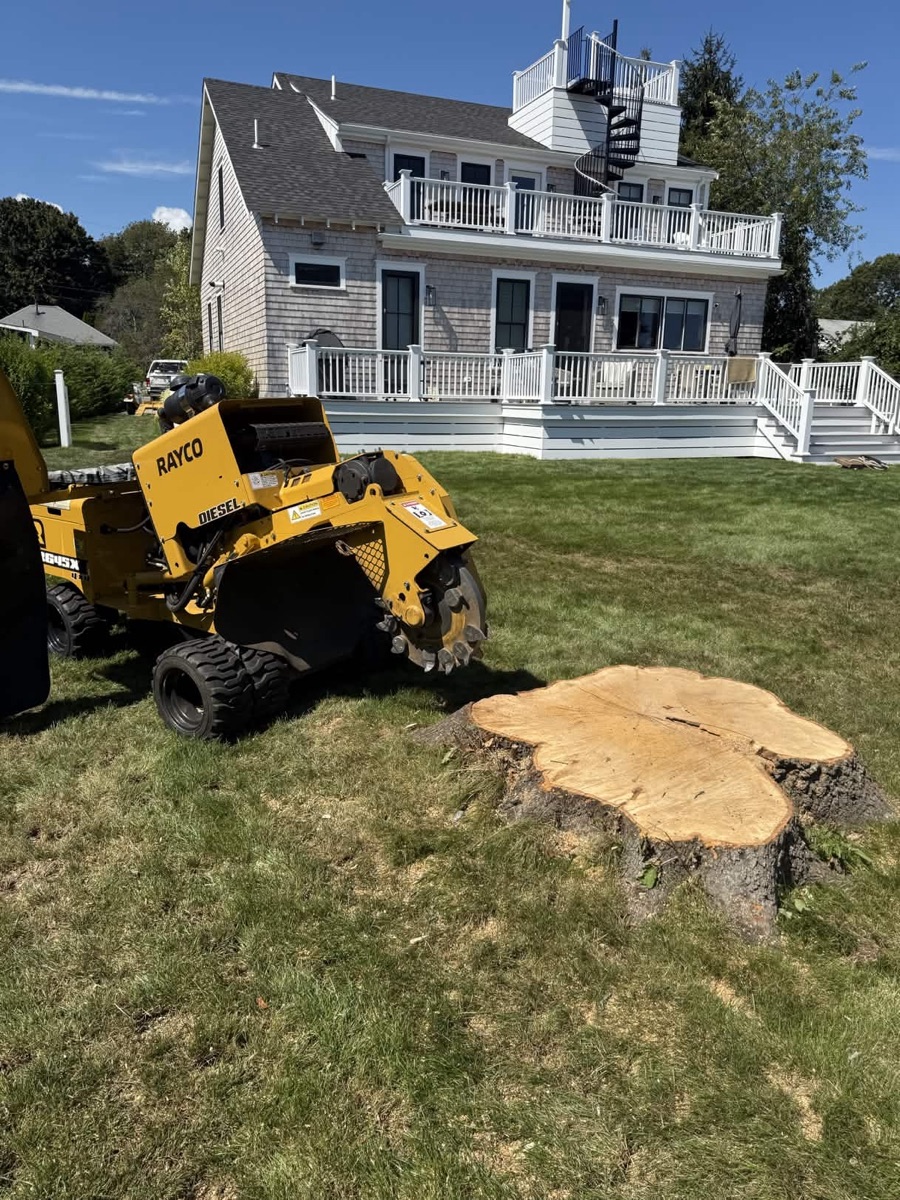
Southeast Arborist ornamental trimming work - photo 3
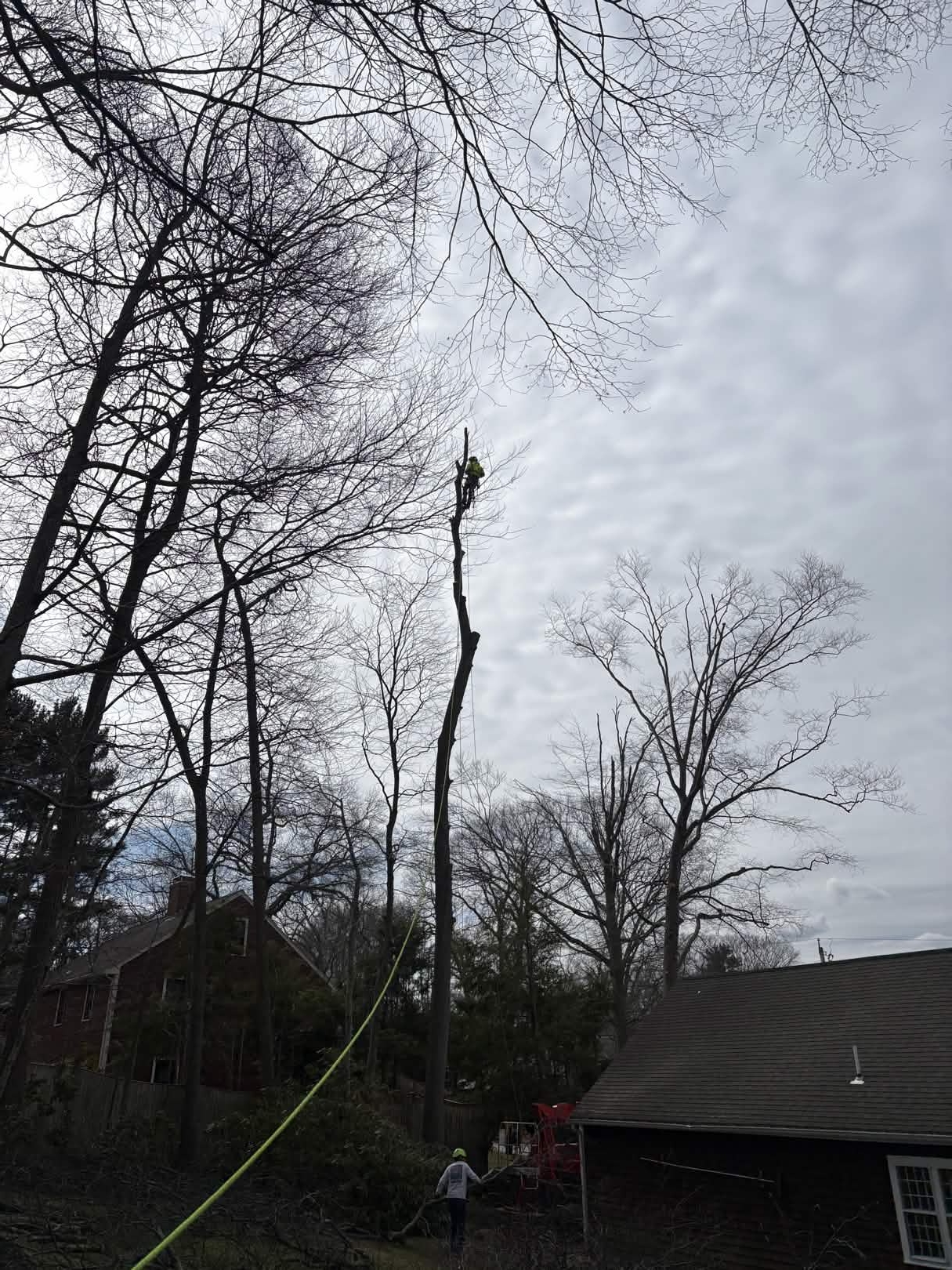
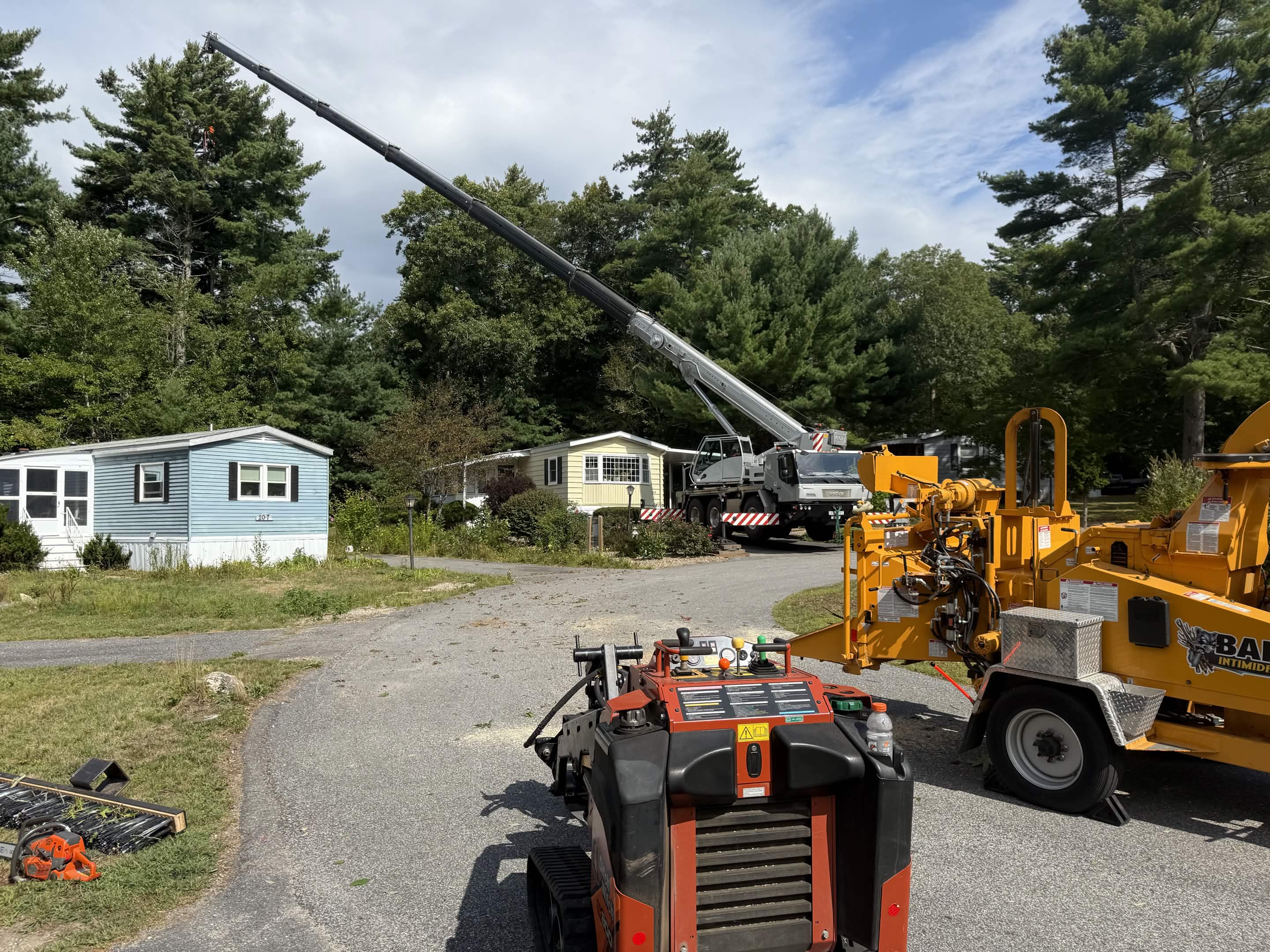
Southeast Arborist ornamental trimming work - photo 4

Testimonials

What Our Customers Say

★★★★★5.0 Rating on Google
Highly professional. Reasonable, listens to you and helps formulate the homeowners vision. He transformed my yard in less than a day and hauled it away. Pleasant to work with, honest and reliable. Highly recommend him!
I

Ivy N.

Google Review

I would highly recommend Southeast Arborist to anyone in need of tree service! Mike and his team were very pleasant and professional, providing outstanding service!!! Reasonable pricing! The team came on date and time as promised, the clean up was well above and beyond what we would have expected!!
B

Bernadette MacLean

Google Review

Southeast Arborist full equipment fleet

Need Ornamental Trimming in South Shore MA?

Free assessments, written quotes, and professional service from ISA Certified Arborists.

Southeast Arborist, LLC · P.O. Box 1361, Plymouth, MA 02362