Skip to content
Southeast Arborist, LLC
Lightning Protection in South Shore MA

Lightning Protection for Trees in South Shore MA

ANSI A300 lightning protection for heritage and specimen trees in South Shore MA. Copper cable systems. Call 508-369-5009.

ISA Certified Arborists

Internationally recognized credentials

Fully Insured & Licensed

Complete liability coverage

24/7 Emergency Service

Real people answer the phone

Serving 60+ Towns

All of South Shore MA

Lightning Protection in South Shore MA

Lightning strikes on trees cause some of the most dramatic and devastating damage in arboriculture. The intense electrical current — up to 300 million volts — can split trunks, shatter branches, blow bark off in sheets, and boil internal sap, literally causing the tree to explode from the inside. Even a near-miss can damage root systems, disrupt vascular function, and weaken the tree over months and years. For heritage oaks, specimen maples, and other irreplaceable trees, a single lightning strike can destroy in seconds what nature took a century to grow.

A lightning protection system gives the electrical charge a preferred, low-resistance path from the top of the tree to the ground, channeling the current harmlessly into the soil instead of through the tree's living tissues. The system consists of copper air terminals (lightning rods) positioned at the highest points of the canopy, copper conductor cables running down through the canopy and along the trunk, and copper-clad steel grounding rods driven deep into the soil. When lightning strikes, the current follows this conductive pathway instead of blasting through the tree's water-filled wood.

The South Shore's coastal location and proximity to ocean-generated storm systems means the region receives significant lightning activity, particularly during summer thunderstorms and during the transition-season nor'easters that bring embedded thunderstorms. Properties on elevated ground, near water, or with tall trees that stand above the surrounding canopy are at the highest risk. Tall oaks, pines, maples, and elms on exposed hillsides or standing alone in open areas are particularly vulnerable.

At Southeast Arborist, we install lightning protection systems following ANSI A300 Part 4 standards — the industry benchmark developed by the Tree Care Industry Association specifically for tree lightning protection. Our installations use heavy-gauge copper conductor cable, professional-grade air terminals, and properly driven grounding rods to create systems that protect your trees for their entire lifetime.

Why It Matters

Why You Need Professional Lightning Protection

The damage from a lightning strike on a tree can be catastrophic and extends far beyond the tree itself. A struck tree can drop massive limbs onto homes, vehicles, pools, and play areas. A trunk that splits and falls can crush structures. The fire potential from a lightning strike — especially in dry summer conditions — threatens the tree, nearby vegetation, and adjacent buildings. Even if the tree survives the initial strike, the damage to its vascular system often leads to slow decline and eventual death over the following years.

For trees near structures, the risk is compounded. A tall oak 20 feet from your home is essentially a lightning rod aimed at your roof. When that tree is struck and fails catastrophically, the damage to the house can be severe. Installing a lightning protection system on the tree reduces this risk by channeling the current harmlessly into the ground rather than through the tree and potentially into nearby structures through root contact or falling debris.

The trees most deserving of protection are those that cannot be replaced in a human lifetime: heritage oaks that have stood for a hundred years or more, specimen trees that define a landscape, trees with significant sentimental value, and any large trees near homes, pools, decks, and outdoor living areas where people gather. A properly installed lightning protection system costs a fraction of the tree's value and provides lifetime protection with minimal annual maintenance.

Professional lightning protection - Southeast Arborist

Our Approach

How Southeast Arborist Handles Lightning Protection

Our lightning protection installations begin with a thorough site assessment. We evaluate each candidate tree's height, canopy spread, species, location relative to other trees and structures, and the surrounding soil composition and moisture conditions. These factors determine the system design — the number and placement of air terminals, the routing of conductor cables, and the number and depth of grounding rods.

Installation begins at the top of the tree, where we position copper air terminals at the highest accessible points. These pointed terminals serve as the initial strike point, attracting the lightning bolt and directing the current into the conductor cable system. From the terminals, we route heavy-gauge copper cable (14 or 32 strand, 17 gauge) down through the canopy along the trunk, secured with fasteners that allow the tree to grow without girdling. The cable is buried in a shallow trench extending from the trunk base out beyond the canopy drip line to grounding rods driven at least 8 feet into the soil.

Soil conditions on the South Shore vary from sandy coastal soils (which have higher resistance and require more grounding capacity) to denser clay inland soils (which ground more effectively). We adjust the number and depth of grounding rods based on measured soil conditions to ensure the system provides adequate current dissipation. After installation, we test the system's grounding capacity to verify effectiveness. We recommend annual inspections, especially after major storms, to ensure all connections remain tight and components are functioning properly.

What's Included

Our Lightning Protection Service Includes

Copper Conductor System

Heavy-gauge 14 or 32 strand copper cable provides a robust, low-resistance path for electrical current from the crown to the ground — thick enough to withstand the intense heat and pressures of a direct lightning hit.

Air Terminals

Copper or aluminum pointed rods positioned at the highest canopy points serve as the designated strike point, attracting the bolt and directing the current into the cable system before it can damage the tree's living tissues.

Grounding System

Copper-clad steel rods driven 8 or more feet into the soil provide the critical earth connection that allows lightning current to dissipate harmlessly underground. Rod number and depth are adjusted for South Shore soil conditions.

ANSI A300 Part 4 Standards

Every installation follows the Tree Care Industry Association's standards for tree lightning protection — ensuring proper component selection, placement, installation, and testing for reliable, long-term performance.

Heritage Tree Protection

For irreplaceable century-old oaks, specimen maples, and trees of significant landscape or sentimental value, lightning protection is a modest investment that provides lifetime security against catastrophic loss.

Annual Inspection Program

Regular inspections ensure all connections remain tight, grounding rods stay firmly implanted, and the system grows with the tree. We check and adjust systems annually, with additional checks after major storm events.

Investment

Lightning Protection Pricing Guide

Lightning protection system costs on the South Shore typically range from $1,500 to $4,000 per tree, depending on the tree's height, canopy spread, the number of air terminals and grounding rods required, and site accessibility. A single-leader tree of moderate height may require only one or two air terminals and one grounding rod, costing $1,500 to $2,000. A large, multi-leader oak or maple with a broad canopy may require 4 to 6 air terminals and multiple grounding rods, ranging from $2,500 to $4,000.

Compare this to the cost of losing the tree — removal of a large dead tree ($1,500 to $3,000), replacement with a comparable specimen (often impossible), loss of property value ($5,000 to $15,000 or more for mature specimen trees), and potential damage to structures from a catastrophic strike. Lightning protection is one of the most cost-effective investments in heritage tree preservation.

Get Your Free Estimate

Timing

Best Time for Lightning Protection

Lightning protection systems can be installed year-round, but the best time is during the dormant season (November through March) when the canopy is bare and the tree's branching structure is fully visible for optimal cable routing. Installing before the summer thunderstorm season ensures your trees are protected during the period of highest lightning activity (June through September). We also recommend having systems inspected in late spring before thunderstorm season begins and again in fall before winter storm season. After any major storm event, an inspection can verify that all connections and components remain intact.

FAQ

Frequently Asked Questions About Lightning Protection

How does tree lightning protection work?

A lightning protection system provides a low-resistance path from the top of the tree to the ground using copper conductor cables, air terminals, and grounding rods. When lightning strikes, the current follows this conductive pathway into the earth rather than blasting through the tree's water-filled wood and living tissues.

Which trees need lightning protection?

The best candidates are tall trees that stand above the surrounding canopy, trees on hilltops or ridgelines, trees near water, trees within 25 feet of structures, and heritage or specimen trees with significant value. Oaks, elms, pines, poplars, and maples are among the species with highest strike frequency.

What happens when lightning hits an unprotected tree?

Lightning can cause explosive damage — bark blown off in sheets, branches shattered, internal wood split apart, and root systems destroyed. The intense heat (up to 50,000 degrees Fahrenheit) can boil sap and cause the trunk to literally explode. Even a near-miss can damage root systems and weaken the tree over months and years.

How often should lightning protection be inspected?

Systems should be inspected annually, ideally before thunderstorm season in late spring and after any major storm events. As the tree grows, the system may need to be extended or adjusted. Grounding connections should be tested to ensure they remain effective. With proper maintenance, the system lasts the lifetime of the tree.

How much does lightning protection cost?

Systems typically range from $1,500 to $4,000 per tree depending on size, canopy complexity, and site conditions. This is a fraction of the tree's value and provides lifetime protection. Compare it to the cost of losing a mature oak worth $10,000 or more in landscape value — plus potential damage to nearby structures.

Will the system damage the tree?

No. The system is installed using fasteners designed to accommodate the tree's growth. The tree will eventually grow around attachment points, which is normal and expected. The copper conductor cable is flexible and allows natural movement. The system protects the tree far more than it impacts it.

Does the system attract more lightning?

A properly installed system does not attract additional lightning strikes. The air terminals are positioned to intercept strikes that would have hit the tree anyway, channeling the current safely to ground. The system converts a catastrophic event into a manageable one.

Can lightning protection be added to a tree that has already been struck?

Yes, if the tree has survived and retained sufficient structural integrity. We assess the tree's condition after a strike to determine whether it is a candidate for protection and long-term preservation. Some struck trees recover well and benefit from protection against future strikes; others are too damaged to save.

Our Process

How It Works

01

Free Assessment

We visit your property, inspect the trees, and discuss your goals. No cost, no obligation.

02

Written Plan & Quote

You receive a detailed scope of work and transparent pricing before any work begins.

03

Professional Execution

Our ISA Certified crew completes the work safely and efficiently using proper equipment.

04

Cleanup & Follow-Up

We haul all debris, rake the area clean, and walk the site with you to ensure satisfaction.

Our Work

See Our Team in Action

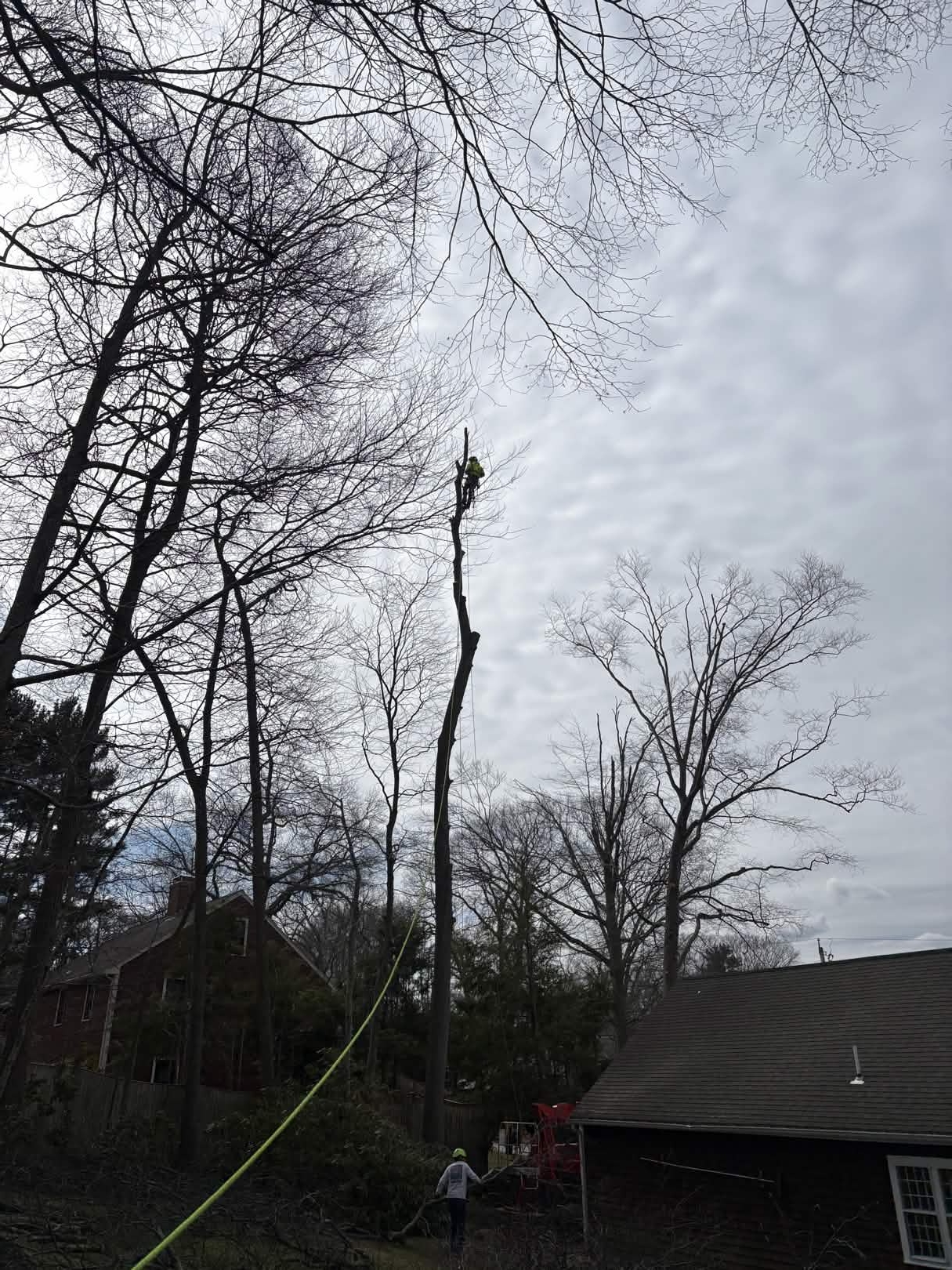
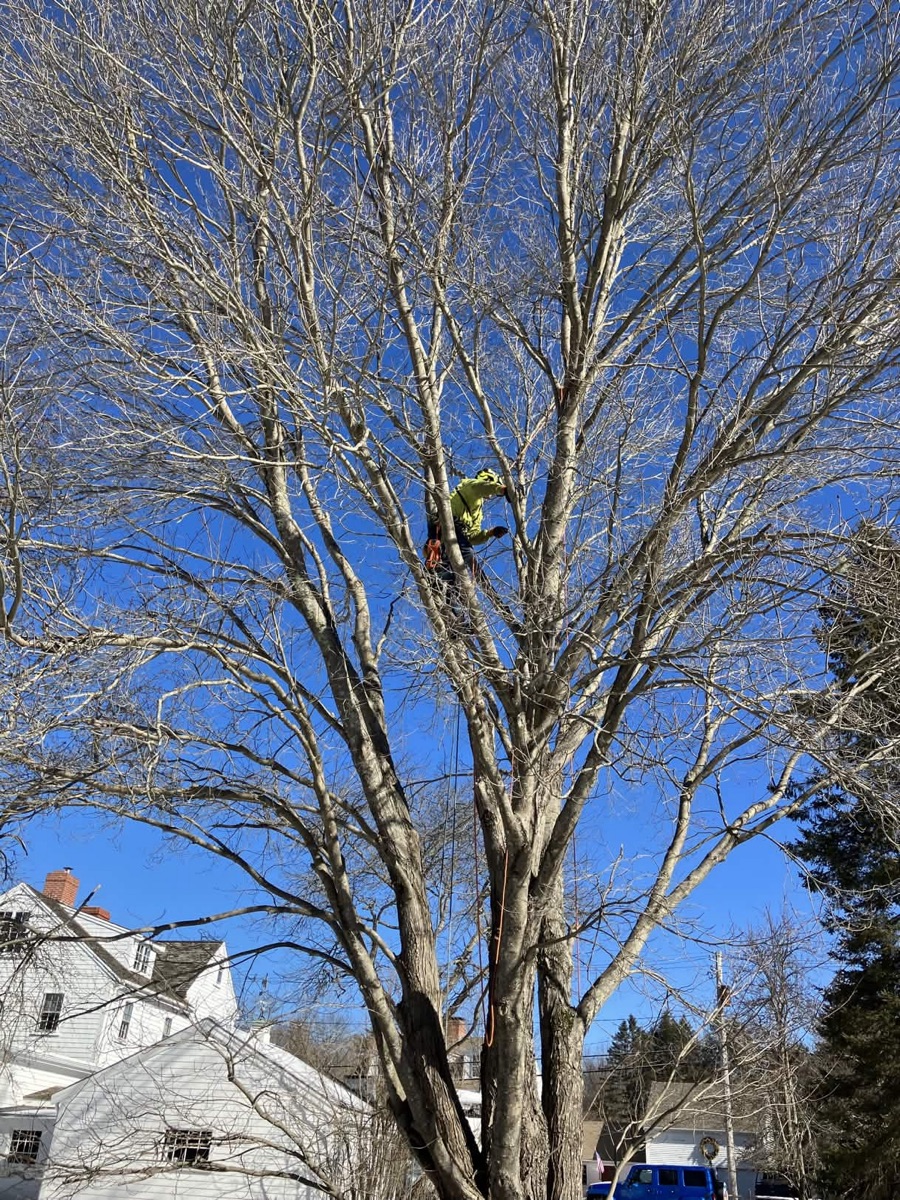
Southeast Arborist lightning protection work - photo 1
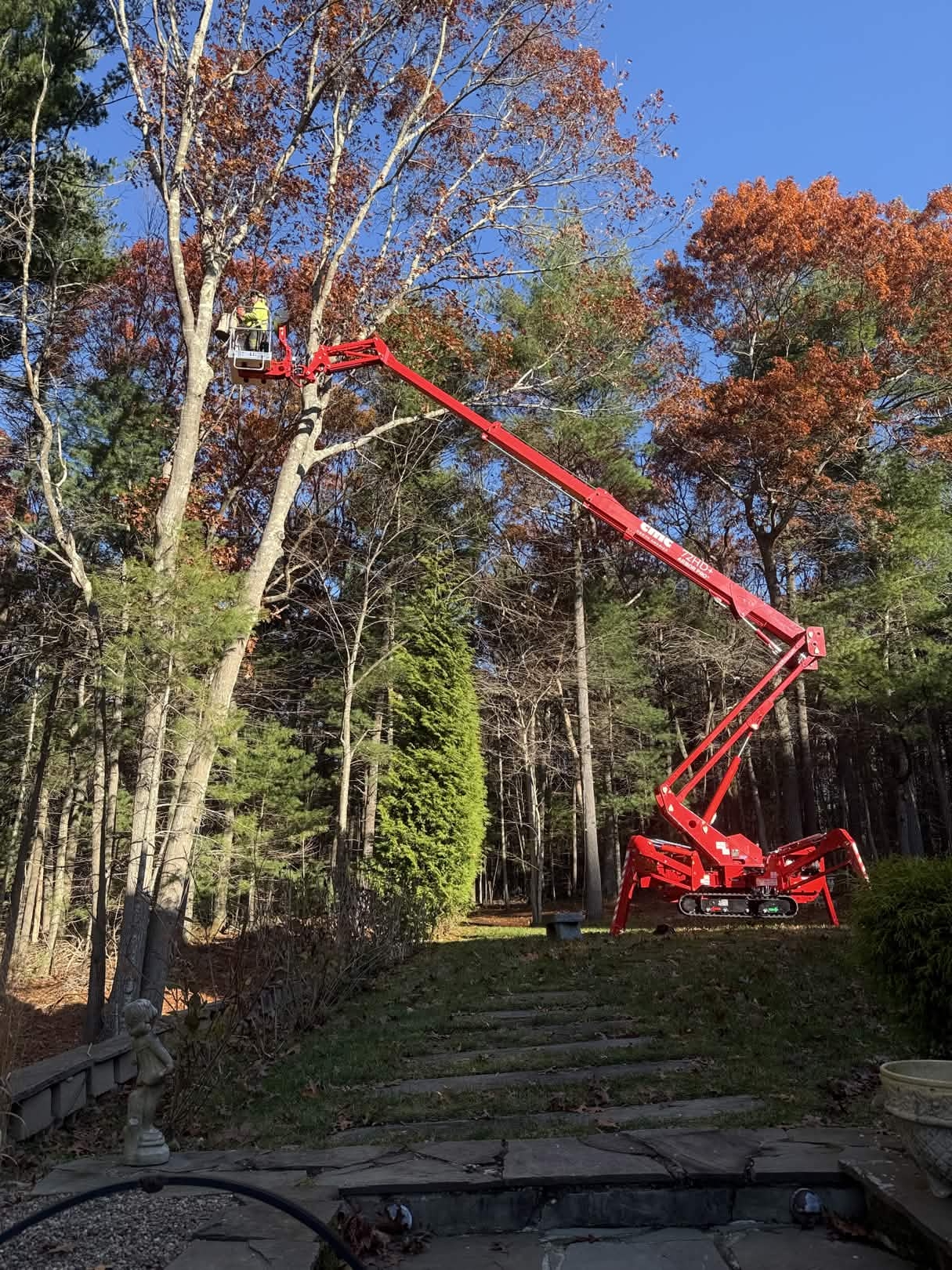
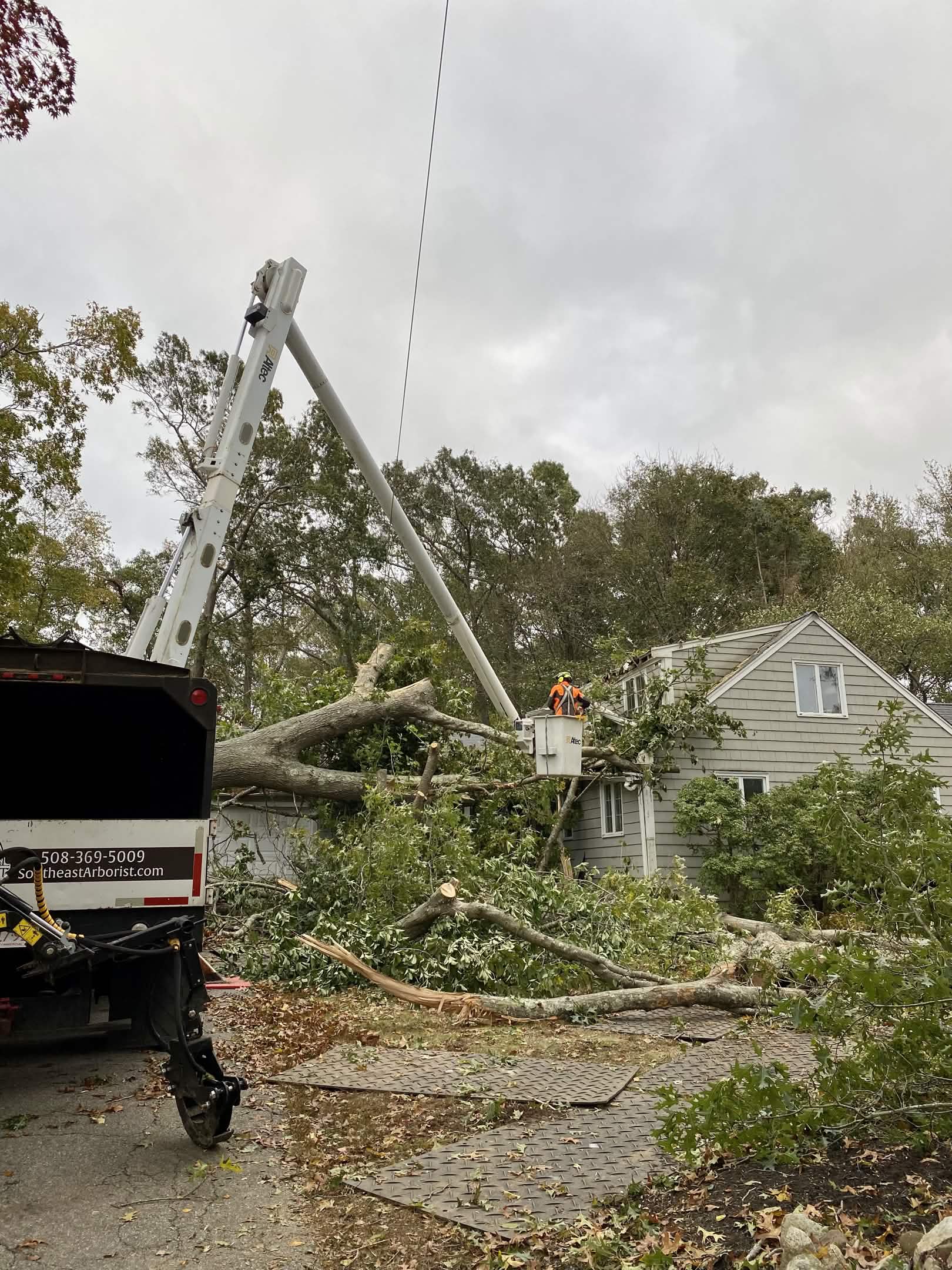
Southeast Arborist lightning protection work - photo 2
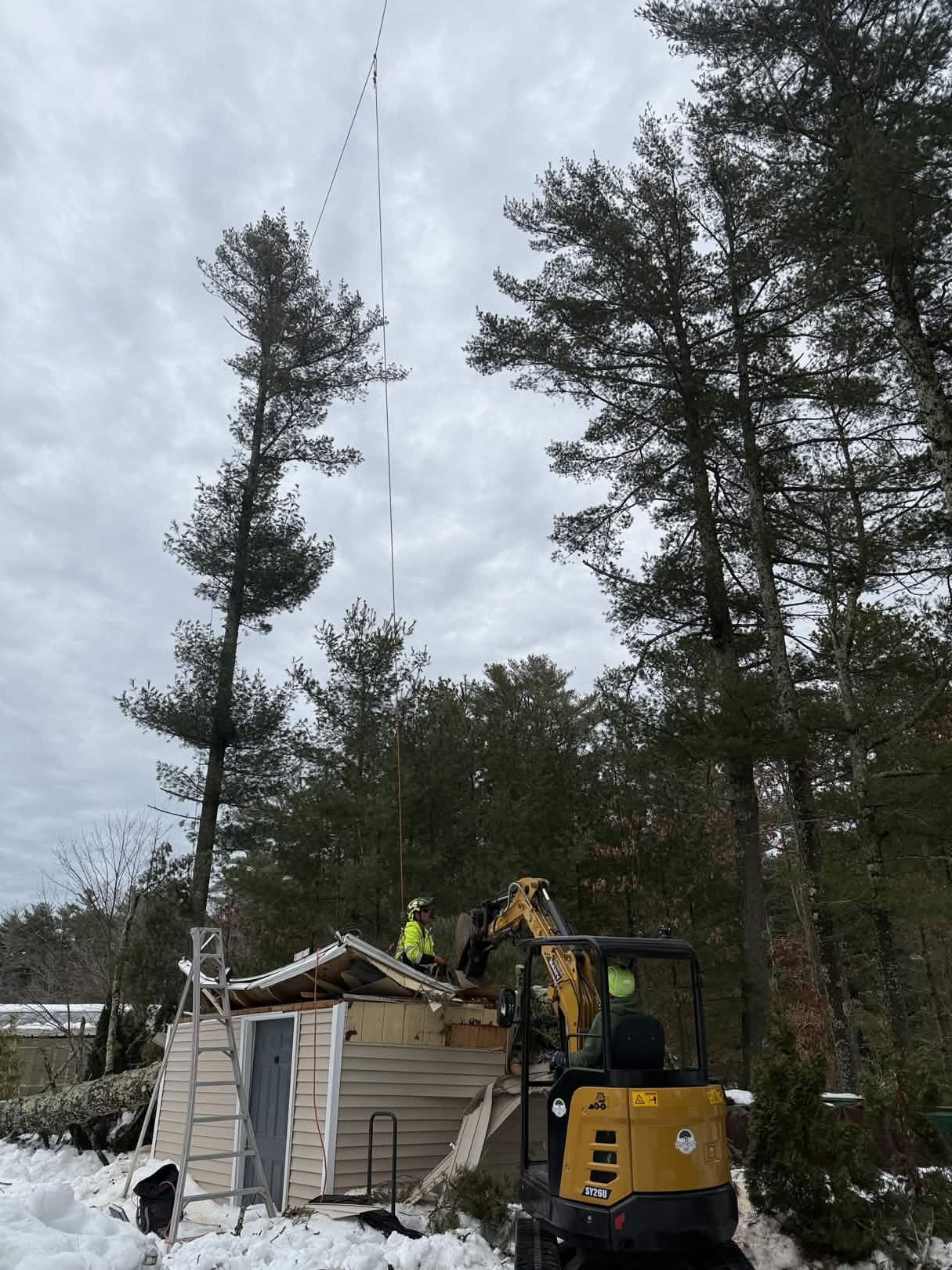
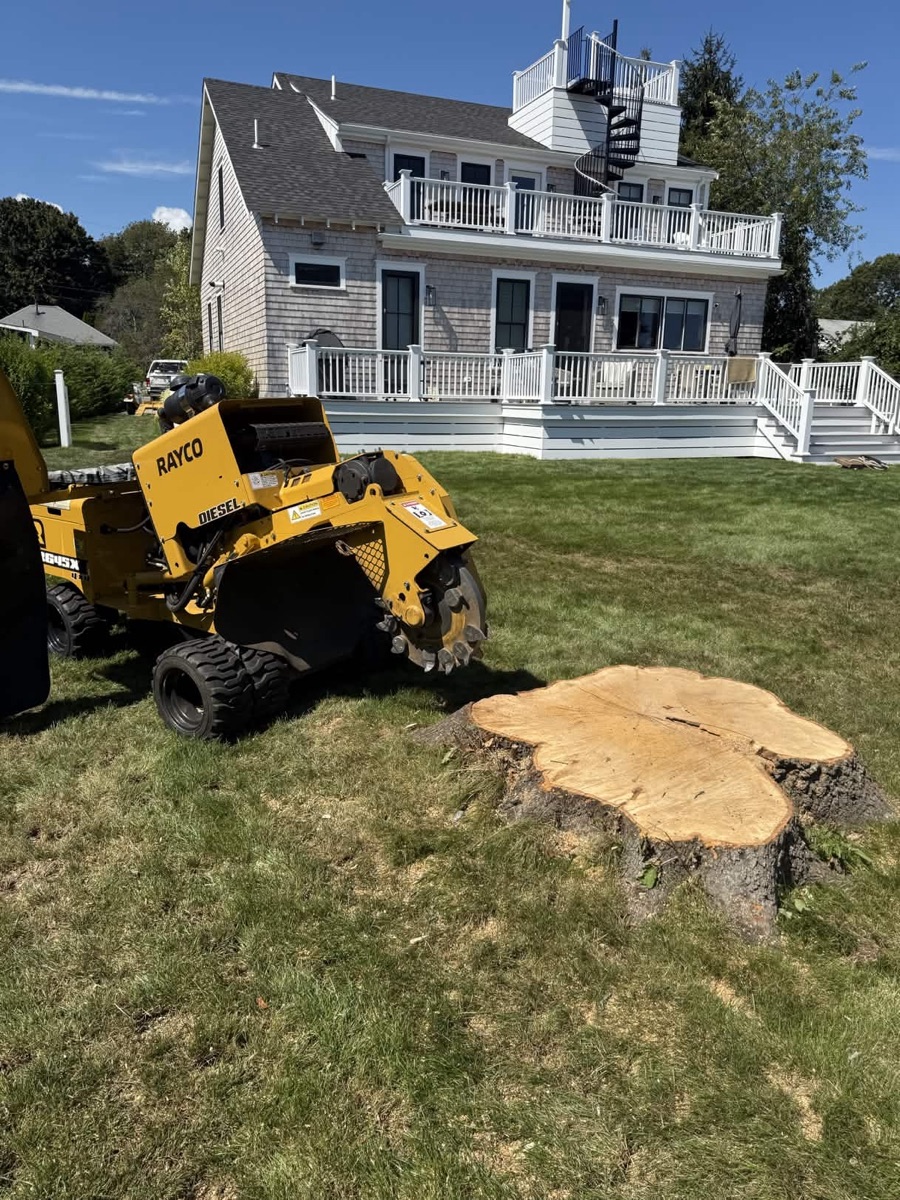
Southeast Arborist lightning protection work - photo 3
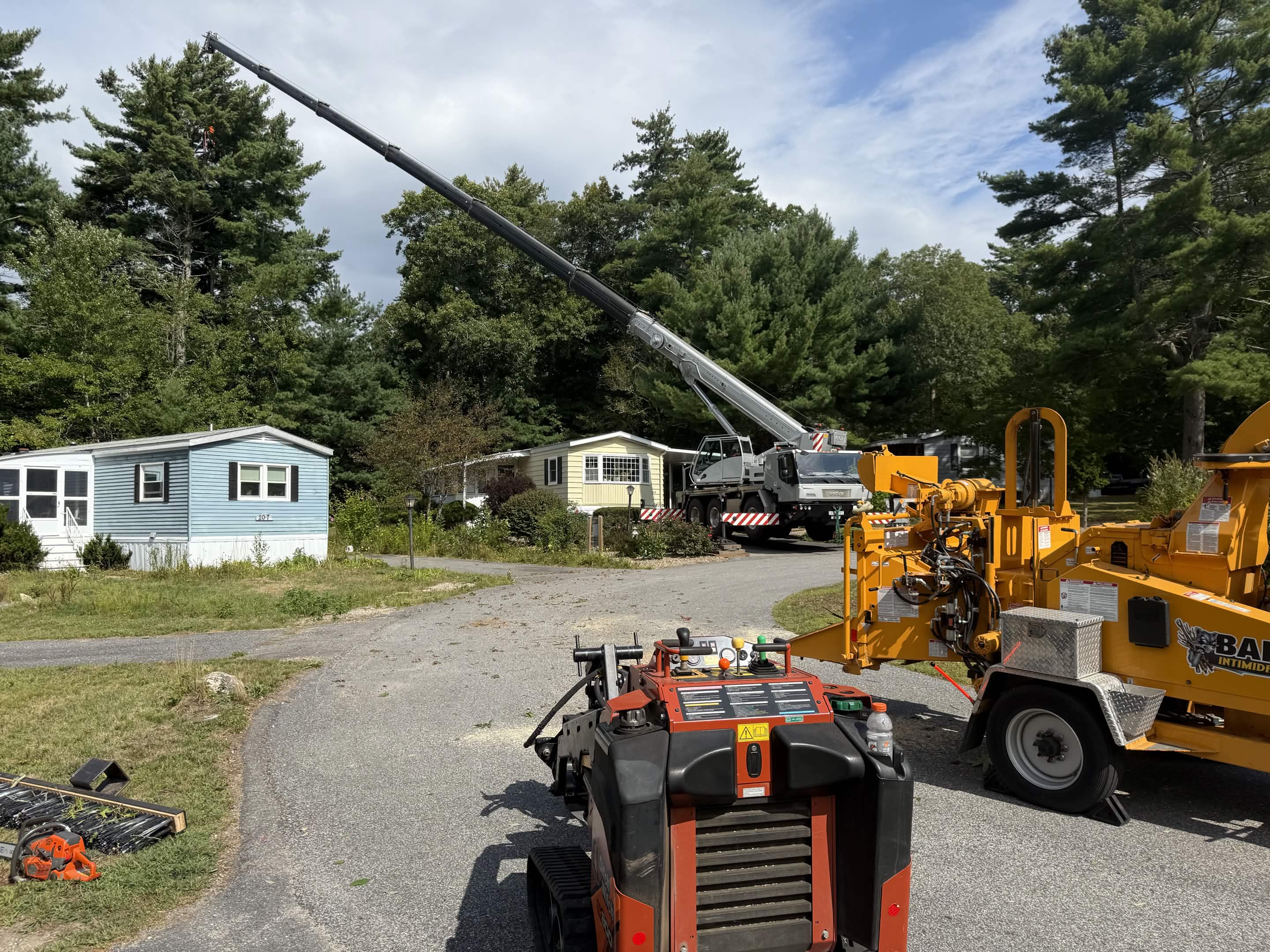
Southeast Arborist lightning protection work - photo 4

Testimonials

What Our Customers Say

★★★★★5.0 Rating on Google
I would highly recommend Southeast Arborist to anyone in need of tree service! Mike and his team were very pleasant and professional, providing outstanding service!!! Reasonable pricing! The team came on date and time as promised, the clean up was well above and beyond what we would have expected!!
B

Bernadette MacLean

Google Review

Highly professional. Reasonable, listens to you and helps formulate the homeowners vision. He transformed my yard in less than a day and hauled it away. Pleasant to work with, honest and reliable. Highly recommend him!
I

Ivy N.

Google Review

Southeast Arborist full equipment fleet

Need Lightning Protection in South Shore MA?

Free assessments, written quotes, and professional service from ISA Certified Arborists.

Southeast Arborist, LLC · P.O. Box 1361, Plymouth, MA 02362