Skip to content
Southeast Arborist, LLC
Fruit Tree Trimming in South Shore MA

Fruit Tree Pruning & Trimming in South Shore MA

Expert fruit tree pruning in South Shore MA. Boost production and restore neglected apple, pear, and cherry trees. Call 508-369-5009.

ISA Certified Arborists

Internationally recognized credentials

Fully Insured & Licensed

Complete liability coverage

24/7 Emergency Service

Real people answer the phone

Serving 60+ Towns

All of South Shore MA

Fruit Tree Trimming in South Shore MA

Fruit tree pruning is a specialized discipline that differs significantly from shade tree or ornamental pruning. While all pruning removes branches, fruit tree pruning has a unique objective: maximizing fruit production and quality. This means removing perfectly healthy branches — something that would be inappropriate on a shade tree — to redirect the tree's energy into producing fewer, larger, sweeter fruits rather than spreading resources across an overcrowded canopy of small, underdeveloped fruits.

At Southeast Arborist, we understand the dual nature of fruit tree care. Production pruning focuses on maximizing harvest — controlling height for safe picking, promoting strong lateral branching, opening the canopy for sunlight and air circulation, and directing growth toward fruiting wood. Ornamental fruit tree pruning, on the other hand, maintains the tree's beauty in the landscape while still allowing reasonable fruit production. We tailor our approach to your goals — whether you want bushels of apples or a beautiful crabapple that also provides some fruit.

New England backyards are rich with fruit trees. Apple, pear, cherry, peach, plum, crabapple, and quince trees all thrive in the South Shore's climate, with its cold winters providing the chill hours that most fruit species need for proper bud development and spring flowering. However, the region's humid summers also create conditions for fungal diseases like apple scab, fire blight, and brown rot. Proper pruning that opens the canopy for airflow and sunlight penetration is one of the most effective defenses against these diseases.

Many South Shore homeowners inherit mature fruit trees when they purchase a home — trees that have been neglected for years or decades. These trees are often too tall to safely harvest, overrun with water sprouts and crossing branches, and producing small, diseased fruit. Professional restoration pruning can bring these trees back to productive health, though it requires a multi-season approach to avoid shocking the tree.

Why It Matters

Why You Need Professional Fruit Tree Trimming

An unpruned fruit tree is an underperforming fruit tree. Without annual pruning, fruit trees develop dense, tangled canopies that block sunlight from interior fruiting wood, trap moisture that promotes disease, and produce large quantities of small, poor-quality fruit that is difficult to harvest. The tree's energy is divided across too many branches and too many fruits, resulting in a harvest that is disappointing in both quantity and taste.

Proper pruning concentrates the tree's resources where they matter. By removing excess branches and thinning the canopy, you increase sunlight penetration to interior fruiting wood, improve air circulation that keeps foliage dry and disease-free, reduce competition among fruits so the remaining ones grow larger and sweeter, and keep the tree at a manageable height for safe harvesting. A well-pruned apple tree can produce more usable fruit than an unpruned tree twice its size.

Disease prevention is another critical reason for professional fruit tree pruning. New England's humid climate makes fruit trees susceptible to fungal diseases including apple scab, cedar apple rust, fire blight, and brown rot. Pruning improves spray coverage for organic or conventional treatments, allows faster drying after rainfall, and removes diseased wood that harbors pathogens. Opening the canopy is the first line of defense against the fungal problems that plague neglected fruit trees throughout the South Shore.

Professional fruit tree trimming - Southeast Arborist

Our Approach

How Southeast Arborist Handles Fruit Tree Trimming

Our fruit tree pruning starts with understanding what you want from the tree. If maximum fruit production is the goal, we use production pruning techniques — controlling height, opening the center, promoting lateral fruiting branches, and removing competing growth. If the tree is primarily ornamental with incidental fruit, we take a lighter approach that maintains the tree's natural form while still improving fruit quality.

We prune fruit trees during the late dormant season — typically late February through early April on the South Shore — to minimize cold injury and allow quick healing once growth resumes. This timing also allows us to see the tree's branch architecture clearly without foliage. For apricots and cherries, which are prone to bacterial canker, we schedule pruning during dry summer months to reduce infection risk.

For neglected fruit trees, we use a multi-season restoration approach. A tree that has been unpruned for years cannot be cut back to ideal shape in a single session — removing that much live wood would shock the tree and trigger a flush of weak, unproductive water sprouts. Instead, we spread the restoration over 2 to 3 seasons, gradually bringing the tree back to a manageable size and productive form. Each year, the tree responds with stronger growth and improved fruit quality.

What's Included

Our Fruit Tree Trimming Service Includes

Production Pruning

Pruning techniques focused on maximizing fruit yield — controlling height, promoting lateral fruiting branches, opening the canopy for sunlight, and directing the tree's energy toward fewer, larger, sweeter fruits.

Disease Prevention

Opening the canopy improves air circulation and spray coverage, reducing the fungal diseases that plague New England fruit trees — apple scab, fire blight, brown rot, and cedar apple rust.

Neglected Tree Restoration

We restore neglected fruit trees over 2 to 3 seasons, gradually bringing overgrown trees back to productive health without shocking them with excessive single-season pruning.

Proper Timing

Most fruit trees are pruned in late winter dormancy for optimal healing. Cherries and apricots get summer pruning to avoid bacterial canker. We match the pruning window to each species for the best results.

Structural Shaping

Open center and modified central leader training systems create strong branch architecture that supports heavy fruit loads without breakage — essential for productive apple and pear trees.

Tool Sanitation

When disease or fungal infection is present, we disinfect pruning tools between each cut to prevent spreading pathogens from infected wood to healthy portions of the tree.

Investment

Fruit Tree Trimming Pricing Guide

Fruit tree pruning on the South Shore typically costs $150 to $500 per tree, depending on the tree's size, species, condition, and whether it is a maintenance prune or a restoration project. Standard maintenance pruning on a well-kept apple or pear tree runs $150 to $300. Larger or neglected trees requiring significant corrective work cost $300 to $500. Multi-tree discounts are available for backyard orchards and properties with several fruit trees.

Restoration pruning for severely neglected trees is typically spread over 2 to 3 seasons, with each session priced individually. The total investment in restoration is higher than annual maintenance, but the payoff is a productive tree that will reward you with quality fruit for years to come. We provide free assessments and will walk you through what your trees need and what it will cost.

Get Your Free Estimate

Timing

Best Time for Fruit Tree Trimming

Late dormant season — late February through early April on the South Shore — is the primary pruning window for most fruit trees. Pruning during dormancy minimizes cold injury, allows quick healing when growth resumes, and lets you see the tree's architecture clearly. Apricots and cherries are the exception: prune these species during dry summer months (July through August) to reduce bacterial canker risk. Avoid pruning any fruit trees in fall, as fresh wounds heal slowly and may be vulnerable to winter cold damage. Fruit buds develop during the growing season prior to fruiting, appearing on 2 to 3 year old spurs no thicker than a pencil — knowing this helps our arborists avoid removing productive wood.

FAQ

Frequently Asked Questions About Fruit Tree Trimming

When should fruit trees be pruned?

Most fruit trees should be pruned late in the dormant season — late February through early April in New England — to minimize cold injury and allow quick healing. Apricots and cherries are exceptions; they are best pruned during dry summer months to reduce bacterial canker risk.

Can you restore a neglected fruit tree?

Yes. A neglected but otherwise healthy fruit tree will usually show marked improvement in fruit quality after proper pruning. However, we do not prune a neglected tree back to ideal shape in one year. We spread the restoration over 2 to 3 seasons to avoid shocking the tree and triggering a flush of weak, unproductive water sprouts.

What fruit trees do you service?

We prune apple, pear, cherry, peach, plum, crabapple, and quince trees — all common in New England backyards. Each species has specific pruning requirements and timing that we match for optimal results.

Why is professional pruning better than DIY?

Professional arborists understand the difference between production pruning and ornamental pruning. We know which branches to cut to direct growth, increase sunlight penetration, and improve fruit quality — without damaging the tree. Improper pruning can reduce fruit production, create entry points for disease, and weaken the tree's structure.

How often should fruit trees be pruned?

Most fruit trees benefit from annual pruning during the dormant season. This maintains the open canopy structure, removes competing growth, and keeps the tree at a manageable height for safe harvesting. Skipping years allows the canopy to become overcrowded and reduces fruit quality.

Will pruning reduce my fruit harvest?

It may reduce the total number of fruits, but it increases the size, quality, and flavor of the remaining fruits. An unpruned tree produces many small, poor-quality fruits; a properly pruned tree produces fewer but significantly larger, sweeter, healthier fruits. The total usable harvest is usually better after pruning.

My apple tree has stopped producing fruit. Can pruning help?

Often, yes. Trees that have stopped producing usually have overcrowded canopies that block sunlight from fruiting wood. Opening the canopy through proper pruning restores light and air to interior branches, stimulating fruit bud development. Severe neglect may require 2 to 3 seasons of restoration pruning before the tree returns to full production.

What is the difference between open center and central leader training?

Open center training creates a vase-shaped tree with an open middle, maximizing sunlight penetration — ideal for peach, plum, and cherry trees. Modified central leader maintains a dominant central trunk with well-spaced lateral branches — preferred for apple and pear trees. We recommend the training system best suited to your tree's species and your production goals.

Our Process

How It Works

01

Free Assessment

We visit your property, inspect the trees, and discuss your goals. No cost, no obligation.

02

Written Plan & Quote

You receive a detailed scope of work and transparent pricing before any work begins.

03

Professional Execution

Our ISA Certified crew completes the work safely and efficiently using proper equipment.

04

Cleanup & Follow-Up

We haul all debris, rake the area clean, and walk the site with you to ensure satisfaction.

Our Work

See Our Team in Action

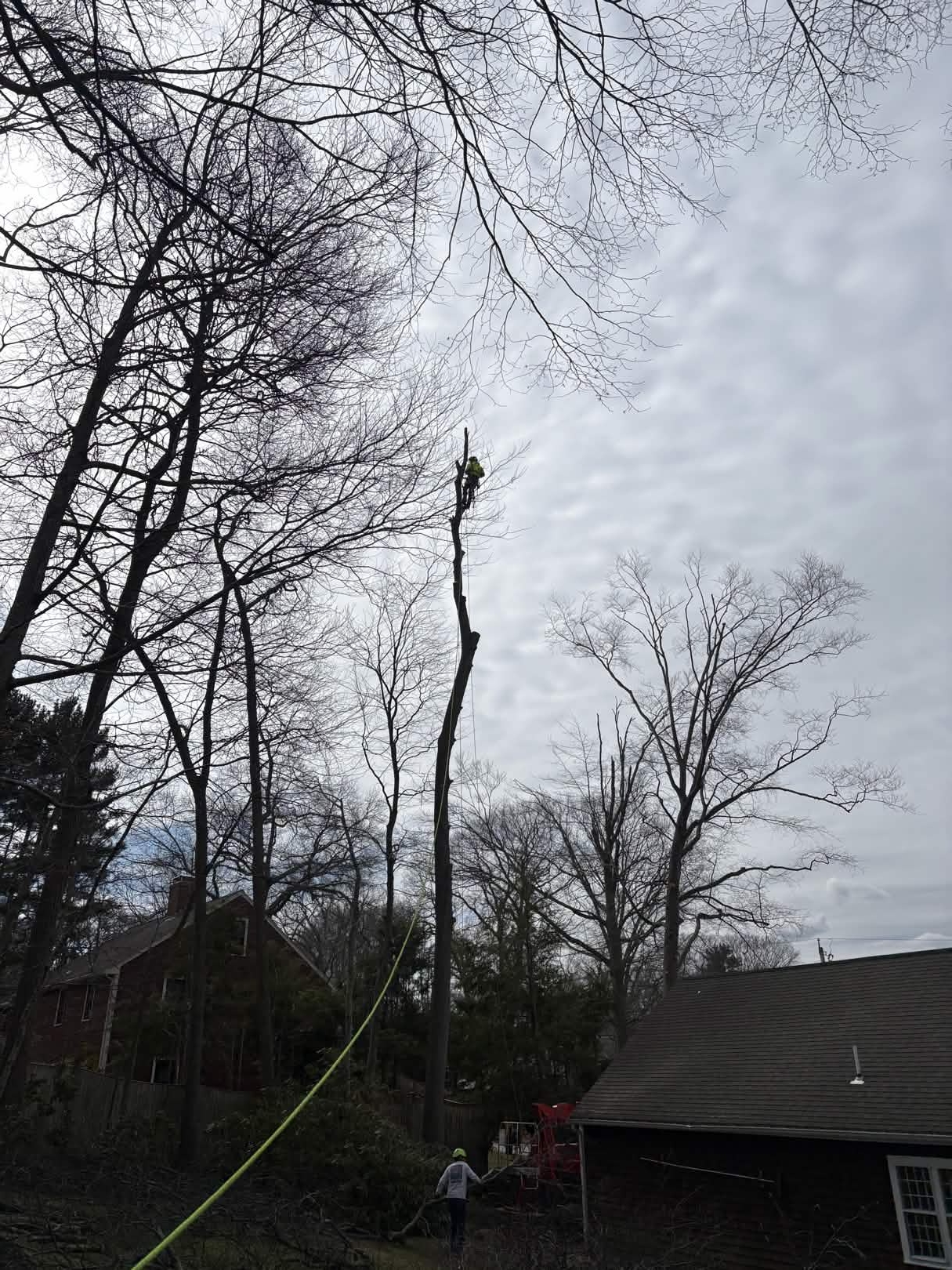
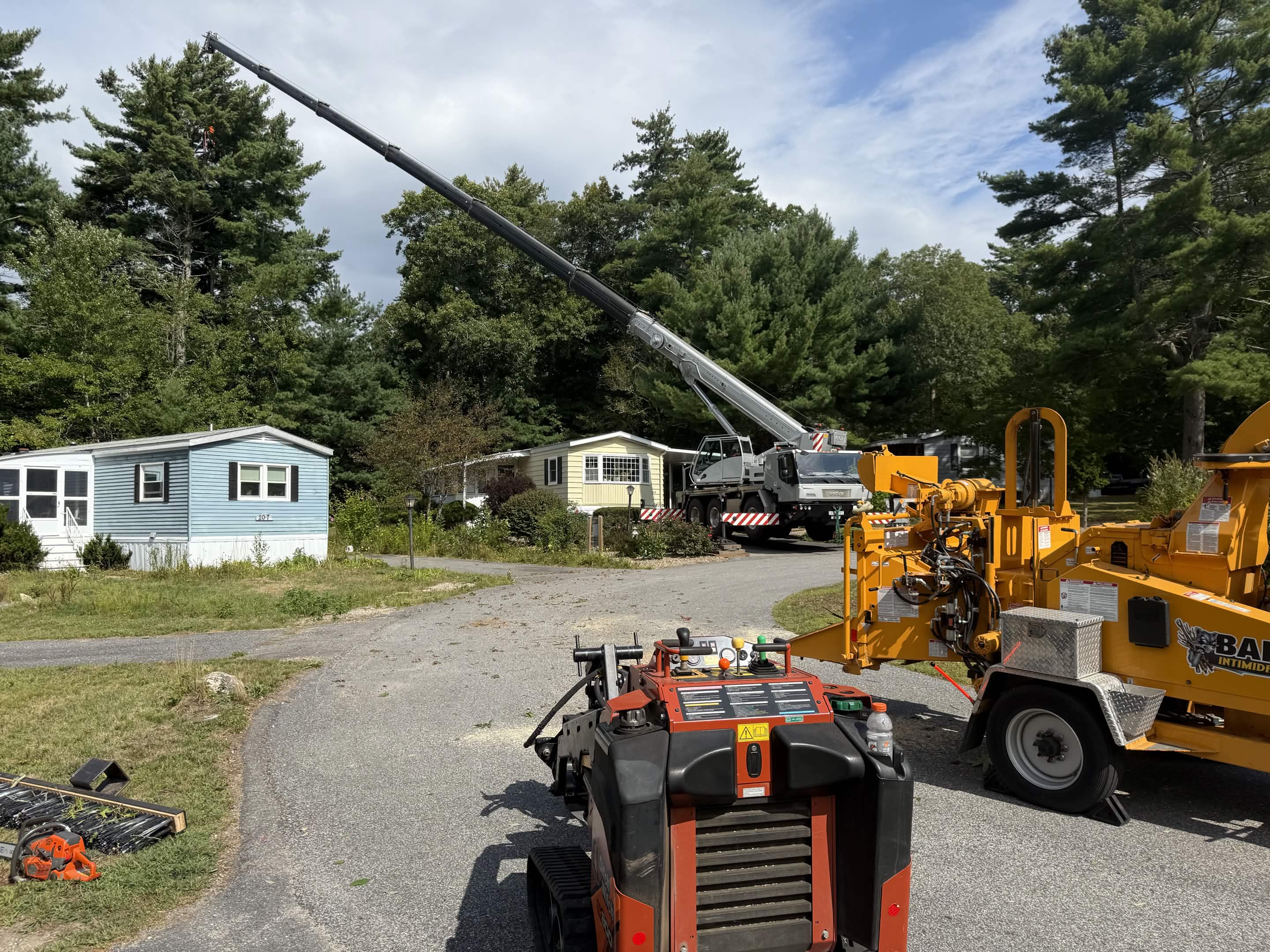
Southeast Arborist fruit tree trimming work - photo 1
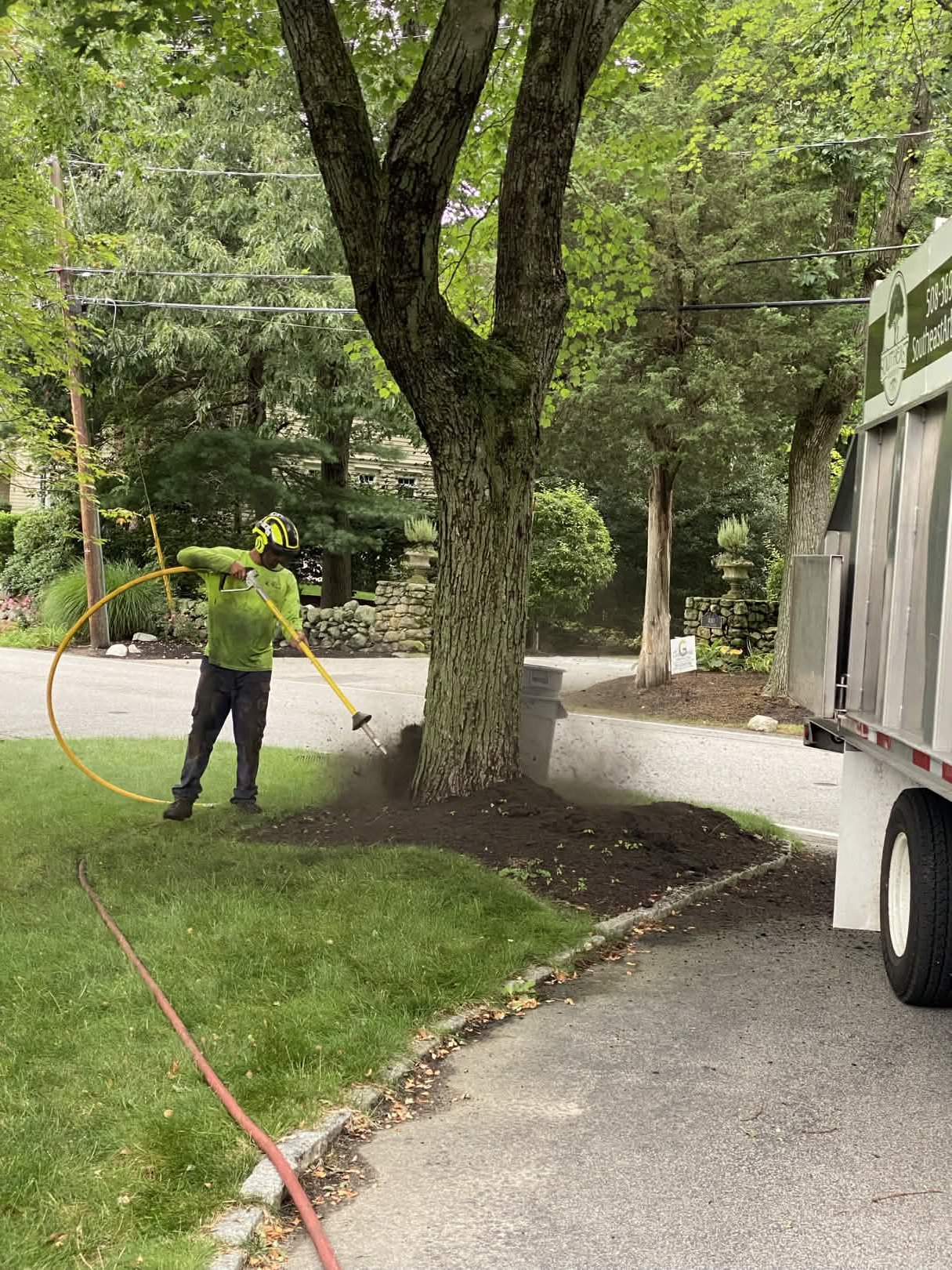
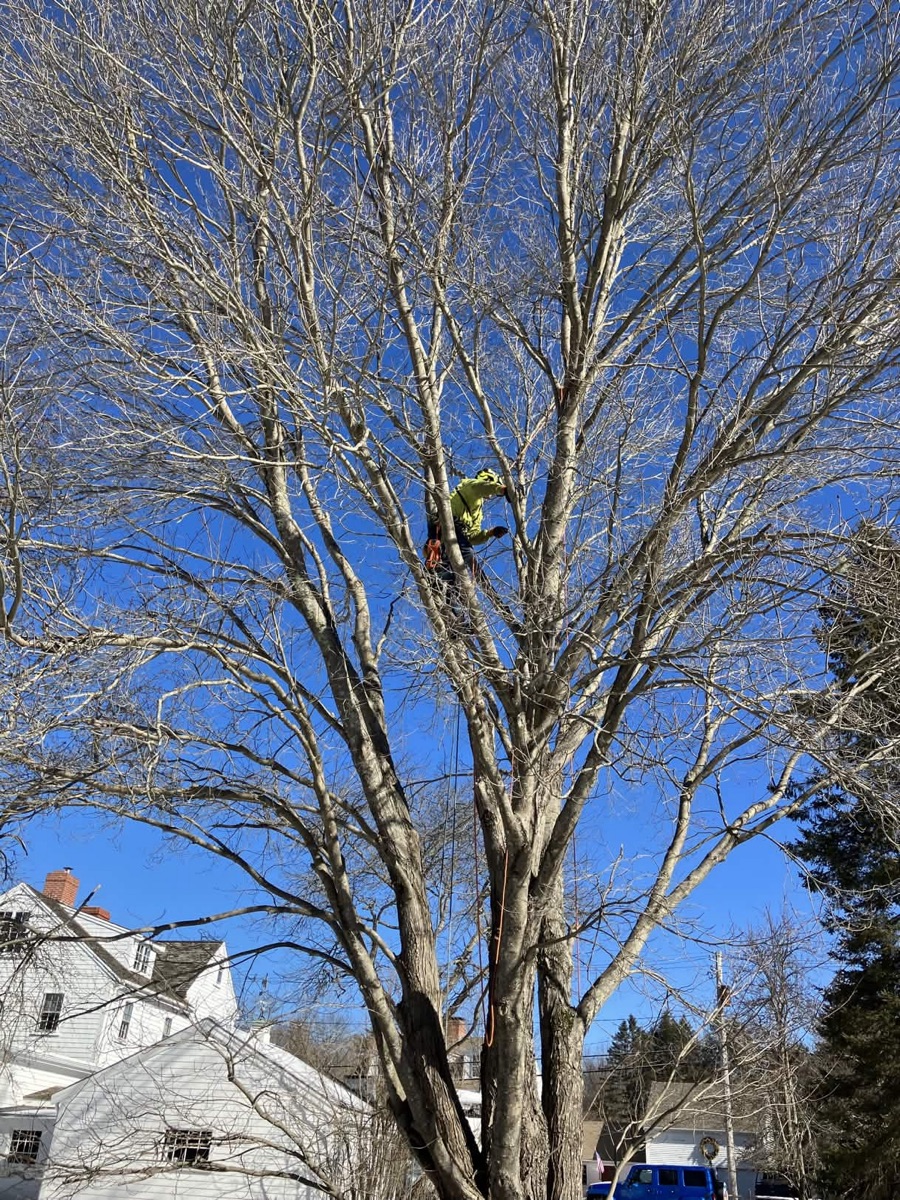
Southeast Arborist fruit tree trimming work - photo 2
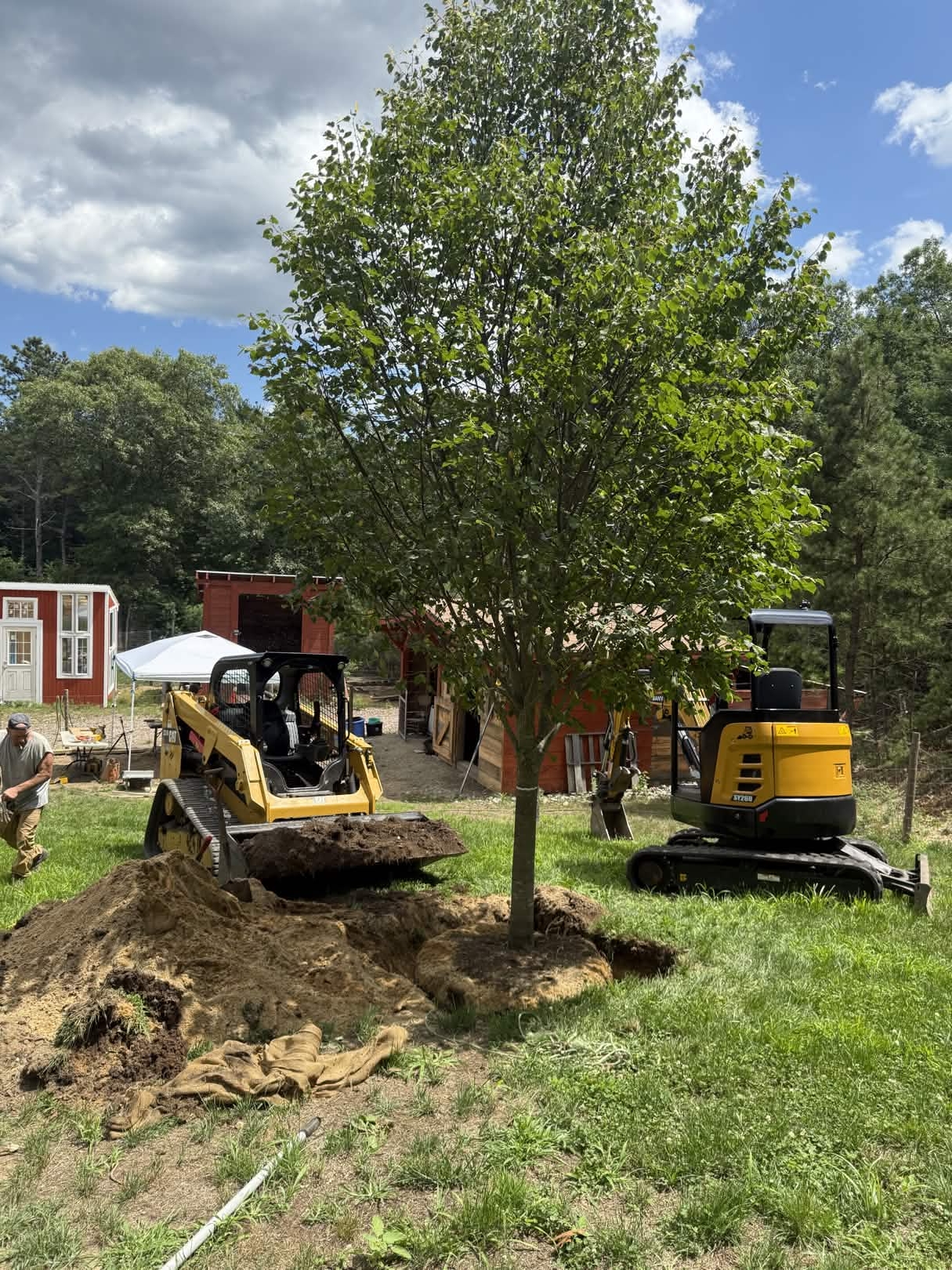
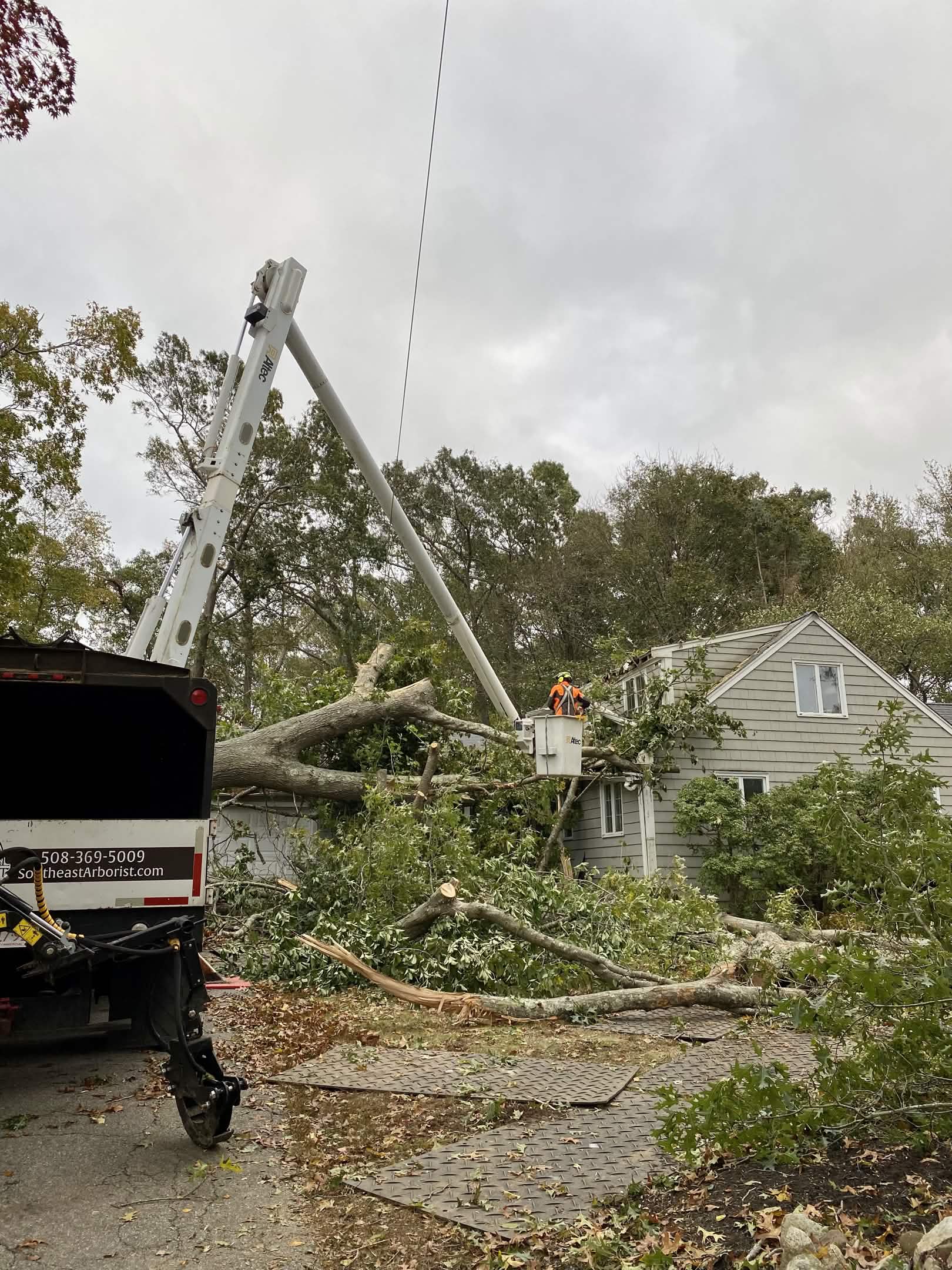
Southeast Arborist fruit tree trimming work - photo 3
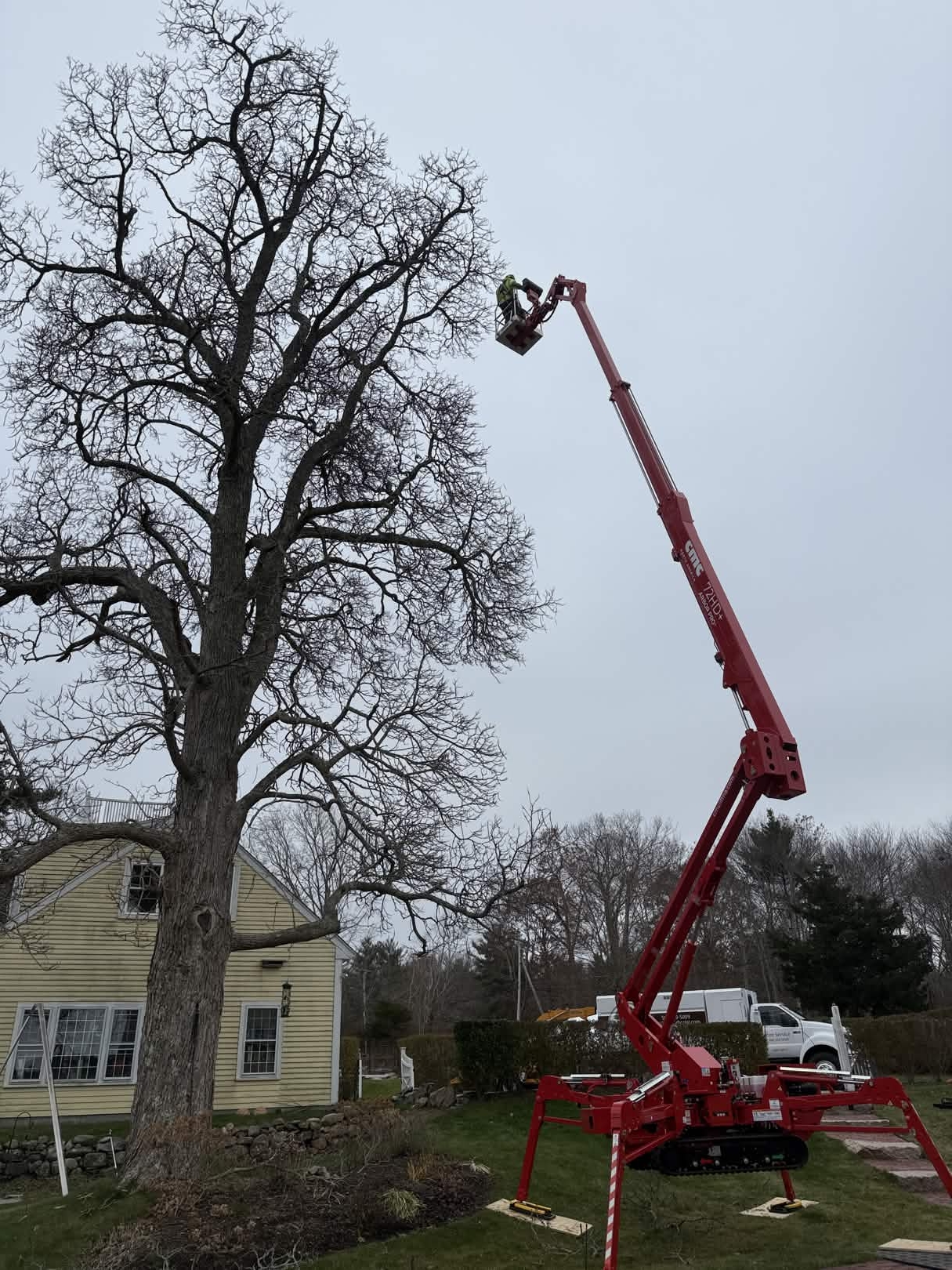
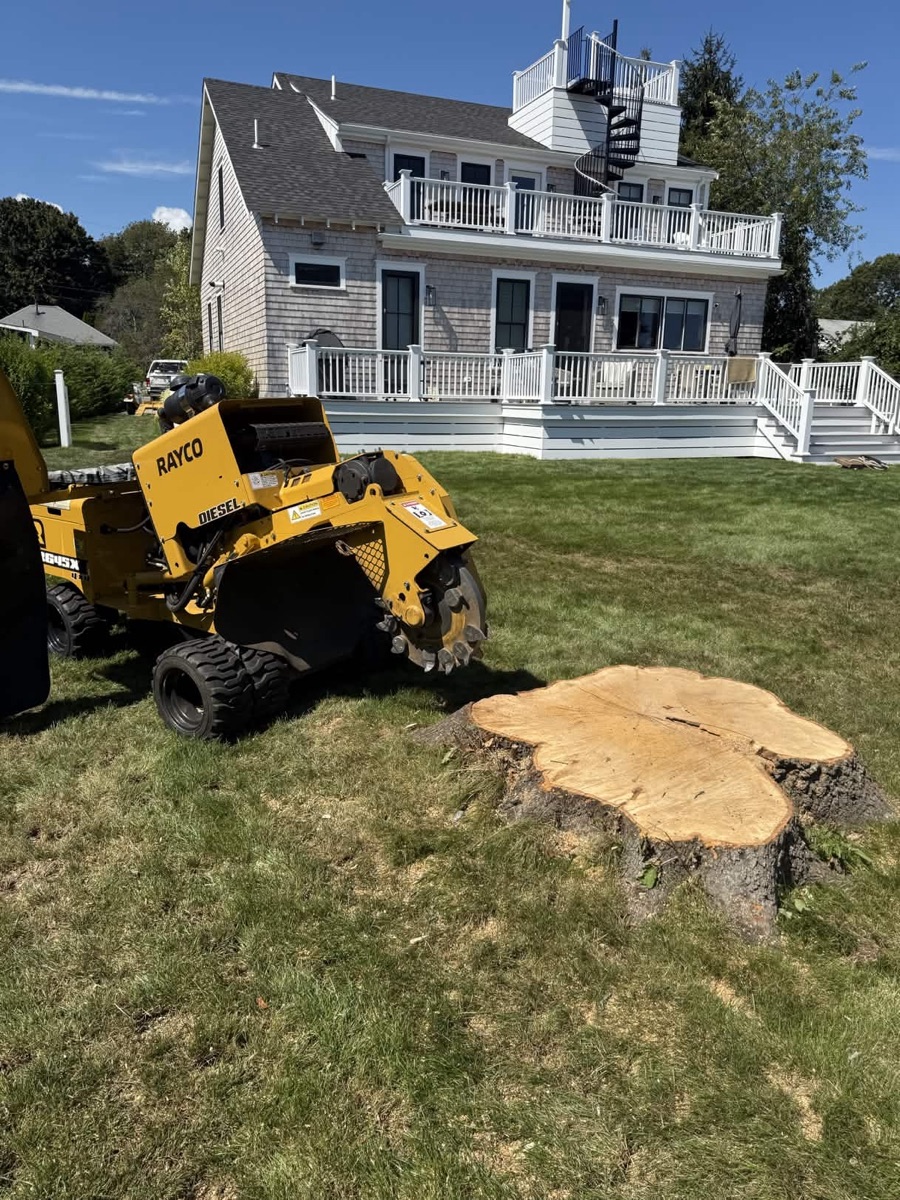
Southeast Arborist fruit tree trimming work - photo 4

Testimonials

What Our Customers Say

★★★★★5.0 Rating on Google
Highly professional. Reasonable, listens to you and helps formulate the homeowners vision. He transformed my yard in less than a day and hauled it away. Pleasant to work with, honest and reliable. Highly recommend him!
I

Ivy N.

Google Review

I would highly recommend Southeast Arborist to anyone in need of tree service! Mike and his team were very pleasant and professional, providing outstanding service!!! Reasonable pricing! The team came on date and time as promised, the clean up was well above and beyond what we would have expected!!
B

Bernadette MacLean

Google Review

Southeast Arborist full equipment fleet

Need Fruit Tree Trimming in South Shore MA?

Free assessments, written quotes, and professional service from ISA Certified Arborists.

Southeast Arborist, LLC · P.O. Box 1361, Plymouth, MA 02362