
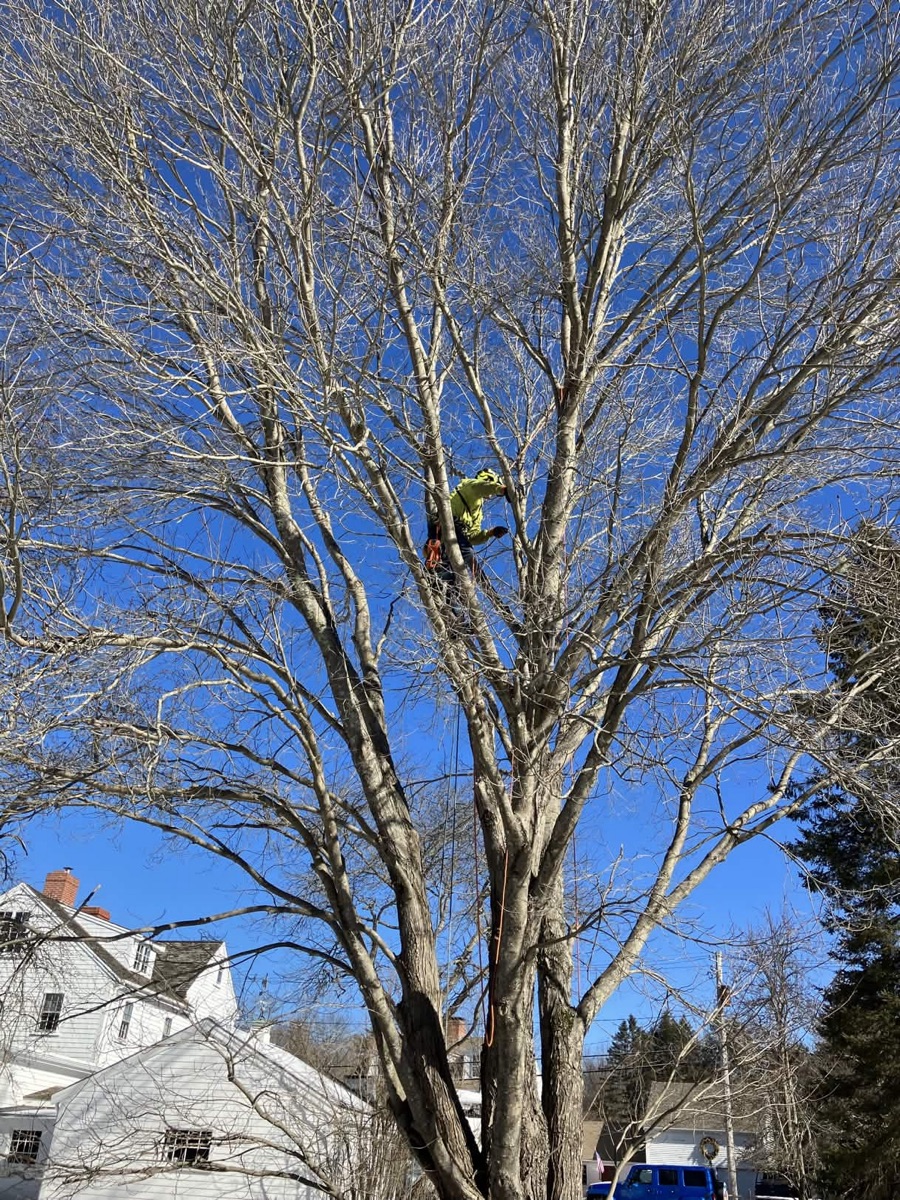
# Professional Tree Pruning in Weymouth, Massachusetts
As a homeowner in Weymouth, Massachusetts, you face unique challenges with your trees due to the town's coastal location in Norfolk County and its diverse neighborhoods like South Weymouth, North Weymouth, and East Weymouth. Tree pruning Weymouth MA services from Southeast Arborist, LLC address these issues directly, using ANSI A300 standards applied by our ISA Certified Arborists. Based in Plymouth and Cohasset, we serve the entire South Shore, including your 02188 zip code area with its population of 57,500 residents spread across villages such as Weymouth Landing, Wessagusset, Columbian Square, Jackson Square, Lovell's Corner, and the former Old South Weymouth Naval Air Station.
Your trees—common species like red maple, Norway maple, red oak, white pine, willow, silver maple, London plane, green ash, and ornamental pear—endure coastal winds, salty air exposure in northern neighborhoods, and root conflicts with aging infrastructure. The 2008 ice storms devastated thousands of trees here, leaving legacy issues like weak branches and imbalanced crowns that our pruning corrects. In Great Esker Park along the Back River, unique glacial esker ecosystems demand precise pruning to preserve native plant communities without disrupting ecology. Around Whitman's Pond, stately willows and red maples require careful deadwood removal to maintain parkland safety.
Southeast Arborist specializes in tree pruning Weymouth MA tailored to these conditions. Our services include crown thinning to reduce wind resistance, deadwood removal for hazard mitigation, crown elevation for driveway clearance, reduction pruning for size control, vista pruning to restore water views from Wessagusset homes, structural pruning for young recovery plantings, and restoration after storms. We follow strict safety protocols, including traffic control in dense areas like Columbian Square and utility coordination for overhead lines in older Jackson Square properties.
Professional tree pruning Weymouth MA prevents property damage, enhances curb appeal in your suburban community, and complies with local regulations. Unpruned red oaks in Lovell's Corner can drop heavy limbs during nor'easters, while silver maples near Weymouth Landing streets suffer from weak crotches exacerbated by clay-heavy soils and poor drainage common in Norfolk County. Our ISA Certified team uses bucket trucks, cranes, and climbing gear suited for Weymouth's tight village lots and redevelopment sites like Southfield.
Hiring Southeast Arborist means ANSI A300 precision: we make targeted cuts to promote tree health, not arbitrary topping that invites decay. For coastal North Weymouth properties battered by salt spray, we thin crowns of London planes and white pines to improve airflow and reduce storm breakage. In East Weymouth's family neighborhoods, we elevate low limbs on ornamental pears overhanging sidewalks. Call us at 508-369-5009 for a free assessment—our South Shore expertise ensures your trees thrive amid Weymouth's variable microclimates, from Back River humidity to inland drier soils.
This comprehensive approach delivers long-term value: safer yards, lower insurance risks from falling branches, and preserved views of the Fore River from elevated prunings. Whether managing dense street trees in village centers or clearing lots at former naval sites, Southeast Arborist handles Weymouth's tree pruning needs with local knowledge. Your property deserves this specialized care—contact us today to protect it.
Why Weymouth Properties Need Tree Pruning
Weymouth's tree canopy reflects its geography: coastal northern neighborhoods like North Weymouth and Wessagusset endure constant salt-laden winds from the Back River and Fore River, stressing species like white pine and willow. These trees develop dense, heavy crowns that snap in 50+ mph gusts common during fall nor'easters. Tree pruning Weymouth MA from Southeast Arborist thins these crowns per ANSI A300 standards, removing 15-25% of live branches to lessen sail effect while preserving health.
In South Weymouth and East Weymouth, inland clay-loam soils retain moisture, promoting vigorous but unruly growth in red maples and Norway maples. Roots from these trees invade sewer lines under aging infrastructure, a frequent issue in 1940s-era homes around Jackson Square. Pruning elevates crowns to expose root flares, aiding diagnosis of girdling roots that ANSI-trained arborists like ours identify early. Without intervention, silver maples here split at codominant stems, dropping debris onto Weymouth Landing rooftops.
Redevelopment at the Old South Weymouth Naval Air Station highlights another need: site clearance pruning removes hazard limbs from green ash and red oaks before heavy equipment moves in. These trees, planted post-2008 storm recovery, often have V-shaped crotches that fail under snow loads—Weymouth averages 45 inches annually. Our structural pruning corrects this in young trees, directing energy to a single leader for decades of stability.
Local landmarks underscore urgency. Great Esker Park's glacial ridge hosts sensitive ecosystems with London plane trees needing deadwood removal to prevent branch drop on hikers. Whitman's Pond parkland features willows whose pendulous branches obstruct paths; crown reduction opens sightlines while improving air circulation against fungal issues in humid Back River air. Ornamental pears in Columbian Square's village core suffer fire blight, requiring sanitary pruning to halt spread—our ISA Certified Arborists disinfect tools between cuts.
Coastal exposure accelerates decline: salt burn yellows needles on white pines in Lovell's Corner, weakening limbs that overhang roads. Dense village street trees in Weymouth Landing create shade but also rub power lines, sparking outages. Utility clearance pruning maintains 10-foot radial clearance, as mandated by Eversource protocols we follow meticulously.
Climate plays a role—Weymouth's Zone 6b winters dip to -5°F, causing frost cracks in thin-barked green ash. Summer humidity fosters bacterial leaf scorch in maples; thinning reduces humidity pockets inside canopies. Homeowners in Braintree-adjacent areas see similar issues, but Weymouth's mix of old growth and new plantings amplifies needs.
Post-2008, recovery trees like hybrid red maples grow fast but poorly branched. Without pruning, they become hazards overhanging Holbrook-border properties. Practical advice: inspect your red oaks for deadwood after leaf drop—hanging branches signal internal decay. For willows near ponds, trim watersprouts annually to prevent weak attachments.
Southeast Arborist's Weymouth-specific pruning boosts property values by 5-10% through enhanced aesthetics and safety, per local real estate data. It complies with Norfolk County codes requiring 14-foot vertical clearance over streets. Your trees face these pressures daily—neglect leads to emergency calls costing 3x routine pruning. Invest in proactive care to safeguard your home.
Our Tree Pruning Process in Weymouth
Southeast Arborist follows a rigorous, step-by-step tree pruning process in Weymouth, MA, starting with a free on-site assessment by an ISA Certified Arborist. We arrive in a fully equipped truck from our Plymouth/Cohasset base, scanning your property for hazards like deadwood in red oaks overhanging garages in East Weymouth. Using resistograph tools, we probe for decay in Norway maples common in South Weymouth, documenting findings with photos for your records.
Next, we create a customized ANSI A300 pruning plan. For coastal North Weymouth white pines battered by salt winds, crown thinning targets 20% branch removal, spacing cuts to maintain natural shape. We prioritize dynamic loads—branches with >30-degree end weight get subordinated. In Weymouth Landing's tight lots, we deploy 65-foot bucket trucks for elevation pruning, lifting low limbs on silver maples to 12 feet over sidewalks.
Safety protocols come first: we establish 20-foot exclusion zones with cones and signage, especially in busy Columbian Square. Climbers wear ANSI Z133-compliant gear, including saddles and lanyards, secured to life-rated ropes. Ground crews manage chippers that process debris into mulch onsite, reducing truck traffic on narrow Jackson Square streets.
Execution uses precision techniques. Deadwood removal employs the three-point cut method: undercut, relief cut, final clean cut outside the branch collar to seal naturally—no flush cuts that invite pathogens. For vista pruning in Wessagusset waterfront homes, we reduce London plane crowns by 25%, dropping laterals to frame Fore River views without topping.
Structural pruning for young post-2008 red maples at Lovell's Corner involves removing competing leaders and rubbing branches, promoting taper for wind resistance. Storm restoration on willows near Whitman's Pond starts with hazard limb removal, followed by phased thinning over 2-3 years to rebuild framework.
Equipment suits Weymouth's terrain: aerial lifts navigate Great Esker Park's slopes, while portable cranes lift 10-ton red oaks at Old South Weymouth Naval Air Station sites. Chainsaws feature low-vibration models with depth gauges for clean cuts; pole pruners handle 40-foot reaches in dense village canopies.
Post-pruning, we apply wound dressings only if cabling is needed for included bark unions in green ash. Cleanup is thorough—rakes level chips, blowers clear sidewalks, and we haul away logs unless you request milling for Weymouth's community wood programs.
Quality checks include a walk-through with you, verifying clearances and health. We provide a compliance report for insurance or HOA in Hingham-border neighborhoods. This process minimizes stress: studies show ANSI pruning reduces tree water needs by 30% in Norfolk County's variable soils.
Practical tip: Schedule after full leaf-out in June to assess live vs. dead wood accurately. For your ornamental pears prone to limb failure, request cabling quotes during assessment. Our South Shore crews complete most Weymouth jobs in 4-8 hours, minimizing disruption.
This methodical approach ensures your trees in Quincy-adjacent areas or inland villages receive expert care, extending lifespans by 20+ years.
Common Tree Pruning Projects in Weymouth Neighborhoods
In South Weymouth's family-oriented lots, we perform crown elevation on mature red oaks and Norway maples, clearing 14 feet over driveways strained by post-2008 regrowth. These trees' aggressive roots lift sidewalks; pruning exposes bases for air spading, preventing further heaving.
North Weymouth coastal homes demand heavy thinning for white pines and willows exposed to Back River gales. We remove 1/3 of interior branches, reducing weight by 4,000+ pounds per tree to withstand 60 mph winds recorded locally.
East Weymouth street trees like silver maples in village rows get utility clearance, trimming to 10 feet from Quincy's shared power lines. Deadwood drops are common here—our teams removed 200+ limbs last season alone.
Weymouth Landing's commercial edges feature London planes needing reduction pruning for pedestrian safety. Vista cuts restore harbor glimpses, dropping branch tips by 8-10 feet while preserving shade.
Wessagusset properties along the water require storm restoration: post-nor'easter, we prune broken green ash limbs, phasing cuts to avoid shock in saline soils.
Columbian Square's dense urban core sees structural pruning on young ornamental pears planted after 2008. We eliminate watersprouts and co-dominant stems, ensuring 50-year viability amid foot traffic.
Jackson Square older homes battle root-infrastructure conflicts; crown thinning on red maples lightens tops, stabilizing trees before sewer repairs.
Lovell's Corner inland yards host red oaks with epicormic growth from past topping—restoration pruning rebuilds natural form over three visits.
At Old South Weymouth Naval Air Station redevelopment, lot clearance involves sectional dismantling of hazard willows and green ash, using cranes to avoid soil compaction on future building pads.
Great Esker Park projects preserve esker ecology: selective deadwooding on London planes maintains trails without invasive spread.
Whitman's Pond parkland pruning focuses on willows—crown cleaning removes hanging snags, enhancing public access.
Rockland and Holbrook cross-boundary work mirrors these, but Weymouth's village density sets it apart. Call 508-369-5009 for neighborhood-specific plans.
Tree Pruning Costs in Weymouth, MA
Tree pruning costs in Weymouth, MA vary by factors like tree size, species, location, and complexity, typically ranging $300-$1,500 per mature tree. A 40-foot red maple in South Weymouth's backyard costs $450-$750 for standard thinning, due to bucket truck access on flat lawns. Coastal North Weymouth white pines add 20% ($600-$900) for height and wind risk assessments.
Deadwood removal alone starts at $200 for small ornamental pears in Columbian Square, scaling to $800 for heavy-limbed silver maples in East Weymouth. Crown reduction for vista views in Wessagusset runs $500-$1,200, factoring crane rental for 60-foot reaches.
Neighborhood access influences pricing: Jackson Square's narrow streets require hand crews (+$150), while Lovell's Corner open lots allow efficient chipper use (-10%). Utility conflicts near Braintree lines add $100-$300 for coordination.
Species matter—Norway maples' dense wood demands sharper tools, upping labor by 15%; willows' fragility needs gentler handling, similar cost. Young structural pruning at Old South Weymouth sites costs $250/tree, preventive value yielding $2,000+ in future savings.
Southeast Arborist quotes transparently: free estimates include diameter-at-breast-height measurement, branch load analysis, and ANSI A300 specs. Volume discounts apply for multi-tree village jobs—five red oaks in Weymouth Landing save 20%.
Value proposition: our pruning cuts insurance premiums 10-15% by mitigating $10,000+ limb-fall claims common post-storms. Compared to $3,000 emergency removals, routine care pays off. Weymouth's clay soils stress trees; pruned ones absorb 25% more water, reducing flood risk near Back River.
Practical budgeting: small jobs under $500 qualify for payment plans. Norfolk County incentives via MassReLeaf may rebate 50% for emerald ash borer pruning on green ash. We itemize: labor (60%), equipment (25%), disposal (15%).
Investing $800 in a London plane at Whitman's Pond prevents $5,000 decay progression. Call 508-369-5009 for your personalized quote—our ISA expertise ensures maximum ROI for Weymouth properties.
When to Schedule Tree Pruning in Weymouth
Schedule tree pruning Weymouth MA from late fall to early spring—November to March—when Weymouth's Zone 6b dormancy minimizes sap flow and pest spread. Post-leaf drop in South Weymouth reveals deadwood in red oaks; avoid summer heat stress on clay soils.
Urgency signs demand immediate action: leaning trunks in North Weymouth after coastal winds, cracked bark on white pines from salt freeze-thaw, or codominant stems splitting in silver maples near Weymouth Landing.
Monitor for hanging branches post-nor'easter—common in Wessagusset willows. If limbs >4 inches diameter dangle, call 508-369-5009 same-day; delays risk $2,000 property damage.
Young trees need annual structural pruning June-July after full leaf-out, correcting V-crotches in East Weymouth ornamental pears.
Mature London planes in Columbian Square benefit from biennial thinning before April bud swell, reducing emerald ash borer vectors nearby.
Storm recovery: prune within 72 hours for fresh breaks on green ash in Jackson Square, sealing cuts before fungi invade humid air.
Utility clearance due before growth surges in April. Homeowners: check for 14-foot street clearance yearly in Lovell's Corner.
Proactive timing extends tree life 15-20 years amid Weymouth's 45-inch snow loads.
Frequently Asked Questions About Tree Pruning in Weymouth
**What is the best time for tree pruning in Weymouth, MA?** Late fall through winter suits Weymouth's climate—dormant trees bleed less sap from red maples and willows. Avoid spring growth flushes to prevent pest entry in coastal humidity.
**How much does tree pruning cost in Weymouth neighborhoods?** $300-$1,500 per tree, based on 30-inch DBH red oak in South Weymouth at $600 average. North Weymouth coastal access adds $200; get free quotes from Southeast Arborist at 508-369-5009.
**Why hire ISA Certified Arborists for Weymouth tree pruning?** They apply ANSI A300 standards, ensuring cuts heal properly on species like Norway maple. Uncertified topping invites decay, costing $3,000+ in removals—our certification guarantees safety.
**Will pruning kill my willow near Whitman's Pond?** No—proper 20% thinning by our experts promotes health in water-tolerant willows. Over-pruning shocks roots in Norfolk clay; we phase restoration.
**How do you handle utility lines in East Weymouth?** We coordinate with Eversource for 10-foot clearance on silver maples, using pole saws and buckets. No contact—Z133 compliance protects your Quincy-border power.
**What's the difference between thinning and topping in Weymouth?** Thinning removes select branches for light penetration in dense London planes; topping stubs all, decaying green ash rapidly. We never top.
**Can you prune during redevelopment in Old South Weymouth Naval Air Station?** Yes—crane-assisted dismantling clears hazards without site damage, prepping for Southfield builds.
**How soon after a storm should I prune in Wessagusset?** Immediately for jagged breaks on white pines—delays invite infection in salty air. Call us for emergency response.
Tree Pruning Throughout Weymouth
Southeast Arborist provides tree pruning across all Weymouth neighborhoods: South Weymouth backyards, North Weymouth shores, East Weymouth streets, Weymouth Landing commerce, Wessagusset waterfronts, Columbian Square villages, Jackson Square homes, Lovell's Corner inland, and Old South Weymouth Naval Air Station sites. We extend to nearby Hingham, Braintree, Holbrook, Rockland, and Quincy.
From Great Esker Park preservation to Whitman's Pond safety, our ISA Certified teams use ANSI A300 methods for your red maples, white pines, and more. Call 508-369-5009 now for South Shore expertise tailored to Weymouth's challenges.