
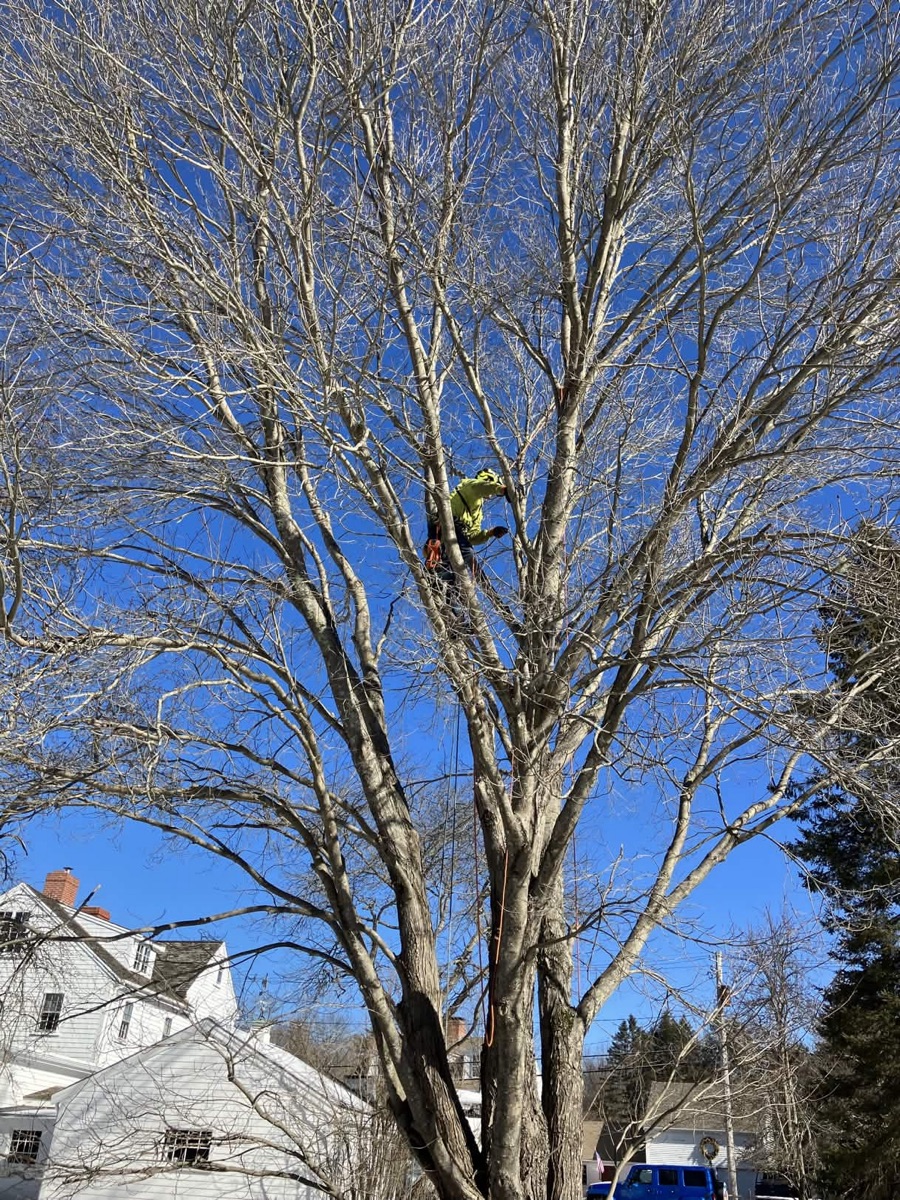
# Professional Tree Pruning in Walpole, Massachusetts
If you own a home in Walpole, Massachusetts, your trees face unique pressures from the town's historic river corridors, growing residential development, and invasive pests like the emerald ash borer. Professional tree pruning in Walpole MA keeps your property safe, enhances curb appeal, and preserves the mature canopy that defines neighborhoods from Walpole Center to Neponset Valley. Southeast Arborist, LLC, your South Shore Massachusetts tree care experts based in Plymouth and Cohasset, delivers ANSI A300-compliant pruning by ISA Certified Arborists. Call us at 508-369-5009 for tree pruning Walpole MA services tailored to Norfolk County's climate and soil.
Walpole's 26,000 residents rely on trees like red oak, white oak, sugar maple, and white pine for shade and privacy, but unchecked growth leads to hazards. Overhanging branches from silver maples along the Neponset River threaten roofs during nor'easters, while declining green ash trees in Plimptonville demand deadwood removal to prevent failure. Our team uses precision techniques—crown thinning, elevation, and reduction—to maintain tree health without compromising structure. This approach follows International Society of Arboriculture (ISA) standards, ensuring every cut promotes vigor and longevity.
Consider Bird Park's Olmsted-era plantings: sycamores, tulip trees, and dawn redwoods require preservation pruning to retain their historic form. Homeowners in East Walpole, near the old Bird & Son paper mills, face similar issues with floodplain trees destabilized by wet soils and flooding. Southeast Arborist's ISA Certified Arborists assess your sycamores or American beeches for weak unions, removing only what's necessary to reduce wind resistance. We prioritize safety with rigging systems and bucket trucks, minimizing ground impact on your landscaped yard.
Tree pruning Walpole MA isn't just maintenance—it's investment protection. In Stone Street Area, crown reduction on mature white oaks prevents limb drop onto driveways, saving thousands in repairs. Our process starts with a free on-site evaluation, identifying issues like codominant stems in young sugar maples that could split in ice storms. We document every recommendation with photos, so you understand the "why" behind each prune. Unlike DIY attempts, our ANSI A300 methods avoid topped trees that invite decay and pests.
Walpole's mix of conservation land and suburban expansion amplifies pruning needs. River corridor management in Neponset Valley calls for vista pruning to clear views without harming riparian forests. In Fisher Street Area, structural pruning on newly planted white pines builds strong scaffolds for decades. Southeast Arborist serves all of Walpole—Walpole Center's formal lots, South Walpole's wooded edges, Common Street Area's heritage homes—with equipment suited to tight spaces. Expect results: healthier trees, lower energy bills from optimized shade, and compliance with local zoning that values tree preservation.
Ready to safeguard your Walpole property? Contact Southeast Arborist at 508-369-5009. Our South Shore team arrives promptly, fully insured, to handle tree pruning Walpole MA with expertise honed in Norfolk County.
Why Walpole Properties Need Tree Pruning
Walpole MA's tree pruning needs stem from its geography as a historic paper mill town settled in 1659, where the Neponset River shapes floodplain forests and conservation efforts. Your red oaks in Walpole Center or silver maples in East Walpole endure Norfolk County's clay-loam soils, which retain moisture and stress roots during wet springs. Combine this with Zone 6b winters—average lows of -5°F—and summer humidity fostering fungal issues, and unpruned trees become liabilities.
Emerald ash borer has decimated green ash populations since 2015, leaving deadwood in Plimptonville and Stone Street Area that snaps in winds over 40 mph. Pruning removes these hazards, preventing property damage. Along the Neponset River in Neponset Valley, sycamores and silver maples grow to 80 feet with shallow roots, prone to uplift in floods. Crown thinning reduces sail effect, stabilizing them against storms that hit South Shore annually.
Bird Park, designed by the Olmsted firm in 1925, showcases preservation challenges. Its American beeches, tulip trees, and dawn redwoods demand selective pruning to maintain original sightlines and forms. Homeowners nearby mimic this: in South Walpole, white pines crowded by construction need elevation to clear power lines, a common call amid Walpole's residential growth. Sugar maples in Fisher Street Area suffer from girdling roots in compacted soils from past mill operations, requiring corrective pruning to restore taper.
Local climate exacerbates issues. Ice storms coat branches, overloading weak silver maples; nor'easters topple floodplain sycamores. White oaks in Common Street Area develop epicormic sprouts from poor pruning history, inviting insects. Practical advice: inspect your trees post-winter for cracked forks—common in red oaks—and schedule deadwood removal before leaf-out. This prevents bark tears that expose heartwood to decay fungi prevalent in Walpole's humid air.
Construction pressure in expanding neighborhoods like Plimptonville clears wooded parcels, stressing survivors. Young tulip trees need structural pruning to eliminate rubbing branches, directing energy to a central leader. Dawn redwoods, sensitive to drought on uplands, benefit from thinning to improve air circulation, reducing needle blight. Southeast Arborist's ISA Certified Arborists identify these early, using resistograph probes on beeches to detect internal rot without invasive cuts.
Floodplain instability along the Neponset demands river corridor management. Homeowners report leaning silver maples after high water; pruning cabling or reduction anchors them. In Walpole's 20% conservation land, preserve native white pines by removing suppressed limbs, mimicking natural forest dynamics. Soil pH around 6.0 suits most species, but alkaline pockets from old mills affect green ash recovery—prune to boost vigor.
Your trees enhance Walpole's character, but neglect risks fines under town bylaws protecting heritage canopies. Pruning maintains value: a mature sycamore shades your home, cutting AC use by 20%. Spot storm damage like split white oak limbs? Act fast—delay invites pathogens. Southeast Arborist applies ANSI A300 standards to these Walpole-specific challenges, ensuring your property thrives.
Our Tree Pruning Process in Walpole
Southeast Arborist follows a meticulous, ANSI A300-compliant process for tree pruning Walpole MA, starting with your free consultation. Our ISA Certified Arborists arrive at your Walpole Center home or Neponset Valley lot with drones for canopy assessment, spotting deadwood in hard-to-reach sycamores before boots hit ground. We discuss goals—safety, views, health—then map the tree with laser rangefinders for precise cut planning.
Step one: hazard assessment. In East Walpole's floodplain, we climb silver maples using ropes and spurs, tapping limbs for soundness. Bucket trucks access white oaks in Stone Street Area without lawn damage. We prioritize deadwood removal, targeting over 50% canopy hazards per ANSI standards, especially emerald ash borer-killed green ash in Plimptonville.
Next, crown elevation raises canopies over walkways. For sugar maples in Fisher Street Area, we remove lower limbs at 12-14 feet, using the 3-cut method to prevent bark tears: undercut, top cut, final clean. This preserves natural shape while clearing your driveway. Tools include Silky saws for clean cuts and Stihl pole pruners for precision.
Crown thinning follows, reducing density by 15-25%. In South Walpole's white pines, we space lateral branches 12-18 inches apart, improving wind flow and light penetration. This combats fungal issues in Walpole's humid summers. For red oaks in Common Street Area, selective removal of crossing limbs eliminates rub wounds, a precursor to decay.
Crown reduction shortens overextended branches. Along Neponset Valley's river, we reduce silver maple heights by 20-30 feet via drop-crotch cuts, retaining live tissue. No topping—ever—that weakens structure. Vista pruning in Bird Park-adjacent lots frames views, cutting only to the next lateral.
Structural pruning targets young trees. New tulip trees in growing Walpole neighborhoods get watersprout removal and leader selection, building frameworks resistant to ice loads. Restoration for storm-damaged American beeches involves epicormic removal, redirecting growth.
Safety protocols define us. All technicians wear PPE; we deploy ground crews with spotters and traffic control for Common Street Area jobs. Rigging lowers heavy dawn redwood limbs via portawraps, protecting your roof. Waste chips on-site for mulch, enriching your clay-loam soil.
Post-prune, we apply ANSI-approved wound dressings sparingly, only on high-risk cuts. A report details cuts, with photos and follow-up schedule. Equipment: 70-foot bucket trucks navigate tight Plimptonville lots; grapples handle debris efficiently.
This process yields results: your sycamores live longer, properties safer. One Walpole client in Walpole Center saw a leaning white oak stabilized, avoiding $10K removal. Trust Southeast Arborist's South Shore expertise—call 508-369-5009 to start.
Common Tree Pruning Projects in Walpole Neighborhoods
Walpole's neighborhoods present distinct tree pruning projects, from riverine hazards to historic preservation. In Walpole Center, crown reduction on mature red oaks clears rooftops, addressing shade trees overgrown since the 1970s. Homeowners here request deadwood removal from sugar maples, hit by anthracnose in wet springs.
East Walpole, site of Bird & Son mills, sees floodplain tree management. Silver maples along the Neponset need limb pruning to prevent flood-time snags; our ANSI A300 cuts reduce weight without destabilizing roots. Emerald ash borer cleanup dominates, with full deadwood excision on declining green ash.
South Walpole's wooded edges call for white pine elevation over roads, removing lower whorls to comply with town utility specs. Construction-adjacent lots require lot clearing prunes, thinning American beeches to protect remnants.
Plimptonville faces ash borer devastation; projects focus on hazard limb removal from dying green ash, preventing branch drop on homes. Young tulip trees get structural pruning amid subdivision growth.
Stone Street Area prioritizes vista pruning on sycamores, opening river views while preserving canopy. Crown thinning combats overcrowding from self-sown white oaks.
Neponset Valley homeowners tackle river corridor instability: leaning dawn redwoods receive reduction pruning, with cabling for support. Storm restoration follows nor'easters, cleaning split silver maples.
Fisher Street Area sees preservation of Olmsted influences, pruning white pines and beeches to mimic Bird Park aesthetics. Deadwood in red oaks prevents kid hazards in family yards.
Common Street Area's heritage homes feature sugar maple crown cleaning, removing included bark to avert failures. Practical tip: flag utility lines before we arrive—Walpole's underground services run deep.
Southeast Arborist customizes for each: bucket access in dense Walpole Center, climbing in South Walpole. These projects safeguard your investment—call 508-369-5009 for neighborhood-specific service.
Tree Pruning Costs in Walpole, MA
Tree pruning costs in Walpole MA vary by factors like tree size, species, location, and complexity, typically $300-$1,500 per tree. A 40-foot silver maple in Neponset Valley with deadwood removal runs $450-$750, factoring river access challenges. Red oaks in Walpole Center, needing crown thinning, start at $400 for heights under 50 feet.
Species influence pricing: tough white oaks demand more labor than soft white pines, adding 20%. Emerald ash borer-damaged green ash in Plimptonville incurs hazard premiums—$600+ for rigging. Sycamores along East Walpole's floodplain add $100 for soil stabilization.
Neighborhood access matters. Tight Stone Street Area lots require climbing over buckets, bumping costs 15-25%. South Walpole's edges need brush clearance first. Height scales linearly: under 30 feet, $250-$500; 60+ feet like Neponset Valley maples, $1,000+.
Project type affects totals. Basic deadwood removal: $200/tree. Full crown reduction on sugar maples in Fisher Street Area: $800. Vista pruning near Bird Park: $500-$900, preserving aesthetics. Multi-tree contracts save 10-20%—five white pines in Common Street Area drop per-tree from $400 to $350.
Value proposition: pruning prevents $5,000+ removal costs. A stabilized American beech in Walpole Center avoids liability claims. Energy savings from optimized shade pay back in two summers. Our ISA certification ensures no regrowth issues, unlike cheap crews causing decay.
Free quotes factor travel from Plymouth/Cohasset—minimal for Walpole. Payment post-job, with financing options. Compare: competitors charge 20% more without ANSI A300 guarantees. Invest in Southeast Arborist for long-term savings—schedule at 508-369-5009.
When to Schedule Tree Pruning in Walpole
Schedule tree pruning Walpole MA in late fall (October-November) or winter (December-March), during dormancy. Walpole's Zone 6b allows cuts before bud swell, minimizing sap loss in sugar maples and disease spread in humid air. Avoid spring growth flushes when sycamores bleed profusely.
Urgency signs demand immediate action: leaning white oaks post-storm, deadwood over roofs in East Walpole, or cracked forks in red oaks after ice. Emerald ash borer decline in Plimptonville shows as 30% canopy dieback—prune now to contain spread.
Annual maintenance suits Neponset Valley silver maples; every 3-5 years for mature white pines in South Walpole. Young tulips in Plimptonville need yearly structural work until 10 feet.
Post-nor'easter inspections peak March; book ahead. Bird Park-style preservations align with summer lulls. Watch for leaning dawn redwoods in floodplains or rubbing limbs on beeches.
Call Southeast Arborist at 508-369-5009—early scheduling secures off-season rates.
Frequently Asked Questions About Tree Pruning in Walpole
What is ANSI A300 pruning, and why does it matter for my Walpole trees? ANSI A300 sets standards for tree care, specifying cut types and limits. For your Neponset Valley sycamores, it ensures 25% max removal, promoting health over stubs that decay in clay soils.
How do I know if my silver maple needs pruning in East Walpole? Look for dead tips, crossing branches, or overhangs. Floodplain instability shows as soil heave—our ISA arborists confirm with pull tests.
Can you prune during Walpole's growing season? Dormant season is best, but emergencies like storm-damaged red oaks proceed anytime with proper wound care.
What's the difference between thinning and reduction for white oaks in Walpole Center? Thinning opens canopy density; reduction shortens height via drop-crotches, ideal for codominant stems prone to splitting.
How does emerald ash borer affect pruning needs in Plimptonville? It kills green ash top-down; we remove deadwood to prevent failure, often transitioning to full removal.
Is tree pruning safe for Bird Park-style dawn redwoods in Fisher Street Area? Yes—preservation pruning maintains form, using gentle cuts to avoid stress on ornamental species.
How much does crown elevation cost for sugar maples in Stone Street Area? $300-$600, depending on height, clearing 10-14 feet without harming structure.
When should I prune young white pines in South Walpole? Annually until established, removing doubles and watersprouts for strong leaders.
Tree Pruning Throughout Walpole
Southeast Arborist provides tree pruning Walpole MA across all neighborhoods: Walpole Center's formal canopies, East Walpole's river edges, South Walpole's pines, Plimptonville's ashes, Stone Street Area's sycamores, Neponset Valley floodplains, Fisher Street Area beeches, Common Street Area oaks. We extend to nearby Norwood, Medfield, Foxborough, Sharon, Dedham from our Plymouth/Cohasset base.
Your trees deserve ISA expertise—call 508-369-5009 for service in South Shore MA.