
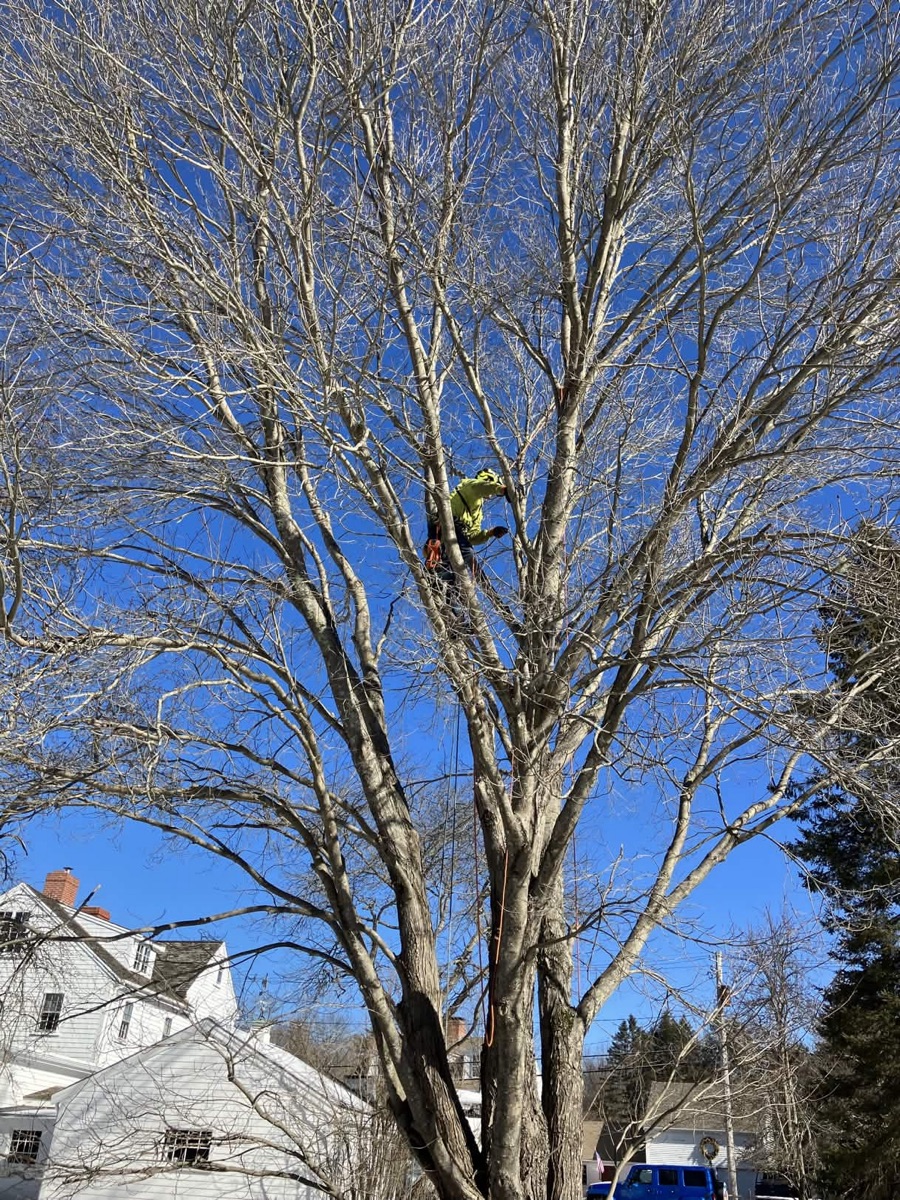
# Professional Tree Pruning in Scituate, Massachusetts
As a homeowner in Scituate, MA 02066, you face unique challenges with your trees due to the town's exposed coastal position in Plymouth County. Fierce nor'easters, salt spray from the Atlantic, and sandy soils amplify risks like wind-throw and root zone flooding, making professional tree pruning essential for property safety and longevity. Southeast Arborist, LLC, your local ISA Certified Arborists based in Plymouth and Cohasset, delivers ANSI A300-compliant tree pruning services tailored to Scituate's demanding environment.
We specialize in tree pruning Scituate MA homeowners rely on to protect their pitch pines, red oaks, and white pines from storm damage. Our team handles crown thinning to reduce wind resistance on properties in Minot and Sand Hills, deadwood removal along Scituate Harbor, and structural pruning for young black oaks in North Scituate. With over a decade serving the South Shore, we've responded to every major storm event, including the 2018 nor'easters that flooded the harbor and toppled trees across Egypt and Humarock.
Tree pruning in Scituate MA isn't just maintenance—it's proactive defense against the town's 19,200 residents' biggest vulnerabilities. Coastal wind shear sculpts trees into ragged profiles, while inland along the North River, older hardwood stands like black cherry and sassafras suffer from overcrowding and weak branches. Our ANSI A300 standards ensure every cut promotes tree health, improves structural integrity, and minimizes hazards without compromising natural form.
Consider your red oak overhanging a flood-prone road in Greenbush—untreated, it risks snapping in the next gale, damaging your roof or blocking access. Or your Eastern red cedar in The Glades, battered by salt dieback, dropping brittle limbs onto walkways. Southeast Arborist uses precision techniques like crown elevation to clear sightlines and thinning to boost air circulation, directly addressing Scituate's tidal flooding and storm exposure.
Safety drives our work. We deploy certified climbers with ropes, saddles, and aerial lifts, adhering to strict protocols that protect your family, pets, and neighbors. No shortcuts: every job starts with a risk assessment scanning for codominant stems in pitch pines or included bark in bayberry thickets. Post-pruning, your trees gain resilience against Plymouth County's relentless weather.
Beyond safety, expert pruning enhances your property's curb appeal and value. Vista pruning in Stockbridge opens ocean views without denuding the canopy, while restoration pruning revives storm-hit white pines in Humarock. Homeowners tell us their insurance premiums drop after our work, as reduced wind sail lowers claim risks.
Southeast Arborist serves all Scituate neighborhoods—Scituate Harbor to Sand Hills—and nearby towns like Cohasset, Norwell, Marshfield, and Hingham. Our phone, 508-369-5009, connects you to same-day assessments for urgent needs. Whether you're in a historic home along Front Street or a newer build in North Scituate, our team arrives equipped for coastal conditions.
Investing in tree pruning Scituate MA style means partnering with experts who understand local species and perils. We've pruned thousands of trees here, from salt-damaged cedars in Minot to overcrowded oaks in Egypt. Your call to 508-369-5009 schedules a free consultation where we map your property's needs using latest ANSI guidelines. Don't wait for the next nor'easter—secure your trees today with Southeast Arborist.
Why Scituate Properties Need Tree Pruning
Scituate's coastal location in Plymouth County exposes your trees to extreme conditions that demand regular pruning. Salt spray from nor'easters corrodes needles on pitch pines and white pines, causing dieback that weakens entire branches. Sandy coastal soils in Humarock and Sand Hills offer poor anchorage, heightening wind-throw risk for tall red oaks and black oaks during gusts over 70 mph.
Tidal flooding along Scituate Harbor and the North River saturates root zones, stressing Eastern red cedars and sassafras. This leads to adventitious roots that destabilize trees, making them prone to toppling onto roads or homes. In Minot and The Glades, constant wind shear creates lopsided crowns on bayberry and black cherry, trapping moisture and fostering fungal pathogens like Nectria canker.
The 2018 storms exemplified these threats, flooding harbor areas and snapping unpruned limbs across Greenbush and Egypt. Inland forests along the North River hold some of South Shore's oldest hardwoods—red oaks over 100 years old—but overcrowding causes weak attachments, rubbing branches, and epicormic sprouts that fail in high winds.
Your pitch pine in North Scituate might show deadwood from salt exposure, accumulating weight that pulls it toward your driveway. Pruning removes this hazard, redistributing energy to healthy growth. Black oaks in Stockbridge develop V-notches from codominant leaders; left alone, these split in storms, as seen post-2018 when dozens failed in Egypt.
Coastal dieback hits white pines hard, browning tips from sodium chloride buildup. Bayberry thickets in Sand Hills block drainage ditches, worsening flooding—thinning opens flow while preserving wildlife habitat. Black cherry trees in Humarock produce heavy fruit loads that stress limbs, snapping under wet snow common in Scituate winters.
Soil conditions exacerbate issues: glacial till inland supports hardwoods but compacts under equipment, while coastal sands drain too fast, starving roots during droughts between storms. Pruning mitigates by reducing transpiration demand, helping trees like sassafras withstand salt stress.
Unchecked growth endangers infrastructure. Overhanging Eastern red cedars in The Glades contact power lines during sway, risking outages. Crown raising clears 14 feet over roads in Greenbush, per town codes, preventing branch fall on emergency vehicles.
Health benefits abound. Thinning improves light penetration, curbing powdery mildew in damp bayberry understories. Deadwooding pitch pines eliminates bark beetle entry points, prevalent after storm wounds.
Property owners in Scituate report fewer insurance claims after pruning—wind-damaged trees cost thousands. Our ISA Certified Arborists identify subtle risks like girdling roots on flooded red oaks, pruning to expose and aerate.
Local climate seals the need: average 50+ mph winter gusts, 45 inches annual rain, and nor'easters every 2-3 years. Without pruning, your trees mirror the wind-sheared profiles dotting Minot beaches—functional but fragile.
Southeast Arborist applies ANSI A300 to these specifics, prioritizing cuts that mimic natural processes. For your coastal white pine, we target lateral branches at 1/3 diameter rule, avoiding stubs that invite decay.
In summary, Scituate's storm vulnerability, salt, wind, and flooding make tree pruning non-negotiable. Protect your investment—call Southeast Arborist at 508-369-5009 for a site-specific plan.
Our Tree Pruning Process in Scituate
Southeast Arborist follows a meticulous, ANSI A300-compliant process for tree pruning Scituate MA properties, ensuring safety and tree vitality amid local hazards. We start with a free on-site assessment, inspecting your pitch pine or red oak for codominant stems, included bark, and salt dieback signatures.
Step 1: Risk Evaluation. Our ISA Certified Arborists use binoculars and drones for initial scans, noting wind-throw potential on sandy soils in Sand Hills. We measure branch collars, DBH (diameter at breast height), and lean angles, prioritizing targets like deadwood over 2 inches on white pines near Scituate Harbor homes.
Step 2: Pruning Plan Development. Tailored to species—structural pruning for young black oaks in North Scituate targets watersprouts; restoration for storm-hit cedars in Humarock removes 25% epicormics. We sketch cuts, ensuring no more than 25% canopy removal per session to avoid stress shock.
Step 3: Gear Up and Site Prep. Teams arrive in bucket trucks or with climbing saddles, Petzl harnesses, and Echo pruners. Tarps protect landscaping in Greenbush lawns; traffic cones secure roadsides in Egypt. For coastal jobs in Minot, we use salt-resistant chainsaws like Stihl MS 261.
Step 4: Execution—Precision Cuts. Crown thinning begins at canopy periphery, removing 10-20% weak branches on pitch pines to lessen sail effect. We drop three cuts per limb: underbuck to prevent bark tears, top cut above, final at collar swell. Deadwooding employs spike-free polesaws for bayberry in The Glades.
Crown elevation clears 8-14 feet for roads in Stockbridge, targeting suppressed laterals on red oaks. Reduction shortens leaders on exposed sassafras in Humarock, collar-to-collar back to laterals at half-diameter ratio. Vista pruning in Scituate Harbor frames harbor views, subordinating select black cherries.
Structural pruning on saplings identifies future defects, like rubbing in Eastern red cedars, nipping early. All cuts follow ANSI A300 Part 1: clean, no flush stubs, preserving cambium.
Step 5: Debris Management. Chips from thinning white pines mulch onsite if requested, suppressing weeds on coastal sands. Limbs bucket-loaded, hauled to Plymouth yard for recycling—no piles left in your driveway.
Step 6: Post-Pruning Audit. We photograph before/after, test tree response with resistograph probes on key trunks for decay. Advise aftercare: deep water during dry spells, avoiding lawn fertilizers high in salts.
Equipment specifics: Aerial lifts for 60-foot red oaks in Egypt; rigging pulleys lower heavy pitch pine sections over fences in Sand Hills. Safety protocols include two-way radios, hardhats, and 360-degree hazard sweeps—zero incidents in Scituate jobs.
For storm restoration, we triage: remove immediate threats first, then shape. Post-2018, we pruned hundreds of bayberry stands, using friction savers to minimize bark wounds.
Homeowners benefit from transparency—we explain each cut, like why suppress a black oak codominant to favor the stronger stem. This educates you on monitoring signs, like wilting after heavy rain indicating root flood issues.
Our process adapts to neighborhoods: low-access climbing in dense Glades thickets; crane assists for 80-foot white pines near North River bluffs.
Compliant with Scituate bylaws and utility clearances, we coordinate with NStar for lineside work. Results: healthier trees, safer properties, enhanced views.
Ready for your trees? Dial 508-369-5009—Southeast Arborist turns Scituate challenges into resilient landscapes.
Common Tree Pruning Projects in Scituate Neighborhoods
Scituate neighborhoods present distinct pruning needs, and Southeast Arborist customizes ANSI A300 services for each. In Scituate Harbor, post-2018 flood recovery dominates: we perform deadwood removal on salt-stressed pitch pines along Front Street, clearing walkways and rooftops while thinning crowns to resist tidal surges.
North Scituate's inland lots feature mature red oaks crowding driveways—crown raising elevates branches 12 feet, improving access and reducing leaf litter in gutters during heavy rains. Greenbush sees frequent structural pruning on young black oaks near flood-prone roads, eliminating V-crotches before storms hit.
Egypt's older hardwood stands along North River require thinning overcrowded sassafras and black cherry, boosting airflow to combat mildew in humid summers. Minot's exposed bluffs demand crown reduction on white pines, shortening tops by 20% to cut wind catch on sandy soils prone to erosion.
Humarock properties, isolated by tides, get emergency restoration after nor'easters: we remove broken Eastern red cedar limbs threatening beach cottages, followed by shaping for future resilience. The Glades' thickets of bayberry need vista pruning to open marsh views, selectively thinning without habitat loss.
Stockbridge homes benefit from hazard limb removal on overhanging pitch pines, targeting dead tops from salt spray. Sand Hills' coastal dunes host wind-sheared black oaks—we perform elevation and reduction, anchoring them against 60 mph gusts.
Across neighborhoods, common threads emerge: salt dieback pruning for cedars everywhere, deadwooding to prevent property damage. In Minot, we've pruned 50+ properties post-storm, rigging heavy sections away from dunes.
Practical tip: In Greenbush, check your red oak's base for girdling roots from flooding—prune upper laterals to ease water demand. Humarock owners, inspect white pines for basal cracks after high tides; early thinning prevents splits.
Our ISA arborists reference local landmarks: pruning clears sightlines to Stockbridge Common, or elevates over Egypt Lake paths. Each project enhances safety—fewer downed limbs blocking Harbor roads.
We've tackled repeat jobs, like annual deadwood on Harbor bayberry, proving pruning's ROI. Your neighborhood's trees thrive with our targeted approach—call 508-369-5009 for specifics.
Tree Pruning Costs in Scituate, MA
Tree pruning costs in Scituate MA vary by factors like tree size, condition, and access, but Southeast Arborist provides transparent pricing for South Shore value. Expect $300-$800 for a 40-foot pitch pine deadwooding in Scituate Harbor—includes assessment, cuts, and cleanup.
Key factors: Diameter at breast height (DBH) drives price; 24-inch red oak in North Scituate runs $600-$1,200 for full crown thinning, as larger trees demand cranes in tight Greenbush yards. Height matters—60-foot white pines in Minot add $400 for aerial lift time.
Species influence: Soft pitch pines prune faster/cheaper than dense black oaks in Egypt. Condition ups costs—storm-damaged sassafras in Humarock needs $200 extra rigging.
Access challenges coastal lots: Sand Hills dunes require climbing over ATVs ($150 premium); Glades thickets need polesaws ($100 add). Proximity to power lines triggers utility coordination, +$250.
Project type: Basic deadwood $150-$400/tree; full ANSI thinning $400-$900; structural for saplings $200-$500. Vista pruning in Stockbridge, opening harbor views, $500-$1,000 for multi-tree jobs.
Volume discounts apply: Pruning 5+ trees in The Glades drops 15%. Emergency post-nor'easter response in Harbor: $500 flat for first tree, $300 each additional same day.
Value proposition: Our work cuts insurance risks—Scituate claims average $5,000/tree fall; pruning pays back in 1 storm. Healthier trees boost property values 5-10% via curb appeal.
Compare: Chainsaw hacks cost less upfront but invite decay, leading to $10k removals. We invest in certified gear, ensuring longevity.
Free quotes detail line items: e.g., Egypt black cherry—$450 (thinning 15% canopy, deadwood, chip mulch). No surprises—pay post-job.
Financing via local banks for multi-tree plans. Long-term contracts for Sand Hills estates: annual pruning at 20% off.
ROI examples: Minot homeowner saved $3k insurance after white pine reduction. Harbor client avoided $8k roof repair via deadwooding.
Budget tip: Prune young trees now ($200) vs. mature later ($1k). Call 508-369-5009 for your custom quote—Scituate-specific savings await.
When to Schedule Tree Pruning in Scituate
Timing tree pruning Scituate MA maximizes benefits amid local weather. Optimal window: late fall (October-November) to early spring (March-April), post-leaf drop, pre-bud swell. Dormancy minimizes stress on pitch pines; sap flow stays low, sealing cuts fast against fungal entry.
Avoid summer—high transpiration stresses red oaks during droughts between nor'easters. Winter suits hardwoods like black oaks in North Scituate, but ice-glazed branches in January delay coastal jobs.
Urgency signs demand immediate action: Hanging limbs post-storm in Harbor—call same-day. Cracks or leans on white pines in Minot signal wind-throw risk; prune before next gale.
Deadwood accumulation in Eastern red cedars (The Glades)—over 10% canopy means schedule now. Salt dieback browning bayberry tips in Sand Hills? Early spring restoration prevents spread.
Flood aftermath: After North River overflows in Egypt, prune within weeks to remove wounds inviting beetles.
Annual check: Inspect pre-winter for rubbing on sassafras; thin if crowding.
Seasonal advice: Fall for vista pruning in Stockbridge—clear views before holidays. Spring for young black cherry structural work in Greenbush.
Our calendar fills fast pre-nor'easter season—book by September. Call 508-369-5009 for slots matching your trees' cycle.
Frequently Asked Questions About Tree Pruning in Scituate
What is ANSI A300 tree pruning, and why does it matter for my Scituate trees? ANSI A300 sets U.S. standards for pruning cuts, prioritizing tree health over aesthetics. In Scituate, it ensures collar cuts on pitch pines heal properly against salt spray, unlike topping that weakens wind resistance. Southeast Arborist follows it 100% for your red oaks.
How often should I prune trees on my coastal Scituate property? Every 3-5 years for mature white pines in Minot; annually for hazard deadwood in Harbor. Young black oaks need structural pruning yearly until established. Assess post-storm—our ISA arborists guide based on sandy soil stability.
Does tree pruning hurt my trees in Scituate's harsh climate? No, when ANSI-compliant. We limit removal to 25%, preserving energy for root growth amid tidal flooding. Pitch pines rebound stronger, resisting dieback better.
Can you prune near power lines in neighborhoods like Greenbush? Yes, with NStar clearance. We use polesaws for Eastern red cedars under lines, coordinating 48 hours ahead for safety.
What's the difference between thinning and reduction for Scituate bayberry? Thinning removes select branches for light/air (Glades thickets); reduction shortens leaders for wind reduction (Sand Hills). Both cut sail effect.
How do I spot if my Humarock sassafras needs pruning? Look for dead tips, leaning >15 degrees, or rubbing stems. Salt-stressed browning? Urgent.
Is cleanup included in Southeast Arborist pruning costs? Yes—chips mulched, limbs hauled. No mess left in Egypt yards.
Do you offer emergency pruning after nor'easters in Scituate Harbor? 24/7 response—call 508-369-5009. We've cleared hundreds post-2018.
Tree Pruning Throughout Scituate
Southeast Arborist provides expert tree pruning across all Scituate neighborhoods: Scituate Harbor's flood zones, North Scituate hardwoods, Greenbush roadsides, Egypt river stands, Minot bluffs, Humarock beaches, The Glades marshes, Stockbridge views, Sand Hills dunes. We extend to nearby Cohasset, Norwell, Marshfield, Hingham.
From pitch pine thinning to black oak elevation, our ISA Certified Arborists handle it. Based in Plymouth/Cohasset, we arrive fast.
Contact us at 508-369-5009 for free assessments. Protect your Scituate trees—call today.