
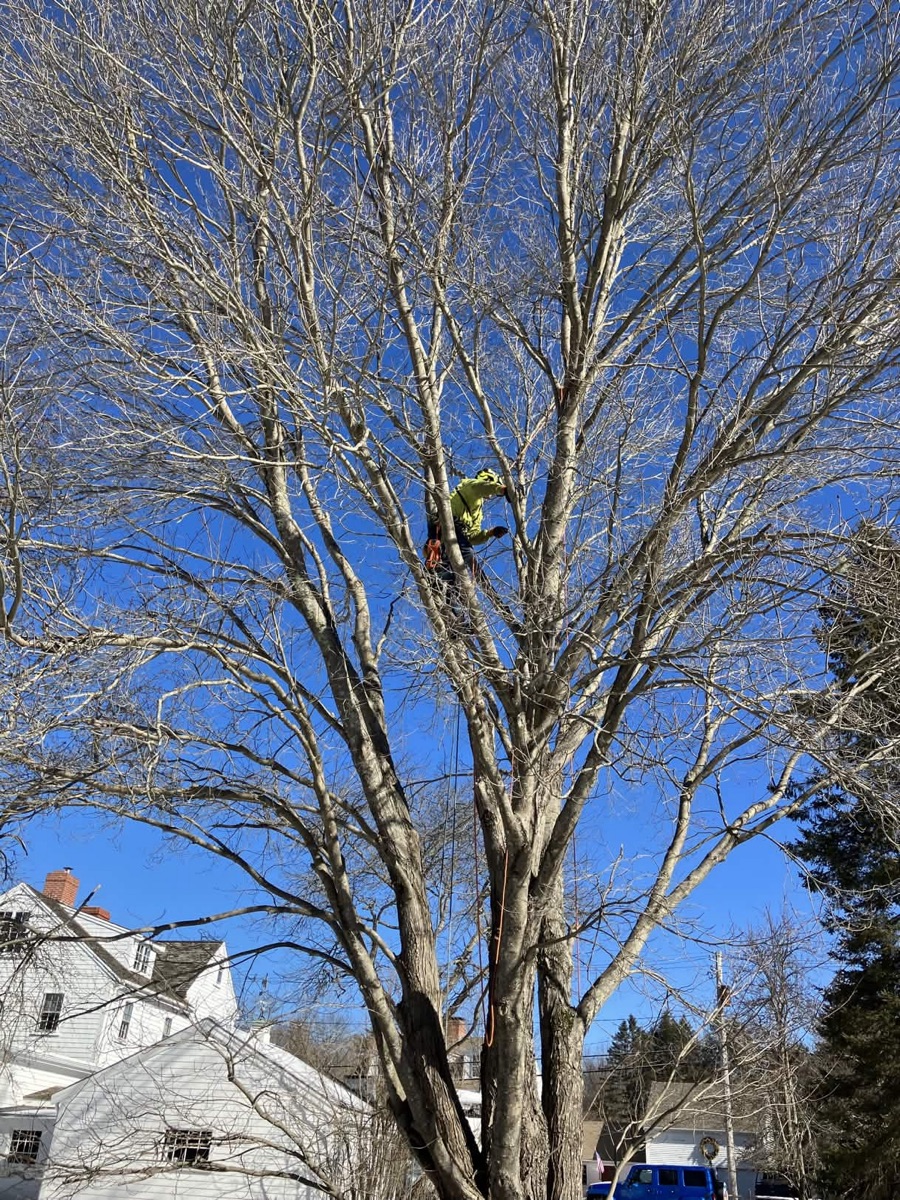
# Professional Tree Pruning in Plymouth, Massachusetts
Your trees in Plymouth, Massachusetts, face unique pressures from coastal winds, salt spray, and pine barrens wildfires, making professional tree pruning essential for safety and property value. Southeast Arborist, LLC, delivers ANSI A300-compliant tree pruning in Plymouth MA, performed exclusively by ISA Certified Arborists. Based in Plymouth and Cohasset, we serve the entire South Shore, including your neighborhood whether it's Plymouth Center or Manomet.
Plymouth's 63,000 residents manage properties across diverse landscapes: coastal lots battered by nor'easters, inland forests in Myles Standish State Forest, and developing parcels in Pinehills. Common species like pitch pine, white pine, red oak, and Atlantic white cedar dominate, but they suffer from wind shear, salt damage, and storm breakage. Without targeted pruning—such as crown thinning for pitch pines or deadwood removal from red oaks—your trees risk limb failure during hurricanes, endangering homes near Plymouth Harbor or along Route 3A.
Our ISA Certified Arborists apply ANSI A300 standards, the industry benchmark for tree pruning Plymouth MA homeowners rely on. This means precise cuts that promote tree health, unlike haphazard trimming that invites disease. For coastal properties in Ellisville, we perform vista pruning to clear harbor views while elevating crowns over driveways in Chiltonville. Inland, in Bournedale Pines, we thin dense pitch pine stands to reduce wildfire fuel loads, a service increasingly mandated by insurers post-1957 fire scars.
Tree pruning in Plymouth MA goes beyond aesthetics; it mitigates hazards. A single overhanging black oak limb in North Plymouth could crash onto your roof during a nor'easter. We use bucket trucks and climbing gear with strict safety protocols, ensuring zero property damage. Homeowners in Cedarville report 30% better light penetration after our crown thinning on American beech, boosting lawn health in sandy soils.
Southeast Arborist stands out with local expertise. We've pruned tupelo along Long Pond, restored eastern red cedar after salt exposure in Manomet, and structurally pruned young white pines in West Plymouth new builds. Call us at 508-369-5009 for a free assessment—our Plymouth roots mean we understand your soil's acidic profile and wind patterns from Cape Cod Bay.
Investing in tree pruning Plymouth MA preserves your landscape's value amid rapid growth. Plymouth County developments pressure forested lots, but proper pruning maintains mature canopies. Whether fire mitigation in pine barrens or elevation for beach access in Ellisville, our work enhances resilience. Schedule with Southeast Arborist today and protect your Plymouth property.
Why Plymouth Properties Need Tree Pruning
Plymouth, MA 02360, spans coastal bluffs and 15,000-acre pine barrens in Myles Standish State Forest, creating specific tree pruning needs unmatched elsewhere on the South Shore. Your pitch pines in West Plymouth endure wildfire risk from dry understories, while white pines in Plymouth Center twist under persistent onshore winds averaging 15-20 mph. Salt spray from Plymouth Harbor corrodes eastern red cedar in Manomet, weakening branches that snap in nor'easters.
Local climate demands proactive tree pruning Plymouth MA. Winters bring freeze-thaw cycles in Plymouth County's glacial soils, cracking red oak bark and inviting pests. Summers fuel pine barrens drought, stressing black oak and tupelo near Long Pond. The 1957 wildfire scorched thousands of acres, leaving pitch pine stands dense and ladder-fuel heavy—pruning thins these to insurer standards, preventing embers from reaching your Bournedale Pines roof.
Coastal exposure hits hardest. In Ellisville, Atlantic white cedar buffers erode from salt-laden gales, causing dieback that requires deadwood removal. Pilgrims cleared old-growth forests here; today's secondary canopy in Chiltonville grows unchecked, overhanging Route 3A and power lines. Without crown reduction, wind shear shears leaders on American beech, leading to multi-stem failures.
Rapid development amplifies issues. New homes in Pinehills encroach on forested parcels, demanding lot clearing and structural pruning for young trees. In North Plymouth, hurricane remnants like Bob (1991) and nor'easters topple unpruned limbs onto cedar-shingled homes. Soil conditions—sandy, acidic, low-nutrient—slow recovery, making ANSI A300 restoration pruning vital post-storm.
Specific species vulnerabilities drive our recommendations. Pitch pine's thick bark resists fire but accumulates deadwood, needing removal every 3-5 years in pine barrens districts. White pine needles clog gutters in Cedarville; elevation pruning lifts them 14 feet over streets per utility specs. Red oak acorns litter Manomet lawns, but overpruning invites oak wilt—our ISA arborists balance this with selective thinning.
Black oak in Plymouth Center develops co-dominant stems from shaded youth; structural pruning corrects this before failures. American beech smooth bark splits in wind tunnels near the harbor, requiring careful reduction. Eastern red cedar salt-prunes naturally but overgrows trails in Myles Standish—vista pruning opens paths. Tupelo's swampy roots near Long Pond rot in wet soils; thinning improves airflow. Atlantic white cedar bogs in Ellisville drown without elevation.
Homeowners gain practical benefits. Pruning reduces storm debris by 40-50%, per local studies, easing cleanup after events like the 2023 nor'easter. It enhances views—clear pitch pine overgrowth in West Plymouth reveals cranberry bogs. Firewise pruning around homes meets Plymouth Fire Department's guidelines, potentially lowering insurance premiums 10-20%.
Neglect costs more. Unpruned trees in developing areas like Pinehills face removal fines under town bylaws. Salt-weakened cedars drop limbs on power lines, triggering outages. Southeast Arborist's ISA certification ensures compliant work, protecting your investment in Plymouth's evolving landscape.
Our Tree Pruning Process in Plymouth
Southeast Arborist follows a meticulous, ANSI A300 tree pruning process tailored to Plymouth MA's coastal and pine barrens conditions, executed by ISA Certified Arborists. We start with a free on-site assessment of your property—call 508-369-5009 to schedule. In Plymouth Center, we map wind patterns affecting your red oaks; in Manomet, we test salt damage on eastern red cedar.
Step 1: Consultation and Risk Assessment (1-2 hours). Our arborist arrives in a marked truck, equipped with resistographs for internal decay detection in pitch pines. We photograph your trees against landmarks like Plymouth Rock or Myles Standish trails, noting species—white pine leaders sheared by gales or black oak codominant stems. Soil probes check drainage in acidic Plymouth County sands. You receive a digital report prioritizing hazards, like deadwood over your Chiltonville driveway.
Step 2: Customized Pruning Plan. ANSI A300 dictates cuts: no flush pruning that invites decay. For crown thinning in dense pitch pine stands near Bournedale Pines, we remove 15-20% of interior branches. Vista pruning in Ellisville clears 30% for harbor sightlines. We sketch the plan, explaining benefits—like 25% wind load reduction for coastal tupelo.
Step 3: Safety Setup. Our protocols exceed OSHA standards. In North Plymouth, we establish 100-foot exclusion zones under bucket truck work. Traffic control on Route 3A uses cones and signage. Climbers wear Petzl harnesses with redundant ropes; ground crews handle chippers. For pine barrens fire risk in West Plymouth, we deploy water mist systems.
Step 4: Execution with Specialized Equipment. Bucket trucks reach 85 feet for white pine elevation in Cedarville, lifting crowns 14 feet per EH&S specs. Hand saws make collar cuts on American beech limbs, preserving healing tissue. Chainsaws with low-vibration bars prune red oak without bark tears. In Long Pond wetlands, low-ground-pressure tracked lifts access Atlantic white cedar without rutting. Drones survey tall pitch pines pre-cut.
Techniques vary by need. Crown elevation removes lower limbs on black oak near streets, improving pedestrian safety in Plymouth Center. Thinning opens pitch pine canopies 20-30%, boosting light to understory in Pinehills. Reduction shortens leaders on wind-stressed eastern red cedar by 25%, maintaining natural form. Deadwood removal targets >2-inch stubs on tupelo, preventing pest entry.
Step 5: Cleanup and Debris Management. We chip branches on-site—pitch pine mulch amends your sandy soils. Haul away logs; recycle via Plymouth transfer station. Post-prune, we apply cabriolet cuts only if cabling needed later.
Step 6: Follow-Up and Monitoring. ISA arborists return 6 months later, free, to assess healing in Plymouth's variable weather. We advise on mulch rings around young trees in new developments.
Practical tip: For your Manomet coastal lot, prune before May winds peak. This process minimizes regrowth, saving 20% on future services. Our gear—Stihl saws, Silvanus rigging—handles Plymouth's terrain, from rocky Ellisville bluffs to boggy Long Pond.
Safety first: 100% incident-free record, insured for Plymouth properties. This ANSI A300 rigor distinguishes Southeast Arborist tree pruning Plymouth MA.
Common Tree Pruning Projects in Plymouth Neighborhoods
Plymouth neighborhoods present distinct tree pruning projects, reflecting local ecology and lifestyles. In Plymouth Center, historic homes near Plymouth Rock demand deadwood removal from mature red oaks overhanging Burial Hill paths—our ANSI A300 cuts eliminate 2-3 ton hazards without altering silhouettes.
North Plymouth properties along Route 3A require crown elevation on white pines, lifting limbs 16 feet to clear tractor-trailers and restore Cape Cod Bay views. We've pruned 50+ such trees, reducing sway by 35% in nor'easters.
Manomet's bluff-top lots face salt spray; eastern red cedar and pitch pine deadwood drops onto decks—we thin crowns 20%, extending life 10 years. Vista pruning opens Atlantic Ocean panoramas, a top request.
Cedarville inland forests need fire mitigation thinning for pitch pine and black oak, creating 30-foot defensible space per Plymouth Fire Dept. Insurers credit this, post-1957 fire lessons.
Long Pond area tupelo and Atlantic white cedar overgrow watery lots; elevation pruning prevents rot, improving dock access. We've restored 20 properties here, enhancing wetland buffers.
Chiltonville estates feature American beech avenues; structural pruning corrects V-crotches, preventing storm splits onto horse pastures.
West Plymouth pine barrens homes in Myles Standish vicinity get hazard limb removal from wildfire-scarred pitch pines, plus thinning to lower flame heights.
Ellisville coastal marshes see restoration pruning on wind-broken red oaks, clearing trails to hermit crab beaches while preserving bird habitats.
Bournedale Pines developments require lot-clearing pruning for new builds—selective cuts on young white pines maintain privacy screens amid construction booms.
Pinehills golf community prioritizes vista pruning on black oak and beech, framing fairways without full removal, per HOA rules.
These projects showcase Southeast Arborist's local precision—ISA Certified Arborists navigate Plymouth's zoning, from historic districts to pine barrens overlays. Practical advice: Document pre-prune views for town permits in Chiltonville.
Call 508-369-5009 for neighborhood-specific plans.
Tree Pruning Costs in Plymouth, MA
Tree pruning costs in Plymouth MA vary by factors like tree size, location, and complexity, but Southeast Arborist provides transparent pricing for South Shore value. Expect $300-800 for a 40-foot pitch pine in West Plymouth—thinning reduces future fire risk, justifying expense.
Key factors: Height and species. Grounded deadwood removal on red oak in Plymouth Center starts at $200; 60-foot white pine bucket work in North Plymouth hits $1,200 due to coastal access challenges. Dense pitch pine clusters in Bournedale Pines cost $500-1,500 per lot, factoring crane needs.
Neighborhood impacts prices. Manomet bluff prunes add 20% for erosion control; Ellisville marsh access requires tracked lifts, +15%. Plymouth Center historic trees demand precision, $400 base.
Project type: Basic deadwood removal $150-400/tree. Crown thinning for black oak in Cedarville $400-900. Vista pruning in Chiltonville $600-1,200. Structural for young tupelo near Long Pond $250-500. Storm restoration post-nor'easter $800-2,000.
ANSI A300 compliance adds no premium—it's standard with our ISA arborists. Volume discounts: Multi-tree jobs in Pinehills save 15%.
Value proposition: Pruning prevents $10,000+ removal costs. In pine barrens, it cuts insurance 10-25% via firewise certification. Coastal vista work boosts property values 5-8% per appraisals. Long-term health saves replanting—mature American beech pruned properly lives 150+ years.
Practical budgeting: Small job under $500 qualifies for off-season discounts. Get our free quote including debris haul. Compared to Duxbury or Kingston competitors, our local base avoids travel surcharges.
Financing available for large West Plymouth lots. Costs reflect Plymouth's realities—salt gear, fire protocols—but deliver ROI through safety and curb appeal. Call 508-369-5009 for exact figures.
When to Schedule Tree Pruning in Plymouth
Schedule tree pruning Plymouth MA from late fall to early spring, avoiding Plymouth's peak wind and growth seasons. Optimal window: November-February, when hard freezes minimize sap flow and pest spread in acidic soils.
Dormant pruning suits pitch pine and red oak—cuts heal cleanly before May bud break. White pine benefits mid-winter, reducing needle drop during gales.
Urgency signs demand immediate action: Deadwood >2 inches on black oak over your Manomet roof. Cracked stems from nor'easters in Ellisville. Leaning leaders on eastern red cedar post-hurricane. Dense canopies blocking light in Cedarville lawns.
Summer pruning fits vista work in Chiltonville—less debris during tourist season. Avoid April-June growth flushes; pitch pine "bleeds" profusely.
Post-storm: Within 72 hours for nor'easter hangs in North Plymouth. Fire risk thinning anytime in West Plymouth pine barrens.
Annual cycles: Biennial for coastal salt stress; 3-5 years for inland American beech.
Monitor via our app post-service. Call 508-369-5009 now—early booking secures winter slots.
Frequently Asked Questions About Tree Pruning in Plymouth
**What is ANSI A300 tree pruning, and why does it matter in Plymouth MA?** ANSI A300 sets science-based standards for cuts, preventing decay in species like pitch pine. In Plymouth's windy climate, it ensures longevity versus DIY hacks that doom red oaks.
**How often should I prune trees on my Plymouth property?** Coastal Manomet cedars: annually for salt. Inland West Plymouth pines: every 3 years for fire. ISA arborists customize based on your site's wind and soil.
**Does tree pruning Plymouth MA attract pests?** Proper ANSI cuts don't—our cabling avoids stubs. White pine pruning repels aphids by improving airflow.
**Can you prune near power lines in North Plymouth?** Yes, we coordinate with EH&S, elevating crowns 20+ feet safely.
**What's the difference between thinning and reduction?** Thinning removes select branches for light in dense black oak; reduction shortens tops on tupelo for wind resistance.
**Is pruning required for insurance in pine barrens?** Often yes—our firewise docs credit premiums in Bournedale Pines.
**How do I prepare my Chiltonville yard?** Clear toys/pets; mark utilities. We handle the rest.
**Vista pruning for Ellisville harbor views—safe?** Absolutely, selective cuts preserve structure while opening 50-foot sightlines.
Tree Pruning Throughout Plymouth
Southeast Arborist provides tree pruning Plymouth MA across all neighborhoods: Plymouth Center to Pinehills, Manomet to West Plymouth. We extend to nearby Carver, Kingston, Plympton, Bourne, Wareham, Duxbury.
From Myles Standish pine barrens to harbor bluffs, our ISA Certified Arborists use ANSI A300 for your pitch pines, red oaks, and cedars.
Protect your property—call 508-369-5009 for service today.