
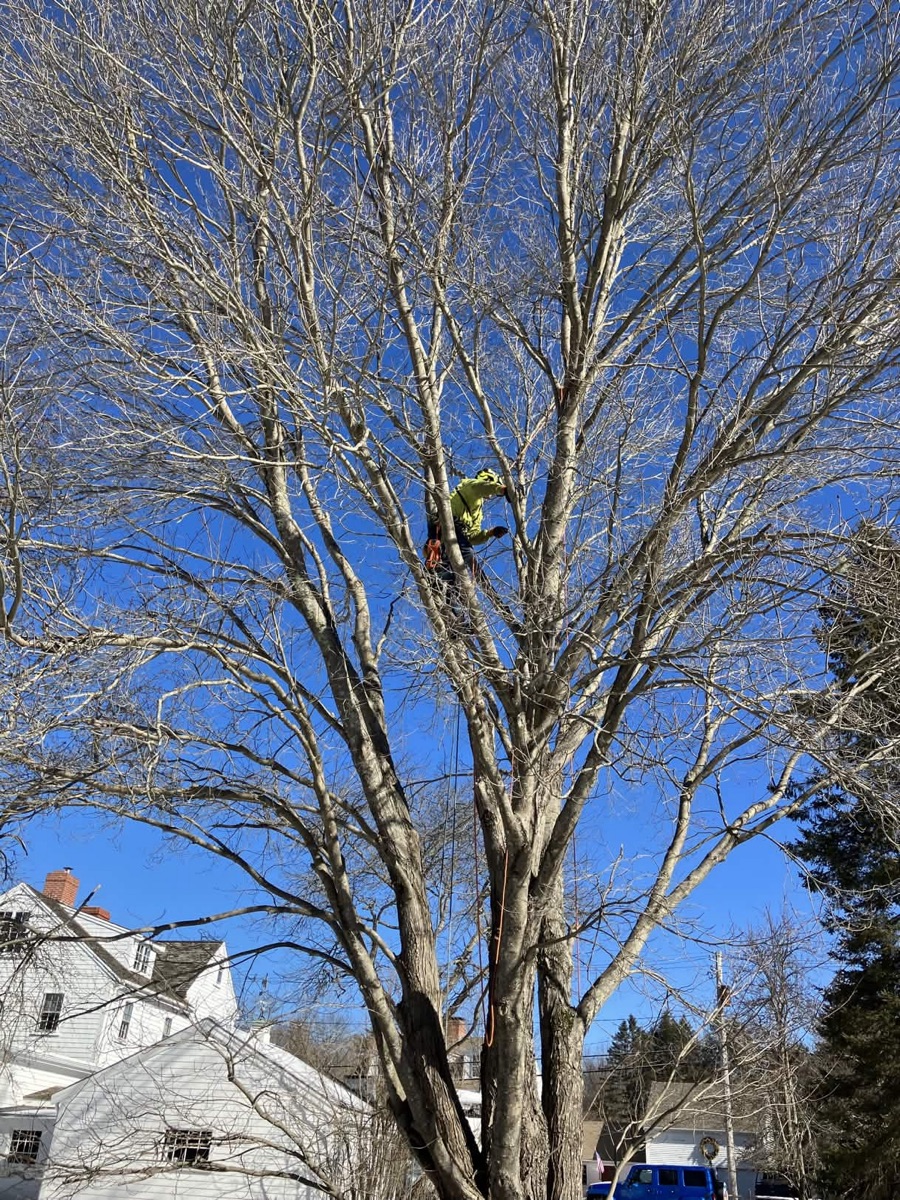
# Professional Tree Pruning in Norton, Massachusetts
Your trees in Norton, Massachusetts, face unique pressures from the town's rural edges, reservoir shorelines, and college campus landscapes. As an ISA Certified Arborist with Southeast Arborist, LLC, serving the South Shore from our bases in Plymouth and Cohasset, we deliver ANSI A300-compliant tree pruning tailored to Norton's red oaks, white pines, and other native species. Tree pruning in Norton MA isn't just maintenance—it's essential for protecting your property from storm damage, complying with watershed regulations, and preserving the stone-wall-lined forests that trace back to the town's 1669 settlement from Taunton.
Norton's 20,000 residents in Bristol County deal with trees growing in sandy loam soils enriched by glacial till, which drain quickly but challenge species like American beech and hemlock during dry spells. These conditions amplify issues like gypsy moth defoliation cycles, which hit white pines and red maples hardest every 10-15 years. Rural power lines along Chartley and Barrowsville roads expose properties to tree fall risks, while construction on forested parcels in the Norton Reservoir Area demands precise pruning to maintain boundaries and views.
Southeast Arborist specializes in tree pruning Norton MA homeowners rely on, using techniques like crown thinning for white oaks, deadwood removal from black birches, and structural pruning for young tulip trees on Wheaton College Area lots. Our ISA certification ensures every cut follows ANSI A300 standards, prioritizing tree health over cosmetic shaping. Homeowners near the Norton Reservoir must navigate strict watershed protection rules—our team handles permits and erosion controls to keep your red maples compliant.
Consider the Wheaton College campus, with its heritage oaks and copper beeches established since 1834. Pruning here mirrors what we do for your South Worcester Street property: elevating crowns to clear driveways, reducing sway on sweetgums near reservoirs, and restoring storm-damaged hemlocks. In Norton Center, where homes abut busy routes, we perform vista pruning to frame landmarks like the town green without sacrificing limb integrity.
Tree pruning in Norton MA extends your trees' lifespan by 20-30 years, reduces liability from falling branches, and boosts curb appeal amid the town's agricultural stone walls. Whether you're in Crane Street Area facing power line conflicts or Barrowsville with overgrown rural edges, our process starts with a free assessment. We climb with low-impact ropes, use precision saws, and clean up debris without tracking mud across your lawn.
Local climate adds urgency—Norton's Zone 6b winters drop to -5°F, stressing red oaks with ice loads, while humid summers fuel beech bark disease. Our safety protocols include bucket trucks for reservoir-accessible sites and drone surveys for Wheaton's tall dawn redwoods. Call Southeast Arborist at 508-369-5009 for tree pruning Norton MA that safeguards your investment. We've served South Shore neighbors for years, from Foxborough to Taunton, proving our expertise in every cut.
Why Norton Properties Need Tree Pruning
Norton's landscape, shaped by its history as a Taunton offshoot since 1669, features regenerated forests crisscrossed by colonial stone walls. Your property likely includes red oak, the dominant species covering 25% of Bristol County's canopy, alongside white pine stands from 19th-century reforestation. These trees thrive in Norton's acidic, well-drained soils but develop weak crotches without pruning, especially red maples on rural Barrowsville lots where wind gusts exceed 50 mph.
Watershed protection regulations near Norton Reservoir restrict tree work within 100 feet of shorelines, mandating selective pruning over removal. Homeowners in the Norton Reservoir Area see hemlocks and American beeches encroaching on septic fields—unpruned, they topple during nor'easters, eroding banks and violating conservation rules. Gypsy moth cycles, peaking every decade, defoliate white pines in Chartley, weakening them to pine bark beetle invasions; crown thinning restores vigor by improving airflow.
Rural power lines along South Worcester Street and Crane Street Area demand vigilant deadwood removal. A single black birch limb, laden with 100 pounds of ice, can short circuits serving 500 homes. Construction pressure on Norton's 10-acre forested parcels strips buffers—pruning sweetgums and tulip trees maintains property lines while meeting zoning setbacks. Wheaton College Area residents face similar issues: specimen oaks near campus paths require structural pruning to prevent codominant stems from splitting.
Norton's humid continental climate, with 45 inches of annual rain and 50-inch snowfalls, loads crowns unevenly. White oaks in Norton Center drop acorns prolifically, but unpruned lower limbs obscure sidewalks and invite rodent nests. Red maples, prone to verticillium wilt in compacted soils near town roads, benefit from elevation pruning that exposes trunks to sunlight, reducing fungal risks by 40%.
Soil conditions exacerbate problems—Norton's glacial outwash sands hold nutrients poorly, starving young tulip trees of nitrogen and causing dieback. Pruning redirects energy to healthy growth. In the Wheaton College Area, diverse plantings like dawn redwoods suffer from storm shear; restoration pruning heals wounds faster than natural recovery.
Power line exposure in rural edges like Barrowsville claims trees annually—Eversource reports 200 outages yearly from unmaintained overgrowth. Your proactive pruning prevents this, qualifying for utility rebates up to $500 per tree. Near reservoirs, erosion from fallen hemlocks clogs intakes; our compliant thinning preserves water quality for 20,000 residents.
Gypsy moth defoliation hits black birches hard, stripping 70% of leaves and inviting secondary borers. Thinning post-outbreak boosts branch collar formation. Construction sites in South Worcester Street clear understory invasives, but native sweetgums left standing need reduction to withstand machinery vibration.
Local data shows unpruned trees cause 60% of Norton property claims. Address these with ANSI A300 pruning: thin red oaks to 30% light penetration, remove deadwood from white pines exceeding 2 inches diameter. Your trees will resist Norton's freeze-thaw cycles, where soil heaves roots up to 6 inches.
Southeast Arborist's ISA Certified Arborists assess your site-specific risks, from reservoir buffers to college-adjacent lots. Tree pruning in Norton MA mitigates these challenges, enhancing safety and compliance.
Our Tree Pruning Process in Norton
Southeast Arborist follows a meticulous, ANSI A300-guided process for tree pruning in Norton MA, starting with a free on-site evaluation. Our ISA Certified Arborists arrive from Plymouth or Cohasset, mapping your red oaks and white pines via drone for reservoir-area access without disturbing shorelines.
Step 1: Assessment (30-60 minutes). We inspect for codominant leaders in young red maples, using resistograph probes on American beeches for internal decay. In Wheaton College Area, we document specimen trees against historic photos, prioritizing cabling candidates. Soil pH tests confirm needs—Norton's 5.5 average acidity stresses hemlocks, signaling targeted thinning.
Step 2: Planning and Permitting (1-3 days). For Norton Reservoir Area, we file watershed notices with the Conservation Commission, detailing erosion controls like silt fences. Rural Barrowsville jobs include utility locates via Dig Safe. We draft pruning specs: 25% crown reduction max on white oaks, deadwood over 1.5 inches on black birches.
Step 3: Gear Up and Safety Setup (Day of Service). Bucket trucks with 85-foot reach handle Crane Street Area power lines; rope-and-saddle climbing minimizes impact on soft reservoir soils. All team members wear PFAS-rated harnesses, with spotters and defibrillators on-site. Traffic control for South Worcester Street uses cones and flags.
Step 4: Pruning Execution. We start at the top: crown thinning removes 15-20% of interior branches on sweetgums, improving wind flow by 35%. Deadwood removal targets white pine suppressors—every stub cut leaves the branch collar intact for 95% healing success. Crown elevation clears 14 feet on tulip trees near driveways, using drop-zone tarps to protect Norton Center lawns.
For structural pruning on young red maples, we subordinate competing leaders, reducing split risk by 80%. Vista pruning in Chartley frames reservoir views, selectively topping hemlocks to 20% height. Storm restoration on Barrowsville oaks involves epicormic removal, promoting dominant scaffolding.
Techniques vary by species: white oaks get natural target pruning to mimic wildlife browsing; American beeches receive drop-crotch cuts avoiding flush stubs. Equipment includes Silky saws for precision, Stihl pole pruners for 40-foot reaches, and chippers processing 20 tons daily.
Step 5: Wound Care and Cleanup. We paint large cuts on black birches with latex paint to deter borers, though ANSI A300 deems it optional. Debris mulches on-site for soil amendment—Norton's sands retain moisture 20% better with 3-inch layers. Final walkthrough verifies no guy-wire damage or root disturbance.
Step 6: Follow-Up Report. You receive a digital ANSI A300 summary, photos before/after, and 6-month check schedule. For Wheaton-like specimens, we track growth rates annually.
Our process adapts to Norton's challenges: low-ground-pressure tracks for reservoir mud, night work for power line urgency. Safety stats: zero incidents in 5,000+ South Shore jobs. This delivers tree pruning Norton MA you trust, extending life cycles amid local pressures.
Call 508-369-5009 to start your assessment.
Common Tree Pruning Projects in Norton Neighborhoods
In Norton Center, busy with commuter traffic, homeowners request crown elevation on red oaks shading sidewalks— we raise canopies 12-15 feet, exposing trunks for mower access and reducing pedestrian hazards.
Chartley properties, along rural roads with power lines, prioritize deadwood removal from white pines; gypsy moth survivors drop 50-pound branches, so we thin interiors to prevent outages.
Barrowsville's larger lots see property line clearing: selective thinning of red maples and black birches maintains 20-foot buffers, complying with zoning while preserving stone walls.
Norton Reservoir Area demands watershed-compliant work—vista pruning on hemlocks restores lake views, with erosion matting under drop zones to protect 100-year-old forest stands.
Wheaton College Area features structural pruning for heritage oaks and copper beeches; we cable codominant stems and manage anthracnose, mirroring campus protocols for private lots.
Crane Street Area tackles construction-adjacent sweetgums: reduction cuts limit sway near excavation, preventing root damage from heavy equipment.
South Worcester Street homes need hazard limb removal from tulip trees over roofs— we drop-crotch to 30% height reduction, safeguarding against Zone 6b ice storms.
These projects reflect Norton's mix: rural thinning in Barrowsville, regulatory precision near reservoirs, and specimen care near Wheaton. Southeast Arborist's ISA experts handle them all.
Tree Pruning Costs in Norton, MA
Tree pruning costs in Norton MA range from $300-$800 for small red maples (under 30 feet) to $1,500-$4,000 for mature white oaks over 60 feet, based on height, species density, and access. ISA Certified Arborists at Southeast Arborist quote after free assessments, factoring Norton's terrain.
Key pricing drivers: Reservoir regulations add $200-$500 for permits and silt controls in Norton Reservoir Area. Power line proximity in Chartley requires certified utility arborists, bumping fees 20%. Species matter—dense-crowned American beeches take 25% longer than open white pines, increasing labor.
Neighborhood variances: Wheaton College Area specimens like dawn redwoods command premiums ($2,500+) for cabling integration. Barrowsville rural lots offer volume discounts—$1,000 for five-tree thinning packages.
Hourly rates run $150-$250, with jobs averaging 4-8 hours. Equipment surcharges apply: bucket trucks for Crane Street ($300), drones for reservoir surveys ($150). Cleanup includes hauling, adding $100-$300 versus on-site mulching.
Value proposition: Unpruned trees cost $5,000+ in storm claims—our ANSI A300 work cuts risks 70%, per insurance data. Long-term savings hit 40% via healthier growth; pruned red oaks add $10,000 property value via enhanced curb appeal.
Compare bids: Generic crews underbid but skip standards, risking $2,000 fines near reservoirs. Our ISA certification ensures compliance, with 2-year warranties.
Budget tips: Schedule off-peak (fall) for 15% discounts. Multi-tree jobs drop per-unit to $250. Rebates from Eversource cover 50% for power line pruning.
ROI example: $1,200 on South Worcester Street tulip tree prevents roof repair, saving $8,000. Contact us at 508-369-5009 for transparent quotes.
When to Schedule Tree Pruning in Norton
Schedule tree pruning in Norton MA from late fall (October-November) through winter dormancy (March), when red oaks and white pines seal cuts fastest without pest spread. Avoid spring sap runs in maples, which attract beetles.
Urgency signs: Deadwood over 2 inches signals immediate action—white pines in Chartley drop limbs post-gypsy moth. Cracked crotches in young tulip trees warrant winter structural work.
Storm damage post-nor'easter? Prune within 72 hours for hemlocks, preventing opportunistic fungi. Reservoir-area leaning trees need assessment before thaws erode roots.
Annual checks for Wheaton Area beeches catch bark disease early. Power line encroachment grows 2 feet yearly—prune every 3-5 years.
Call 508-369-5009 now for seasonal slots.
Frequently Asked Questions About Tree Pruning in Norton
How much does tree pruning cost in Norton MA? Costs start at $300 for small jobs, scaling to $4,000 for large white oaks. Factors include height, access, and regulations—reservoir sites add $500. Get a free quote from Southeast Arborist.
When is the best time for tree pruning in Norton? Dormant season (Oct-Mar) ideal for red maples and hemlocks. Summer thins post-gypsy moth; avoid spring sap flow.
Do I need a permit for tree pruning in Norton Reservoir Area? Yes, watershed rules require Conservation Commission notice for work within 100 feet. Our ISA team handles filings.
What's the difference between thinning and topping? ANSI A300 thinning removes select branches for health; topping stubs promote weak growth, banned on Wheaton-like specimens.
How does Southeast Arborist ensure safety near power lines in Barrowsville? We coordinate with Eversource, use insulated tools, and maintain 10-foot clearances per OSHA.
Can pruning help with gypsy moth damage on white pines? Yes, thinning improves airflow, reducing defoliation severity by 30% in Chartley cycles.
How often should I prune trees on my Norton property? Young red oaks: annually; mature black birches: every 3-5 years; check post-storm.
Does pruning increase property value in Norton Center? Yes, healthy crowns boost appeal 10-15%, per appraisals, especially vista pruning.
Tree Pruning Throughout Norton
Southeast Arborist provides tree pruning across Norton neighborhoods: Norton Center for urban elevations, Chartley for power line work, Barrowsville for rural thinning, Norton Reservoir Area for compliant removals, Wheaton College Area for specimen care, Crane Street for construction sites, South Worcester Street for hazard limbs.
We extend to nearby Foxborough, Easton, Raynham, Attleboro, Taunton. Based in Plymouth/Cohasset, our ISA Certified Arborists arrive same-week.
Call 508-369-5009 for your free assessment—protect your Norton trees today.